
Selecting the right ab crunch machine for a small HDB apartment requires balancing effective core training with strict spatial limitations. Rather than sacrificing daily living space for bulky, commercial-grade gym equipment, residents can focus on specific structural designs that offer foldability, low-profile storage, or multi-functional utility. By prioritizing compact footprints and smart storage mechanisms, you can maintain a clutter-free home while achieving a consistent fitness routine.
This guide outlines the most space-efficient machine types and provides a practical evaluation checklist to help you choose equipment that fits seamlessly into your living space. Understanding how different designs interact with your home’s layout ensures that your investment remains a highly utilized fitness tool rather than an obstructive piece of furniture.
Key Space and Storage Factors for HDB Apartments
Before browsing for fitness equipment, you must accurately assess your available floor plan and storage limitations. Typical HDB layouts, especially in newer Build-To-Order (BTO) flats, feature compact living rooms and bedrooms where every square meter is highly contested. To prevent your home from feeling cramped, start by measuring the exact zone where you plan to exercise. A safe workout zone requires not just the physical footprint of the machine, but also a buffer of at least 1 meter on all sides to allow for safe mounting, dismounting, and unrestricted body movement.
Products mentioned in this guide
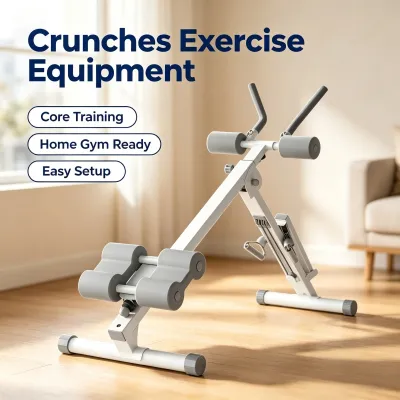
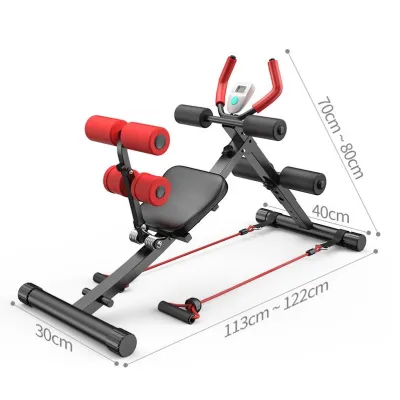
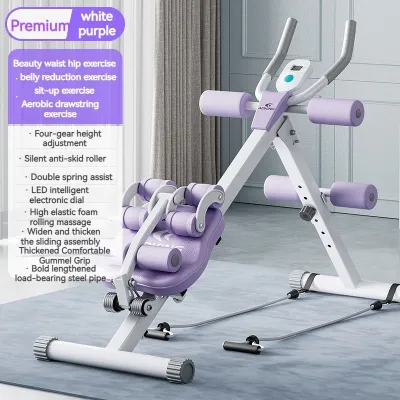
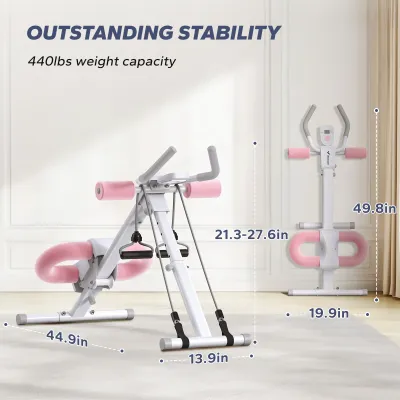
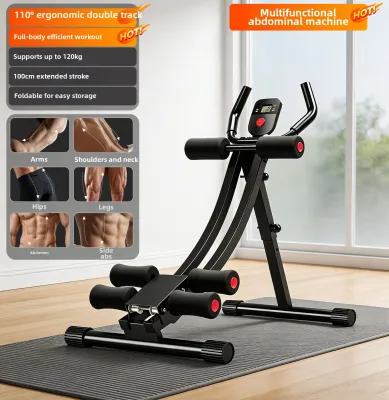
Prices are valid at publication and may change. Please refer to the product page for the latest price.
Storage is the next critical factor. Consider where the machine will reside when it is not in use. If you plan to store the equipment in a household shelter, utility closet, or a narrow gap between a wardrobe and the wall, measure these storage spaces beforehand. Vertical storage is often the most efficient way to save floor space, but it requires equipment that can stand securely on its end without tipping over.
Finally, be realistic about the frequency of setup and teardown. If a machine requires a complex assembly process or multiple adjustment pins to fold flat, the friction of setting it up can quickly discourage you from working out. Look for intuitive, quick-release mechanisms that allow you to transition the machine from storage to active use in under a minute. This ease of transition is essential for maintaining a tidy, organized living space in a high-density home.
Types of Space-Efficient Ab Crunch Machines
To maximize your training without overcrowding your home, you must understand the structural categories of compact ab equipment. Rather than focusing on specific brand names, evaluate how different frame designs, sliding mechanisms, and modular configurations adapt to tight spaces. Each category offers distinct advantages depending on whether you prefer to hide your equipment completely out of sight or integrate it into a multi-use fitness corner.

Foldable and Collapsible Frame Designs
Foldable ab crunch machines typically feature an A-frame or X-frame design that collapses into a flat profile. These machines often use a curved track or a pivoting seat to guide your body through a reverse crunch motion. When evaluating these designs, the most critical specification to check is the folded thickness. Many models can collapse to a depth of 15 to 20 centimeters, making them slim enough to slide behind a door or stand upright in a utility closet.
Safety and stability must not be compromised for the sake of foldability. Inspect the locking mechanisms, such as spring-loaded pull pins or heavy-duty cotter pins, which secure the frame in its active position. A high-quality foldable machine should feel rigid during use, with no lateral wobbling or frame flexing when you apply your full body weight.
Additionally, consider the overall weight of the frame. To ensure the machine can be easily moved and stored by one person, look for models that weigh under 15 kilograms. Some foldable designs also feature small transport wheels on the base stabilizer bars, which allow you to roll the machine across your flooring rather than lifting it, reducing the risk of personal strain or floor damage.
Low-Profile and Under-Bed Storage Options
If you prefer to keep your fitness equipment completely hidden from view, low-profile machines designed for under-bed or under-sofa storage are highly effective. This category includes compact ab sliders, assisted ab wheels with spring-back mechanisms, and low-clearance abdominal coaster tracks. Standard HDB bed frames and modern sofas typically offer a clearance height of 15 to 25 centimeters, so you must measure this vertical gap before purchasing.
Low-profile machines generally offer a different range of motion compared to traditional inclined benches. Instead of pivoting your torso upward against gravity, these devices often utilize a horizontal or slightly inclined track where you slide your knees forward to engage the lower and upper abdominals. This movement pattern relies heavily on core stabilization and your own body weight for resistance.
Because these machines are built to be low to the ground, they typically lack heavy counterweights or bulky overhead frames. This makes them exceptionally lightweight and easy to maneuver. However, the absence of a heavy base means you must rely on your own body weight to anchor the machine during rapid movements, making controlled, deliberate exercise form essential for stability.
Multi-Functional and Modular Stations
For residents who are willing to dedicate a permanent corner of their HDB flat to fitness, multi-functional and modular stations offer the best value per square meter. These units combine an ab crunch bench with other strength-training features, such as hyper-extension supports, leg developer rollers, or integrated anchors for resistance bands. By consolidating multiple exercises into a single footprint, you eliminate the need for separate pieces of equipment.
When evaluating a multi-functional station, compare its active footprint against the total number of usable exercise variations it provides. A well-designed modular bench should allow you to perform decline crunches, seated twists, and lower-body raises within a space of less than 1.5 square meters. Look for models where secondary attachments, such as leg rollers or armrests, can be quickly detached and stored separately when not in use.
Keep in mind that multi-functional stations generally feature a heavier, wider base to support diverse exercise angles safely. While this added weight provides excellent stability and prevents the machine from tipping during dynamic movements, it makes the unit much harder to move regularly. This type of equipment is best suited for a dedicated study, a spacious bedroom corner, or a sheltered balcony where it can remain assembled.
Evaluation Checklist for Compact Living
To ensure an ab crunch machine is truly compatible with an HDB environment, use this practical checklist to verify its specifications and design features before making a purchase.
- Active vs. Stored Footprint: Always compare the machine's dimensions when fully extended during an exercise versus its dimensions when folded. Ensure the active footprint fits comfortably within your designated workout zone with room to spare.
- Noise and Vibration Mitigation: In high-density HDB blocks, structural noise travels easily through concrete floors, potentially disturbing your neighbors. Inspect the machine for potential noise sources, such as metal-on-metal contact points, squeaky springs, or hard plastic rollers on a metal track. Opt for machines that utilize nylon rollers, sealed ball bearings, or silent hydraulic resistance cylinders to ensure quiet operation during early morning or late-night workouts.
- Floor Protection and Base Design: Heavy steel frames and hard plastic end caps can easily scratch vinyl flooring or crack ceramic tiles under pressure. Examine the base feet of the machine; they should be covered with wide, non-marking rubber caps. Regardless of the built-in protection, plan to place the machine on interlocking EVA foam mats (at least 6mm to 10mm thick) to distribute the weight, absorb vibrations, and prevent the machine from sliding during use.
- Weight Capacity and Structural Integrity: Compact and lightweight machines sometimes sacrifice structural steel thickness to remain portable. Always verify the manufacturer's stated maximum user weight capacity. Ensure the frame is rated to support your body weight with a safe margin, especially if you plan to perform weighted crunches or use additional resistance attachments.
Safe Setup and Daily Usage in Small Spaces
Operating fitness equipment in a confined area requires strict adherence to safety protocols to prevent personal injury or damage to your home. Before beginning any workout session, clear the immediate area of any potential hazards. Ensure there are no sharp furniture corners, glass coffee tables, or low-hanging light fixtures within your immediate range of motion. If you are exercising in a bedroom, position the machine far enough from wardrobes and bed frames to avoid accidental impact.
Before mounting the machine, perform a quick structural check. Verify that all folding joints are fully locked, quick-release pins are completely inserted, and any safety clips are securely fastened. A loose pin can cause the frame to collapse unexpectedly under load, leading to severe joint or muscle strain. If your machine uses resistance bands or cables, inspect them for signs of wear, fraying, or micro-tears before stretching them.
Finally, establish a consistent maintenance routine tailored to Singapore’s warm and humid climate. Sweat contains corrosive salts that can rapidly degrade foam padding, tear vinyl upholstery, and cause steel frames to rust. After every workout, wipe down all contact surfaces with a damp cloth and a mild, non-abrasive disinfectant. If you store your machine in a utility closet or a sheltered balcony, check the metal joints periodically for signs of oxidation and apply a light coat of silicone lubricant to moving parts to keep the mechanism operating smoothly.
Frequently Asked Questions (FAQ)
Can I use an ab crunch machine on HDB vinyl or tile flooring?
Yes, you can use an ab crunch machine on HDB vinyl or tile flooring, but you must use a protective barrier. Vinyl flooring is susceptible to pressure dents and scuffs from heavy metal bases, while polished tiles can scratch or become slippery. To protect your floors, place a high-density rubber mat or interlocking EVA foam tiles beneath the equipment. Ensure the machine’s feet are fitted with non-marking rubber caps, and avoid dragging the machine across the floor when moving it into storage.
Are resistance bands a viable alternative to mechanical ab machines?
Resistance bands are an exceptionally space-efficient alternative to mechanical ab machines, as they require virtually zero storage space. They allow you to perform a wide variety of standing, kneeling, and seated core exercises by altering the angle of resistance. However, to match the guided path of an ab machine, resistance bands require secure, structurally sound anchor points. If you use door anchors, always place them on the side of the door that closes toward you, ensuring the door frame fully supports the tension during your workout.
Community discussion
Share your experience or ask a question. Comments are reviewed before publication.