
Finding the right arm machines for a small Housing & Development Board (HDB) flat requires balancing effective muscle engagement with a minimal physical footprint. Because space is at a premium in modern Singapore apartments, the best equipment is either highly compact, easily storable, or designed to utilize vertical surfaces like walls and doors. By focusing on versatile resistance mechanisms—such as adjustable cable pulleys, resistance bands, and collapsible freestanding frames—you can build a highly functional home gym without sacrificing your living room or bedroom floor space.
Assessing Your Available Space and Layout
Before purchasing any fitness equipment, you must map out the exact zone where you plan to exercise. Take precise measurements of the floor area, ensuring you have enough room not just for the machine itself, but for your body to move through a full range of motion. A machine that fits snugly in a corner might become unusable if you cannot fully extend your arms during a workout.
Ceiling height is another critical factor, especially in HDB flats where standard clearances typically range from 2.6 to 2.8 meters. If you plan to install a pull-up bar, a high pulley system, or any overhead arm machine, verify that you will have sufficient clearance for your head and hands at the peak of the movement. Striking the ceiling during an intense set of tricep pushdowns is both painful and damaging to your home.
Products mentioned in this guide
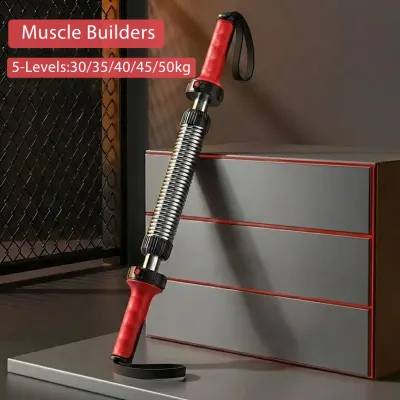
![[SG InStock]Adjustable Arm Trainer Detachable Chest Training Twister Home Workout Equipment Upper Body Strength Training](https://img.lazcdn.com/g/p/27c364f1b12b9c4520778d4f0385ed32.png_400x400q80.png_.webp)
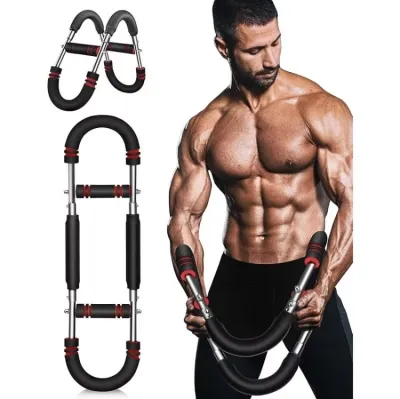
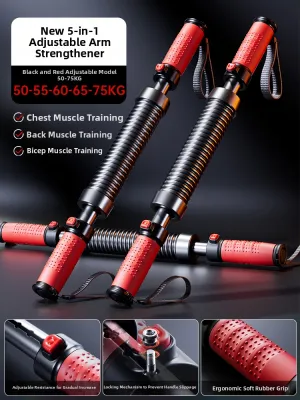
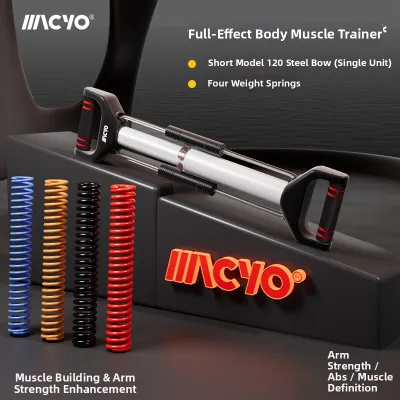
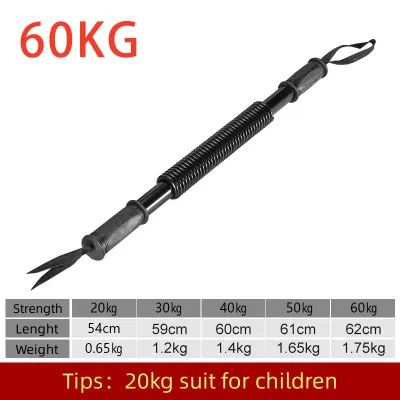
Prices are valid at publication and may change. Please refer to the product page for the latest price.
Consider whether your workout space is a dedicated corner or a multi-use zone, such as a living room that must be cleared for daily activities. If you must stow your equipment after every session, measure your storage closets, under-bed clearances, and door widths to ensure the machine can transition smoothly between use and storage. Heavy or awkward equipment that is difficult to move often ends up gathering dust.
Finally, evaluate your walls and structural elements. HDB flats feature a mix of structural concrete walls, precast lightweight concrete panels, and occasional drywall partitions. Drilling into structural walls requires appropriate tools and compliance with estate guidelines, while mounting heavy equipment on non-structural partition walls poses severe safety risks. Understanding your flat’s layout and wall composition is the first step toward a safe setup.
Categories of Compact Arm Training Equipment
Freestanding compact stations, such as mini power towers or dedicated dip stands, offer excellent stability for bodyweight and resistance-assisted arm exercises. When evaluating these, pay close attention to the base-to-height ratio. A wider base provides better stability during dynamic movements but demands more permanent floor space, so look for models that strike a balance or feature detachable stabilizing feet.

Wall-mounted or door-anchored cable and pulley systems are highly efficient for vertical space utilization. These systems use high-strength cables and pulleys attached to a wall bracket or strapped to a sturdy door frame, allowing you to perform bicep curls, tricep pushdowns, and shoulder presses using minimal horizontal space. They allow you to utilize the vertical plane of your flat, leaving your floor completely clear when the workout is finished.
Adjustable resistance setups, including heavy-duty resistance bands and compact hydraulic arm machines, offer a lightweight alternative to traditional iron weight stacks. These systems allow you to adjust the tension or resistance level electronically or mechanically, eliminating the need to store multiple pairs of heavy dumbbells or bulky weight plates. They are highly portable and can be tucked away in a drawer or small cabinet.
Foldable or collapsible designs are engineered specifically for small-space living, allowing you to fold the frame flat against a wall or slide it under a bed. However, there is often a direct trade-off between portability and structural rigidity. Lighter, highly foldable machines may flex or wobble more under heavy loads compared to their solid, non-folding counterparts, so it is vital to check the locking mechanisms and frame materials before buying.
Critical Selection Criteria for Small Spaces
When selecting an arm machine, structural stability and weight capacity must be your primary safety considerations. Check the manufacturer’s specified maximum user weight and load limits, ensuring the frame can comfortably support your body weight and the dynamic forces generated during intense workouts. A machine that feels sturdy when static can behave very differently under the momentum of a rapid movement.
Noise and vibration transfer are major concerns when exercising in close proximity to neighbors in an HDB block. Cable systems with plastic pulleys or poorly lubricated tracks can squeak loudly, while dropping weights or letting tension bands snap back can send vibrations through the concrete floor slab. Choosing machines with smooth nylon pulleys, quiet magnetic resistance, or hydraulic dampening can help maintain neighborly harmony.
To mitigate noise and protect your home, invest in high-quality floor protection. A thick, high-density rubber or EVA foam mat is essential for distributing the machine’s weight evenly and absorbing the impact of dropped accessories or structural vibrations. This simple addition prevents permanent indentations on your flooring and dampens the sound of your workouts.
Be realistic about the daily stowing effort required for your chosen machine. If a piece of equipment is heavy, awkward to fold, or requires complex disassembly, you are far less likely to use it consistently. Look for units with built-in transport wheels, simple locking pin mechanisms, and lightweight frames that do not require a second person to help move them.
Installation Limits and Safety Boundaries
Understanding the difference between permanent wall-mounted installations and non-invasive, freestanding, or tension-mounted alternatives is crucial for safety and tenancy compliance. Permanent mounts offer the highest stability but require drilling deep into concrete, which may not be permitted in rental units or certain structural columns. Freestanding or tension-mounted options provide a damage-free alternative but must be checked regularly for slippage.
If you choose a wall-mounted pulley system, you must verify the load-bearing capacity of the specific wall. Structural concrete walls can easily support heavy dynamic loads when paired with the correct masonry anchors, whereas lightweight precast panels or drywalls can fail catastrophically under the shearing force of a pulling motion. Never mount heavy fitness gear to a wall without confirming its material composition.
Establish clear stopping conditions during installation to prevent accidents. If you encounter unexpected resistance while drilling, if the wall material crumbles, or if you cannot identify the underlying wall structure, halt the installation immediately. It is far better to pause and reassess than to compromise the structural integrity of your home or risk a mount pulling loose during a workout.
When in doubt about the structural integrity of your walls or the safety of a heavy mount, always consult a qualified professional installer or check the building management guidelines. Professional installers have the tools and expertise to identify wall types and select the correct anchors, ensuring your equipment remains securely fastened even under maximum load.
Common Space-Matching Mistakes to Avoid
One of the most common errors is failing to account for dynamic movement clearance. An arm machine might fit perfectly in a corner when static, but once you extend your arms fully sideways for lateral raises or overhead for tricep extensions, you may find yourself hitting walls, furniture, or light fixtures. Always measure your reach and add a safety buffer around the machine’s footprint.
Overlooking ceiling height restrictions can render overhead attachments unusable. Always calculate the combined height of the machine, the pulley attachment, and your own reach to ensure you do not strike the ceiling during high-intensity movements. This is especially important if you plan to perform pull-ups or overhead presses where your hands or head must clear the top of the frame.
Do not assume that because a piece of equipment is labeled “foldable,” it is lightweight or easy to manage. Some foldable arm machines still weigh over thirty kilograms and can be highly awkward to maneuver around tight corners or narrow HDB hallways. Always check the physical weight of the product, not just its folded dimensions, before making a purchase.
Lastly, remember to account for the storage volume of accessories. While the machine itself might be compact, a collection of removable weight plates, cable attachments, handles, and resistance bands can quickly clutter your living space. Plan for a dedicated storage bin or rack to keep your workout area organized, safe, and free of tripping hazards.
Frequently Asked Questions (FAQ)
Can I use a door-mounted arm machine on hollow core doors?
No, you should avoid mounting high-tension or heavy arm training equipment on standard hollow core doors. Hollow core doors are constructed with a thin outer veneer over a cardboard honeycomb interior, making them highly susceptible to puncturing, cracking, or warping under localized pressure. Using these doors for anchoring can also pull the door out of alignment, damage the hinges, or crack the wooden door frame. For a safer workout, look for solid wood doors, or utilize alternative anchoring methods such as heavy-duty strap systems wrapped around structural pillars or freestanding frames.
How do I protect vinyl or laminate flooring from heavy compact machines?
Protecting sensitive vinyl or laminate flooring requires a combination of high-density protective barriers and proper weight distribution. Place a heavy-duty, non-slip rubber mat or interlocking EVA foam tiles directly beneath the machine to absorb vibrations and prevent scratches. Ensure the mat is thick enough—typically at least six to eight millimeters—to cushion the floor against concentrated pressure points from the machine’s feet. Always check your flooring manufacturer’s guidelines, as some vinyl floors can discolor when in direct contact with certain types of synthetic rubber mats over extended periods.
Community discussion
Share your experience or ask a question. Comments are reviewed before publication.