
Storing a bicycle in a compact Singapore home, such as a typical HDB flat or apartment, requires balancing floor space, accessibility, and structural safety. The most space-efficient bike storage racks utilize vertical space or non-drilling tension systems to keep walkways clear while protecting your walls and your bicycle. Choosing the right setup depends on your home’s layout, wall construction, and how often you ride along the Park Connector Network (PCN) or commute to work.
Assess Your Space and Installation Constraints
Before purchasing any storage system, you must carefully evaluate your home’s physical layout and structural limitations. Begin by measuring the exact dimensions of your designated storage area, taking into account door swings, narrow walkways, and ceiling heights. A bicycle stored in a high-traffic corridor can easily become a tripping hazard or block emergency exit routes, which is a critical safety concern in compact apartment layouts. You must ensure that there is sufficient clearance for household members to walk past the bike without brushing against dirty chains or protruding pedals.
The material of your walls dictates what kind of rack you can safely install. Most HDB flats feature solid concrete walls, which are excellent for load-bearing installations but require a hammer drill and masonry bits to penetrate. Conversely, some internal partition walls or false walls in newer developments are made of drywall or light plasterboard. These hollow structures cannot support the weight of a hanging bicycle without specialized heavy-duty anchors, and mounting a rack directly onto them without finding a structural stud can lead to wall damage and falling equipment.
Products mentioned in this guide
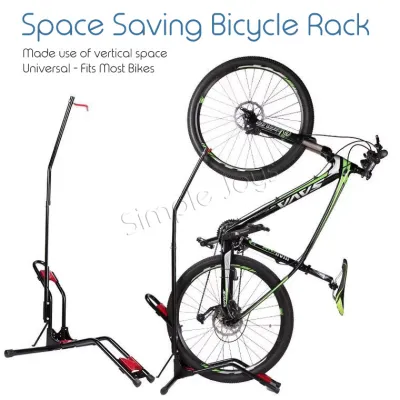
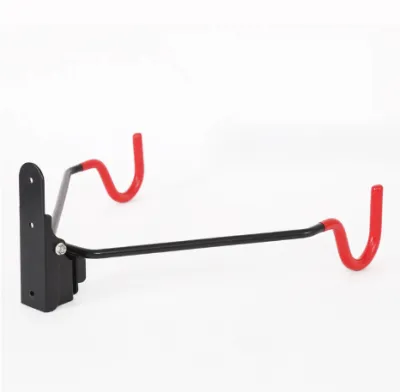
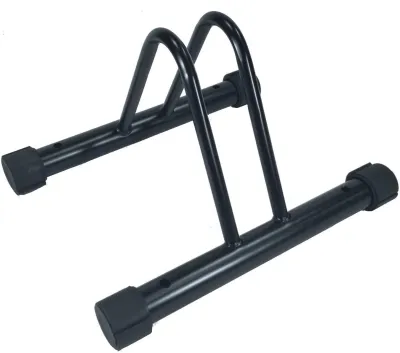
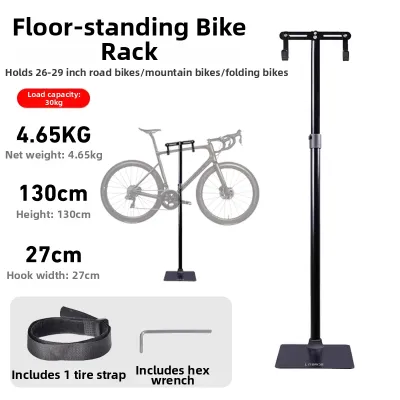
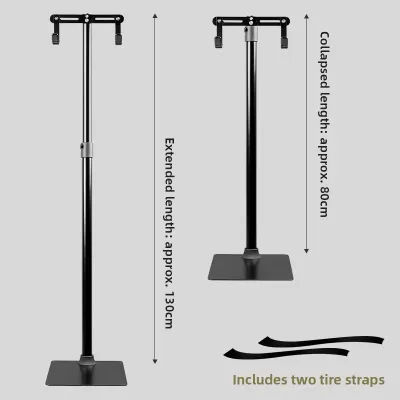
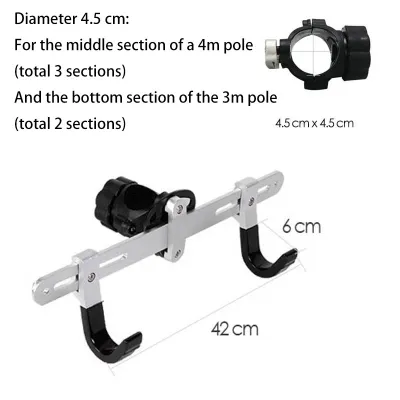
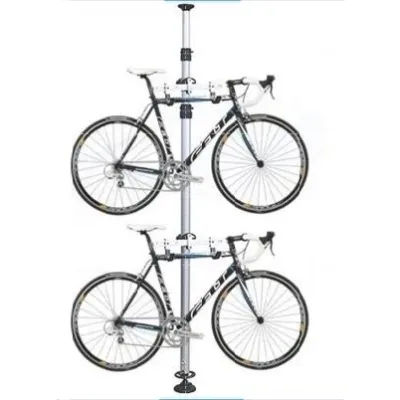
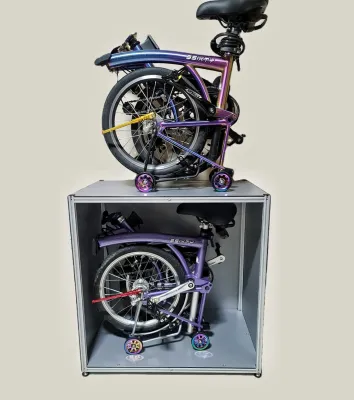
Prices are valid at publication and may change. Please refer to the product page for the latest price.
Furthermore, you must review your tenancy agreement or condominium management rules before drilling any holes. If you are renting your apartment, your landlord may prohibit drilling into concrete walls or structural columns. Even if you own the property, drilling into certain structural elements, such as the reinforced concrete walls of an HDB household shelter (bomb shelter), is strictly regulated or prohibited to maintain the structural integrity of the shelter. Identifying these boundaries early prevents costly repair fees and potential safety violations.
Match the Rack Type to Your Layout and Riding Frequency
Selecting the ideal storage mechanism requires matching the physical design of the rack to your weekly riding habits and the specific layout of your room. If you use your bicycle daily for commuting, a rack that requires heavy lifting or complex securing mechanisms will quickly become a daily frustration. For occasional weekend riders, maximizing floor space takes priority, making higher or more tucked-away storage options highly practical.

Wall-Mounted and Foldable Racks
Wall-mounted racks are highly effective for narrow corridors, entryways, or balconies where floor space is at a premium. By elevating the bicycle off the ground, you can utilize the empty wall space above low-profile furniture or shoe cabinets. Many modern wall mounts feature foldable arms that retract flush against the wall when the bike is out on a ride, reclaiming valuable walkway space and preventing accidental bumps.
When planning a wall-mounted setup, you must verify the required clearance for your bicycle’s handlebars and pedals. Wide handlebars on mountain bikes can protrude significantly, forcing the bike to sit at an angle or requiring a rack with an adjustable wall distance. Additionally, you should measure the distance from the wall to ensure that dirty tires do not scuff your paintwork, or plan to install protective plastic backing sheets on the wall where the tires make contact.
Ceiling Hoists and Overhead Racks
Ceiling hoists and overhead racks utilize the absolute highest points of your apartment, making them excellent for long-term storage of seasonal or weekend-use bicycles. These systems typically use a pulley mechanism to lift the bicycle up to the ceiling, keeping the entire floor area completely clear. This setup is particularly useful in apartments with high ceilings or dedicated utility rooms where vertical space is otherwise wasted.
However, overhead storage requires careful verification of your ceiling’s structural integrity. You must locate solid concrete or structural joists to anchor the pulley brackets securely; mounting a hoist directly into a suspended false ceiling will result in structural failure. You should also assess the quality of the pulley system, checking the rope durability and the reliability of the automatic locking mechanism that prevents the bike from slipping during hoisting. Note that overhead lifting is generally not recommended for heavy electric bicycles (e-bikes) or power-assisted bicycles (PABs) due to the extreme physical effort required and the risk of exceeding the hoist’s safe working load.
Freestanding and Tension Pole Racks
For renters or those who prefer not to drill into their walls, freestanding racks and vertical tension poles offer highly stable, non-invasive storage solutions. Tension poles operate by applying vertical pressure between the floor and the ceiling, allowing you to stack up to two bicycles vertically without a single screw. These systems are highly modular and can be moved easily if you decide to rearrange your living room or move to a new apartment.
Before installing a tension pole, you must verify that both your floor and ceiling are solid and stable. Avoid placing tension poles under suspended plaster false ceilings, as the upward pressure can easily crack or cave in the ceiling panels. If you opt for a freestanding floor rack instead, ensure the base footprint is wide enough to prevent tipping when loading or unloading your bike. Look for models with wide, rubberized feet that grip the floor securely and prevent the rack from sliding on smooth tiles.
Check Weight Capacity and Bike Compatibility
A storage rack is only as safe as its compatibility with your specific bicycle. You must read the manufacturer’s maximum weight limit on the product label or instruction manual before installation. Never assume a rack can support your bike based on its appearance; heavy commuter bikes, steel-framed utility bikes, and e-bikes require heavy-duty storage solutions that are explicitly rated for their weight.
Beyond weight, you must match the rack’s holding mechanism to your bicycle’s physical dimensions. Standard road bike tires fit easily into narrow wheel slots, but wider mountain bike tires or fat-bike tires require wider cradles or hooks. If your bicycle has full-coverage mudguards or fenders, a hook that hangs the bike by the wheel rim may press against the fender, causing bends or cracks. Frame geometry also plays a major role; step-through frames or full-suspension mountain bikes with non-traditional top tubes may require a frame adapter bar to sit level on a dual-arm wall mount.
Finally, identify potential contact points where the rack meets your bicycle. Metal-on-metal contact can quickly scratch your frame’s paintwork or damage delicate carbon fiber tubes. Choose racks that feature thick rubber, silicone, or foam padding on all contact cradles and hooks. If your chosen rack lacks adequate padding, you should plan to wrap the contact points with protective tape or add aftermarket foam sleeves to safeguard your bicycle’s finish.
Installation Safety and HDB/Condo Guidelines
Ensuring a safe installation requires using the correct hardware and adhering strictly to local housing guidelines. When mounting a rack to a solid concrete wall, always use high-quality masonry wall plugs or expansion anchors that match the screw size recommended by the manufacturer. Standard plastic plugs designed for lightweight picture frames are entirely inadequate for supporting the dynamic load of a bicycle being lifted on and off a wall.
Avoid mounting heavy loads on hollow partition walls or drywall unless you have verified the location of the internal metal or wooden studs. If you must mount to drywall, use heavy-duty toggle bolts or hollow-wall anchors, and distribute the weight across multiple studs if possible. If you are unsure about the load-bearing capacity of your walls or the location of structural elements, consult a qualified professional installer to assess the site.
Before you begin drilling, consult your condo management office or review HDB guidelines regarding structural modifications. Be aware of concealed utility lines; drilling into a hidden water pipe or electrical conduit can cause severe damage and personal injury. Use a reliable stud finder with wire-detection capabilities to scan the wall before making any holes. If you encounter unexpected resistance, hear unusual sounds, or suspect the presence of hidden utilities while drilling, stop the installation immediately and seek professional assistance.
Frequently Asked Questions (FAQ)
Can I install a bike rack without drilling holes?
Yes, you can safely store your bicycle without drilling by using vertical tension pole racks or freestanding floor stands. Tension poles rely on floor-to-ceiling pressure to remain stable, making them ideal for renters who want to utilize vertical space without damaging the walls. Freestanding racks rest directly on the floor and can hold one or more bikes, though they require a slightly larger floor footprint. You should never rely on adhesive hooks, standard suction cups, or command strips to hang a bicycle, as these temporary fasteners cannot support the weight and present a severe fall risk.
Will a wall-mounted rack damage my bicycle wheels?
Hanging a bicycle vertically by its front or rear wheel is generally safe for standard aluminum and robust alloy rims, as the hook distributes the weight evenly across the rim profile. However, if you ride a high-performance bicycle with deep-section carbon rims or lightweight aero wheels, you should check the wheel manufacturer’s guidelines before using a wheel-hanging hook. For these specialized setups, or for heavy e-bikes, a rack that supports the bicycle by the frame or tires is highly recommended to prevent localized stress on delicate carbon structures.
Community discussion
Share your experience or ask a question. Comments are reviewed before publication.