
Selecting the right 2 kg dumbbell for a Singapore HDB flat requires balancing fitness utility with the realities of compact high-rise living. Unlike dedicated commercial gyms, home workouts in a typical flat demand equipment that respects limited floor space, protects delicate vinyl or ceramic tile flooring, and keeps noise to an absolute minimum to maintain good relations with downstairs neighbors. A pair of 2 kg dumbbells serves as an excellent entry point or accessory tool for various low-impact, high-repetition exercise routines, but finding the ideal set involves looking closely at shape, material coating, and storage compatibility.
Modern HDB layouts, especially in newer Build-To-Order (BTO) flats, prioritize efficient space utilization. This means that setting up a dedicated workout area often requires temporary arrangements in the living room or bedroom. Consequently, any fitness equipment you introduce must be easy to deploy, quick to pack away, and highly unobtrusive. A 2 kg dumbbell might seem simple, but its design, material composition, and storage footprint can significantly influence your daily workout experience and the harmony of your household.
Is 2 kg the Right Weight for Your Workout Goals?
Before investing in a pair of 2 kg dumbbells, it is essential to verify whether this specific weight aligns with your personal fitness objectives. A 2 kg load is highly versatile, but it is tailored for specific types of training rather than general strength building. Understanding these distinctions will help you determine if this weight is the right starting point for your home gym.
Products mentioned in this guide
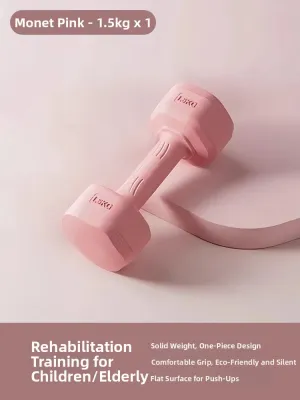
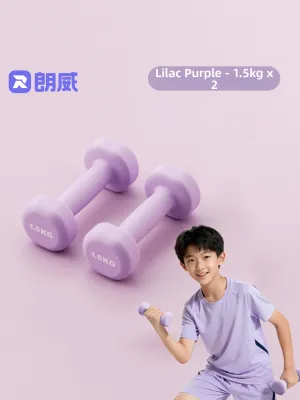
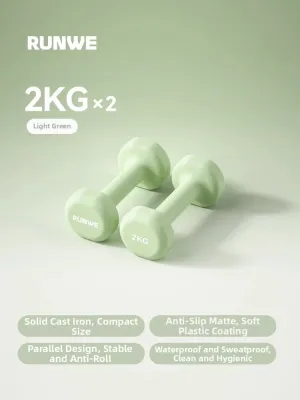
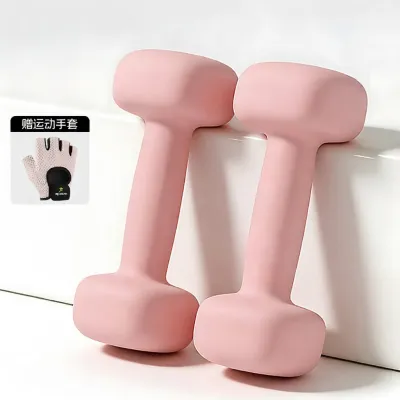
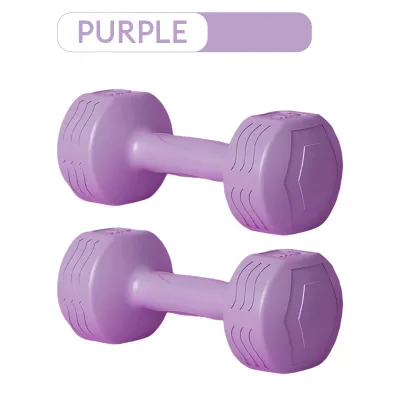
![[SG Ready Stock] Fitness Dumbbells Home Strength Training 1Kg/2Kg/3Kg Rubber dumbbells for girls](https://img.lazcdn.com/g/p/923f27057110e9aadae3d93d3c8f3495.jpg_400x400q80.jpg_.webp)

Prices are valid at publication and may change. Please refer to the product page for the latest price.
A 2 kg dumbbell is exceptionally well-suited for high-repetition endurance training, cardiovascular conditioning, and specialized movement practices. If your routine includes Pilates, barre, shadow boxing, or high-intensity interval training (HIIT), a 2 kg resistance adds just enough load to challenge your muscles without compromising your speed or form. It is also an ideal weight for physical therapy, shoulder rehabilitation, and targeting smaller stabilizer muscles like the rotator cuff or the posterior deltoids, where heavy loads can easily lead to injury.
However, if your primary goal is to build significant muscle mass (hypertrophy) or dramatically increase your overall strength, a fixed 2 kg dumbbell has clear limitations. Larger muscle groups, such as the glutes, hamstrings, chest, and back, require much heavier loads to stimulate muscle fiber growth. Progressive overload—the systematic increase of resistance over time—is difficult to achieve when you are limited to a single, lightweight pair of dumbbells. Once your body adapts to the 2 kg resistance, your strength gains will plateau, and you will primarily be training muscular endurance rather than strength.
To make a smart long-term decision, assess your current fitness level and future goals. If you anticipate needing heavier resistance as you progress, you might want to consider adjustable dumbbell systems that allow you to increase the weight in small increments. Alternatively, you can pair your fixed 2 kg dumbbells with a set of fabric resistance bands. This combination offers a highly space-efficient and cost-effective way to scale your workouts without cluttering your home with multiple sets of heavy iron weights.
Choosing the Right Shape and Design for Compact Spaces
The physical shape and design of a dumbbell are critical factors when working out in a confined space. In a typical HDB flat, where the workout zone might be a narrow strip of floor between the sofa and the television console, the physical behavior of your equipment matters immensely.

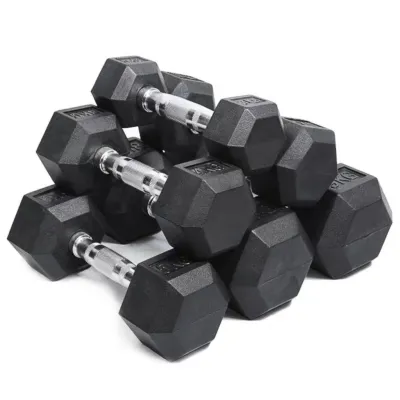
The choice between hexagonal and round dumbbells is particularly relevant for home users. Hexagonal dumbbells feature flat, multi-sided edges that prevent them from rolling when placed on the floor. This anti-roll design is a major safety advantage in small rooms. If you need to set your weights down quickly to transition to another exercise, you can rest assured they will stay exactly where you placed them, rather than rolling into a glass cabinet, denting a baseboard, or creating a tripping hazard. Round dumbbells, while offering a classic aesthetic and smooth rotation during certain exercises, require a dedicated rack or storage cradle to keep them stationary, which adds to the overall footprint of your setup.
Handle design and grip quality are equally important, especially in Singapore’s warm and humid climate. When exercising without air conditioning, sweat can quickly make dumbbell handles slippery, increasing the risk of dropping them. Look for dumbbells with contoured handles that mimic the natural shape of your closed fist, as this reduces hand fatigue. For metal handles, a textured pattern known as knurling provides excellent mechanical grip. If you prefer fully coated dumbbells, ensure the handle area has a textured, matte finish rather than a smooth, glossy one, which can become incredibly slick when wet.
Finally, consider the stackability of the dumbbells. Flat-ended designs allow you to stand the dumbbells vertically on their ends or stack them neatly on top of one another on a shelf or inside a cabinet. This vertical storage capability dramatically reduces the horizontal space required to store your gear, allowing you to keep your living area tidy and organized when your workout is complete.
Material and Coating: Protecting HDB Floors and Reducing Noise
The outer material of your dumbbells plays a vital role in protecting your home’s flooring and keeping your workouts quiet enough to avoid disturbing your family members or downstairs neighbors. HDB flats commonly feature ceramic tiles, vinyl flooring, or polished parquet, all of which require protection from heavy, hard objects.
Neoprene and silicone coatings are among the most popular choices for lightweight home dumbbells. These synthetic materials provide a soft, slightly cushioned exterior that acts as a barrier between the heavy inner core of the dumbbell and your floor. If you accidentally set a neoprene-coated dumbbell down a bit too hard, the soft coating absorbs the impact, preventing scratches on vinyl or cracks in ceramic tiles. Additionally, neoprene offers a comfortable, warm grip and dampens the clattering noise when the dumbbells touch. However, budget neoprene can sometimes emit a strong chemical odor when new, and the coating can wear away or peel if dragged across rough surfaces.
Polyurethane (PU) and rubber coatings are excellent alternatives known for their extreme durability. PU is a premium material that does not tear, fade, or degrade easily when exposed to sweat and cleaning agents. It is virtually odorless and highly shock-absorbent. Rubber-coated dumbbells are also highly durable and offer great floor protection, but they are notorious for releasing a strong, distinct rubber smell that can linger in small, enclosed bedrooms. If you opt for rubber, look for products specified as low-odor or made from virgin rubber to avoid this unpleasant issue.
Bare cast iron or chrome-plated dumbbells are highly compact because metal is incredibly dense, allowing a 2 kg weight to be much smaller than its coated counterparts. While this makes them easy to store, bare metal is the least forgiving material for home use. Dropping a metal dumbbell can easily chip ceramic tiles or leave deep dents in wood and vinyl. Furthermore, the metal-on-metal clanging can be highly disruptive in a quiet high-rise building. If you choose bare metal, you must perform your workouts on a thick, high-density exercise mat or a dedicated rubber tile to absorb the impact and muffle the sound.
Practical Storage Solutions for Small Flats
One of the biggest challenges of home fitness is finding a place to store your equipment so that it does not take over your living space. In a small HDB flat, creative storage solutions are essential to maintaining a clean, clutter-free home environment.
Under-bed and under-sofa storage is an excellent way to utilize otherwise wasted space. Because 2 kg dumbbells are relatively compact, they can easily slide under most standard bed frames or raised sofas. To keep them organized and prevent them from rolling around or collecting dust, place them inside a shallow, fabric-lined storage bin or a low-profile plastic tray. This keeps your workout gear completely out of sight during the day while ensuring it remains easily accessible when it is time to train.
If you prefer to keep your floor completely clear, consider utilizing vertical wall space. Heavy-duty pegboards or small, wall-mounted dumbbell cradles can hold a pair of 2 kg dumbbells securely. However, before drilling into your HDB walls, it is crucial to understand the structural guidelines. Avoid drilling near electrical conduits, switches, or water pipes. Always use high-quality wall anchors and screws that are rated for the total weight of the rack and the dumbbells. Solid concrete walls, such as those found in structural columns or household shelters, are ideal for load-bearing installations, whereas lightweight drywall partitions require careful stud-finding and specialized hollow-wall anchors.
Multi-functional furniture integration is another clever strategy for compact homes. Storage ottomans, hollow footstools, or deep bedside drawers can discreetly house your dumbbells when they are not in use. This approach eliminates the need for dedicated fitness racks, preserving the aesthetic of your home while keeping your workout tools within arm’s reach.
Pre-Purchase Checklist for Online Shopping
Buying fitness equipment from online marketplaces is highly convenient, but it requires careful verification to ensure you receive a product that meets your expectations. Use this checklist before making a purchase to avoid common pitfalls.
First, verify the exact weight tolerance and physical dimensions of the dumbbells. Budget-friendly options can sometimes have a weight variance of up to ten percent, meaning your 2 kg dumbbell could actually weigh significantly more or less. Check the manufacturer’s specifications for the handle length and diameter to ensure they will fit comfortably in your hands.
Second, review the seller’s return and exchange policies. This is particularly important for coated dumbbells, which can occasionally arrive with manufacturing defects such as peeling neoprene, cracked silicone, or an overwhelming chemical odor. A reliable seller should offer a clear return window for defective items.
Third, read user reviews specifically focusing on how the materials perform in humid tropical climates. Look for feedback regarding whether the inner metal core rusts underneath the coating, or if the outer material becomes sticky or degrades over time when exposed to sweat and humidity. This step is crucial for ensuring the long-term durability of your investment.
Frequently Asked Questions (FAQ)
Can I build significant muscle mass using only 2 kg dumbbells?
Building significant muscle mass, or hypertrophy, requires progressive overload, which typically involves gradually increasing the weight load over time. While 2 kg dumbbells are excellent for muscular endurance, toning, and high-repetition conditioning, they are generally too light to stimulate substantial muscle growth in major muscle groups like your legs, back, or chest. To build significant muscle, you will eventually need to transition to heavier weights, adjustable dumbbells, or high-resistance bands that challenge your muscles within a lower repetition range (typically 6 to 12 repetitions per set).
How do I clean and maintain coated dumbbells in a humid climate?
To prevent material degradation and maintain hygiene in Singapore’s humid climate, wipe down your dumbbells with a clean, damp microfiber cloth after every workout to remove sweat and skin oils. Avoid using harsh chemical cleaners, bleach, or alcohol-based sprays, as these can break down neoprene, rubber, or silicone coatings over time, causing them to become sticky or brittle. Allow the dumbbells to air dry completely in a well-ventilated area away from direct sunlight before storing them in enclosed spaces like drawers or under-bed bins.
Community discussion
Share your experience or ask a question. Comments are reviewed before publication.