
When setting up a home fitness routine in a Singapore HDB flat, space is almost always the primary constraint. While heavy strength training setups require dedicated floor space and heavy-duty flooring protection, a pair of 2kg dumbbells offers a highly versatile, compact entry point for cardiovascular conditioning, physical therapy, high-repetition endurance training, and core workouts. However, choosing the right set involves more than simply picking the first option available online.
In a high-density housing environment, your equipment must be quiet, stable, easy to store, and gentle on your floors. The ideal 2kg dumbbell set should fit seamlessly into your living space without cluttering your home or disturbing your neighbors downstairs. By focusing on specific design features, material compositions, and smart storage strategies, you can build an effective home workout setup that respects the boundaries of compact apartment living.
Core Selection Criteria for Compact Home Workouts
Selecting fitness equipment for a small apartment requires a shift in perspective from commercial gym standards to residential practicality. The physical footprint of your dumbbells dictates where they can be stored and how easily they can be accessed. A bulky, awkwardly shaped set will often end up left in a corner, creating a tripping hazard and visual clutter, whereas a streamlined, stackable set can be tucked away in drawer spaces or small storage bins.
Products mentioned in this guide
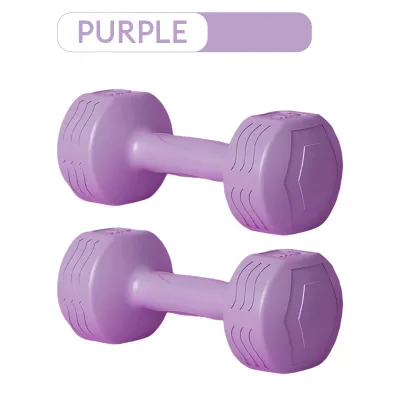
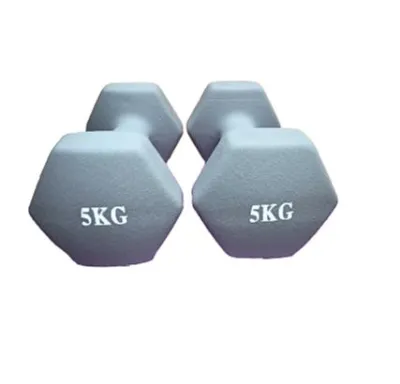
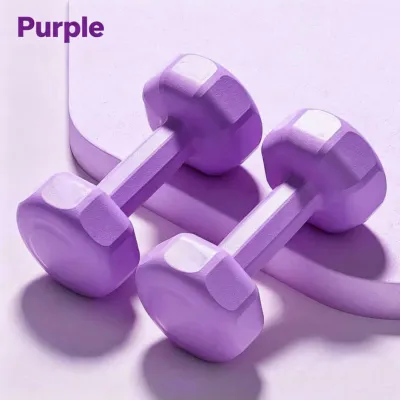
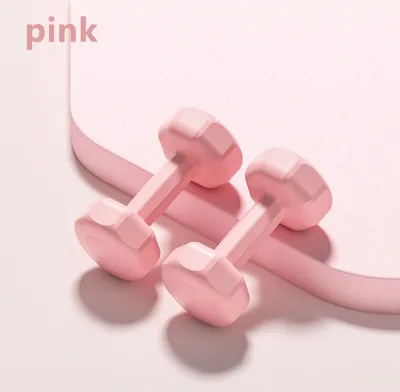
![[SG in Stock]Dumbbell for Weight Strength Training Neoprene Dumbell Set 1kg 2kg 3kg Suitable For Home And Gym Exercise](https://img.lazcdn.com/g/p/46546286cec6d36a3ef083b2e9c920f8.jpg_400x400q80.jpg_.webp)
Prices are valid at publication and may change. Please refer to the product page for the latest price.
Shape plays a critical role in both safety and storage efficiency. Round dumbbells are prone to rolling when placed on slightly uneven floor surfaces or when stored on flat shelves. In a compact HDB flat where multi-functional spaces are common, a rolling dumbbell can easily damage baseboards, scuff furniture, or cause accidents. Opting for flat-sided geometries, such as hexagonal or square ends, ensures the weights remain exactly where you place them between sets.
Grip ergonomics are equally vital for light-weight, high-repetition exercises. Because 2kg dumbbells are frequently used for high-volume movements like lateral raises, shadowboxing, or barre-style workouts, the handle diameter must accommodate comfortable, prolonged gripping. A handle that is too thick can cause premature forearm fatigue, while one that is too thin or lacks texture can slip when your hands become sweaty. Standardizing on a handle diameter of approximately 25mm to 28mm generally provides the most secure grip for a wide range of hand sizes.
Noise reduction is another non-negotiable factor when living in close proximity to neighbors. The concrete structural slabs of HDB blocks are highly efficient at transmitting impact noise and vibrations. Dropping even a light 2kg metal dumbbell can produce a sharp, echoing clatter that travels easily through floors and walls. Your selection process must prioritize materials and coatings that dampen sound and absorb minor impacts, ensuring your early morning or late-night workouts do not disrupt those living around you.
Comparing 2kg Dumbbell Types for Small Spaces
Fixed Hexagonal Dumbbells
Fixed hexagonal dumbbells are widely considered the benchmark for home workouts due to their stability and simplicity. The flat edges of the hexagonal heads prevent the weights from rolling across the floor, making them exceptionally safe for quick transitions during circuit training. This flat-sided design also allows you to stack the dumbbells vertically in a closet or on a shelf, maximizing vertical space. Furthermore, the flat surfaces provide a stable base if you use the dumbbells as handles for floor exercises like push-ups or planks, provided you verify the stability of the floor surface first.

Fixed Round Dumbbells
While classic round dumbbells are common in commercial gyms, they present distinct challenges in a small home environment. Without a dedicated rack featuring molded cradles, round weights will roll freely at the slightest nudge. This rolling hazard makes them difficult to store on standard bookshelves or under-bed trays. If you prefer the aesthetic of round dumbbells, you will need to budget both money and floor space for a specialized storage stand to keep them secure, which may not be practical in a highly constrained room layout.
Adjustable Dumbbell Systems
Adjustable dumbbells are often marketed as the ultimate space-saving solution because they combine multiple weight increments into a single pair. However, for light-weight training, standard adjustable systems have significant drawbacks. Most dial-based or selectorized adjustable dumbbells have a high starting weight, often beginning at 2.3kg or 4.5kg, making them too heavy for those specifically seeking a 2kg load. Additionally, the mechanical frames of adjustable models are physically bulky and long, which can interfere with the tight, rapid movements typical of light-weight cardio-sculpting workouts.
Soft and Sand-Filled Alternatives
Soft-shell dumbbells, sandbags, or water-filled weights offer a highly portable alternative to traditional solid iron. These options are incredibly gentle on floors and virtually silent when set down. However, they suffer from shifting centers of gravity. As the sand or water moves inside the casing during an exercise, the balance of the weight changes constantly, which can place unexpected strain on your wrists and stabilizing muscles. Over time, these soft materials are also susceptible to punctures, tears, and slow leaks, which can ruin laminate or parquet flooring.
Material, Coating, and Apartment Floor Protection
Neoprene Coatings
Neoprene is a synthetic rubber that provides a soft, matte, textured finish over a solid cast-iron core. It is highly favored for home use because it offers an excellent grip that does not become slippery when wet with sweat. The slightly cushioned exterior of neoprene helps protect delicate flooring from minor scratches and significantly dampens the sound of placing the weights on the floor. Neoprene is also resistant to cracking and peeling, making it a highly durable choice for long-term residential use.
Vinyl and Silicone Coatings
Vinyl and silicone coatings offer a smooth, non-porous exterior that is exceptionally easy to wipe clean and sanitize after a sweaty workout. These materials often come in a wide variety of colors, allowing you to match your equipment to your home decor. However, smooth vinyl can become quite slick when exposed to moisture, requiring a tighter grip to maintain control. Additionally, budget-grade vinyl coatings are prone to splitting or peeling along the manufacturing seams if they are knocked against other hard surfaces.
Rubber and Polyurethane Coatings
Rubber-coated dumbbells provide excellent shock absorption and durability, making them highly effective at protecting floors from impact. However, cheap virgin rubber often emits a strong, pungent chemical odor that can easily overwhelm a small, enclosed HDB bedroom or study. If you choose rubber, look for high-quality, low-odor options or polyurethane, which is completely odorless and highly resistant to wear, though it typically comes at a higher price point.
Bare Metal and Chrome
Bare cast iron or chrome-plated dumbbells are classic, durable options, but they are generally poorly suited for small apartments. In Singapore’s humid tropical climate, bare iron is highly susceptible to rust unless it is regularly cleaned and oiled. Chrome finishes can flake over time, creating sharp edges. Furthermore, bare metal offers no impact protection, meaning any accidental drop or hard placement will instantly scratch parquet, dent vinyl flooring, and create a loud, metallic clank.
The Necessity of Floor Mats
Regardless of the dumbbell coating you choose, relying solely on the weight’s exterior to protect your home is a mistake. A dedicated exercise mat made of high-density EVA foam, TPE, or natural rubber is an essential secondary safeguard. A quality mat distributes the localized pressure of the weights, prevents sweat from dripping directly onto your flooring, and provides a non-slip surface for your feet, ensuring a safe and quiet workout environment.
Smart Storage Solutions for Compact Flats
Under-Bed and Low-Profile Storage
One of the most effective ways to keep your home looking tidy is to utilize the dead space beneath your furniture. A pair of 2kg dumbbells can easily slide under a standard bed frame or sofa. To prevent them from gathering dust or rolling around, place them inside a low-profile plastic storage bin or a shallow wooden tray equipped with felt pads on the bottom. This allows you to slide the weights out smoothly when it is time to exercise and tuck them completely out of sight when you are finished.
Vertical Racks and Multi-Tier Stands
If you prefer to keep your weights accessible in a dedicated workout corner, a vertical A-frame rack is the most space-efficient option. These stands hold the dumbbells in a stacked, vertical alignment, minimizing the floor footprint to a fraction of a square meter. When selecting a rack, always verify its structural weight capacity and ensure it is placed on a completely level surface. Even for light weights, a top-heavy or unstable rack can tip over easily if bumped, posing a safety risk in tight spaces.
Aesthetic Integration
For those who prefer a minimalist or Scandinavian home aesthetic, traditional gym racks can look out of place in a living room. You can discreetly integrate your 2kg dumbbells into your home decor by repurposing everyday storage items. A woven seagrass basket, a fabric storage cube on a bookshelf, or a small wooden chest can house your weights, resistance bands, and yoga block. This keeps your fitness gear organized, dust-free, and completely hidden in plain sight.
Building Your Shortlist and Pre-Purchase Checks
Before finalizing your purchase on an ecommerce platform or visiting a local sporting goods store, it is important to run through a quick verification checklist to ensure you receive a high-quality product that meets your expectations.
- Verify Weight Accuracy: Budget-friendly dumbbells can sometimes suffer from poor quality control, resulting in actual weights that differ from the labeled 2kg. Read user reviews to check for complaints regarding weight discrepancies, as unbalanced weights can disrupt your form.
- Check Handle Dimensions: Ensure the handle length and diameter are specified. A handle length of at least 10cm to 12cm is generally required to accommodate a comfortable hand width without pinching your fingers against the weighted ends.
- Calculate Total Costs in S$: When shopping online, the initial listing price of a dumbbell set can be misleading. Because weights are heavy, shipping fees can add a significant premium. Compare the total cost, including delivery, across different local sellers. A quality pair of 2kg neoprene dumbbells typically ranges from S$12 to S$30, depending on the brand and shipping options.
- Inspect Upon Delivery: As soon as your package arrives, inspect the dumbbells thoroughly. Check for any seam splits in the vinyl, peeling edges on the neoprene, or loose internal filling if you opted for soft-shell weights. If you notice any defects, contact the seller immediately to arrange a return or exchange before using the equipment.
Frequently Asked Questions (FAQ)
Are 2kg dumbbells effective for building muscle?
Yes, 2kg dumbbells can be highly effective, but their utility depends entirely on your fitness goals and how you use them. For beginners, those undergoing physical rehabilitation, or individuals focusing on muscular endurance, 2kg provides a safe and manageable level of resistance. Light weights are excellent for targeting smaller stabilizing muscles, such as the rotator cuff, and for high-repetition endurance protocols. However, if your primary goal is significant muscle hypertrophy (growth) or maximal strength, you will eventually need to apply the principle of progressive overload by transitioning to heavier weights once 2kg no longer challenges your muscles near failure.
Can I use water-filled or sand-filled dumbbells as a 2kg alternative?
While water-filled or sand-filled dumbbells are highly portable and easy to pack for travel, they are generally less practical for daily home workouts than solid, coated dumbbells. The primary drawback is the shifting mass inside the casing; as the water or sand sloshes around during movement, it creates an unstable center of gravity that can put awkward strain on your wrists. Additionally, soft-shell alternatives carry a constant risk of leaks, punctures, or seam failures over time. For a permanent home setup in an HDB flat, a solid cast-iron core coated in neoprene or high-quality rubber offers far superior durability, balance, and peace of mind.
Community discussion
Share your experience or ask a question. Comments are reviewed before publication.