
Living in a compact home, such as a typical Singapore HDB flat, requires a highly strategic approach to buying fitness equipment. While staying active is a priority, turning your living room or bedroom into an impassable obstacle course is not an option. Fortunately, you do not need commercial-grade, oversized gym equipment to build core strength. Selecting the right abdominal exercise machine comes down to understanding the physical constraints of your layout, prioritizing collapsible designs, and ensuring you have enough dynamic clearance to exercise safely.
Before making any purchase, it is essential to distinguish between a machine’s static storage footprint and its active operational footprint. Many compact fitness tools can be tucked away under a bed or inside a wardrobe when not in use, but they still require a dedicated clear zone when fully extended. By focusing on versatile, foldable, and low-profile designs, you can maintain a clutter-free home while achieving a highly effective core workout.
Assessing Your Available Space and Clearance Needs
To find a machine that fits your home, start by measuring the exact floor area where you plan to exercise. Use a standard measuring tape to map out the static footprint of the area, keeping in mind that furniture, doorways, and walkways must remain unobstructed. If you plan to exercise in a bedroom, ensure there is enough space to move around the bed frame without bumping into corners.
Products mentioned in this guide
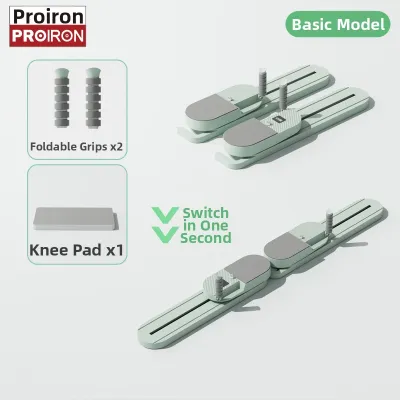
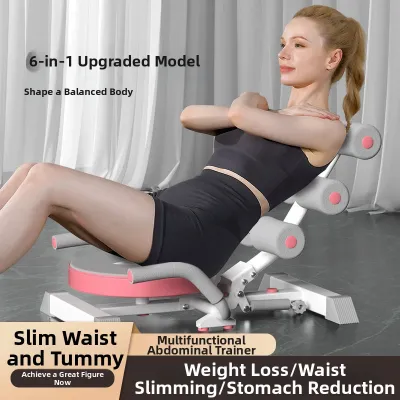
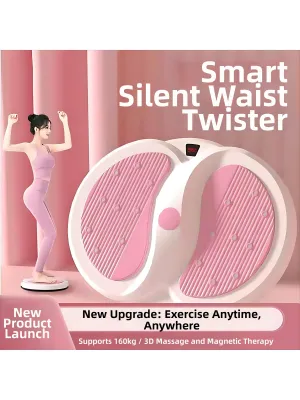

Prices are valid at publication and may change. Please refer to the product page for the latest price.
Vertical height is another critical dimension that is easily overlooked. Some abdominal machines, such as vertical ab coasters or climbing simulators, require you to kneel or stand, elevating your body during the movement. Measure your ceiling height and account for any low-hanging light fixtures, ceiling fans, or air conditioning units to prevent painful overhead collisions during high-energy workouts.
Beyond the physical dimensions of the machine itself, you must calculate the dynamic range of motion required for your exercises. Your body acts as an extension of the equipment; for example, when performing leg raises on a bench or rolling out with an ab wheel, your limbs will extend far beyond the machine’s frame. Ensure you have at least 1 meter of clear space in front of and behind the equipment to accommodate your full body length.
Finally, always reserve a safety margin around your workout zone. In Singapore’s warm and humid climate, adequate ventilation is crucial for indoor workouts, so avoid squeezing your equipment into tight, unventilated corners. Leaving a buffer zone of at least 50 centimeters on all sides also ensures you can perform emergency dismounts safely if you lose balance or experience muscle fatigue.
Types of Abdominal Machines Suited for Compact Layouts
When space is limited, certain equipment designs are naturally superior to others. Foldable or highly portable options should be your first consideration. Advanced ab wheels with wide, rubberized treads offer exceptional stability and can be stored in a small drawer or cabinet. These tools rely entirely on your body weight and require virtually zero storage space, making them ideal for the smallest flats.

For those who prefer guided movement, foldable ab gliders or curved track machines are excellent alternatives. Many of these models feature a frame that collapses flat, allowing you to slide the unit behind a wardrobe, next to a washing machine, or flat against a wall. Look for models with quick-release locking pins that make the folding process fast and effortless.
Adjustable decline benches are another highly versatile option for home gyms. While they have a larger footprint than an ab wheel, a high-quality folding bench can be collapsed to a thickness of under 20 centimeters. This versatility allows you to perform decline crunches, leg raises, and even dumbbell exercises, giving you excellent value for the floor space it occupies.
In contrast, multi-gym stations that feature dedicated abdominal modules are generally impractical for small flats. These units are heavy, non-collapsible, and permanently occupy a large portion of a room. Unless you have a dedicated spare room solely for fitness, avoid single-purpose, commercial-grade machines like heavy Roman chairs or rotary torso machines, which cannot be easily moved or hidden away.
Key Dimensions and Storage Features to Check Before Buying
Before clicking the purchase button on any online marketplace, verify the manufacturer’s stated dimensions against your actual home measurements. Be aware that product listings often display the dimensions of the main frame only, omitting protruding parts like adjustment handles, footrests, or extended weight pegs. Always look for the fully assembled dimensions to get an accurate picture of the space required.
Delivery and access constraints are another practical hurdle to consider. Even if a machine fits perfectly in your bedroom, you must ensure the shipping box can physically pass through your main door, narrow corridors, and bedroom door frames. If you live in a high-rise flat, check if the package dimensions comply with your building’s elevator weight and size limits.
When evaluating foldable equipment, pay close attention to the stability of the folding mechanisms. High-quality machines use heavy-duty steel locking pins or spring-loaded knobs to secure the joints. Avoid models with flimsy plastic clips that can degrade over time. Measure the folded thickness of the machine to ensure it will actually slide under your bed frame or fit inside your utility closet without forcing the doors.
Lastly, factor in the space required for protective accessories. Placing metal gym equipment directly on laminate, vinyl, or tiled floors can cause permanent scratches and structural damage. You will need a high-density shock-absorbing mat to place under the machine. Remember to measure this mat as well, as it will add to the total floor area and must be rolled up and stored when your workout is complete.
Setting Up and Securing Your Equipment Safely
Once your equipment arrives, proper setup is vital to protect both your home and your body. Always assemble the machine on a flat, level surface. If your floor has a slight slope, the machine may wobble during use, which compromises your form and increases the risk of tipping. Using a thick rubber mat not only protects your flooring but also dampens vibration and noise, helping you maintain good relations with your downstairs neighbors.
Before beginning any exercise session, perform a quick safety inspection of the equipment. Physically check that all folding locks, safety pins, and adjustment knobs are fully engaged and tightened. Over time, the vibrations from regular use can loosen bolts and joints; keep a basic wrench handy to tighten any loose hardware as soon as you notice it.
Avoid the temptation to modify your equipment or perform unauthorized wall-mounted installations. Drilling into walls to mount pull-up bars or abdominal stations can be highly risky in high-rise residential buildings, where structural concrete walls or hidden utility conduits must not be damaged. Always consult a qualified professional or check your building’s renovation guidelines before attempting any wall-mounted setups.
Finally, match your exercises to your current fitness level and physical limits. Equipment is a tool to assist your training, but it cannot replace proper technique and core stability. If you feel any sharp pain, joint strain, or instability during a movement, stop immediately and adjust the machine’s settings or simplify the exercise to prevent injury.
Frequently Asked Questions (FAQ)
Can I use an ab machine on a bed or sofa to save space?
No, you should never use mechanical abdominal equipment on a bed, sofa, or any other soft, unstable surface. Mattresses and cushions do not provide the firm, level foundation required for fitness equipment to function safely. Operating a machine on a soft surface can cause it to tilt or collapse, leading to joint strain, spinal misalignment, or physical injury. Always place your equipment on a hard, flat floor protected by a dedicated exercise mat.
Are resistance bands a viable alternative to bulky ab machines?
Yes, resistance bands are an exceptionally space-saving and effective alternative to bulky abdominal machines. Unlike rigid mechanical equipment, bands allow for a highly customizable path of motion and provide progressive resistance, which challenges your core stabilizing muscles throughout the entire movement. When using resistance bands for core training, always perform a safety check on your anchor points. Ensure you use heavy-duty door anchors on securely closed doors, and inspect the bands regularly for any tiny tears or signs of wear to prevent snap-back injuries.
Community discussion
Share your experience or ask a question. Comments are reviewed before publication.