
Finding a tricycle for adults that fits comfortably within a Singapore Housing & Development Board (HDB) flat requires balancing personal mobility needs with strict spatial realities. Standard adult tricycles have a wide rear axle and a long frame, making them difficult to maneuver through narrow corridors, fit into passenger lifts, or store indoors without blocking essential living space. Opting for a compact or foldable adult tricycle allows you to enjoy the stability of a three-wheeled ride while ensuring the vehicle can be stored safely inside your home. By focusing on folding frames, removable components, and precise spatial measurements, you can find a practical mobility solution that respects the layout of your apartment.
Assessing Your HDB Space Constraints Before Buying
Before browsing online marketplaces or visiting local bicycle shops, you must establish the exact physical limits of your home and transit routes. Start by measuring the designated indoor storage area where the tricycle will rest when not in use. Whether you plan to park it in the household shelter, a corner of the service yard, or a spot in the living room, record the maximum available length, width, and height. Remember to account for the extra clearance needed to lift, turn, or fold the frame without scraping your walls or damaging furniture.
Next, trace the exact path you will take from the estate entrance to your front door. Measure the width of your main doorway and any security gates, as these are common bottlenecks for wide-axle three-wheelers. You must also measure the internal dimensions of your HDB estate’s passenger lifts, specifically the door opening width, cabin depth, and cabin width. A tricycle that cannot fit into the lift will require tedious manual carrying up the stairs, which is highly impractical for daily use.
Products mentioned in this guide
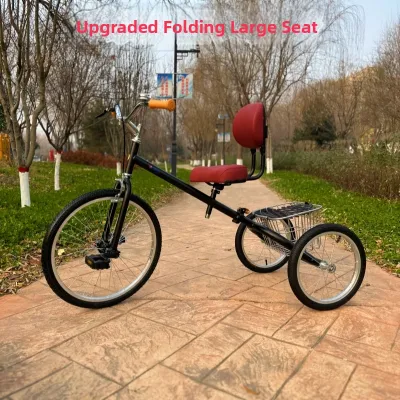
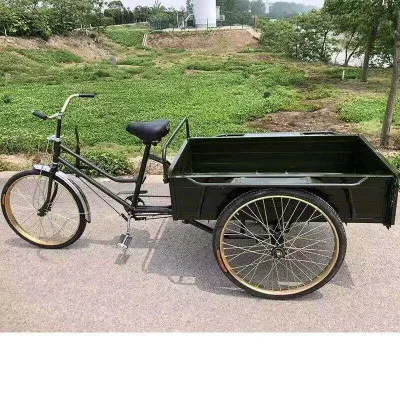
Prices are valid at publication and may change. Please refer to the product page for the latest price.
Finally, consider the maneuvering space required along the common corridor and inside your entryway. Even if a tricycle’s static dimensions fit on paper, you need enough physical clearance to comfortably mount, dismount, and turn the vehicle around. If your floor plan features tight corners or narrow hallways, a model with a smaller turning radius or a quick-folding mechanism becomes a necessity rather than a luxury.
Key Features of Space-Saving Adult Tricycles
When evaluating different models, the design of the frame and its folding mechanism will dictate how easily the tricycle integrates into your living space. Folding tricycles typically feature a central hinge on the main frame, allowing the front wheel to fold back toward the rear axle. You should inspect the locking mechanism of these hinges to ensure they feature secondary safety latches that prevent accidental unfolding during a ride. While folding frames offer excellent space savings, they often carry a slight weight penalty due to the reinforced steel or aluminum hinges.

In contrast, fixed compact frames do not fold but utilize a shorter wheelbase and smaller wheels to minimize their overall footprint. These models offer high structural rigidity and are generally lighter than their folding counterparts, making them easier to lift over door thresholds. However, they cannot match the ultra-compact storage dimensions of a fully folded frame, meaning you must have a dedicated, permanent floor space available in your flat.
To further reduce bulk, look for models with highly adjustable or quick-release components. Handlebars that fold down or twist parallel to the frame can shave valuable centimeters off the tricycle’s width. Removable seats and quick-release rear baskets also make a significant difference, allowing you to strip away protruding parts before parking the vehicle in a tight household shelter or closet.
Matching Tricycle Types to Your Riding and Storage Needs
Selecting the right tricycle style depends heavily on your physical capabilities, intended usage, and storage limits. Upright compact tricycles are the most common choice for neighborhood errands, grocery runs, and casual recreation. They feature a traditional riding position that offers excellent visibility in traffic and a tight turning radius, making them highly maneuverable on narrow HDB estate pathways. Their upright design also means they occupy less horizontal floor space, though they may require more vertical clearance.
Recumbent tricycles, which position the rider in a reclined seat, offer excellent ergonomic support and are ideal for individuals with balance issues or back pain. However, they feature a significantly longer wheelbase and a wider track, which presents major storage challenges in a standard HDB flat. If you choose a recumbent model, you must verify that it features a specialized folding frame designed specifically for vertical storage, or ensure you have a large, unobstructed indoor area to accommodate its length.
Electric-assist compact tricycles provide motorized help when tackling slopes or carrying heavy groceries, but they introduce unique safety and storage considerations. Because these vehicles are stored indoors, you must verify that the battery is fully removable so you can charge it safely at a standard wall outlet without moving the entire tricycle. Always check that the battery and charger carry recognized safety certifications, and never leave a charging battery unattended or blocking your main exit routes.
Indoor Storage and Safe Placement Solutions
Storing your tricycle indoors is the best way to protect it from humidity, rain, and theft, but it requires careful planning to maintain a safe home environment. If you have high ceilings or a sturdy concrete wall in your entryway or household shelter, you might consider vertical storage solutions. Heavy-duty wall hooks or hoist systems can lift the front wheel off the ground, significantly reducing the floor space occupied by the vehicle. Before installing any wall mounts, verify that your wall material can support the full weight of the tricycle and that the mounting hardware is rated for heavy loads.
If vertical mounting is not feasible, designate a clear parking spot on the floor that does not obstruct daily foot traffic. You must strictly avoid placing the tricycle in front of fire doors, main entryways, or narrow hallways where it could block a quick evacuation during an emergency. Keeping the vehicle parked in a dedicated corner also prevents accidental tripping hazards for children or elderly family members living in the household.
To protect your indoor flooring from dirt, grease, and tire marks, place a heavy-duty, waterproof floor mat underneath the parking area. You can also use elastic wheel covers to wrap the tires before bringing the tricycle inside after a ride in wet weather. This simple habit prevents outdoor grime and moisture from damaging your tiles, laminate, or vinyl flooring, keeping your living space clean and hygienic.
Pre-Purchase Measurement and Verification Checklist
Before finalizing your purchase from an online marketplace or local retailer, perform a final verification of all physical specifications. Cross-reference the manufacturer’s official folded and unfolded dimensions against the measurements you recorded for your doorways, lift, and storage spot. Do not rely solely on promotional photos, as these can make tricycles appear smaller than they are in reality.
Next, verify the total weight of the tricycle, including any batteries or accessories. Ensure that you, or the primary user, can comfortably lift and maneuver this weight over small steps, door sills, or into the lift. A tricycle that is too heavy to handle safely will quickly become a burden and may lead to physical strain or accidental drops.
Finally, review the warranty terms and maintenance guidelines provided by the manufacturer. Pay close attention to the coverage details for the folding hinges, locking pins, and frame joints, as these moving parts experience the most wear and tear over time. Understanding the required maintenance intervals for these critical components ensures your tricycle remains safe and reliable for years to come.
Frequently Asked Questions (FAQ)
Can I park my adult tricycle in the HDB common corridor?
No, you should avoid parking your adult tricycle in the HDB common corridor. Under Singapore’s fire safety regulations, common corridors must be kept clear of obstructions to ensure safe evacuation routes for all residents during an emergency. While some estates allow small items if a minimum clearance of 1.2 meters is maintained, a typical adult tricycle’s width will easily breach these limits. Always consult your local Town Council for specific estate guidelines and approved parking zones to avoid fines or forced removal.
How do I maintain the folding hinges on a compact tricycle?
Maintaining the folding hinges requires regular inspection and basic cleaning to ensure the locking mechanisms remain secure. Before every ride, check the hinges, quick-release levers, and safety pins for any signs of looseness, rust, or accumulated road grit. Clean the joint area with a soft cloth to remove debris, and apply a small amount of bicycle-specific lubricant to the pivot points as recommended in your owner’s manual. If you notice any play or movement in the hinge when it is locked, do not ride the tricycle; consult a professional mechanic to adjust or replace the hardware.
Community discussion
Share your experience or ask a question. Comments are reviewed before publication.