
Identifying the right calisthenics equipment for a compact HDB flat requires balancing training versatility with strict spatial and structural limits. By focusing on gear that offers quick setup, minimal storage footprint, and safe installation, you can build an effective bodyweight training routine without compromising your daily living space. Selecting the right tools allows you to maintain an active lifestyle while keeping your home environment organized and clutter-free.
Assessing Your HDB Space and Structural Limits
Before purchasing any calisthenics gear, you must evaluate the physical boundaries of your apartment. A standard bodyweight workout requires enough room to extend your arms and legs fully without hitting walls, ceiling fans, or furniture. For dynamic movements like push-ups, mountain climbers, or handstands, you typically need a clear rectangular zone of at least 2.5 meters by 1.5 meters. Mark this area out temporarily with masking tape to visualize how much living space remains usable during your sessions.
Ceiling height is another critical factor in Singapore’s high-rise apartments. HDB ceilings typically range from 2.6 to 2.8 meters, which can feel restrictive when performing vertical movements. If you plan to perform pull-ups or support holds on gymnastic rings, check that your head will not collide with the ceiling or overhead light fixtures at the top of the movement. Always measure the distance from the top of your door frame to the ceiling to ensure you have adequate clearance for your head and neck.
Products mentioned in this guide
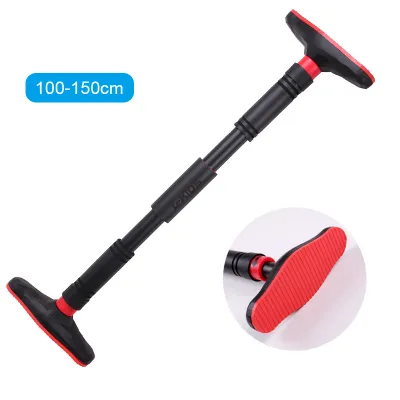
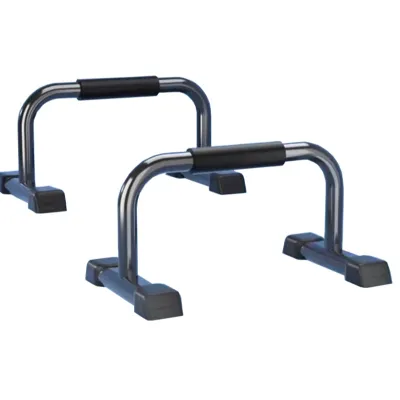
![🇸🇬 [READY STOCK] 2PCS Wooden Parallettes (30CM 50CM LENGTH)Handstand Pushups Stands Bars Gymnastic Russian Style Stretch Push-Ups Double Rod](https://img.lazcdn.com/g/p/b99799540fc942ab54f232614eacbbb2.jpg_400x400q80.jpg_.webp)
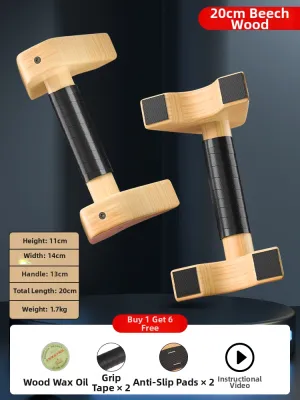
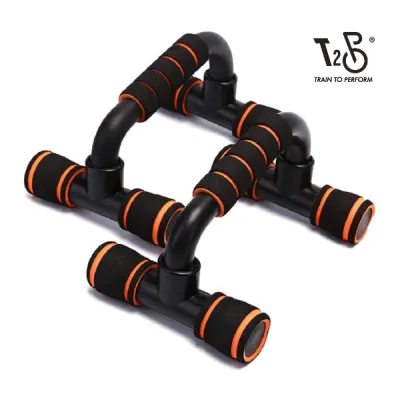
Prices are valid at publication and may change. Please refer to the product page for the latest price.
Evaluate your wall types and door frames carefully. Modern flats often feature a mix of structural concrete walls, such as those surrounding bomb shelters, and non-structural drywall or lightweight concrete partition walls. Mounting heavy equipment on partition walls can cause severe structural damage and compromises safety. Additionally, check the traffic flow of your household to ensure your workout zone does not block essential pathways, corridors, or emergency exits.
Compact Calisthenics Equipment Categories for Small Spaces
Selecting the right gear involves balancing setup time, storage volume, and exercise versatility. While some items offer immediate plug-and-play functionality, others require careful anchoring but provide a wider range of movement. Understanding these trade-offs helps you build a streamlined setup that fits your budget, which might range from S$50 for basic bands to S$200 for a complete set of parallettes and rings.

Doorway Pull-Up Bars and Gymnastic Rings
Overhead pulling is a fundamental component of calisthenics, but installing a bulky power tower is rarely feasible in a small flat. Doorway pull-up bars offer a compact alternative. Telescopic friction bars expand outward to press against the door frame, relying entirely on friction and pressure. In contrast, lever-mounted doorway bars hook over the top of the door trim, distributing your weight across the frame and wall.
Gymnastic rings can be paired with doorway setups or dedicated door anchors to unlock a massive library of pulling and pushing movements. When using rings with a door anchor, ensure the strap is rated for your body weight and always position the anchor so that you pull in the direction that closes the door. This prevents the door from accidentally swinging open mid-exercise.
Before hanging your full weight, inspect the door frame’s integrity. Check if the wooden trim is securely nailed to the wall and verify the manufacturer’s weight limits. Look for signs of warping, cracking, or loose joints in the frame before and after each use, and immediately discontinue use if you observe any structural shifting.
Parallettes and Foldable Push-Up Stands
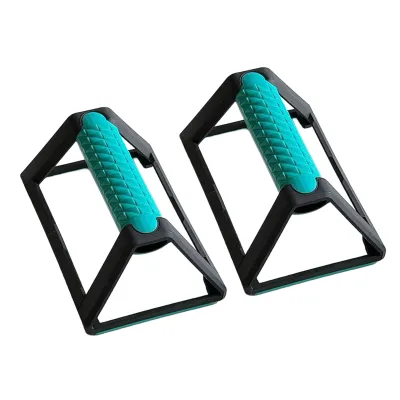
Ground-level pushing and core equipment can be easily tucked away after workouts, making them ideal for shared living areas. Fixed low parallettes, often made of wood or steel, offer excellent stability for L-sits, handstands, and deep push-ups. However, if storage space is exceptionally tight, stackable or foldable push-up handles provide a much smaller footprint.
Grip height and diameter significantly impact wrist comfort and exercise range of motion. Standard push-ups on the floor can strain the wrists due to extreme extension. Parallettes allow for a neutral wrist alignment, reducing joint stress. Higher parallettes (around 30 centimeters) offer more clearance for core work and leg extensions, while low parallettes (10 to 15 centimeters) are highly compact and easy to pack away.
Storing small ground equipment is straightforward. Low-profile parallettes and push-up stands can easily slide under a sofa, fit beneath a bed frame, or sit vertically in a narrow wardrobe gap. This keeps your living room completely free of visual clutter between training sessions, maintaining the aesthetic of your home.
Suspension Trainers and Resistance Bands
Highly versatile and lightweight, suspension trainers and resistance bands anchor to doors or sturdy furniture without requiring permanent installation. Suspension trainers use your body weight against gravity, allowing you to replicate rows, chest presses, and core rollouts. They can be adjusted instantly to match your current strength level simply by changing the angle of your body.
Resistance bands are the ultimate space-saving tools, taking up virtually no physical space when coiled. When anchoring bands to doors, verify that the door is fully latched and that you are pulling against the frame’s strongest point. Always inspect the bands for micro-tears, discoloration, or dry rot, as a sudden snap-back can cause painful injuries.
Establish a routine inspection habit before every session. Run your fingers along the entire length of the bands to check for wear, and inspect the stitching on suspension straps and the integrity of the door anchor block. Replacing a worn band is a simple, low-cost step that prevents equipment failure during high-tension movements.
Safe Installation and Usage Checks for HDB Flats
To practice calisthenics safely in a residential high-rise, you must establish a strict installation and usage protocol. Never drill into partition walls or drywall to mount pull-up bars or suspension anchors. These walls are not designed to bear dynamic human weight and can fail catastrophically, leading to severe injury and costly home repairs.
For permanent wall-mounted rigs, always consult a qualified structural engineer or a licensed contractor to identify load-bearing concrete walls. You must also check the prevailing housing guidelines in Singapore to ensure compliance with drilling and structural modification rules. A professional installer can ensure that the correct heavy-duty anchor bolts are used to secure the rig safely.
Define clear stop conditions during your workouts. If you hear unusual creaking from a door frame, feel a friction bar shifting, notice visible deformation in your equipment, or see plaster dust falling from the ceiling, stop the exercise immediately. Do not resume training until you have thoroughly inspected and corrected the setup, or transitioned to a safer, ground-based exercise.
Storage and Space Management Strategies
Integrating fitness gear into daily living areas requires smart storage solutions to prevent visual clutter. A stylish pegboard mounted on a concrete wall can hold your resistance bands, gymnastic rings, and chalk, turning your gear into an organized, functional display. Alternatively, use fabric bins or plastic under-bed storage boxes to keep your equipment completely out of sight.
Establish a dedicated, temporary workout zone that can be quickly cleared and transitioned back to living space. Laying down a dedicated mat helps mentally define your training space and protects your home environment. This physical boundary also signals to other household members that a workout is in progress, reducing the risk of accidental collisions.
Manage sweat and equipment hygiene to protect your furniture, flooring, and electronics. Calisthenics can be intense, and sweat can damage laminate, vinyl, or parquet flooring over time. Always wipe down your equipment after use to prevent moisture buildup, and clean your floor mats regularly to avoid odors and slipping hazards.
Frequently Asked Questions (FAQ)
Can I install a permanent wall-mounted pull-up bar in my HDB flat?
Yes, but only on structural concrete walls. You must avoid non-structural partition walls, which cannot support the dynamic load of pull-ups. It is highly recommended to consult a licensed contractor to verify the wall material and ensure the correct anchor bolts are used for safe installation.
How do I protect my HDB flooring and reduce noise for downstairs neighbors?
To protect your flooring and keep noise to a minimum, use high-density interlocking foam mats or a thick rubber exercise mat under your workout area. Additionally, focus on controlling your movements; avoiding sudden drops during exercises like burpees or jumps will significantly reduce the impact noise transmitted through the concrete floor slab.
Community discussion
Share your experience or ask a question. Comments are reviewed before publication.