
Finding space for dedicated cardio equipment in a Singapore HDB flat requires a careful balance of fitness goals and floor plan realities. While traditional treadmills and stationary bikes often claim a permanent, bulky footprint, a compact climber machine offers an efficient alternative. These machines leverage vertical space rather than horizontal floor area, allowing you to achieve a high-intensity, full-body workout in a fraction of the space.
To successfully integrate a climber machine into your home without overcrowding your living area, you must look beyond the basic dimensions listed on the box. Understanding how the machine fits into your daily routine, how it folds away, and how its dynamic movement interacts with your ceiling and walls is key to making a practical purchase. By focusing on smart layout planning and specific design features, you can maintain an active lifestyle without sacrificing your home’s open feel.
Understanding Climber Machine Footprints in HDB Layouts
When evaluating a climber machine for an HDB flat, you must distinguish between its static footprint and its dynamic clearance. The static footprint is the physical space the machine occupies when it is resting idle on the floor. Many compact vertical climbers have an incredibly small static footprint, often measuring less than one square metre. This makes them highly appealing for tight corners, study rooms, or small bedrooms where floor space is at a premium.
Products mentioned in this guide
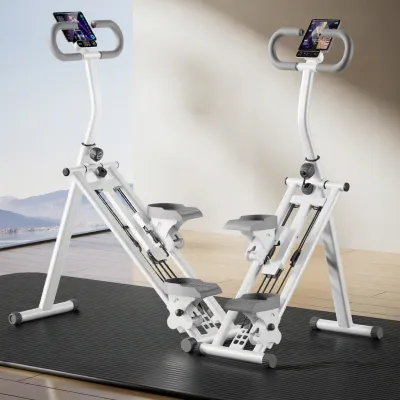
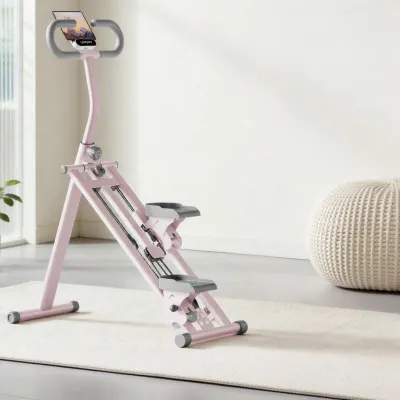
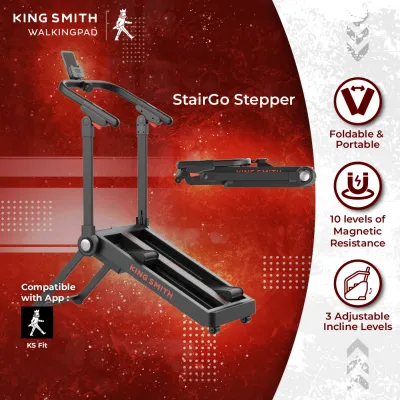
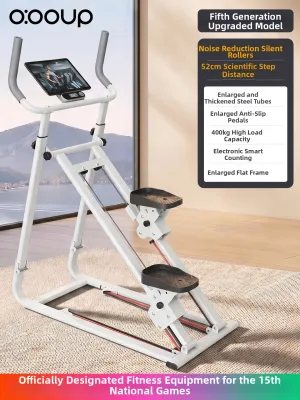
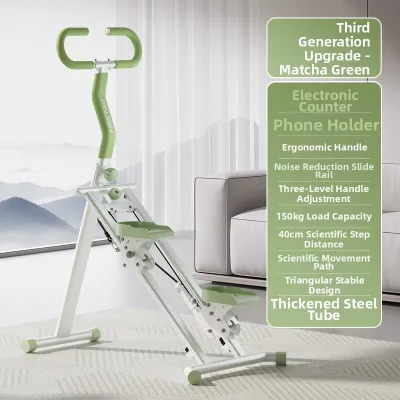
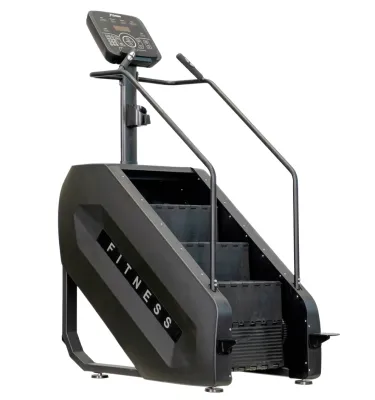
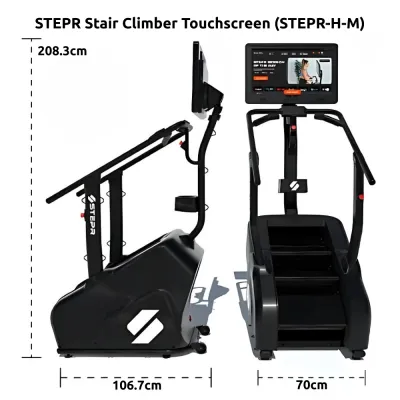
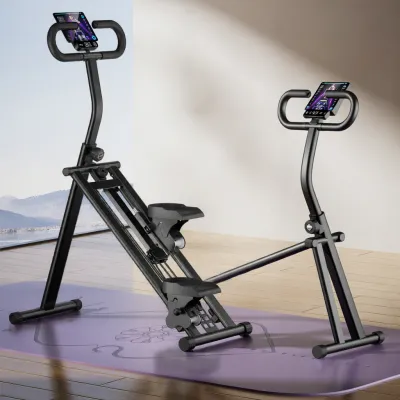
Prices are valid at publication and may change. Please refer to the product page for the latest price.
However, the dynamic clearance is the actual space required when the machine is in active use. As you exercise, the handles extend upward and outward, your body shifts, and the pedals move through their full range of motion. You must account for this extra operational envelope to prevent your hands or feet from striking nearby walls, shelves, or furniture during a workout.
Standard HDB ceiling heights typically range from 2.6 to 2.8 metres. Because vertical climbers require you to stand upright and reach overhead, your total height when standing on the elevated pedals is a critical factor. If you are tall or if your flat has false ceilings, you run the risk of your hands or the machine’s handles coming too close to the ceiling, light fixtures, or ceiling fans.
Additionally, high-density living in HDB blocks means that physical boundaries are shared. Placing a machine directly against a partition wall or in a narrow hallway can block household traffic and transmit operational vibrations directly to your family members or neighbours. To ensure safety and comfort, plan for a minimum safety buffer of 0.6 metres of clear space around the entire perimeter of the machine during use. This buffer allows for proper ventilation, unrestricted body movement, and a safe dismount in case of a slip.
Types of Space-Efficient Climber Machines
Vertical climbers are the most traditional design, mimicking the natural movement of rock climbing. They feature a tall, upright frame with sliding hand grips and foot pedals. Because their structural design is vertical, they have the smallest floor footprint of any major cardio machine. They are ideal if you have limited floor space but sufficient ceiling height to accommodate the upper reach of the handles.

Compact stride climbers offer a lower-profile alternative. These machines combine the climbing motion with a shorter, steeper pedal travel, resembling a heavy-duty stepper with synchronized upper-body handlebars. Because they do not extend as high as traditional vertical climbers, they are highly suitable for rooms with lower ceilings or spaces where you want to keep the visual profile of the room clean and unobstructed.
Foldable and wheeled models are specifically engineered for easy storage. These machines feature a folding frame that collapses flat or semi-flat, allowing you to slide the unit under a bed, behind a wardrobe, or inside a household shelter when your workout is complete. Built-in transport wheels are essential for these models, as they allow you to roll the machine into place without straining your back or scratching your flooring.
How to Measure and Plan Your Workout Zone
Before purchasing a climber machine, take precise measurements of your intended workout area. Use a metal measuring tape to record the floor length and width of the designated spot. Next, measure the exact height of your ceiling, taking note of any low-hanging light fixtures, air conditioning units, or ceiling fan blades that could intersect with the machine’s path or your head during exercise.
Do not forget to measure the delivery path leading into your home. HDB corridors, lift doors, main entrance frames, and tight bedroom turns can present significant obstacles. Check the packaged dimensions of the climber machine before ordering to ensure the box can safely navigate these tight spaces during delivery and assembly.
To map out your dynamic workout zone, use a simple calculation. Add your personal height to the maximum height of the machine’s pedals at their highest point of travel. Compare this total to your ceiling height, ensuring you have at least 20 to 30 centimetres of clearance above your head at the peak of your stride. Mark this dynamic zone on your floor using masking tape to visualize how much space will remain for walking and daily activities while the machine is in use.
Key Features to Look for in Compact Models
When shopping for a compact climber machine, prioritize models that offer adjustable resistance and customizable stride lengths. Adjustable resistance, whether manual or magnetic, allows you to tailor the intensity of your workout without needing a larger, heavier machine. Customizable stride and handle heights ensure that multiple family members of varying heights can use the equipment safely and ergonomically.
Noise and vibration dampening are crucial features for maintaining peace in an HDB block. Look for machines that utilize magnetic resistance or smooth belt-drive systems, which operate much more quietly than hydraulic cylinders or chain drives. High-quality rollers and self-lubricating sleeves also help minimize the squeaks and mechanical clicks that can easily travel through concrete floors and disturb your neighbours.
Finally, do not sacrifice stability for a smaller footprint. A compact machine must still possess a robust frame and a reliable weight capacity. Look for models with wide, adjustable leveling feet that can compensate for slightly uneven floor tiles. A sturdy base prevents the machine from rocking or tipping during high-intensity intervals, ensuring your workout remains safe and effective.
Frequently Asked Questions (FAQ)
Can I place a climber machine on an HDB balcony?
Placing a climber machine on an HDB balcony requires careful consideration of Singapore’s tropical climate. While standard balcony concrete slabs are structurally capable of supporting the weight of the machine and a user, exposure to high humidity, wind-blown rain, and direct sunlight can quickly degrade the equipment. Moisture can cause steel frames to rust, ruin electronic consoles, and strip away essential lubricants in the moving parts. Unless your balcony is fully enclosed and climate-controlled, it is best to keep the machine indoors to protect your investment and maintain the manufacturer’s warranty.
Do compact climber machines require floor mats?
Yes, using a dedicated equipment mat is highly recommended when operating a climber machine in an HDB flat. A thick, high-density rubber or PVC mat protects your flooring—whether it is vinyl, laminate, parquet, or ceramic tile—from scratches, dents, and sweat stains. More importantly, a quality mat absorbs the structural vibrations and impact noise generated during rapid climbing movements. This simple addition significantly reduces the low-frequency humming sound that can transfer through the concrete floor to the apartment below, helping you maintain a friendly relationship with your downstairs neighbours.
Community discussion
Share your experience or ask a question. Comments are reviewed before publication.