
Selecting the ideal dumb bell for a home gym in Singapore requires balancing your fitness goals with the physical realities of high-density living. In a typical HDB flat, where floor area is at a premium, giant commercial weight racks are simply not practical. The right choice depends on your training style, but for most residents, consolidating multiple weight increments into a single, compact system is the key to maintaining an uncluttered, functional home.
To make an informed decision, you must evaluate how different dumb bell designs—adjustable, selectorized, and fixed—interact with your available space, storage options, and workout routines. By understanding these dynamics, you can build an effective strength-training setup without sacrificing the livability of your home.
Assessing Your HDB Space and Workout Needs
Before purchasing any fitness equipment, you must establish a clear understanding of your physical constraints. A common error is buying weights based solely on exercise goals without verifying where those weights will sit when not in use, or where you will stand when lifting them.
Products mentioned in this guide
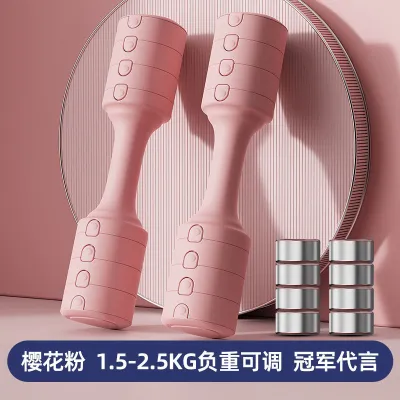
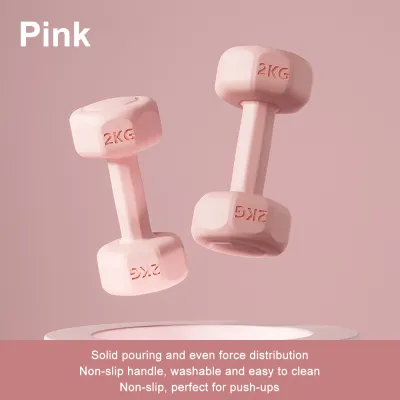
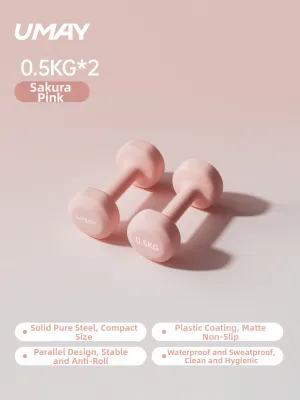
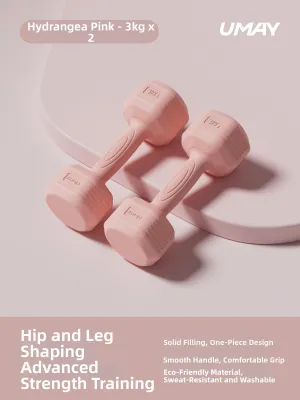
![[BULKY]Hex Dumbbell Rubber Coated Chrome Dumbbell / Home Gym / Indoor Gym/Fitness/Weights (Not Sold in pair)](https://img.lazcdn.com/g/p/9cecb653fdef1b69b19d212d76b0c30a.jpg_400x400q80.jpg_.webp)
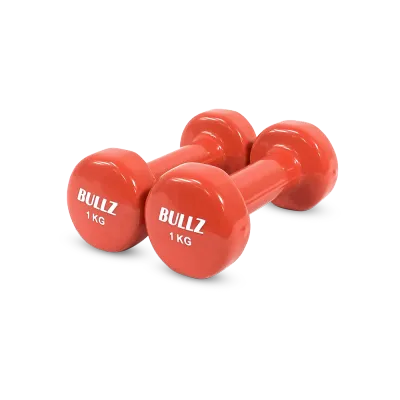
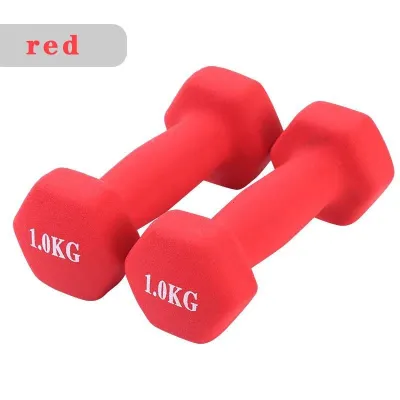
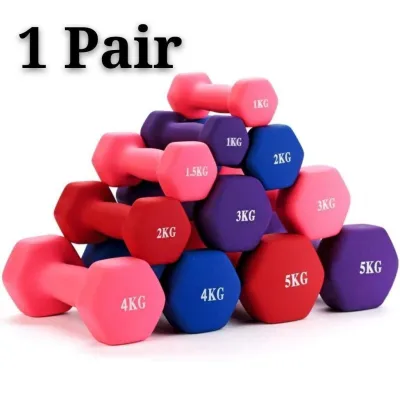
Prices are valid at publication and may change. Please refer to the product page for the latest price.
To map out your active workout zone, measure a clear floor area of at least 2.0 meters by 2.0 meters. This space is necessary to accommodate your full arm span during lateral raises or chest flies without colliding with walls, wardrobes, or glass doors. If you plan to use a utility bench, factor in its length—typically 1.2 to 1.5 meters—and ensure you have at least 60 centimeters of clear space on all sides to mount and dismount safely.
Next, measure your intended storage locations with a tape measure. If you plan to store your weights under a bed frame, measure the vertical clearance from the floor to the bottom of the frame. Standard HDB bed frames often provide a clearance of only 15 to 20 centimeters, which can rule out bulkier adjustable models. If storing equipment inside a wardrobe or utility closet, check the depth of the shelves. A standard wardrobe depth of 60 centimeters can easily accommodate most compact dumb bell sets, but you must verify that the shelving material is structurally rated to support concentrated heavy loads.
Layout flow is equally critical. HDB passageways, bedroom entryways, and access routes to the household shelter must remain completely unobstructed. Placing heavy metal equipment in narrow corridors creates a persistent tripping hazard, especially in low-light conditions. Ensure that all bedroom and cabinet doors can swing fully open without striking your equipment. Aligning your required weight range with your actual space footprint prevents you from purchasing bulky gear that ultimately hinders your daily movement.
Comparing Dumbbell Types for Compact Living
Different dumb bell designs offer distinct advantages in terms of footprint, cost, and training versatility. Understanding these mechanical differences helps you choose the option that best fits your flat’s layout.
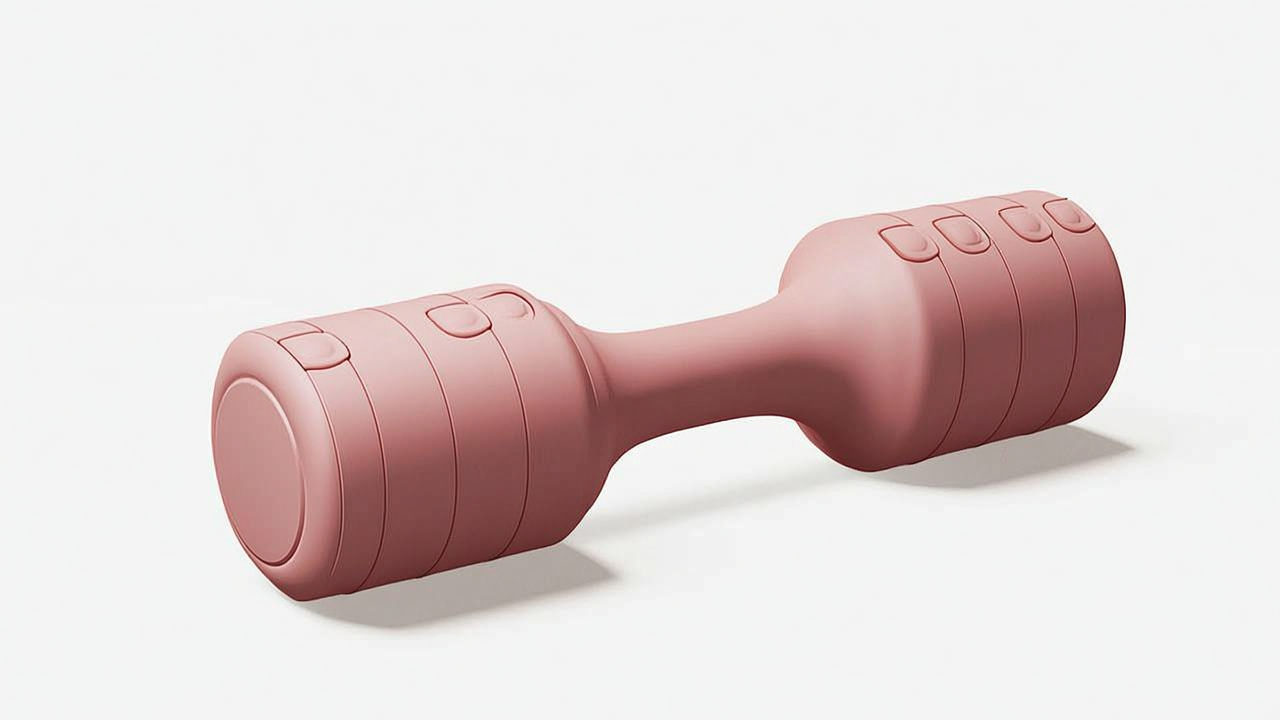
Adjustable Dumbbells (Spin-lock and Dial)
Traditional spin-lock adjustable dumb bells consist of a threaded steel bar and a set of loose weight plates secured by threaded star collars. From a space-saving perspective, their primary benefit is modularity. When your workout is complete, you can slide the plates off the bars and stack them vertically inside a heavy-duty plastic crate or tuck them into a closet corner. This vertical stacking minimizes the permanent floor footprint compared to horizontal storage options.
However, the material of the plates significantly impacts their physical size. Vinyl-coated cement plates are highly economical but are incredibly bulky. A single 5kg vinyl plate can be twice as thick as a solid cast iron or steel plate of the same weight. This extra bulk limits the total weight you can fit onto the bar and can interfere with your range of motion during exercises like bicep curls or shoulder presses. For tight spaces, solid cast iron plates are highly recommended due to their superior density.
The primary trade-off with spin-lock systems is transition time. Swapping plates between sets requires unscrewing the collars, adjusting the weight, and re-securing the collars. This process can take up to a minute, which disrupts your workout momentum. Additionally, you must regularly inspect the threaded collars during your workouts to ensure they remain tightly locked. Loose collars can allow plates to slide, posing a safety risk to your feet and your HDB flooring.
Selectorized Dumbbells
Selectorized dumb bells utilize a mechanical dial, pin, or handle-twist system to engage specific weight plates housed within a dedicated base or cradle. This design allows a single pair of dumb bells to replace an entire rack of traditional fixed weights—often spanning from 2kg to 24kg or even 40kg in small, precise increments. For space efficiency, they are unmatched, fitting the equivalent of 15 pairs of weights into the footprint of a shoe box.
While the dumb bells themselves are highly compact when in use, the storage cradle requires a permanent, dedicated footprint on your floor. You must measure the exact outer dimensions of this base before buying. Most cradles measure approximately 40 to 50 centimeters in length and 20 to 25 centimeters in width per dumb bell.
Because these systems rely on precise internal gears and selector pins, they must be placed on a completely flat, level, and stable surface. Placing a selectorized cradle on an uneven floor or a soft, plush rug can cause the plates to misalign, preventing the selection mechanism from engaging smoothly or safely. Furthermore, these mechanical parts make selectorized models highly sensitive to impact. Dropping them, even from a low height, can crack the plastic dials or bend the internal selection rods, rendering the unit unsafe to use. Always check the manufacturer’s drop-test ratings and warranty terms before purchase.
Fixed Dumbbells and Racks
Fixed dumb bells feature a solid, non-adjustable design where the weight heads are permanently welded or bolted to the handle. For individuals who follow highly targeted routines requiring only two or three specific weight increments—such as a light pair for lateral raises and a heavier pair for goblet squats—buying a limited set of fixed dumb bells is highly practical and cost-effective.
To keep these weights organized in a small flat, storage geometry is key. A horizontal multi-tier rack takes up substantial floor space, making it impractical for compact HDB rooms. Conversely, an A-frame vertical rack utilizes vertical height, holding up to six pairs of dumb bells while occupying a footprint of less than 0.2 square meters.
The major limitation of fixed dumb bells is the barrier to progressive overload. As your strength increases, you must purchase entirely new pairs of dumb bells. Over time, this progression leads to a growing collection of equipment that quickly outgrows your vertical rack, cluttering your living space and increasing your total financial investment.
Smart Storage and Placement Solutions for HDB Flats
Maximizing space in an HDB flat requires creative storage strategies and strict adherence to safety guidelines. By utilizing vertical space and choosing the right accessories, you can keep your home safe and clutter-free.
To store your weights safely, consider using a compact, freestanding dumb bell stand. These stands elevate your weights to waist height, which reduces the strain on your lower back when picking up heavy loads. Ensure you choose a freestanding model that is structurally stable and does not require wall mounting, as drilling into partition walls is often restricted or unsafe.
For hidden storage, heavy-duty rolling bins designed for under-bed placement are highly effective for storing spin-lock plates and bars. If you opt for selectorized dumb bells, placing the cradles in a quiet corner of a study room or home office keeps them out of sight while maintaining easy access. If you store your equipment in a closed cabinet, ensure the cabinet is well-ventilated; Singapore’s humid tropical climate can trap moisture, leading to rust on exposed steel handles and cast iron plates.
Important Safety Warning: Every modern HDB flat is equipped with a reinforced concrete household shelter, commonly referred to as the bomb shelter. Structural regulations strictly prohibit drilling into, mounting heavy equipment racks on, or leaning heavy metal items against the interior or exterior walls of this shelter. Doing so compromises the structural integrity of the protective reinforcement and violates housing authority rules. Keep all fitness equipment completely clear of these walls.
Additionally, noise and vibration travel easily through concrete slab floors to your downstairs neighbors. To mitigate this, always perform your workouts on a high-density rubber gym mat. Standard yoga mats are too thin to absorb the impact of heavy weights. Opt for interlocking rubber tiles with a thickness of at least 15mm to 20mm. Never drop your dumb bells onto tiled or vinyl flooring, as this can crack the tiles, warp the vinyl, or cause structural noise complaints.
Common Space-Matching Mistakes to Avoid
A frequent error is purchasing a comprehensive set of fixed dumb bells under the assumption that you will “figure out the storage later.” Without a pre-planned vertical rack, these loose weights will inevitably end up scattered across your floor, creating a hazardous environment.
Another common oversight is failing to measure overhead clearance. HDB ceiling heights typically range from 2.6 to 2.8 meters, but this clearance is often reduced by false ceilings, light fixtures, or low-hanging ceiling fans. Before performing standing overhead presses, dumb bell snatches, or thrusters, stand in your designated workout spot and extend your arms fully while holding a ruler to verify that you have at least 30 centimeters of clearance below any ceiling obstacles or moving fan blades.
Finally, buyers often ignore the physical footprint of the accessories. A selectorized dumb bell set might seem small in promotional images, but once you account for the safety collars, the protruding adjustment dials, and the wide base of the storage stand, the actual space required can be up to 30% larger than anticipated. Always base your spatial planning on the maximum outer dimensions of the entire system, not just the dumb bell handle.
Frequently Asked Questions (FAQ)
Can I use adjustable dumbbells for drop sets in a small space?
Traditional drop sets require immediate transitions to lighter weights to keep muscle tension high. While adjustable and selectorized dumb bells excel at saving space, the mechanical process of dialing a new weight or unscrewing spin-lock collars introduces a time delay of 5 to 30 seconds.
To adapt your training in a compact space, consider alternative high-intensity techniques. Rest-pause sets, where you take brief 15-second rests with the same weight, or pre-exhaustion techniques using different exercises, allow you to achieve high muscular fatigue without needing rapid weight changes.
Are hex dumbbells better than round ones for small apartments?
Yes, hex-shaped dumb bells are generally superior for compact HDB flats due to their flat, six-sided heads. This geometry prevents the weights from rolling across the floor when placed down between sets, eliminating the risk of them rolling under furniture, blocking narrow walkways, or striking glass doors.
If you prefer round dumb bells, ensure they feature flat ends or a durable rubber coating that dampens movement, and always store them securely on a dedicated rack or a high-friction rubber mat to prevent accidental rolling.
Community discussion
Share your experience or ask a question. Comments are reviewed before publication.