
Selecting the right home fitness equipment for a small Housing & Development Board (HDB) flat in Singapore requires balancing your strength goals with strict spatial limits. If you are searching for the ideal home dumbell (commonly spelled dumbbell) setup to maximize your limited floor area, adjustable dial dumbbells are the overall best choice. They condense an entire rack of weights into a single pair, saving valuable square footage in compact 3-room or 4-room BTO flats. However, the best option ultimately depends on your training style, budget, and storage layout. By understanding how to measure your space and compare the available dumbbell designs, you can build an effective home gym that coexists peacefully with your living space and your neighbors.
Assessing Your Available Space and Workout Needs
Before purchasing strength equipment, you must evaluate your physical space constraints and training requirements. A common room in a typical Singapore HDB flat averages 9 to 11 square meters, meaning every centimeter of floor space is highly valuable.
First, measure your active workout zone. While you might think you only need enough floor space to stand, dynamic exercises require a much larger physical envelope. Performing lateral raises, chest flies, or overhead presses requires accounting for your full arm span plus the length of the dumbbells, as well as vertical clearance. Since standard HDB ceiling heights hover around 2.6 meters, taller individuals performing overhead lifts must verify they will not strike ceiling fans or light fixtures.
Products mentioned in this guide
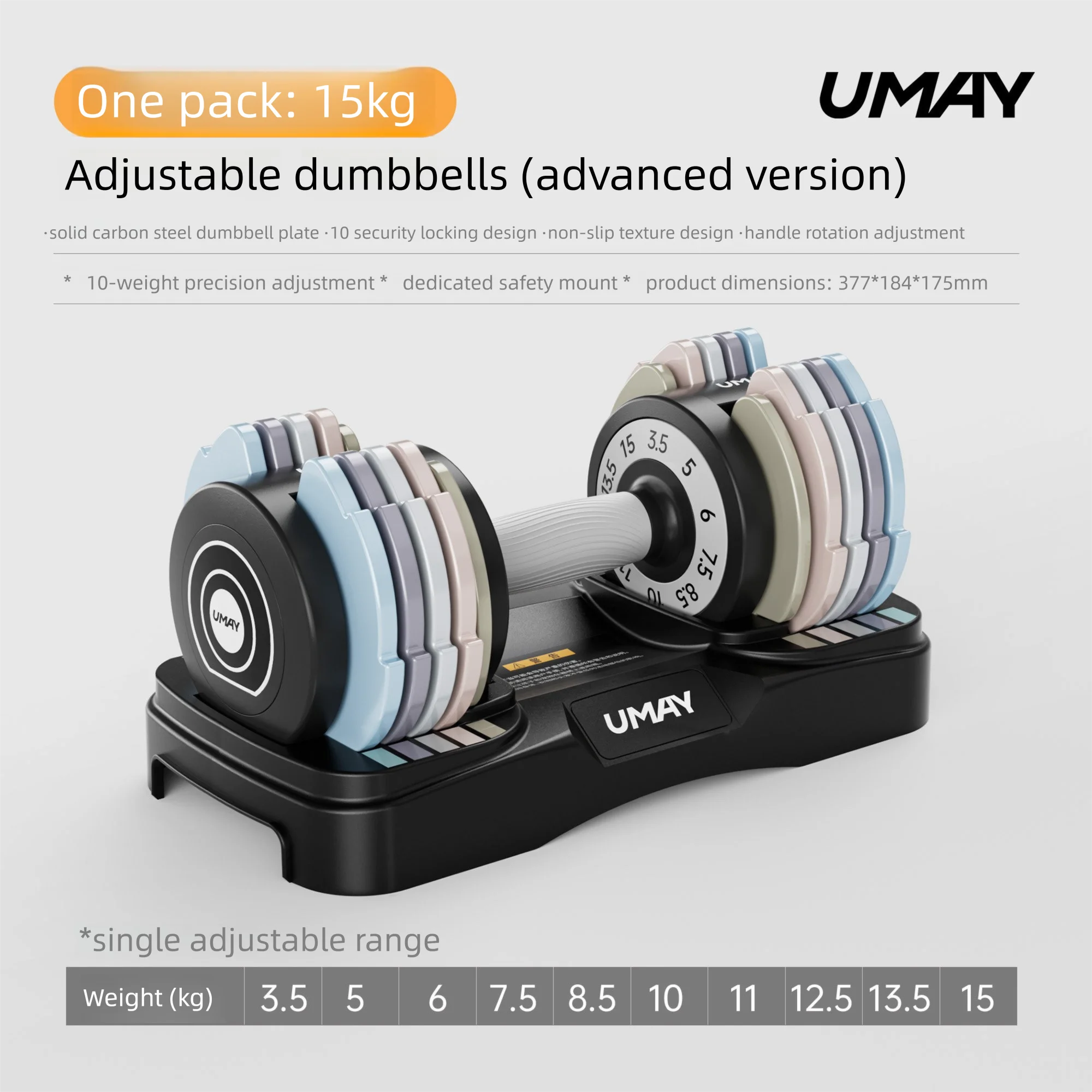
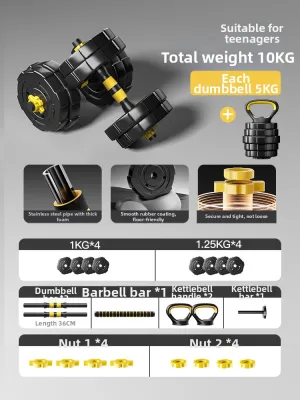

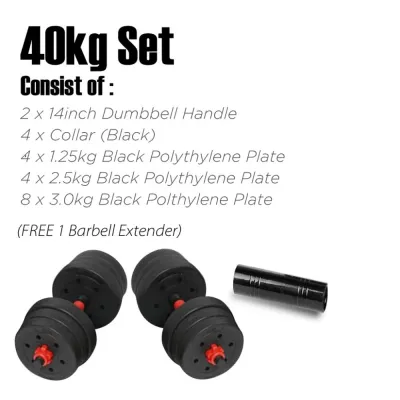
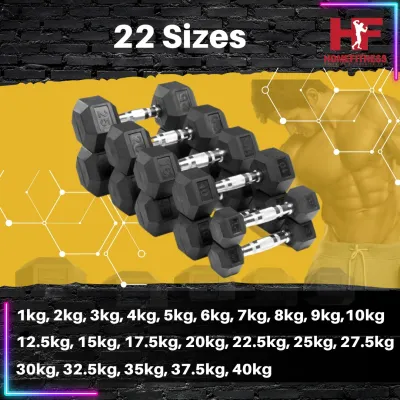
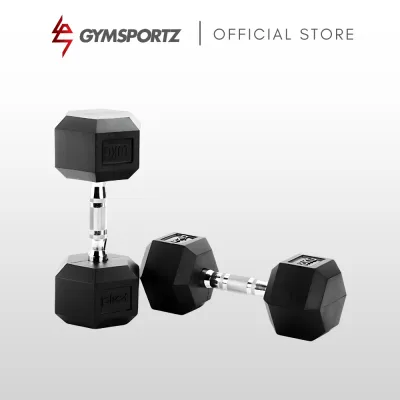
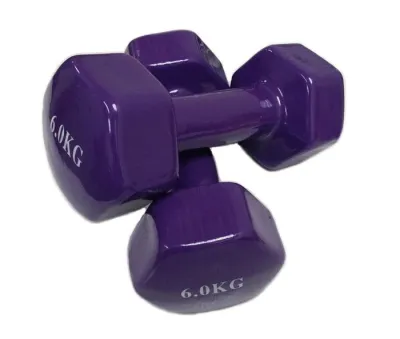
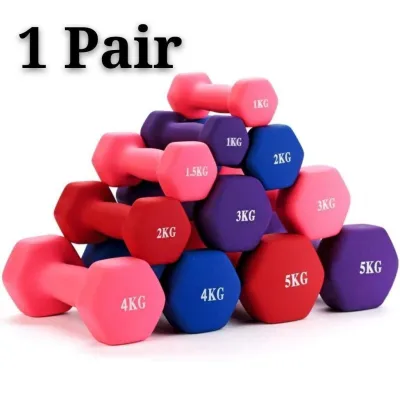
Prices are valid at publication and may change. Please refer to the product page for the latest price.
Next, evaluate your storage zones. Whether you plan to tuck your weights under a bed, inside a wardrobe, or within a household shelter (storeroom), measure the exact height, width, and depth of these spaces. Check the clearance of your doorways and hallways. Carrying heavy weights through narrow passages increases the risk of stubbing toes or scraping walls, so ensuring a clear path of travel is vital for home safety.
Your specific fitness goals also dictate the physical volume of your equipment. If your routine focuses on progressive overload, you will require a wider weight range, which demands more physical material. Conversely, if you only perform light toning or aerobic-focused workouts, you may only need one or two light pairs. Defining these goals early prevents you from buying excess weight that will simply sit unused and clutter your living space.
Finally, distinguish between static storage footprint and active in-use footprint. A pair of dumbbells might sit neatly in a 40-centimeter corner when stored, but using them safely might require a clear two-meter radius. Always prioritize the active space requirement to ensure you can execute movements with proper form and without the fear of colliding with furniture.
Comparing the Best Space-Saving Dumbbell Types
Selecting the right dumbbell design is a balancing act between space efficiency, training versatility, and your budget. Different dumbbell types offer unique advantages depending on how much room you can dedicate to your home gym.

Adjustable Dumbbells (Dial or Spin-lock)
Adjustable dumbbells, particularly those utilizing a dial or selector pin system, represent the pinnacle of space-saving engineering. By rotating a dial, you engage internal locking mechanisms that select only the desired weight plates, leaving the rest in a stationary base cradle. This design allows a single pair of handles to replace up to fifteen individual pairs of traditional dumbbells. While their space efficiency is unmatched, you must account for the physical dimensions of the storage cradle itself. The cradle does not shrink when you select lighter weights, meaning you must always accommodate its maximum length—often around 40 to 45 centimeters—and ensure you have enough vertical clearance to lift the handles straight up out of the base.
Spin-lock adjustable dumbbells offer a more traditional, cost-effective alternative. These consist of a threaded steel bar where you manually slide weight plates on and off, securing them with threaded collars. While they take longer to adjust between sets compared to dial systems, they are incredibly durable and have a smaller static footprint when disassembled. The primary space consideration here is storing the loose weight plates, which can be stacked neatly in a corner or placed in a small storage bin.
Fixed-Weight Hex Dumbbells (Rubber or Neoprene Coated)
Fixed-weight hex dumbbells, typically coated in rubber or neoprene, are preferred by fitness enthusiasts who prioritize stability and fast-paced workouts. The hexagonal shape prevents the weights from rolling across your HDB floor, making them exceptionally safe for floor-based exercises like renegade rows or push-ups. However, because each pair represents a single weight, building a versatile set requires purchasing multiple pairs. Unless you have a dedicated tiered rack, storing multiple hex dumbbells quickly consumes valuable floor space, making them less practical for very tight flats unless you only require one or two specific weights.
Water-filled or Sand-filled Dumbbells
Water-filled or sand-filled dumbbells are an unconventional but highly portable option for those with extreme space constraints. When empty, these travel-friendly weights consist of lightweight plastic or vinyl shells that can be folded and stored in a drawer. To use them, you fill the chambers with tap water or dry sand to reach the desired weight. While they are highly compact when deflated, they have notable limitations. Their maximum weight capacity is typically lower than steel or iron alternatives, they are physically bulkier for their weight, and the shifting of the water inside can affect your balance during fast, dynamic movements.
| Dumbbell Type | Space Efficiency | Weight Adjustability | Best Use Case | Storage Consideration |
|---|---|---|---|---|
| Adjustable (Dial/Spin-lock) | Excellent (Replaces up to 15+ pairs) | High (Quick dial or manual collar change) | Progressive overload strength training | Requires flat surface for the cradle/base |
| Fixed Hex (Rubber/Neoprene) | Low to Moderate (Requires individual pairs) | None (Fixed weight per unit) | Functional fitness, dynamic movements, static weight routines | Best stored on a compact tiered rack or flat floor |
| Water/Sand-filled | Outstanding when empty, Low when filled | Moderate (By adding/removing medium) | Travel, light toning, temporary setups | Must be completely dry before long-term storage |
Practical Storage Solutions for Compact Flats
Once you have chosen your equipment, finding an organized, out-of-the-way storage solution is key to keeping your home tidy and functional.
Freestanding Racks and Tiered Stands
If you choose to invest in multiple pairs of fixed dumbbells, keeping them off the floor is essential for safety and organization. Freestanding racks verticalize your storage, utilizing vertical space rather than valuable floor area. For tight HDB corners, an A-frame rack is highly recommended. These racks have a very small footprint and hold weights vertically, making them easy to grab. Ensure the rack is placed on a completely level, stable surface and that you do not exceed its maximum rated weight capacity.
Under-Bed or Under-Sofa Storage
Utilizing the dead space beneath your furniture is an excellent way to keep your home looking tidy and uncluttered. Before purchasing, measure the exact clearance height under your bed frame or sofa—many modern designs only offer 10 to 15 centimeters of clearance, which may not accommodate larger dumbbells. To make access easier and protect your flooring, use low-profile, heavy-duty plastic bins with wheels or dedicated sliding wooden trays. This allows you to smoothly roll the weights out for a workout and slide them completely out of sight when finished.
Wall-Mounted Racks and HDB Regulations
While wall-mounted racks look sleek and save floor space, they come with strict safety and compliance boundaries in Singapore. HDB flats are constructed with various wall types, including reinforced concrete structural walls, precast concrete panels, and non-structural internal partition walls (such as drywall or lightweight concrete blocks). Structural walls and columns must never be drilled into or structurally compromised. Conversely, lightweight partition walls cannot support the heavy, concentrated load of a dumbbell rack, risking catastrophic wall failure and severe property damage. Always consult official HDB renovation guidelines or seek advice from a licensed contractor before attempting to mount heavy equipment. If you cannot verify your wall type or lack professional installation, it is highly recommended to stick to heavy-duty freestanding floor racks instead.
Managing Noise, Safety, and Floor Protection
Living in a high-rise HDB flat requires being mindful of your neighbors and protecting your property from damage.
Noise and Vibration Control
High-density living in Singapore means your neighbors are close, and sound travels easily through concrete floors and walls. Dropping a heavy metal dumbbell, or even setting it down too quickly, can send low-frequency vibrations directly into the flat below, leading to neighbor disputes. To maintain community harmony, always perform your workouts on high-density EVA foam puzzle mats or thick rubber gym tiles (ideally 1.5 to 2 centimeters thick). These mats absorb the impact and dampen the acoustic transfer of sound, allowing you to train comfortably without disturbing others.
Floor Protection
HDB flats feature a variety of flooring materials, including vinyl, laminate, parquet, and homogeneous tiles. Heavy weights can easily dent wood and vinyl or cause expensive cracks in ceramic tiles. To prevent scratches, scuffs, and structural damage, check the base of your dumbbells and ensure they are coated in protective rubber or neoprene. If you use a storage rack, verify that its feet are equipped with rubber caps or non-marring plastic pads. Avoid dragging equipment across the floor; always lift and place items deliberately onto protective matting.
Clearance and Ventilation
Working out in a confined space like a small spare room or household shelter can quickly lead to high humidity and poor air quality. Ensure your workout zone has adequate ventilation by opening windows, running a standing fan, or utilizing air conditioning to promote continuous airflow. This helps regulate room temperature and prevents sweat from pooling on the floor, which can create a dangerous slipping hazard. Additionally, maintain a clear 1.5-meter radius around your active workout zone, ensuring no loose items, furniture corners, or electrical cords are within your range of motion.
Common Space-Matching Mistakes to Avoid
Avoiding common purchasing mistakes can save you from buyer’s remorse and keep your living space safe and functional.
Ignoring the "In-Use" Footprint
One of the most common errors is measuring only the static storage space and forgetting about the dynamic clearance required during exercise. A pair of adjustable dumbbells might fit perfectly on a closet shelf, but if you do not have enough physical room to perform a full chest fly or lateral raise without hitting a wall or wardrobe, the equipment becomes unusable. Always map out your movement patterns in your designated workout space before making a purchase.
Purchasing Bulky Fixed-Weight Sets Without a Plan
It is easy to be tempted by bulk deals on complete fixed-weight dumbbell sets, but without a dedicated, pre-measured storage plan, these sets will quickly clutter your walkways and create tripping hazards. If you do not have the space for a multi-tiered rack, avoid buying comprehensive sets. Instead, opt for a versatile adjustable system or limit your purchase to the specific weights you currently use for your primary lifts.
Overlooking Cradle and Handle Dimensions
Buyers often focus solely on the weight of adjustable dumbbells while ignoring the physical dimensions of the adjustment cradles. Some dial systems feature exceptionally long handles and bulky bases that require significant floor space. Furthermore, lifting the dumbbells vertically out of their cradles requires overhead clearance directly above the base; if you store them under a low shelf or bed, you may find it impossible to lift them out of their locking mechanisms safely.
Assuming Wall-Mount Viability
Never assume that any blank wall in your HDB flat can safely support a wall-mounted dumbbell rack. Mounting heavy weights to precast or lightweight partition walls without verifying structural guidelines or weight limits can lead to wall collapse, expensive structural repairs, and severe personal injury. Prioritize safety by verifying wall specifications with a professional, or bypass the risk entirely by choosing freestanding storage solutions.
Community discussion
Share your experience or ask a question. Comments are reviewed before publication.