
Finding the right exercise equipment for a small HDB flat requires balancing your fitness goals with the physical realities of compact living. The key is to select gear that can be easily stored, folded, or integrated into your existing layout without obstructing daily foot traffic. By focusing on multi-functional designs, low-noise mechanisms, and smart storage, you can maintain an effective home workout routine without sacrificing your living room’s comfort.
Assessing Your Available Space and Clearance Needs
Before purchasing any fitness gear, you must measure both the static footprint of the equipment and the dynamic clearance required during a workout. Start by measuring the exact floor area where you plan to exercise, keeping in mind that a machine’s resting dimensions do not represent the space you actually need when in motion. For example, a rowing machine requires extra length for your body’s rearward slide, while a treadmill needs a clear safety zone behind the belt. Use a measuring tape to map out these boundaries on your living room floor.
Ceiling height is another critical factor, especially in HDB flats where standard ceilings typically range from 2.6 to 2.8 meters. If you plan to perform overhead presses, jump rope, or use a stepper, you must calculate your height plus the height of the equipment’s platform, adding at least 30 centimeters of safety clearance. Additionally, measure your doorway widths, hallway turns, and the dimensions of your estate’s passenger lift to ensure the delivery team can safely transport the item into your home. Always cross-reference these measurements with the manufacturer’s specified minimum clearance guidelines.
Products mentioned in this guide
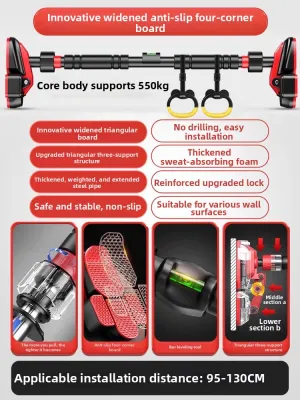
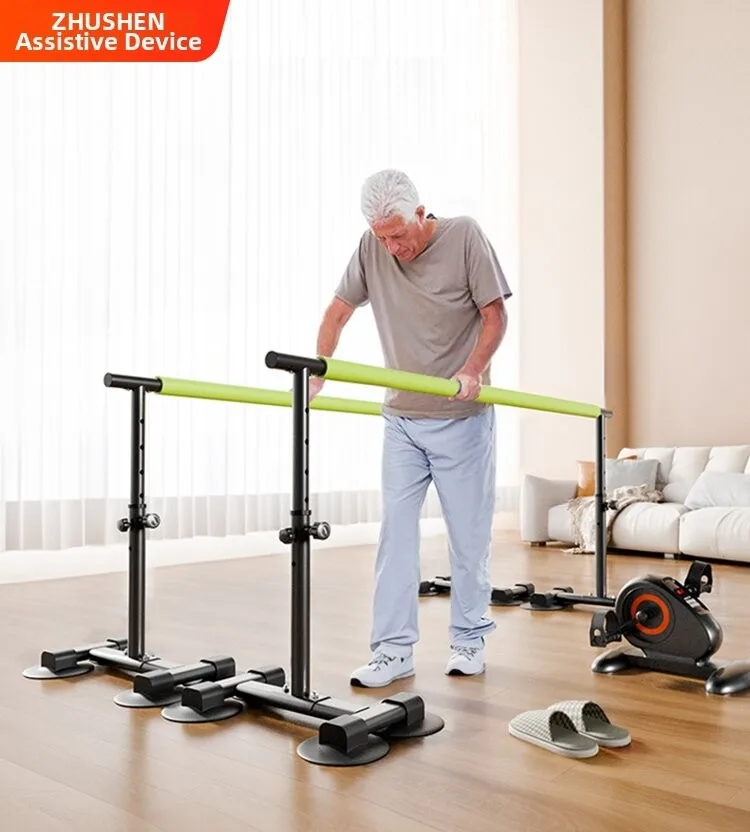
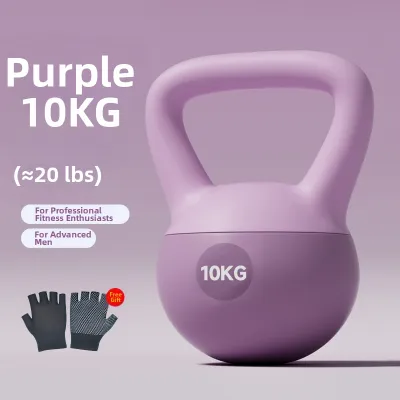
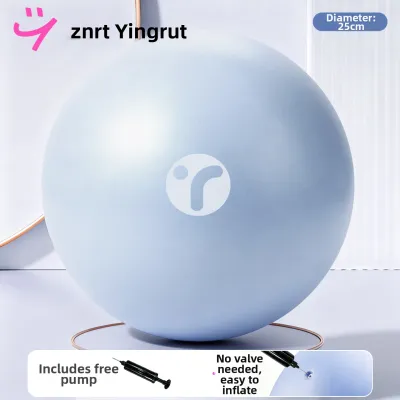
![🇸🇬 [READY STOCK] MMB Forearm Wrist Roller Trainer Weight-bearing Pulley and Rally Belt Wrist Exerciser with For Hand Forearm Shoulder Muscle Strength Training Hand and Wrist Exerciser Gym Wrist Curl Exerciser](https://img.lazcdn.com/g/p/7fcbf23e9feffaf53f687b1aab50ec16.jpg_400x400q80.jpg_.webp)
Prices are valid at publication and may change. Please refer to the product page for the latest price.
Top Categories of Compact Exercise Equipment for Small Living Rooms
Choosing the right category of equipment depends on whether your priority is cardiovascular endurance, strength training, or bodyweight conditioning. Each category offers distinct space-saving designs, but they also come with specific structural and operational trade-offs.

Foldable and Collapsible Cardio Machines
Cardio machines are traditionally the largest pieces of home gym equipment, but modern foldable designs have made them highly viable for HDB living rooms. When evaluating folding treadmills, exercise bikes, or rowers, always compare the folded storage dimensions directly against the fully expanded operational footprint. A treadmill that folds completely flat to a height of 15 centimeters can easily slide under a sofa or stand upright against a wall, whereas a semi-folding model might still occupy a significant corner of your room.
The integrity of the folding mechanism is paramount for safety and longevity. Examine the locking pins, hydraulic assists, and base stability features in the product specifications to ensure the machine will not tip over when stored vertically. High-quality hinges and joints should feel secure, with no noticeable wobble when the machine is fully locked into its active state. Be sure to check the manufacturer’s weight capacity limits and structural warranties, as folding joints can sometimes represent points of mechanical stress.
Adjustable and Multi-Functional Strength Gear
For strength training, a full rack of traditional dumbbells or kettlebells is highly impractical for a small apartment. Adjustable strength gear solves this problem by consolidating an entire set of weights into a single pair of handles. When shopping for adjustable dumbbells or kettlebells, pay close attention to the adjustment mechanism, whether it uses dials, selector pins, or spin-locks. The mechanism must operate smoothly and lock securely to prevent plates from shifting or falling during overhead exercises.
While these systems save an immense amount of space, they still require a dedicated storage spot. Measure the footprint of the accompanying storage trays or base stands, which keep the unused plates organized and prevent them from scratching your floor. If you prefer resistance bands, verify the anchor point requirements before use. Ensure that your door frames or wall mounts are structurally capable of handling the maximum tension limits of the bands, and always inspect the bands for micro-tears before stretching them to avoid sudden snaps.
Wall-Mounted and Doorway Solutions
Vertical space is often underutilized in HDB flats, making wall-mounted pull-up bars, suspension trainers, and wall-folding racks highly attractive. However, these solutions require strict adherence to structural safety guidelines. You must cross-reference the equipment’s mounting hardware with your specific wall material. HDB flats feature a mix of structural concrete walls, which can support heavy loads when drilled with appropriate masonry anchors, and non-load-bearing drywall or partition walls, which are not designed to bear dynamic human weight.
If you are considering a leverage-based doorway pull-up bar, verify your door frame’s dimensions and structural integrity first. The frame must be sturdy enough to withstand the compression forces without cracking or warping. Before drilling any holes for wall mounts, familiarize yourself with HDB renovation guidelines, which prohibit unauthorized hacking or drilling into structural columns and pre-cast walls. There is also a significant risk of puncturing concealed electrical wiring or plumbing pipes hidden within the walls. If you are unsure of your wall’s composition, consult a qualified, HDB-registered contractor.
Key Features to Look for in Apartment-Friendly Gear
When selecting fitness equipment for a shared living space, technical specifications should extend beyond workout programs to include features that minimize household disruption. Noise and vibration reduction are critical for maintaining good relations with your family and downstairs neighbors. Look for magnetic resistance systems or belt-drive mechanisms in the product specifications of exercise bikes and rowers. These systems operate almost silently compared to air-resistance or chain-driven models, allowing you to work out early in the morning or late at night without disturbing others.
Portability is another essential feature for living room gear. Check for integrated transport wheels and ergonomic lifting handles that allow you to roll the equipment out of the way once your workout is complete. The wheels should be made of a non-marking material, such as polyurethane, to prevent scuffing your floors. Additionally, consider the visual impact of the equipment. Choosing gear with a neutral color palette, matte finishes, and a low-profile silhouette helps it blend more naturally with your existing furniture, reducing the commercial gym look.
Common Space-Matching Mistakes to Avoid
One of the most common mistakes apartment owners make is relying solely on the manufacturer’s folded storage dimensions while ignoring the dynamic safety perimeter needed during actual use. A compact treadmill might store neatly in a closet, but if you do not have at least one meter of clear space behind it during operation, you risk serious injury in the event of a fall. Always plan your workout zone around the active footprint, not just the storage footprint.
Another frequent oversight is neglecting floor load limits and vibration transfer. Heavy strength equipment or high-impact cardio workouts can send low-frequency vibrations directly through the concrete slab of an HDB flat, leading to noise complaints from neighbors below. Failing to use proper dampening materials can also cause cosmetic damage to your flooring. Additionally, avoid purchasing single-function, bulky machines like standard leg press units or dedicated chest fly stations. These offer a very poor space-to-utility ratio compared to modular, multi-functional alternatives like adjustable benches or suspension straps.
Frequently Asked Questions (FAQ)
Do I need a protective mat for my HDB living room floor?
Yes, using a high-quality protective mat is highly recommended for any home workout setup in an HDB flat. Typical HDB flooring, whether it is ceramic tiles, vinyl, or engineered wood, is susceptible to scratches, dents, and discoloration from heavy equipment and sweat. A dedicated fitness mat provides essential slip resistance, keeping both you and your machine stable during high-intensity movements.
When selecting a mat, review the thickness and density specifications. For heavy cardio machines or dumbbells, a high-density rubber mat of at least 6 millimeters to 10 millimeters in thickness is ideal for absorbing impact and dampening vibrations. For lighter bodyweight exercises or yoga, a softer EVA foam mat may suffice, though it compresses easily under heavy loads. Additionally, check your equipment’s warranty conditions; some manufacturers require the use of a protective mat under their machines to prevent dust and carpet fibers from entering the motor.
Are there HDB rules against installing wall-mounted gym equipment?
While HDB does not explicitly ban wall-mounted gym equipment, there are strict structural and renovation guidelines you must follow to ensure safety and compliance. You are generally permitted to drill minor holes for mounting shelves or brackets into non-structural walls, but you must never drill into structural reinforced concrete walls, columns, or pre-cast panels without proper authorization. Doing so can compromise the building’s structural integrity.
Furthermore, drilling carries a high risk of damaging concealed electrical conduits or water pipes. Before undertaking any heavy wall-mounting project, it is highly advisable to consult the original floor plans of your flat to identify load-bearing walls and utility paths. If you plan to install heavy fixtures like a wall-folding power rack, you should consult an HDB-registered contractor. They can verify the wall’s load capacity, select the correct heavy-duty anchors, and ensure the installation complies with all local safety standards.
Community discussion
Share your experience or ask a question. Comments are reviewed before publication.