
Quick Answer: Choosing Space-Efficient Hand Grip Equipment
For a compact HDB home gym, the most space-efficient hand grip strengtheners are adjustable torsion grippers and silicone grip rings. These tools deliver highly effective forearm and hand conditioning without requiring dedicated floor space or bulky storage racks. While silicone rings offer silent, pocket-sized convenience with lower resistance ceilings, adjustable torsion grippers provide a wider tension range in a single mechanical frame. When choosing between them, prioritize models that operate quietly to respect close-quarters apartment living and fit easily into standard household drawers.
Comparing Compact Hand Grip Strengtheners for Small Spaces
Selecting the right grip hand training tool requires balancing physical footprint against your long-term strength goals. Different designs offer distinct advantages in terms of storage, adjustability, and training style.

Adjustable Torsion Spring Grippers These devices utilize a plastic or light metal frame paired with a coiled tension spring and an adjustable dial. By turning the dial, you alter the spring’s angle or compression, changing the resistance level without needing to swap out the tool. This design is highly space-efficient because a single unit can replace an entire set of fixed-weight grippers. However, they do possess some mechanical bulk due to the adjustment dial and housing, meaning they require slightly more drawer depth than simpler alternatives.
Products mentioned in this guide
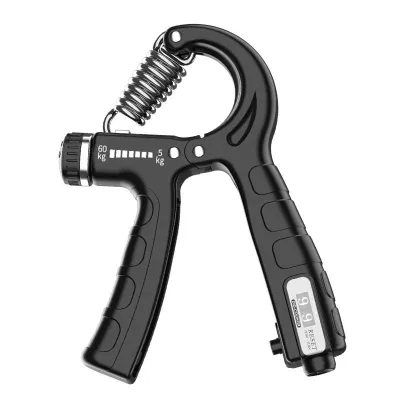
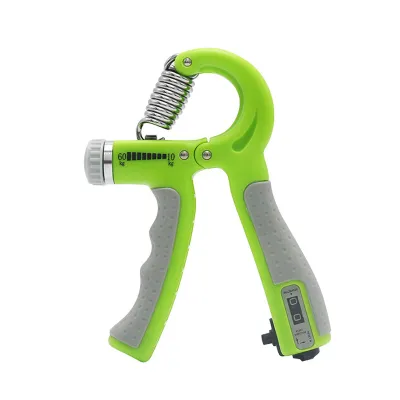
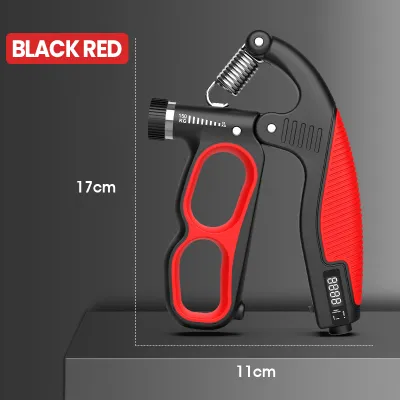
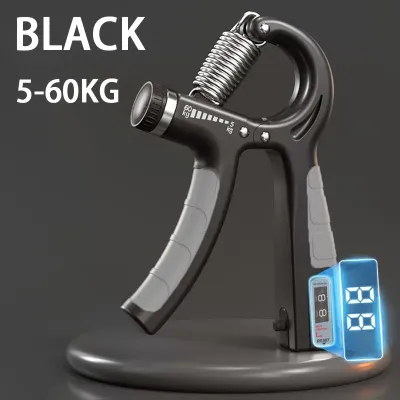
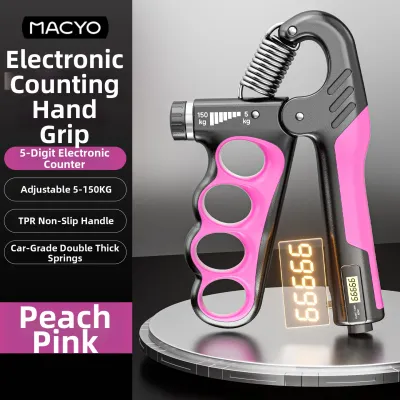
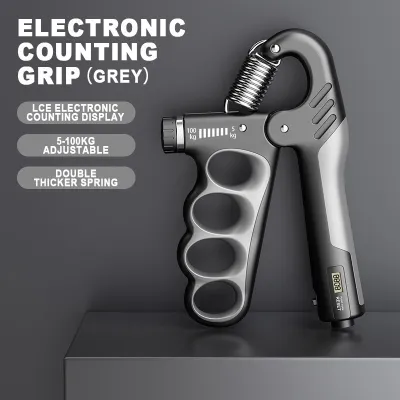
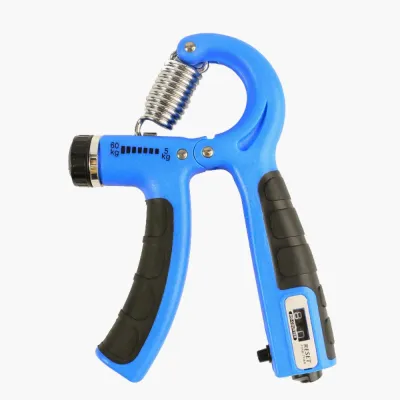
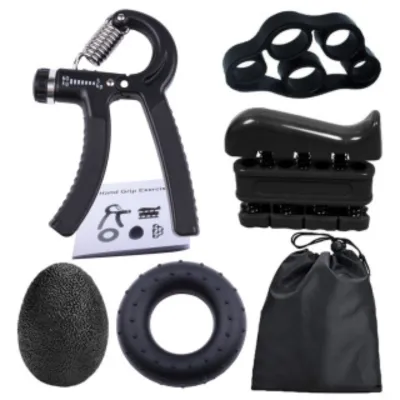
Prices are valid at publication and may change. Please refer to the product page for the latest price.
Silicone Grip Rings and Stress Balls Silicone rings and squeeze balls represent the pinnacle of minimalist design. They are completely solid, lightweight, and virtually indestructible, making them highly stackable in small storage containers. Because they lack moving parts, they are entirely silent during use. The primary trade-off is their fixed resistance; to progress, you must purchase additional rings of higher density, though their flat profile means even a set of three takes up less space than a single traditional dumbbell.
Finger Stretchers and Extensor Bands Often overlooked, extensor bands target the muscles responsible for opening the hand, balancing the crushing force developed by traditional grippers. These bands are typically made of thin silicone or rubber with individual finger loops. They can be folded flat, slipped into a book, or stored in a small pencil case, offering the absolute smallest storage footprint of any grip accessory. Their resistance is generally low, serving primarily for recovery, balance, and warm-ups rather than heavy strength building.
Heavy-Duty Coil Grippers Featuring a classic A-shape with aluminum or steel handles and a thick central coil, these grippers are built for high-resistance training. They do not adjust, meaning you must buy a new, separate gripper for every incremental increase in strength. While a single coil gripper is relatively compact, a complete progression set can quickly clutter a small shelf. They are best suited for advanced trainers who prioritize high resistance over the space-saving convenience of adjustable models.
Key Selection Criteria for HDB Home Gyms
Living in a high-density HDB apartment requires a thoughtful approach to purchasing fitness equipment. To ensure your grip hand tools integrate seamlessly into your home without causing clutter or domestic friction, evaluate them against several practical criteria.
Physical Dimensions and Weight Before purchasing, measure the exact clearance of the drawer, shelf, or organizer box where you plan to store your fitness gear. Compact grippers should ideally slide into a standard desk drawer or a shallow storage bin under a bed. Look for tools that lay flat and do not have protruding knobs that could catch on drawer frames. Lightweight designs are also easier to transport if you prefer to train during your daily commute or at your office desk.
Noise Generation In close-quarters HDB blocks, sound travels easily through shared walls and floors. Metal-on-metal friction, squeaking springs, or the sharp “clack” of handles bottoming out can be highly distracting to family members or neighbors. Look for grippers with smooth, lubricated spring mechanisms or those made of solid silicone. If you choose a metal spring model, verify that the spring does not rub against the frame during compression.
Resistance Adjustability To save space and money, prioritize tools that offer a wide range of resistance within a single unit. An adjustable gripper that scales from 10 kg to 60 kg allows you to perform warm-ups, high-repetition endurance sets, and low-repetition strength sets using the same physical device. This eliminates the need to purchase, organize, and store multiple fixed-weight tools as your hand strength improves over time.
Material Durability and Grip Texture In Singapore’s warm and humid climate, materials must withstand sweat and moisture without degrading or slipping. Knurled metal handles provide excellent grip but can collect skin oils and require regular cleaning. Molded plastic handles with rubber overlays offer a secure hold without the need for athletic chalk, which can create messy dust in a small living room. Ensure the grip texture is comfortable enough for extended use without causing excessive calluses or requiring bulky protective gloves.
Maximizing Storage and Workout Space in HDB Apartments
An organized home gym setup prevents your living space from feeling cramped. Because grip hand strengtheners are small, they can easily be misplaced or contribute to visual clutter if not stored systematically.
Utilizing Vertical Space When drawer space is at a premium, look to your walls. Installing a small pegboard or a row of adhesive utility hooks on the inside of a closet door provides an excellent hanging solution for grip rings, extensor bands, and adjustable grippers. This keeps your training tools visible and easily accessible while keeping flat surfaces like desks and countertops completely clear.
Multi-Purpose Storage Integration You do not need a dedicated gym cabinet to store compact grip tools. Because they do not leak or emit odors, they can be tucked into existing household storage zones. Consider keeping a silicone ring in your TV console drawer for active recovery while watching shows, or place an adjustable gripper in your home office desk drawer to use during virtual meetings. This distributed storage approach keeps your tools exactly where you are most likely to use them.
Workout Zone Management One of the greatest benefits of grip training is that it requires virtually no physical clearance. Unlike resistance bands or dumbbells that require a wide range of motion, grip exercises can be performed safely while seated at a desk or standing in a narrow hallway. To prevent accidental drops on tiled floors, which can cause loud noises or damage, perform your exercises over a soft surface such as a yoga mat, a rug, or even your bed.
Safe Usage and Maintenance for Grip Training Equipment
Proper maintenance ensures your equipment remains safe to use and lasts for years, especially when subjected to daily use and tropical humidity.
Inspecting Springs and Coils Before every training session, visually inspect any metal components for signs of wear. Look closely for hairline cracks in plastic frames, rust on steel springs, or any shifting in the alignment of the handles. Singapore’s high humidity can accelerate rust on non-treated steel, which can weaken the spring and lead to sudden failure under tension. If you notice any structural degradation, discontinue use immediately.
Cleaning Silicone and Rubber Silicone grip rings, extensor bands, and rubberized handles easily accumulate sweat, dust, and skin oils. Over time, these oils can break down rubber components, making them sticky or brittle. Wash these items weekly using warm water and a mild dish soap. Avoid using harsh chemical solvents or leaving the items to dry in direct sunlight, as UV rays can cause silicone to crack and lose its elasticity.
Recognizing Overuse and Managing Rest Because grip trainers are highly accessible, it is easy to overtrain. The tendons and muscles in your hands and forearms require adequate recovery time to adapt and grow stronger. Limit your grip workouts to three to four sessions per week, allowing at least 48 hours of rest between intense training days. If you experience persistent joint pain, tingling in your fingers, or localized swelling, stop training immediately and allow the tissues to heal fully.
Knowing When to Retire Equipment Even high-quality fitness tools have a limited lifespan. If an adjustable gripper’s dial slips during use, or if the handles feel loose and wobble side-to-side, the internal threads may be stripped. Using a compromised gripper increases the risk of sudden snapping, which can cause hand injuries. Replace any tool that no longer holds its set resistance or exhibits significant structural play.
Frequently Asked Questions (FAQ)
Can hand grip strengtheners be used quietly in an HDB apartment?
Yes, grip training can be done almost silently. Solid silicone grip rings and rubber extensor bands are completely noiseless because they have no moving parts or metal components. If you prefer adjustable spring grippers, look for models with nylon bushings or apply a small drop of silicone lubricant to the spring coils to prevent squeaking. To avoid loud clicking sounds, focus on controlled repetitions, ensuring you do not let the handles snap back together violently at the end of each movement.
How do I determine the right resistance level for my grip training?
To find your starting resistance, choose a level where you can complete 12 to 15 controlled repetitions with proper form before your forearm muscles feel fatigued. If you cannot complete 8 repetitions, the resistance is too high and may strain your tendons; if you can easily perform more than 20 repetitions without fatigue, the resistance is too low for strength building. Using an adjustable gripper is highly recommended for beginners, as it allows you to safely test and adjust the tension in small increments.
Community discussion
Share your experience or ask a question. Comments are reviewed before publication.