
Setting up a home gym in a typical Singapore HDB flat requires balancing fitness goals with limited square footage. You do not need a dedicated room to build strength or maintain cardiovascular health. By selecting highly versatile, compact, and easily storable equipment, you can transform a bedroom corner or a sliver of your living room into an efficient workout zone without disrupting your daily living space.
Assessing Your Space and Defining Your Workout Needs
Before purchasing any gear, grab a measuring tape. Measure the exact floor area where you plan to exercise, keeping in mind that you need clearance for your body’s full range of motion. For example, a standard exercise mat requires a clear space of at least 2 meters by 1 meter, but dynamic movements like lateral lunges or overhead presses demand extra width and overhead clearance.
Ceiling height is a critical but often overlooked factor in HDB flats, especially if you plan to install a pull-up bar or perform overhead exercises. Measure from the floor to the lowest ceiling point, taking note of any low-hanging light fixtures, ceiling fans, or structural beams. Additionally, measure your doorway widths to ensure any pre-assembled or bulky equipment can actually be delivered into your home.
Products mentioned in this guide
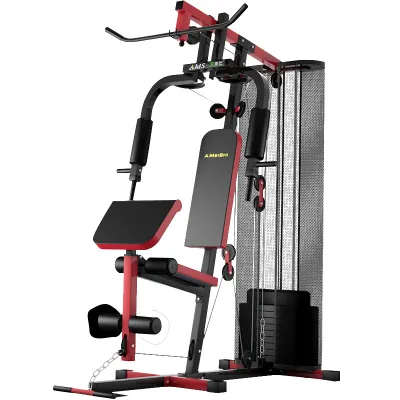
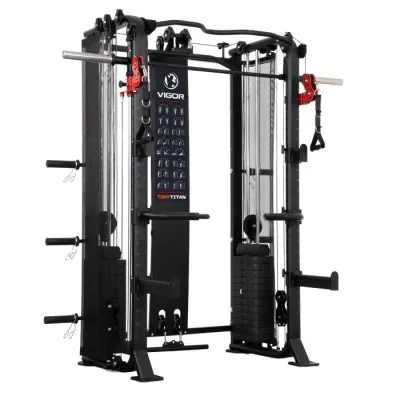
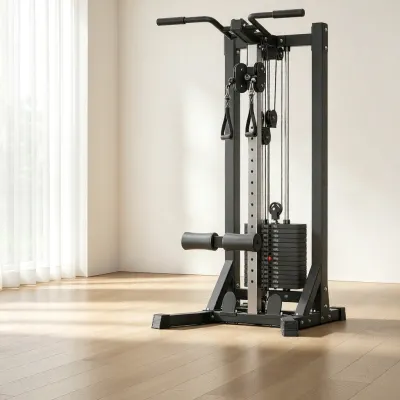
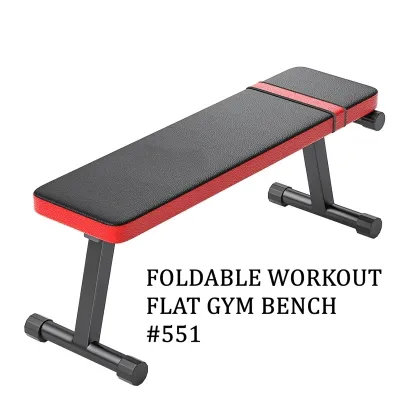
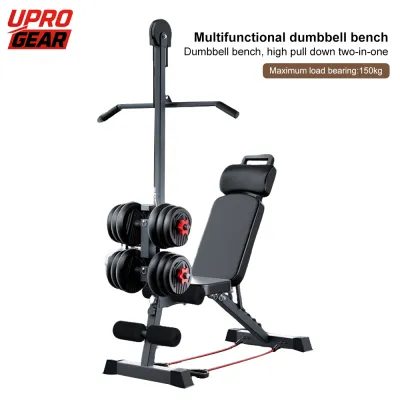
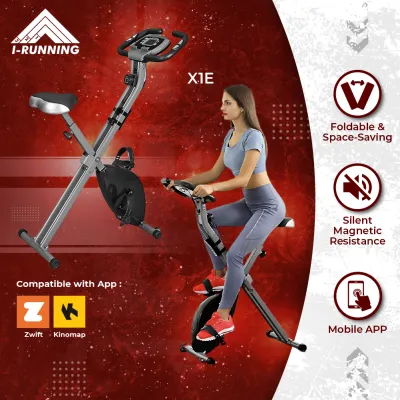
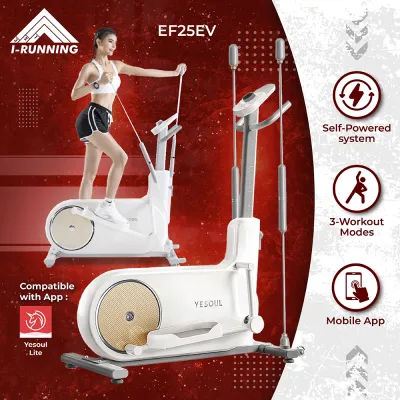
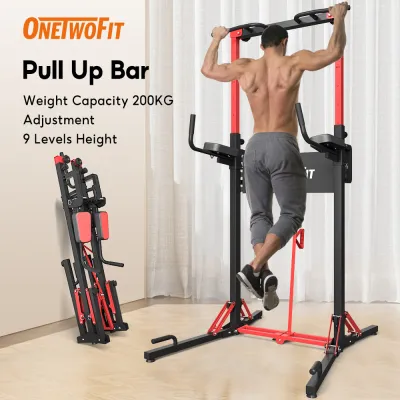
Prices are valid at publication and may change. Please refer to the product page for the latest price.
Identify multi-use zones that can transition quickly between living and exercising. The edge of your living room or a corner of your bedroom can serve as an excellent temporary workout space. Ensure these zones do not block natural walkways, fire escape routes, or access to built-in wardrobes and balcony doors.
Be realistic about your setup and teardown time. If your equipment takes 20 minutes to assemble and disassemble every day, you are less likely to stick to your routine. Choose gear that matches your available workout window, prioritizing items that can be deployed or tucked away in under two minutes.
Selecting Space-Saving Strength and Cardio Equipment
When it comes to strength training, adjustable weights are the ultimate space-savers for small apartments. A single pair of adjustable dumbbells can replace an entire rack of fixed dumbbells, saving several square meters of floor space. When selecting adjustable dumbbells, verify the locking mechanism’s security and check the manufacturer’s weight increments to ensure they match your current strength level and progression goals.

Resistance bands and suspension trainers offer an exceptionally high ratio of exercise variety to storage volume. These tools rely on your body weight or elastic tension, requiring virtually zero floor space when stored. Suspension trainers can be anchored to sturdy doors, but you must verify that the door frame and hinges can safely support your body weight during dynamic movements.
Cardio equipment is notoriously bulky, but modern designs offer highly compact alternatives. If you prefer running or cycling, look for folding treadmills or slim under-desk walking pads that can slide under a sofa or stand upright against a wall. Always check both the folded and in-use dimensions provided by the manufacturer to confirm the machine fits your space when fully extended.
Prioritize multi-functional equipment that serves more than one purpose. A flat utility bench that folds completely flat can double as a step-up platform or a support for seated exercises, then slide under your bed when not in use. Avoid single-purpose machines, such as dedicated leg press units, which permanently occupy valuable floor space and offer limited exercise variety.
Before finalizing any purchase, create a checklist of the equipment’s physical specifications. Verify the maximum weight capacity, the footprint when in use, and the clearance required for safe operation. This step ensures you do not buy gear that is too large or unsafe for your specific body size and fitness level.
Smart Storage and Layout Optimization
Maximizing a small home gym layout requires thinking vertically. Instead of letting gear clutter your floor, utilize vertical storage solutions such as freestanding weight trees or heavy-duty storage racks. If you use wall-mounted organizers for lighter items like resistance bands, jump ropes, or yoga mats, ensure they are securely fastened to non-structural partition walls using appropriate wall plugs.
Look for gear designed with built-in nesting, stacking, or folding features. Kettlebells with flat bases can be neatly lined up in a corner, while nesting plyometric boxes can be stacked inside one another to minimize their footprint. Choosing equipment that integrates these design elements makes post-workout cleanup fast and effortless.
Keep your workout pathways completely clear of tripping hazards. When planning your layout, designate a specific “active zone” for movement and a separate “storage zone” for weights not currently in use. Tripping over a stray dumbbell during a high-intensity interval or dynamic movement can lead to severe injury, so maintaining a tidy floor is a matter of basic safety.
Floor Protection, Noise Control, and Installation Limits
Protecting your HDB flooring is essential to avoid costly damage and maintain a good relationship with your neighbors. High-density rubber mats or interlocking foam tiles are highly recommended to absorb the impact of dropped weights and prevent scratches on vinyl, laminate, or tile floors. Choose mats that are thick enough to dampen vibrations without being so soft that they compromise your stability during heavy lifts.
Be mindful of the structural load-bearing limits of your flat. While typical residential floors are designed to handle standard household loads, concentrated heavy weights—such as a loaded barbell rack—should be distributed across a wider surface area. Avoid concentrating hundreds of kilograms of weight in a single, small spot, and store heavy plates close to structural walls or columns where the floor is strongest.
Drilling into HDB walls comes with strict structural limitations. Structural walls, columns, and beams are made of reinforced concrete and must never be drilled into or altered, as this can compromise the building’s integrity. Only non-structural partition walls or brick walls are suitable for drilling, and even then, you must verify the wall’s composition and load capacity before mounting heavy equipment like cable pulleys.
If you ever experience structural doubts, stop the installation immediately. Do not attempt to mount heavy equipment if you are unsure of the wall type or the correct fasteners to use. Consult a qualified professional contractor or check your building’s floor plans and guidelines to ensure your setup is completely safe and compliant.
Frequently Asked Questions (FAQ)
Can I install a wall-mounted pull-up bar in my HDB flat?
Installing a wall-mounted pull-up bar requires careful verification of your flat’s wall types. You must never drill into structural reinforced concrete walls or pre-cast panels, as doing so violates housing regulations and can cause structural damage. If you plan to mount a bar on a non-structural brick or partition wall, ensure you use heavy-duty wall anchors designed for the specific wall material and verify that the wall can support both the equipment and your dynamic body weight.
As a safer, non-invasive alternative, consider a high-quality door-frame pull-up bar. If you choose this option, verify the door frame’s material and structural strength, as plastic or weak wooden frames can warp or crack under pressure. Always check the manufacturer’s weight limits and ensure the bar is securely locked in place before every single use to prevent falls.
If you are uncertain about your wall’s composition, the load-bearing capacity, or the correct drilling techniques, it is best to consult a professional contractor. A qualified installer can assess your walls and safely mount the equipment, ensuring it remains secure during intense workouts.
How do I prevent noise complaints from downstairs neighbors during workouts?
Minimizing impact noise is crucial when working out in a shared residential building. Use layered floor protection, such as a base layer of high-density rubber tiles topped with a thick exercise mat, to absorb shock and reduce the transmission of low-frequency vibrations through the concrete floor. Avoid dropping weights directly onto the floor, and use controlled descents for every repetition to keep noise to a minimum.
Consider modifying high-impact exercises to low-impact alternatives if you live above sensitive neighbors. For example, replace jumping jacks with low-impact step-outs, or swap high-knees for weighted marches. These modifications maintain your workout intensity while drastically reducing the thumping sounds that travel through the building’s structure.
Finally, schedule your workouts during reasonable hours of the day. Respect community living guidelines by avoiding early morning or late-night sessions when neighbors are sleeping. Keeping your workouts within standard daytime or early evening hours is a simple and effective way to maintain neighborly harmony.
Community discussion
Share your experience or ask a question. Comments are reviewed before publication.