
Finding space for fitness equipment in a Singapore HDB flat is a balancing act. When it comes to pelvic floor (pubococcygeus or PC) muscle trainers, the market ranges from tiny handheld devices to large, dedicated treatment chairs. Choosing the right one requires matching your personal wellness goals with the physical realities of your floor plan. You can achieve effective pelvic floor training without cluttering your living room or bedroom, provided you select a device category that aligns with your storage capacity and daily routine.
Understanding PC Muscle Trainers and Their Spatial Footprint
Pelvic floor muscle trainers are specialized devices designed to help users identify, contract, and strengthen the PC muscles. These muscles support the bladder, bowel, and uterus, playing a critical role in core stability and intimate health. While the physiological benefits of training are consistent, the physical footprint of these devices varies dramatically based on the technology they employ.
Ultra-compact wearable or biofeedback devices represent the smallest end of the spectrum. These units typically consist of a small internal or external sensor that transmits data to a smartphone app. Because they are designed for active, short-duration sessions, they require virtually zero dedicated floor space. When not in use, they can be tucked away in a vanity drawer, a bedside organizer, or a small storage pouch, making them ideal for highly constrained living environments.
Products mentioned in this guide
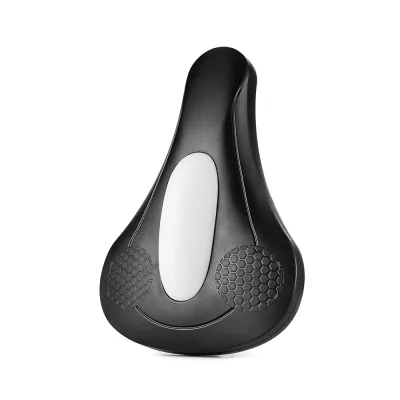
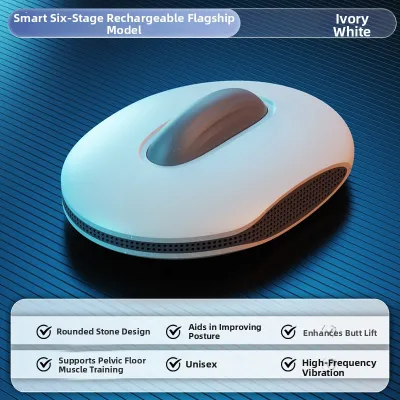

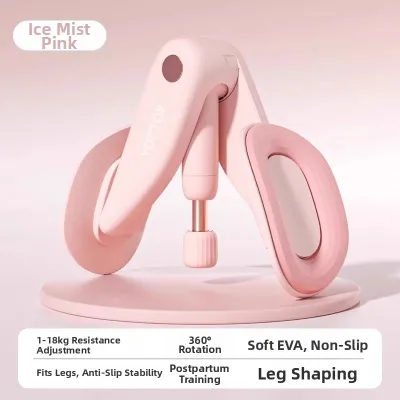
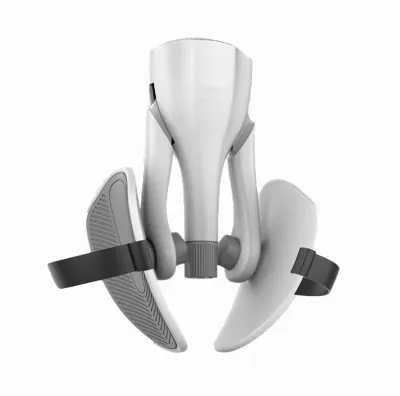
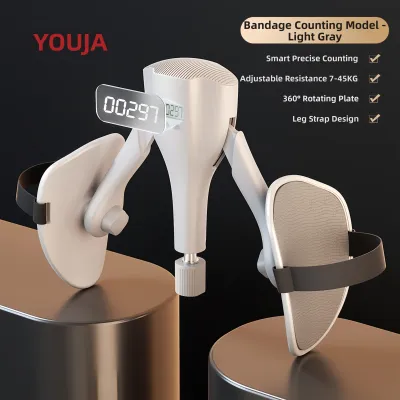
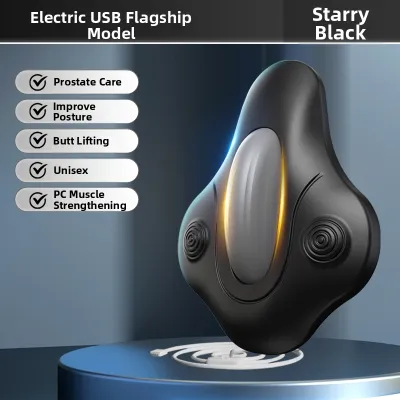
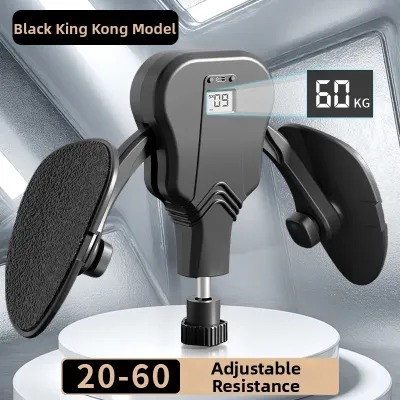
Prices are valid at publication and may change. Please refer to the product page for the latest price.
In contrast, seated magnetic or electrical stimulation chairs and active cushions represent a much larger spatial commitment. These devices use electromagnetic fields or electrical pulses to stimulate the pelvic floor muscles while you sit comfortably on them. While they offer a non-invasive, hands-free training experience, they function as semi-permanent furniture. Understanding this fundamental difference in spatial footprint is the first step in determining which type of trainer can realistically fit into your home without disrupting your daily life.
How to Measure Your HDB Space for Seated Equipment
If you decide that a seated PC muscle trainer is the right choice for your physical needs, you must carefully measure your HDB flat’s layout before making a purchase. Relying solely on the manufacturer’s static product dimensions can lead to layout conflicts once the equipment arrives.

First, measure the actual floor footprint of the unit and compare it to the required operational clearance. You need to account for the space required to sit down, stand up, and stretch your legs comfortably during a session. Furthermore, map out the path for the power cord. Seated units must be placed near a wall outlet, and the cord must be routed safely along walls or under furniture to prevent tripping hazards in high-traffic areas.
Second, consider the logistical path from the delivery truck to your designated training room. In many HDB estates, navigating narrow corridors, elevator doors, and main entrance frames can be challenging for bulky items. Measure the width of your main door, bedroom doors, and any tight hallway turns. If a seated unit cannot clear these entry points, you may be forced to leave it in an inconvenient location, such as the living room entryway.
Finally, evaluate how the equipment will integrate with multi-purpose room usage. Many HDB bedrooms double as home offices, meaning space is shared between wardrobes, desks, and beds. Ensure that placing a seated trainer in the room will not block wardrobe doors, prevent desk drawers from opening fully, or restrict the natural walking path between the bed and the doorway.
Comparing Space-Saving PC Muscle Trainer Categories
Choosing the right PC muscle trainer involves balancing space efficiency with your personal comfort and lifestyle preferences. The primary trade-off lies between zero-footprint wearable technology and space-conscious seated hardware.
To evaluate “compact” claims in product descriptions, you must look past marketing buzzwords and focus on specific design features. A truly space-saving device should either disappear completely when stored or serve a dual purpose in your home layout.
Ultra-Compact Smart and Biofeedback Devices
These devices are designed for maximum space efficiency, making them highly suitable for small apartments where floor space is at a premium.
- Storage and Privacy: In a shared HDB household, keeping personal wellness devices private is often a priority. Look for smart trainers that come with discreet, neutral-looking storage cases or charging docks. These can sit unobtrusively on a closet shelf or inside a bathroom cabinet without drawing attention.
- Hygiene and Material Safety: Because wearable devices come into direct contact with the body, verifying material safety is essential. Ensure the device is made from medical-grade, non-porous silicone that is easy to sanitize. After cleaning the device with mild soap and water, it must be allowed to dry completely before storage. In Singapore's humid climate, storing a damp device in a closed case can encourage mold growth, so proper ventilation during drying is critical.
- App Connectivity and Usability: Most smart biofeedback trainers pair with a smartphone app to guide you through exercises. Verify that the app is intuitive and offers clear visual cues. These devices are ideal for users who prefer to train while multitasking or those who travel frequently, as the entire setup can fit easily into a travel bag.
Compact and Foldable Seated Stimulators
For users who prefer a non-invasive, external training method, compact seated stimulators or active cushions offer a viable alternative, provided you select a design optimized for small spaces.
- Foldability and Portability: Some modern seated trainers feature folding frames or lightweight designs that allow them to be moved easily. Verify the total weight of the unit before buying. If you plan to store the device under a bed or inside a wardrobe when not in use, it must be light enough to lift safely. Look for models equipped with built-in wheels or carrying handles to protect your vinyl or laminate flooring during transport.
- Power and Cord Management: Seated stimulators typically require a direct connection to a wall outlet. Ensure the power cord is long enough to reach your designated training spot without stretching taut across a walkway. Inspect the unit for built-in cord wraps or storage compartments that keep the cable tidy when the device is put away.
- Structural Integrity: Folding mechanisms must be robust enough to withstand repeated use. Inspect the hinges, latches, and locking joints to ensure they are made from high-quality materials, such as reinforced metals or heavy-duty plastics. A flimsy folding mechanism can compromise the stability of the seat, leading to safety hazards during active training sessions.
Essential Setup and Effectiveness Checks
Once you have selected a PC muscle trainer that fits your spatial constraints, you must ensure that its setup does not compromise its effectiveness, your comfort, or your home’s safety.
First, verify that the device offers adjustable intensity levels and a variety of training programs. Your pelvic floor muscles require progressive overload to grow stronger, meaning the trainer must be able to adapt as your strength improves. A device with limited settings may quickly become obsolete as you progress.
Second, pay close attention to ergonomics. A seated trainer must support your body frame in a way that aligns your pelvis correctly. Poor posture during training can reduce the effectiveness of the stimulation and place unnecessary strain on your lower back. If you are using a portable cushion stimulator, ensure the chair you place it on provides adequate back support and keeps your knees at a comfortable ninety-degree angle.
Third, check the manufacturer’s guidelines regarding clearance and ventilation. Seated stimulators contain electrical components that generate mild heat during operation. Placing the unit flush against a wall, heavy curtains, or wooden wardrobe panels can restrict airflow and cause the motor to overheat. Always maintain the recommended clearance around the unit’s vents and ensure it is plugged directly into a safe, stable power source rather than a daisy-chained extension cord.
Common Spatial and Logistical Mistakes to Avoid
Bringing new fitness equipment into a small HDB flat can easily lead to layout clutter if you do not plan ahead. Avoiding a few common pitfalls can save you time, money, and frustration.
One frequent mistake is ignoring the visual bulk and color contrast of the equipment. A large, dark-colored seated trainer placed in a small, brightly lit bedroom can create a visual bottleneck, making the room feel significantly smaller and more cluttered. When possible, choose devices with neutral tones, or select models that can double as standard household furniture, such as an ottoman or a desk stool.
Another logistical error is failing to check delivery and return policies before purchasing. When buying larger seated units from an online marketplace, always review the terms regarding return shipping and restocking fees. If the equipment arrives and does not fit your space, returning a bulky item can be incredibly expensive, with return shipping costs sometimes exceeding S$100. Additionally, check if the seller offers disposal services for any old furniture you might need to replace to make room for the trainer.
Finally, never assume that “compact” marketing claims apply to the fully assembled, operational state of the product. Manufacturers often highlight the dimensions of the boxed product or the folded state in their promotional materials. Always calculate your space requirements based on the fully extended, active footprint of the machine, ensuring you have ample room to use it safely and comfortably.
Frequently Asked Questions (FAQ)
Can I use a seated PC muscle trainer in a shared bedroom?
Yes, but you must consider noise levels and privacy. Seated magnetic or electrical stimulators often produce a low humming, clicking, or vibrating sound during operation. Before purchasing, check the manufacturer’s specifications for decibel (dB) ratings; a quiet unit (under 50 dB) is ideal for shared spaces. To maintain privacy, you can set up a simple folding screen or utilize a corner of the room zoned away from the main doorway or desk area.
Do wearable trainers require special storage conditions?
Yes. Because Singapore experiences high humidity year-round, wearable biofeedback devices must be stored in a cool, dry place away from direct sunlight. After washing the device according to the manufacturer’s instructions, ensure it is completely dry before placing it in its storage case. Keep the charging dock and device out of reach of children and pets, preferably in a high cabinet or a locked drawer, to prevent accidental damage or hygiene compromise.
Community discussion
Share your experience or ask a question. Comments are reviewed before publication.