
The most practical push up bar for a small HDB flat is one that balances structural stability with a highly compact storage footprint, such as foldable or nesting designs. Because space in typical Singapore apartments is limited, fitness equipment must easily tuck away into a drawer, wardrobe shelf, or under-bed storage area when not in use. Selecting the right model involves evaluating your specific storage dimensions, verifying floor protection features, and choosing a design that matches your workout routine without adding visual clutter to your living space.
By focusing on collapsible frames or stackable shapes, you can maintain a consistent home workout routine without sacrificing valuable floor area. The key is to find a balance where the equipment is robust enough to support your body weight safely during exercises, yet small enough to disappear from view when your workout is complete.
Measuring Your HDB Workout and Storage Space
Before purchasing any fitness equipment, you must accurately assess both the active workout area and the designated storage spot in your flat. A common oversight is only measuring the physical footprint of the push up bar itself, rather than the total space required for your body during exercise.
Products mentioned in this guide
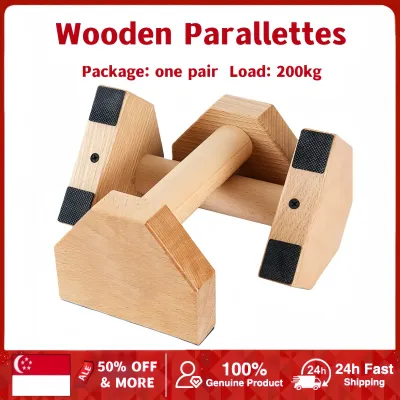
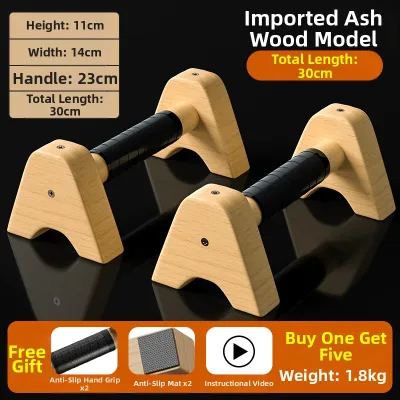
![🇸🇬 [READY STOCK] 2PCS Wooden Parallettes (30CM 50CM LENGTH)Handstand Pushups Stands Bars Gymnastic Russian Style Stretch Push-Ups Double Rod](https://img.lazcdn.com/g/p/b99799540fc942ab54f232614eacbbb2.jpg_400x400q80.jpg_.webp)
Prices are valid at publication and may change. Please refer to the product page for the latest price.
To determine your active workout space, measure a clear floor area that accommodates your full body extension in a plank position. You will need to account for your height plus an additional thirty to fifty centimeters of clearance at both your head and feet to prevent bumping into walls or furniture. Additionally, ensure there is sufficient lateral clearance for your elbows to flare outward during wide-grip push-ups.
Next, measure the exact dimensions of your intended storage location. If you plan to store the bars under a bed or sofa, measure the vertical clearance from the floor to the bottom of the furniture frame. For wardrobe shelves or drawers, note the height, width, and depth limits to ensure the equipment can be stored flat or upright without forcing the doors or drawers shut.
Finally, take note of the surrounding environment in your HDB layout. Consider door swing paths, narrow corridors, and the proximity of fragile items like TV consoles or glass coffee tables. Ensuring a clear path around your workout zone prevents accidental collisions and allows you to focus entirely on your form.
Space-Saving Push Up Bar Designs for Compact Homes
Manufacturers offer several structural designs specifically engineered to minimize the physical footprint of home workout gear. Understanding the trade-offs of each design helps you choose the one that best fits your storage constraints and exercise preferences.

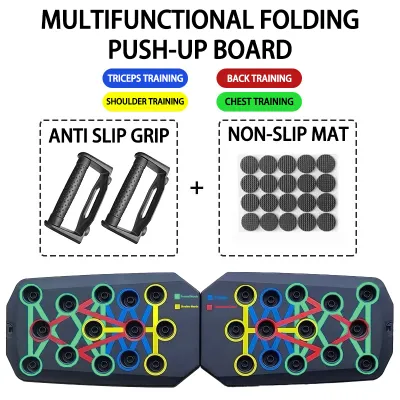
Foldable or collapsible push up bars feature built-in hinge mechanisms that allow the handles to fold flat against the base. When evaluating these models, inspect the locking pins or latch systems to ensure they remain completely rigid under load. While they offer an exceptionally flat storage profile, you must verify that the hinges do not compromise stability during dynamic movements.
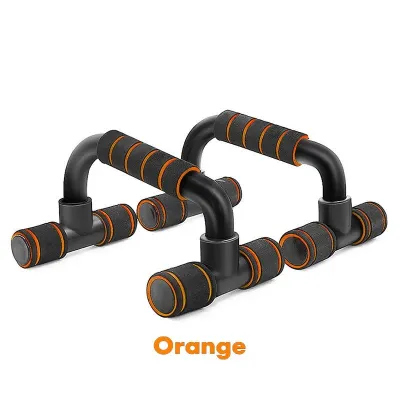
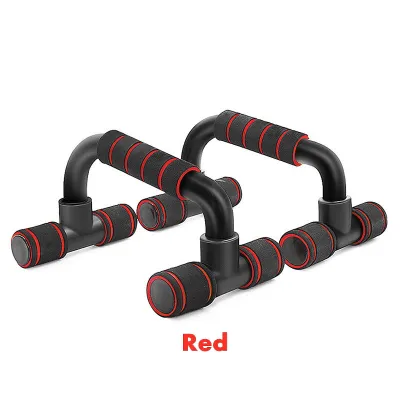
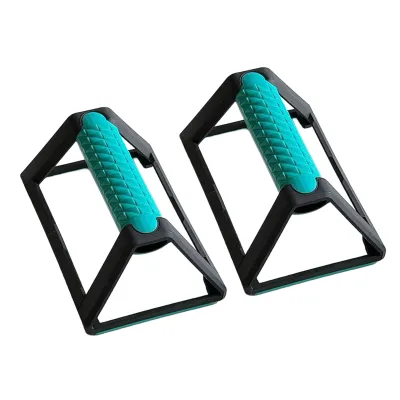
Stackable or nesting designs rely on interlocking shapes to minimize storage volume. These bars typically feature a curved, single-piece frame where one bar fits neatly inside or on top of the other. Because they have no moving parts or hinges, nesting designs are highly durable and stable, though they may require slightly more vertical shelf space than completely flat-folding models.
Multi-functional equipment, such as push up bars that double as dumbbells, parallettes, or balance boards, can save space by consolidating multiple tools into one. However, these hybrid designs are often bulkier and heavier than dedicated push up bars. Weigh the actual utility of the extra features against the added storage volume to ensure you are not buying unnecessary bulk.
Wall-mounted or door-frame alternatives, such as pull-up bars with lower handles, offer excellent stability but come with structural and practical limitations. In an HDB flat, drilling into concrete walls requires appropriate tools and may not be permitted in rental units. Door-frame models must be checked against the specific width and trim depth of your doors to prevent structural damage or safety hazards during use.
Key Features to Check for Small-Space Usability
When shopping on an online marketplace or at a local sporting goods store, look past aesthetic appeal and focus on specific product specifications that impact daily usability in a compact home.
The base design and grip width are critical for both stability and storage. A wider base provides greater lateral stability, which is essential for advanced variations, but it also occupies more floor and shelf space. Look for models with a streamlined base that still offers a secure grip width to match your shoulder span without unnecessary overhang.
Weight and portability dictate how easily you can transition from storage to workout mode. Lightweight materials like high-strength plastics or aircraft-grade aluminum make the bars easy to retrieve from high shelves or deep closets. However, ensure the lightweight construction does not compromise the manufacturer’s stated weight capacity.
Floor protection is non-negotiable for preserving typical HDB flooring, such as vinyl wraps, laminate wood, or ceramic tiles. Verify that the base of the push up bar is equipped with non-slip rubberized feet or dense foam padding. These materials prevent the equipment from sliding during use and protect your floors from scratches, scuffs, and pressure marks.
Always check the manufacturer’s weight capacity limits to ensure the equipment can safely support your body weight plus any weighted vests you might use. Opting for commercial-grade, heavy steel bars is rarely necessary for home use and often results in bulky, difficult-to-store equipment that clutters your living area.
Practical Storage and Setup Routines for Small Flats
Integrating fitness equipment into a small home requires a systematic approach to storage and setup to prevent your living room from looking like a commercial gym. Establishing a simple routine helps maintain the primary functions of your living space.
Start by defining a dedicated workout zone using a foldable or rollable exercise mat. The mat serves a dual purpose: it protects your flooring from sweat and equipment impact, and it visually defines your exercise boundary. Once your workout is complete, the mat can be rolled up and stored alongside your push up bars.
Utilize vertical storage solutions to keep your floor space clear. Wall-mounted hooks inside utility closets or on the back of bedroom doors are excellent for hanging nesting or lightweight push up bars. Alternatively, utilize under-furniture gaps by placing the bars in a shallow storage bin that slides easily under your bed or sofa.
Establish a quick setup and teardown routine that takes less than two minutes. If your equipment is difficult to retrieve or assemble, you are less likely to use it consistently. Keep your push up bars in an easily accessible spot, and return them to their designated storage space immediately after your workout to maintain a clutter-free home.
Common Space-Planning Mistakes to Avoid
Avoiding common purchasing and planning errors can save you from wasting money on equipment that ends up unused or causes damage to your home.
One of the most frequent mistakes is ignoring the full range of motion required during exercise. A push up bar might fit perfectly on your floor, but if your head or feet collide with a wall, wardrobe, or sofa during a repetition, the setup is unusable. Always test your body clearance in a standard plank position before finalizing your equipment placement.
Another mistake is prioritizing heavy, ultra-wide stability over practical home storage. While wide-base parallettes offer excellent stability for advanced gymnastics moves, they are often impossible to store discreetly in a standard HDB flat. Unless you are training for high-level gymnastics, standard-sized, compact push up bars offer more than enough stability for traditional strength training.
Finally, always check the retailer’s return policy before making a purchase. Even with careful measurements, you may find that the equipment does not fit your intended storage drawer or feels unstable on your specific flooring. A flexible return policy ensures you can exchange the item for a more suitable design without financial loss.
Frequently Asked Questions (FAQ)
Can I use a push up bar on a typical HDB tiled floor without damaging it?
Yes, you can use a push up bar on HDB tiled floors, provided you take a few protective measures. First, inspect the base of the equipment to ensure the non-slip rubber or silicone pads are intact and free of debris. Placing a high-density exercise mat underneath the bars is highly recommended, as it distributes your weight evenly and prevents the hard edges of the bar from scratching the tiles or damaging the grout lines. Additionally, sweep the floor before your workout to remove any loose grit or sand that could grind under the equipment base during use.
Are rotating push up bars worth the extra storage space?
Rotating push up bars can be highly beneficial if you suffer from wrist discomfort, as the rotating handles allow your wrists to turn naturally during the exercise. However, these models feature a wider, circular base and internal ball-bearing mechanisms that make them significantly bulkier and heavier than fixed alternatives. If storage space is your absolute priority, fixed, stackable, or foldable push up bars are generally more practical. If you require rotating handles for joint health, ensure you have a dedicated drawer or shelf space that can accommodate their larger, non-collapsible dimensions.
Community discussion
Share your experience or ask a question. Comments are reviewed before publication.