
Finding a recumbent exercise bike that fits comfortably in a Singapore HDB flat or compact condominium requires balancing the ergonomic benefits of a reclined workout with the physical realities of limited floor space. Because recumbent bikes position your body in a semi-reclined posture with your legs extending forward, they naturally occupy a larger footprint than upright stationary bikes. To prevent your fitness equipment from dominating your living room or bedroom, you must focus on precise spatial planning, structural design features, and verification of manufacturer specifications before making a purchase.
Unlike upright bikes where your body weight is centered directly over the pedals, a recumbent bike requires a longer frame to accommodate the angled seat and forward-facing pedal crank. This layout means that even a compact model can quickly crowd a standard room if you do not plan for both its physical footprint and the space required to use it safely. By understanding how to measure your home and what design elements to prioritize, you can maintain an active lifestyle without sacrificing the flow and comfort of your living space.
How to Measure Your Space for a Recumbent Bike
Before browsing online marketplaces or visiting local fitness showrooms, you must determine the exact spatial limits of your intended workout area. Measuring for a recumbent bike involves calculating two distinct footprints: the static footprint and the dynamic operational footprint. The static footprint is the physical measurement of the bike when it is idle or folded. The dynamic operational footprint includes the extra space required when a rider is actively pedaling, which extends beyond the physical frame of the machine as your legs reach full extension.
Products mentioned in this guide
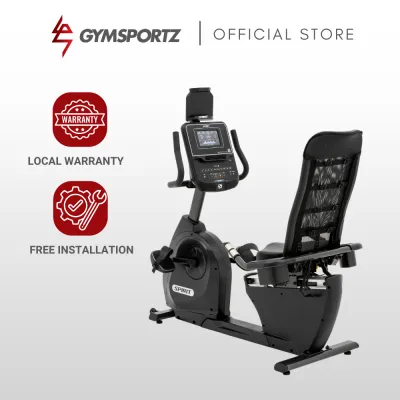
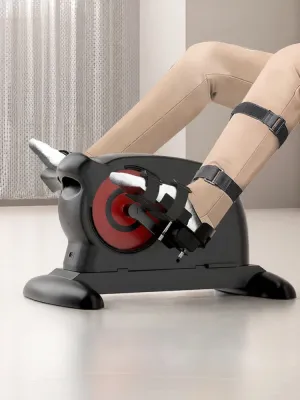
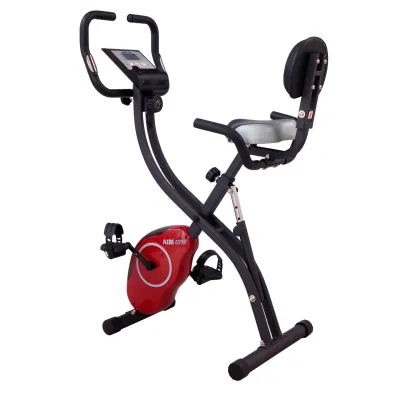
Prices are valid at publication and may change. Please refer to the product page for the latest price.
To calculate the dynamic footprint, measure the distance from the back of the seat to the furthest point your feet will reach during a pedal stroke. You must also account for peripheral clearance. Leave at least 50 to 60 centimeters of open space on at least one side of the bike to allow for safe mounting and dismounting. If the bike is positioned near a wall, wardrobe, or television console, this buffer prevents accidental bumps and ensures you can easily get on and off the seat without straining.
Delivery pathways are another critical consideration that buyers often overlook. Singapore HDB flats and apartments frequently feature narrow corridors, tight structural corners, and specific door frame dimensions. Measure the width and height of your apartment’s main entrance, bedroom doors, and any hallway turns the box must clear during delivery. If you live in an apartment block, check the internal dimensions and weight capacity of the passenger lift to ensure the delivery team can transport the packaged unit to your floor without obstruction.
Finally, consider the proximity of your workout space to electrical outlets and ventilation sources. If your chosen model requires a mains power connection for its console or motorized magnetic resistance, map out a safe cable route. Avoid stretching power cords across high-traffic walkways where they present a tripping hazard. Position the bike in an area with adequate airflow, such as near a window or directly under a ceiling fan, to ensure comfortable workouts in Singapore’s warm climate.
Space-Saving Design Features to Look For
When space is limited, specific structural and mechanical features can make a significant difference in how easily a recumbent bike integrates into your home. The most common choice is between a folding frame and a fixed compact frame. Folding recumbent bikes typically utilize an X-frame design or a central hinge that allows the machine to collapse vertically when not in use. While folding models offer excellent space savings for storage, the folding joints can experience mechanical wear over time, which may slightly reduce the overall rigidity of the frame during high-intensity workouts.

Fixed compact frames do not fold, but they are engineered with a shorter overall length than standard commercial recumbent bikes. These models rely on a heavy-duty, single-piece frame that offers superior stability and durability. If you choose a fixed-frame model, look for integrated transport wheels on the front stabilizer bar. These wheels allow you to lift the rear of the bike and roll it into a corner, study, or utility closet when your workout is complete, minimizing its impact on your daily living area.
Adjustable leveling feet are another essential feature for maintaining stability on typical apartment flooring. HDB flats often feature ceramic tiles, vinyl planks, or parquet flooring that may have minor surface unevenness. Leveling feet allow you to adjust each corner of the bike independently, ensuring the frame remains perfectly stable and does not rock or slide during use. This stability is crucial for preventing frame squeaks and protecting your floor from uneven wear.
Step-through frame designs are highly beneficial in tight spaces. A step-through design features a low-profile frame barrier between the seat and the console, allowing you to step directly into the seating area rather than lifting your leg high over a central housing unit. In confined spaces where side clearance is restricted by walls or furniture, a step-through frame makes mounting and dismounting significantly safer and more comfortable, especially for users with limited mobility.
How to Evaluate Compact Recumbent Bike Models
Evaluating compact recumbent bikes requires a systematic approach that goes beyond reading marketing descriptions. Always cross-reference the manufacturer’s official specification sheets for the exact assembled dimensions (Length × Width × Height). Ignore the shipping box dimensions, as these do not reflect the actual space the bike will occupy once assembled. Pay close attention to the maximum length specification, as this determines whether the bike will fit within your measured workout zone.
Weight capacity is a critical indicator of structural integrity, especially for compact and folding frames. Ultra-compact frames often use lighter materials or thinner steel tubing to keep the machine portable, which can result in a lower maximum user weight limit. A frame that is too light may flex, vibrate, or slide across the floor when you pedal at higher resistance levels. Verify that the bike’s rated weight capacity comfortably exceeds your body weight to ensure a stable, squeak-free workout experience.
Before finalizing a purchase, download the product’s user manual from the manufacturer’s website. Review the installation and safety sections to check for specific floor mat requirements and minimum clearance distances mandated by the manufacturer. Some brands specify a mandatory one-meter clearance zone around the entire machine to maintain warranty coverage or ensure safe operation. Understanding these requirements beforehand helps you avoid purchasing a machine that is technically too large for your room layout.
Local warranty terms and service availability are vital considerations for buyers in Singapore. Because space-saving bikes rely on moving parts, folding hinges, and locking pins, they are subject to regular mechanical stress. Verify that the brand or local distributor offers a reliable warranty that covers frame structural integrity, electronic consoles, and wear-and-tear parts. Ensure that authorized service technicians are available locally to perform on-site repairs, as transporting a heavy, partially disassembled exercise bike to a repair center can be difficult and costly.
Safe Setup and Daily Use in Small Apartments
Once you have selected a compact recumbent bike, proper installation and daily maintenance are essential for protecting your home and ensuring personal safety. Always place a high-density equipment mat underneath the bike. HDB flooring materials, particularly vinyl and timber parquet, can easily suffer indentations, scratches, or discoloration from the concentrated weight of the bike’s stabilizer feet. A high-density PVC or rubber mat absorbs vibrations, catches sweat, and dampens operational noise, which is especially important for keeping peace with downstairs neighbors.
Cable management is another key safety aspect of setting up your exercise space. If your bike uses an external power adapter, secure the cable along the baseboards using adhesive cord clips or a low-profile floor cable cover. Never run power cords under rugs or carpets, as this can cause heat buildup and pose a fire hazard. Additionally, ensure that you wear appropriate workout attire; avoid loose-fitting trousers, long laces, or wide-hemmed sweatpants that could become caught in the pedal cranks or exposed drive belt housings.
Establish a simple monthly inspection routine to keep your bike in safe working order. Check all folding hinges, locking pins, and quick-release knobs for signs of wear, metal fatigue, or loosening. Inspect the seat rail slider and tighten any adjustment bolts that may have vibrated loose over time. If your bike uses a magnetic resistance system, listen for any unusual rubbing or clicking sounds from the flywheel housing, which could indicate alignment issues that require professional attention.
By taking the time to measure your space accurately, selecting a model with genuine space-saving features, and maintaining the equipment properly, you can enjoy the low-impact cardiovascular benefits of a recumbent exercise bike without compromising the comfort and functionality of your Singapore home.
Frequently Asked Questions (FAQ)
Do folding recumbent bikes compromise on stability?
Folding recumbent bikes generally have a higher center of gravity and a narrower footprint than fixed-frame models, which can make them feel less stable during high-intensity workouts. To ensure safety, always check the manufacturer’s maximum user weight rating and choose a model with wide stabilizer bars. If you plan to perform high-resistance training or sprint intervals, a compact fixed-frame model with transport wheels will offer greater stability and rigidity than a folding variant.
How much clearance do I need in front of the bike?
You must account for the maximum extension of your legs during the pedaling motion to prevent your feet or knees from striking nearby walls or furniture. To calculate this, add your inseam length or the maximum seat-rail extension to the base length of the bike frame. It is recommended to maintain at least 30 to 50 centimeters of clear space beyond your furthest foot extension to ensure a safe and comfortable workout.
Community discussion
Share your experience or ask a question. Comments are reviewed before publication.