
For residents living in small Singapore Housing & Development Board (HDB) flats, selecting home fitness equipment requires a careful balance between utility and spatial efficiency. The best wrist and ankle weights for compact homes are those that offer a minimal physical footprint, utilize modular or adjustable weight systems to replace multiple individual pairs, and feature moisture-resistant materials like silicone or treated neoprene that can be easily wiped down and stored in standard drawers. By prioritizing sleek, rollable, or flat-folding designs, you can maintain a clutter-free living area while still enjoying the benefits of progressive resistance training.
Unlike bulky strength training gear, wearable resistance integrates seamlessly into existing household storage systems. Choosing the right pair involves understanding how different materials, weight distribution methods, and fastening systems perform in a humid tropical climate, as well as how easily they can be tucked away when not in use.
Why Wrist and Ankle Weights Are Ideal for Compact Homes
Traditional strength training equipment presents a significant storage challenge in modern HDB apartments, where floor space is at a premium. Dumbbells, kettlebells, and barbell sets require dedicated floor racks or heavy-duty storage boxes to prevent damage to vinyl, laminate, or tile flooring. Furthermore, as your strength progresses, a growing collection of fixed-weight dumbbells quickly encroaches on your living room or study. Resistance machines are even more restrictive, often demanding a permanent footprint that reduces the versatility of shared family spaces.
Products mentioned in this guide
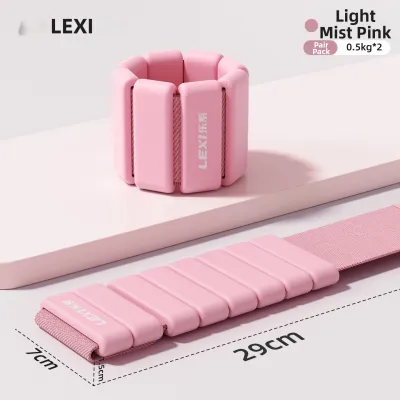
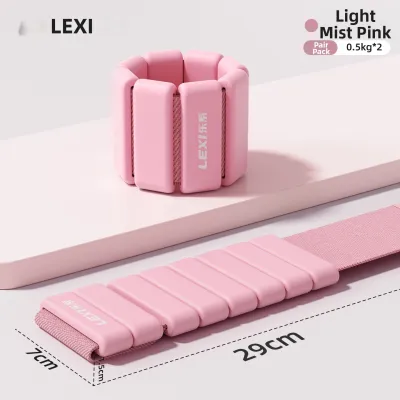
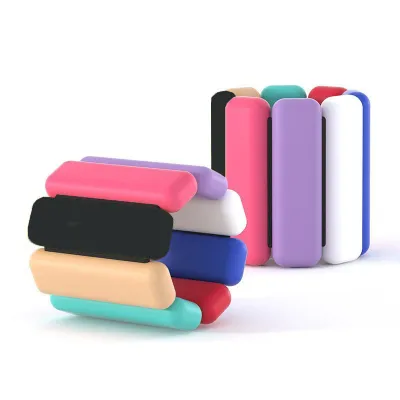
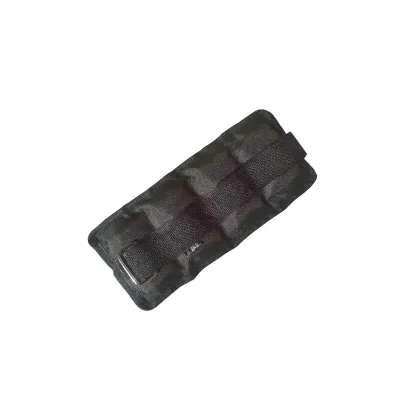
![🇸🇬 [In Stock]Ankle Wrist Weights[1Pair/2LB]Silicone Adjustable Weight Sports Wristbands Exercise Gravity Belt Wrist Band](https://img.lazcdn.com/g/p/3e2fdd93670e08f6e0db68b84995b622.jpg_400x400q80.jpg_.webp)
![🇸🇬 [READY STOCK] MMB Stralo Adjustable Ankle Weights for Women and Men 0.5 -2.5kg Modularized Leg Weight Straps for Yoga Walking Running Aerobics Gym](https://img.lazcdn.com/g/p/d12b3b5b79d304b5d610a817f2b9cd16.jpg_400x400q80.jpg_.webp)
Prices are valid at publication and may change. Please refer to the product page for the latest price.
In contrast, wrist and ankle weights utilize a wearable design that completely eliminates the need for dedicated floor space. Because they wrap directly around your limbs, their physical footprint is limited to the dimensions of the product itself, rather than requiring a safe clearance zone for storage racks. When your workout is complete, these compact accessories do not leave behind unsightly metal frames or heavy plates that disrupt the visual flow of your home.
This compact form factor allows wearable weights to be integrated easily into standard household storage. They can be placed in shallow wardrobe drawers, slid into shoe cabinets, or tucked into decorative baskets alongside everyday items. By utilizing existing storage infrastructure, you avoid the need to purchase specialized fitness furniture, keeping your living environment open, tidy, and multi-functional.
What to Look for in Space-Friendly Wrist and Ankle Weights
Selecting the right wearable weights for a small apartment requires evaluating key design features that directly impact storage efficiency, hygiene, and long-term usability.

Adjustability vs. Fixed Weight
Opting for adjustable wrist and ankle weights is one of the most effective ways to save space. An adjustable pair features removable weight inserts—typically filled with steel shot, iron sand, or solid metal bars—allowing you to alter the resistance as your fitness level changes. This modular approach replaces three or four separate pairs of fixed weights, consolidating your entire progression system into a single physical footprint. While fixed-weight models are often sleeker and faster to put on, they require you to buy and store entirely new sets once the initial resistance becomes too light.
Material and Climate Considerations
Singapore’s high relative humidity levels make material selection a critical factor for home storage. Traditional canvas or low-grade neoprene weights easily absorb sweat and environmental moisture, turning them into breeding grounds for mold, mildew, and unpleasant odors when kept in dark, enclosed drawers. To prevent this, look for weights made from medical-grade silicone, high-density polyurethane, or specially treated water-resistant neoprene. Silicone-coated weights are non-porous, meaning they do not absorb sweat and can be wiped completely dry with a cloth immediately after use, making them highly suitable for immediate storage.
Fastening Mechanisms
The closure system of your weights determines how neatly they can be folded, rolled, or stacked.
- Velcro (Hook-and-Loop): Offers a highly customizable fit and allows the weights to be laid completely flat or wrapped tightly around themselves for storage. However, exposed hook-and-loop straps can snag delicate activewear or collect lint if stored loosely in a drawer.
- Buckles and Straps: Provide a secure hold for high-impact movements but add rigid, non-pliable bulk that can prevent the weights from folding flat.
- Magnetic or Slip-on Designs: Offer a very clean aesthetic with no dangling straps, though they typically provide less adjustability for different wrist and ankle circumferences.
Comparing Designs for Easy Storage and Daily Use
Different physical designs offer distinct trade-offs regarding how much space they occupy and how they perform during various exercises.
Adjustable Sand or Steel Shot Bags
Traditional ankle weights often consist of segmented fabric pockets filled with iron sand or steel shot. These designs excel at progressive resistance because you can slide individual weight packets in and out of the sleeves to match your target intensity. Steel shot is denser than sand, meaning steel-filled weights are generally slimmer and less bulky than their sand-filled counterparts of the same weight.
When shopping for this style with storage in mind, look for contoured, low-profile designs that can fold completely flat. Avoid models with thick, rigid plastic inserts or overly padded dividers that remain bulky even when empty. A high-quality, flat-folding fabric weight can easily slide beneath a stack of clothes or sit vertically in a drawer organizer like a book.
Silicone or Neoprene Wrap-Arounds
Silicone-coated wrap-around weights, which often feature rectangular steel weights bound together by a flexible silicone band, have become highly popular for their minimalist aesthetic. These weights are incredibly space-efficient because they can be rolled up into tight, compact cylinders or laid completely flat along the edge of a shelf.
Because the silicone exterior is entirely waterproof, these weights are exceptionally easy to maintain in humid environments. You can wash them under a tap, wipe them dry, and store them immediately without waiting hours for fabric fibers to dry. The primary trade-off is that they are almost always fixed-weight designs, meaning you cannot adjust the resistance of a single band; you must adapt your repetition scheme or movement speed to progress.
Weighted Compression Sleeves
Weighted compression sleeves represent the ultimate space-saving category, as they double as standard workout apparel. These sleeves feature micro-weights—often ultra-fine steel beads or flexible polymer gels—integrated directly into the elastic fabric of the sleeve. They slide onto your forearms or calves, providing a highly secure, non-slip fit that is excellent for dynamic cardio, running, or bodyweight training.
From a storage perspective, these sleeves require zero additional shelf or floor space. Once washed and dried, they are folded and stored in your wardrobe alongside your regular socks, compression gear, or activewear. However, they generally offer lower maximum weight capacities compared to dedicated strap-on weights, and because the weights are embedded, the entire sleeve must be washed regularly, which can accelerate wear if care instructions are not followed carefully.
Practical Storage Hacks for HDB Flats
Keeping your fitness gear organized in a small flat requires utilizing underused areas of the home and adopting smart maintenance habits.
- Utilize Vertical and "Dead" Space: Avoid letting your weights sit on the floor where they can become tripping hazards. Install adhesive utility hooks or a small pegboard on the inside of a wardrobe door, utility closet, or inside your HDB household shelter (bomb shelter). Hanging your weights by their straps keeps them off the ground, preserves their shape, and utilizes vertical space that would otherwise go unused.
- Co-Store with Existing Gear: To prevent loose straps from tangling or snagging other items, roll your wrist and ankle weights inside your yoga mat before securing the mat straps. Alternatively, keep them inside a small, dedicated mesh drawstring bag. This keeps all removable weight inserts, straps, and bands in one place, preventing pieces from getting lost in the back of deep cupboards.
- Air Out Before Storing: Never place damp weights directly into a dark, unventilated drawer. In Singapore’s humid climate, trapping sweat and moisture in a closed space guarantees mold growth. After every workout, hang your weights in a well-ventilated area, such as your service yard or near a window with indirect sunlight, to dry completely. Avoid leaving them in direct, harsh afternoon sunlight, as extreme heat can degrade the elasticity of neoprene and weaken the adhesive backing of Velcro straps.
Common Mistakes to Avoid When Buying for Small Spaces
When purchasing fitness gear under tight space constraints, it is easy to make decisions that result in unnecessary clutter or premature product degradation.
- Buying Multi-Piece Fixed Sets: Purchasing a complete set of fixed weights (such as a pair of 0.5kg, 1kg, and 2kg weights) immediately triples your storage requirements. Unless multiple family members are training simultaneously, a single high-quality adjustable pair is far more space-efficient and cost-effective.
- Ignoring Strap Management: Some weights feature excessively long Velcro straps designed to accommodate a very wide range of body sizes. If you have slender wrists or ankles, this leaves a long, loose tail of fabric that cannot wrap neatly around the weight, resulting in a messy, bulky shape that is difficult to pack away neatly.
- Choosing Cheap, Non-Breathable Fabrics: Low-cost nylon or cotton-blend weights often lack moisture-wicking properties. These fabrics absorb sweat deeply into their inner stuffing, making them incredibly difficult to dry thoroughly in enclosed apartments. Over time, the trapped moisture rots the stitching, leading to sand or steel shot leaking out onto your floors and storage spaces.
Frequently Asked Questions (FAQ)
Can I wear wrist and ankle weights all day around the house?
No, you should avoid wearing wrist and ankle weights continuously during daily household chores. Because these weights pull on your joints from the extremities, prolonged use can alter your natural biomechanics, place unnatural shear stress on your ligaments, and lead to joint misalignment or muscle strain in your hips, knees, and shoulders. For safety, limit their use to targeted, controlled exercise sessions lasting no more than 45 to 60 minutes.
How do I clean sweat off my weights before storing them?
Always check the manufacturer’s care label first, as cleaning methods vary by material. For silicone weights, wipe them down with a damp cloth and mild soap, then dry them immediately with a towel. For neoprene or fabric weights, hand wash them in cold water with a small amount of gentle detergent, gently squeeze out the excess water without wringing, and hang them to air-dry completely in a well-ventilated area before putting them away.
Community discussion
Share your experience or ask a question. Comments are reviewed before publication.