
Selecting the right swim goggles requires balancing hydrodynamic performance, long-term comfort, and your specific training environment. The Speedo Fastskin goggles lineup is designed to cater to different levels of swimmers, from competitive athletes looking to shave fractions of a second off their personal bests to fitness swimmers seeking a reliable, leak-free seal during long pool sessions. Finding the ideal model depends on identifying your primary swimming environment, how often you train, and your unique facial structure. By matching these personal factors with the specific design tiers of the Fastskin range, you can secure a pair of goggles that enhances your performance without causing discomfort or eye fatigue.
Identify Your Swimming Profile and Goggle Needs
Before browsing specific models, you must evaluate your primary swimming goals and how frequently you plan to use your gear. Swimmers preparing for competitive meets have vastly different requirements than those completing weekly laps for cardiovascular health. A race-day setup prioritizes hydrodynamics, featuring a low-profile frame that sits tightly within the eye socket to minimize drag during dives and turns. Conversely, daily training demands a focus on durability and sustained comfort, where a slightly larger frame with cushioned gaskets prevents painful pressure rings during extended sessions.
Your training frequency directly influences both your budget in S$ and the expected lifespan of your equipment. High-frequency swimmers who train multiple times a week in chlorinated pools will experience faster wear on silicone seals and anti-fog coatings. If you are swimming four or five times weekly, investing in a mid-tier or premium model with robust construction can be more cost-effective over time than repeatedly replacing entry-level options. For occasional swimmers, a budget-friendly model provides excellent value without requiring a significant upfront investment in specialized racing technology.
Products mentioned in this guide
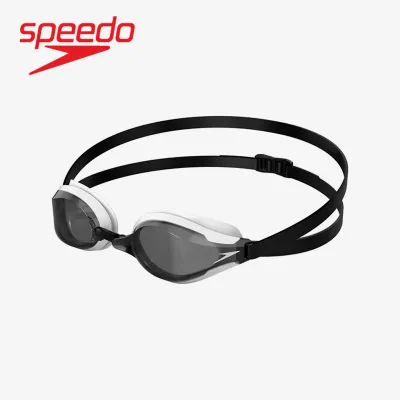
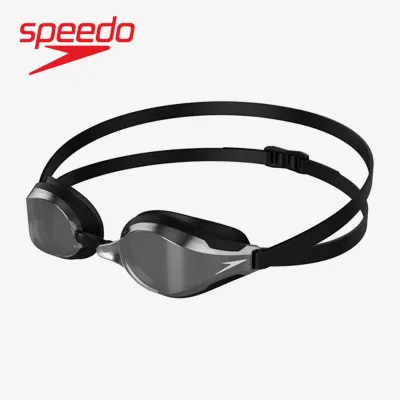
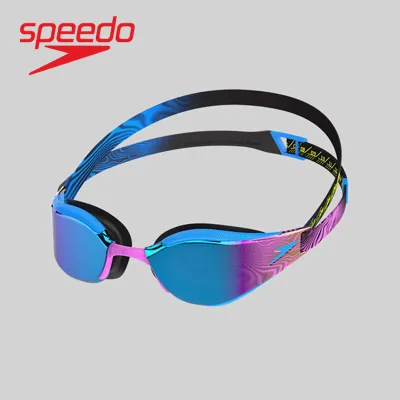
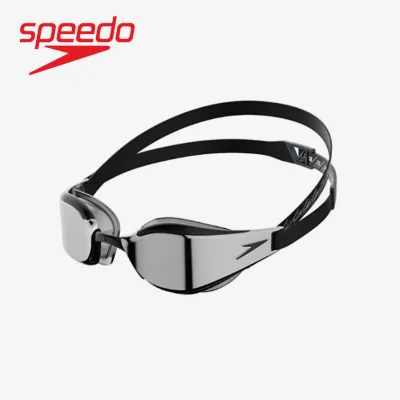
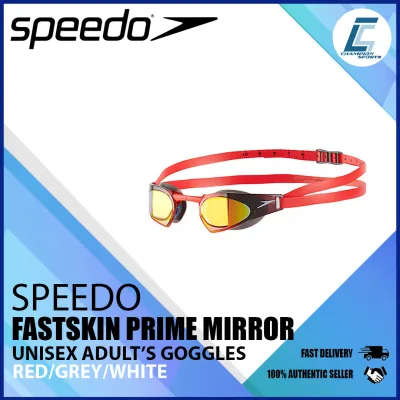
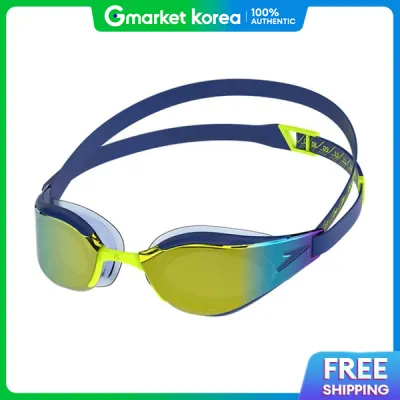
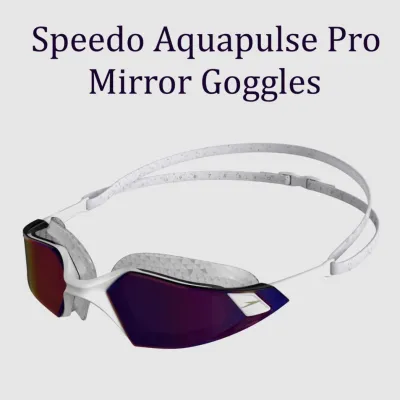
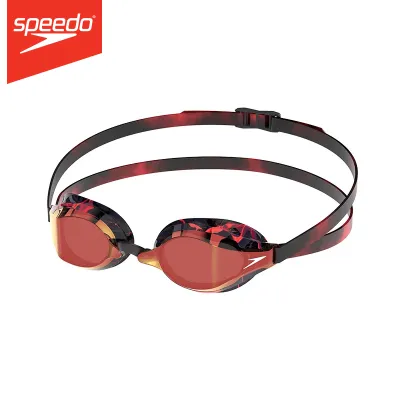
Prices are valid at publication and may change. Please refer to the product page for the latest price.
Facial anatomy is the ultimate deciding factor for any goggle purchase, as even the most advanced racing model will fail if it does not seal against your face. Eye socket depth, the width of your nasal bridge, and the sensitivity of your skin to tight suction vary significantly from person to person. Some swimmers prefer a traditional socket fit that sits deep within the orbital bone, while others require a wider gasket that rests on the outer cheekbones to avoid pressure headaches. Understanding these personal comfort thresholds ensures you select a model that remains watertight without requiring overtightened straps.
Key Fastskin Features to Compare
To make an informed choice among the various options available in official stores and online sports retailers, you must understand the core technical features that define the Fastskin lineup. The frame and seal design represents the primary interface between the goggles and your face. Racing-focused models utilize ultra-low-profile gaskets designed to sit flush with your brow, minimizing water resistance at high speeds. These gaskets are often firmer, prioritizing a secure lock during explosive starts over plush comfort. Training-oriented models feature thicker, more cushioned silicone seals that distribute pressure evenly across a larger surface area, making them ideal for long-distance sets.

Lens selection is another critical variable that must match your typical swimming environment. Mirrored lenses are highly effective at reflecting bright light and reducing glare, making them the standard choice for outdoor pools under the intense Singapore sun or highly illuminated indoor competition venues. Tinted lenses, such as blue or smoke variations, offer moderate light reduction and enhanced contrast, which works well in versatile indoor-outdoor settings. Clear or light-colored lenses are best suited for early morning training, dimly lit indoor pools, or evening sessions where maximizing light transmission is essential for clear lane visibility.
The strap configuration determines how securely the goggles remain anchored to your head during high-impact movements. Single-strap designs with a tensioning scale are common in elite racing models, allowing for precise, repeatable adjustments that do not slip during a dive. Split-strap systems distribute tension across the back of the skull, reducing localized pressure and offering a highly stable fit for daily training. Bungee or toggle-lock straps provide rapid adjustment capabilities, which is highly convenient for multi-sport athletes or fitness swimmers who want to loosen their goggles quickly between sets.
Match Fastskin Tiers to Your Swimming Level
Aligning your selection with the appropriate product tier ensures you do not overpay for features you do not need, nor compromise on performance when it matters most. Elite and racing-tier models are engineered specifically for competitive swimmers who require maximum hydrodynamics. These models feature highly streamlined profiles, rigid nose bridges, and specialized tensioning straps designed to withstand the forces of racing starts and high-speed turns. If your primary goal is competition and you prioritize a secure, low-drag fit for short, intense durations, this tier provides the necessary technical edge.
For swimmers who log serious mileage but do not necessarily compete every weekend, the advanced and performance-tier models offer an ideal compromise. These goggles retain a streamlined shape to assist with speed but incorporate softer, more forgiving silicone gaskets that remain comfortable over hours of continuous training. They also feature durable anti-fog treatments and robust strap systems designed to withstand daily exposure to pool chemicals and UV rays. This tier is highly suited for club swimmers, masters athletes, and triathletes who need reliable gear that performs consistently day after day.
Fitness and entry-tier models are designed for recreational swimmers who prioritize comfort, ease of use, and budget. These goggles typically feature larger lenses for an expanded field of vision, helping beginners feel more confident and aware of their surroundings in the water. The gaskets are exceptionally plush, reducing the risk of post-swim marks around the eyes. While they may have slightly higher drag profiles than their racing counterparts, their approachable price point in S$ and focus on long-term comfort make them the logical choice for casual lap swimming and water aerobics.
Before finalizing any purchase, you must verify if you have specific physical requirements that standard racing models cannot accommodate. For instance, swimmers who require prescription lenses or optical inserts must check compatibility, as highly specialized racing seals rarely support corrective lenses. Additionally, those with exceptionally prominent brow bones or narrow nose bridges should look for models that include multiple interchangeable nose pieces to customize the fit. If a goggle does not offer adjustable nose bridges, ensure the fixed width matches your facial structure before committing to the purchase.
Fit Verification and Maintenance
Once you have selected a potential model, verifying the physical fit before entering the water is essential to prevent leaks and discomfort. You can perform a simple dry suction test by pressing the goggle cups firmly against your eye sockets without putting the strap over your head. If the goggles stick to your face for a few seconds through natural suction alone, it indicates a good anatomical match and a reliable seal. If they fall off immediately or let air in, the frame shape or nose bridge width is likely incorrect for your facial structure, and the strap should never be overtightened to force a seal.
Proper maintenance is key to protecting your investment and ensuring your goggles remain clear and functional over many swim sessions. After every use, rinse your goggles thoroughly with cool, fresh tap water to remove chlorine, salt, or organic debris. Avoid touching or wiping the inside of the lenses with your fingers, towels, or shirts, as this will quickly scratch the delicate anti-fog coating. Allow the goggles to air dry completely in a shaded, well-ventilated area away from direct sunlight, which can prematurely degrade the silicone straps and gaskets.
Over time, all swim gear will eventually show signs of wear that signal the need for a replacement. Inspect the silicone gaskets regularly for signs of cracking, stiffness, or mold growth that cannot be rinsed away. Loss of elasticity in the head strap or a persistent tendency for the goggles to slip during use are clear indicators that the material has degraded. Furthermore, if the inner lenses begin to fog up instantly despite proper cleaning, or if the exterior mirrored coating has flaked off to obstruct your vision, it is time to transition to a new pair to maintain safety and performance in the water.
Frequently Asked Questions (FAQ)
Are Speedo Fastskin goggles suitable for beginners?
Yes, certain models within the Fastskin lineup are highly suitable for beginners and fitness swimmers. While the Fastskin name is strongly associated with elite racing, the range includes options designed with softer, more cushioned seals and wider lenses that provide a comfortable fit and an expanded field of vision. These features help newer swimmers feel more relaxed and aware of their lane positioning. Beginners should check the manufacturer’s product packaging and official guidelines to identify models labeled for training or fitness, ensuring they choose a pair that prioritizes comfort over extreme low-profile racing designs.
How do I choose the right lens tint for my pool environment?
Choosing the correct lens tint depends entirely on where you swim and the lighting conditions of that venue. For bright outdoor pools, mirrored or dark tinted lenses are highly recommended to block intense sunlight and reduce surface glare. If you primarily train in indoor pools with standard overhead lighting, clear or light tinted lenses will maximize visibility and help you see pace clocks and lane markers clearly. Always verify the specific light transmission ratings and UV protection claims on the product label to ensure the lenses match your swimming environment.
Do mirrored lenses scratch more easily than clear ones?
The reflective mirrored finish on the exterior of the lens is a delicate coating that can be susceptible to scratching if handled incorrectly. While the underlying lens material is durable, scratches on the mirror coating can impair your vision and compromise the aesthetic of the goggles. To protect this coating, always store your goggles in a hard protective case when not in use, and never place them face down on rough pool decks. Rinsing them with fresh water before storage and avoiding any physical contact with the outer lens surface will significantly extend the lifespan of the mirrored finish.
Community discussion
Share your experience or ask a question. Comments are reviewed before publication.