
Before selecting any aquatic equipment, it is important to remember that swim goggles are designed solely to improve underwater visibility and protect the eyes from chemical irritation. They do not serve as life-saving devices, nor do they replace formal water safety training, swimming proficiency, or active situational awareness in the water. Swimmers must always assess their own physical limits and water conditions before training.
Quick Answer: Is the Speedo Vanquisher 2.0 Right for You?
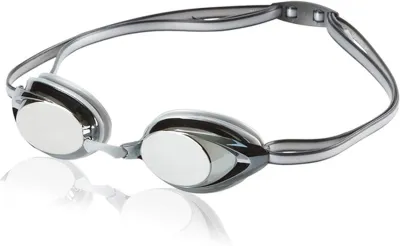
The Speedo Vanquisher 2.0 is a highly versatile option for swimmers who prioritize a balance of cushioned comfort and a secure seal during daily pool training, fitness swimming, and masters competitions. Its design accommodates a wide range of facial structures, making it a reliable choice for long training sessions where eye-socket fatigue is a common concern.
However, this model may not be the ideal choice if you require an ultra-low-profile racing goggle for elite-level sprints, or if you have extreme facial sensitivity that demands a wide-view mask. The core trade-off lies between its comfortable silicone cushioning and the absolute minimal drag offered by un-cushioned, socket-style racing alternatives. Swimmers should evaluate their primary water activities and comfort preferences before making a final selection.
Products mentioned in this guide
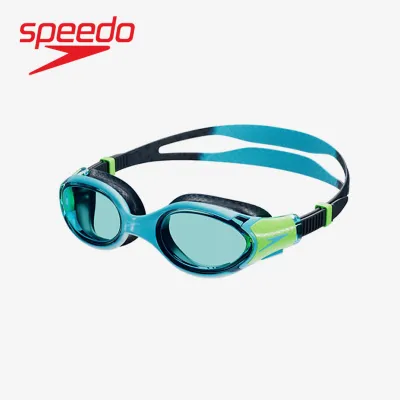
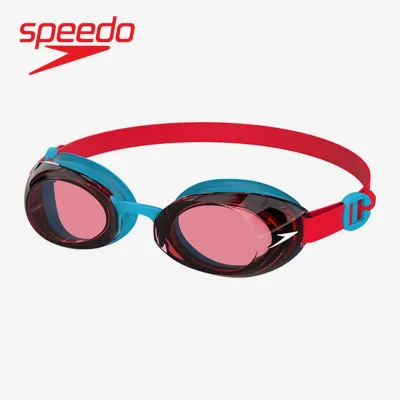
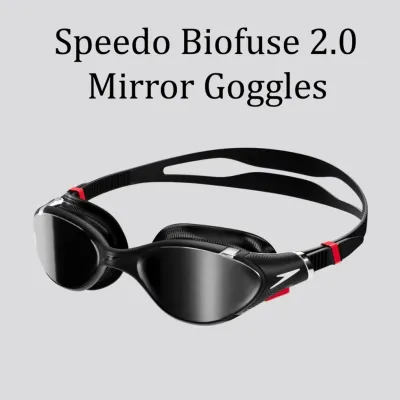
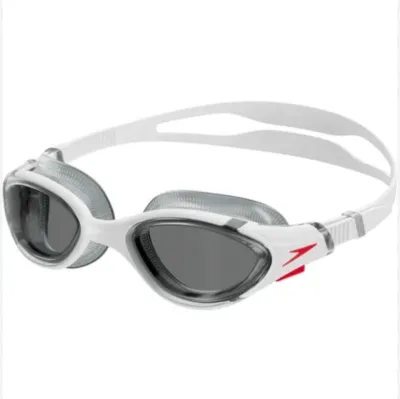
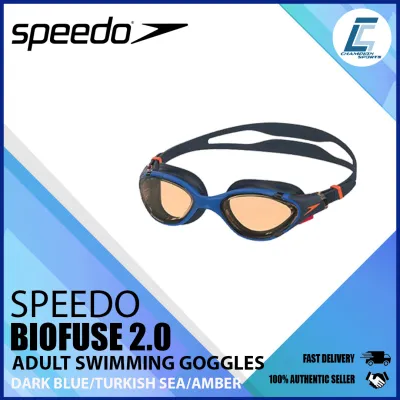
Prices are valid at publication and may change. Please refer to the product page for the latest price.
What to Compare When Choosing Competitive Swim Goggles
Selecting the right competitive swim goggles requires looking beyond brand names and focusing on how the physical design interacts with your face and swimming environment. Because no single goggle fits every swimmer perfectly, evaluating specific design elements on the product packaging or manufacturer specification sheet is essential.

Fit and Seal Mechanics
The primary function of any swim goggle is to create a watertight seal without causing pain. Goggles generally fall into two categories: cushioned and hard-seal. Cushioned gaskets, typically made of silicone or thermoplastic rubber, distribute pressure evenly across the orbital bone, reducing bruising and red marks. Hard-seal or gasketless designs sit directly inside the eye socket, relying on a precise physical match to your bone structure to prevent leaks.
Lens Features and Environmental Adaptation
Swimmers must verify lens specifications based on where they plan to swim. In tropical climates like Singapore, where outdoor pools are exposed to intense, year-round UV radiation, selecting lenses with verified UV protection is a critical step to prevent long-term eye strain. Additionally, consider the lens tint:
- Clear or Light Tints: Best for indoor pools or dimly lit environments where maximizing light transmission is necessary.
- Mirrored or Dark Tints: Ideal for bright outdoor pools or highly reflective water, as they help deflect glare and reduce squinting.
- Polarized Lenses: Highly effective at filtering out horizontal glare, making them suitable for outdoor training and open-water environments.
Adjustability and Nose Bridge Systems
A secure fit depends heavily on the nose bridge, which dictates how far apart the eye cups sit. Fixed nose bridges offer no flexibility, whereas interchangeable or flexible nose bridges allow you to customize the distance to match your pupillary distance. The strap system also plays a vital role; dual silicone straps allow you to position one strap high on the crown of the head and the other lower, distributing tension evenly to prevent the goggles from shifting during dives or flip turns.
Material Durability and Maintenance
Chlorine, salt water, and UV rays naturally degrade goggle materials over time. When comparing options, look for high-grade, hypoallergenic silicone seals that resist stretching and cracking. Polycarbonate lenses offer excellent impact resistance and clarity, but they require careful handling to preserve their factory-applied anti-fog coatings. Checking the manufacturer’s care instructions will help you understand how to maintain the seal’s elasticity and lens clarity over multiple seasons.
Speedo Vanquisher 2.0: Design, Fit, and Best Use Cases
The Speedo Vanquisher 2.0 is designed as a multi-purpose competitive goggle, balancing the streamlined profile needed for racing with the comfort required for daily training. Understanding its specific design characteristics helps clarify who will benefit most from using it.
Ergonomic Gasket Design
The Vanquisher 2.0 features a low-profile inner eye fit, meaning the lenses sit slightly inside the orbital socket rather than resting on the outer cheekbones. To mitigate the pressure of this snug fit, the goggles utilize soft silicone gaskets. This cushioning is designed to conform to the contours of the eye socket, providing a reliable seal that minimizes water entry during high-speed movements while remaining comfortable during extended training sets.
Customization via Interchangeable Components
To accommodate different facial shapes, the Vanquisher 2.0 includes multiple interchangeable nose pieces of varying widths. Swimmers can swap these pieces out to find the exact width that prevents the inner corners of the eye cups from digging into the nose bridge or leaking. The dual silicone head strap is adjusted via a secure back clip, allowing users to fine-tune the tension without putting excessive pressure on the delicate areas around the eyes.
Optimal Swimming Environments
This model is highly optimized for pool environments, including both indoor training facilities and outdoor lap pools. While it can be used for recreational open-water swimming, its peripheral vision is narrower than that of dedicated open-water masks. It is best suited for lane swimming, where swimmers rely on lane lines and pool markings for navigation rather than wide-angle environmental scanning.
Maintenance Protocols for Longevity
To preserve the performance of the Vanquisher 2.0, users must follow strict care guidelines. The inner surface of the lenses is treated with an anti-fog coating that is highly sensitive to friction. Touching, wiping, or rubbing the inside of the lenses will scratch or strip this coating. After every swim, rinse the goggles in clean, cold tap water to remove chlorine or salt deposits, and allow them to air dry completely in a shaded area before storing them in a protective case.
Vanquisher 2.0 vs. Other Goggle Styles: Training vs. Racing
To determine if the Vanquisher 2.0 fits your specific swimming routine, it helps to compare its design category against other common competitive goggle styles available on the market.
Hydrodynamic Profiles and Drag Reduction
Dedicated racing goggles are engineered with an ultra-low profile to minimize hydrodynamic drag. These models sit almost flush with the face, reducing the surface area that catches water during explosive starts and turns. While the Vanquisher 2.0 is streamlined, it has a slightly higher profile than elite-level racing goggles. For daily training, this minor difference in drag is negligible, but competitive sprinters may prefer a more minimalist design on race day.
Gasketed vs. Gasketless Designs
Traditional Swedish-style goggles represent the minimalist extreme of competitive swimwear. They feature no rubber or silicone gaskets; the hard plastic edges of the lenses rest directly against the skin of the eye socket. This design offers an incredibly low-volume fit and is highly favored by purists for its simplicity and low cost. However, Swedish goggles require a break-in period for the skin to adapt to the hard plastic, whereas the cushioned silicone of the Vanquisher 2.0 offers immediate comfort.
Stability During High-Velocity Maneuvers
During a dive off the starting block or a powerful push-off from the wall, the force of the water can cause loose or high-profile goggles to shift, fill with water, or slip down the face. The dual-strap system and snug inner-eye fit of the Vanquisher 2.0 provide excellent stability under these forces. However, if the nose bridge is not adjusted to the correct width, water can force its way into the seal during high-velocity entries. Swimmers should always test the dry suction of their goggles before diving.
Regulatory Compliance and Selection
Before purchasing goggles for official swim meets, check the competition rulebooks of your local or international governing bodies to ensure the equipment is approved for racing. Most competitive goggles, including the Vanquisher 2.0, are widely accepted, but verifying compliance prevents unexpected disqualifications. Additionally, review the manufacturer’s specifications to confirm that the materials used do not trigger any personal skin allergies.
Final Verdict: Which Swim Goggles Should You Buy?
Your final choice should align with your training frequency, facial structure, and performance goals. Use the following guidelines to make your decision:
- Choose the Speedo Vanquisher 2.0 if: You are a daily pool swimmer, fitness enthusiast, or masters competitor who needs a reliable, comfortable, and watertight goggle that can withstand hours of weekly use without causing severe eye fatigue. Its cushioned silicone seals and interchangeable nose bridges make it an excellent all-rounder for most swimmers.
- Choose low-profile racing goggles if: Your primary focus is competitive sprinting, where every millisecond counts, and you require the absolute minimum hydrodynamic drag during explosive starts and turns. These models sacrifice some long-term comfort for maximum streamlined performance.
- Choose Swedish-style goggles if: You prefer a minimalist, highly customizable fit, do not require cushioning, and want a traditional design that sits deeply within the eye socket. Be prepared for an initial adjustment period as your skin adapts to the hard plastic.
Before finalizing your purchase, verify your unique facial structure. Swimmers with a high nasal bridge or close-set eyes should confirm that the interchangeable nose pieces provided can accommodate their dimensions. If you require vision correction, look for corrective optical versions of these competitive models, and select lens tints based on whether you swim under bright outdoor sun or indoor fluorescent lighting.
Frequently Asked Questions (FAQ)
How do I prevent my swim goggles from fogging up during long sessions?
To prevent fogging, rinse your goggles in cool pool water immediately before putting them on, which helps equalize the temperature of the lens with the water. Avoid touching, wiping, or rubbing the inside of the lenses, as this damages the delicate anti-fog coating. If the factory coating begins to wear off over time, you can apply a gentle, commercially available anti-fog spray designed specifically for swim goggles, following the manufacturer’s instructions for application and rinsing.
Can I use competitive pool goggles for open water swimming?
You can use competitive pool goggles for open water swimming, provided they offer adequate UV protection and appropriate lens tints to manage outdoor glare. However, you must ensure the seal is exceptionally secure and the strap tension is adjusted correctly to prevent leaks in choppy water. If you plan to swim in open water regularly, consider specialized open-water goggles, which typically feature larger lenses for wider peripheral vision and softer, wider gaskets to protect the eyes from accidental contact with other swimmers.
Community discussion
Share your experience or ask a question. Comments are reviewed before publication.