
Quick Answer: Which Goggles Should You Choose?
Selecting the right competitive swimming goggles depends on balancing your facial anatomy with your specific racing environment. The Speedo Vanquisher series is a widely recognized option if you prefer a low-profile, cushioned gasket design that balances hydrodynamic efficiency with daily training comfort. However, alternative competition goggles may serve you better if you require highly specialized features, such as ultra-rigid Swedish-style eye cups, extreme peripheral lens angles, or unique nose bridge adjustment mechanisms not present in the Vanquisher lineup. Before purchasing, always verify how the inner gasket contours to your orbital bone, as a secure physical seal is the single most critical factor in preventing leaks during high-velocity starts and turns.
Understanding the Speedo Vanquisher Design Profile
The Speedo Vanquisher has established itself as a staple in competitive swimming, positioned by the manufacturer as a high-performance training and racing goggle. Unlike bulkier recreational models, this line features a streamlined, low-profile silhouette designed to sit snugly within the eye socket to minimize water resistance. It bridges the gap between traditional, un-cushioned racing sockets and soft, wide-view fitness masks by utilizing a low-profile silicone gasket that provides a mild suction effect without excessive pressure.

Standard iterations of this model typically include interchangeable nose bridges of varying widths, allowing swimmers to customize the distance between the lenses to match their pupillary distance. The dual silicone head strap distributes tension evenly across the back of the skull, reducing the likelihood of slippage during dive starts. Swimmers frequently utilize this design for a broad range of activities, from high-intensity sprint sets in indoor short-course pools to long-distance training sessions in open-water environments where consistent comfort is paramount.
Products mentioned in this guide
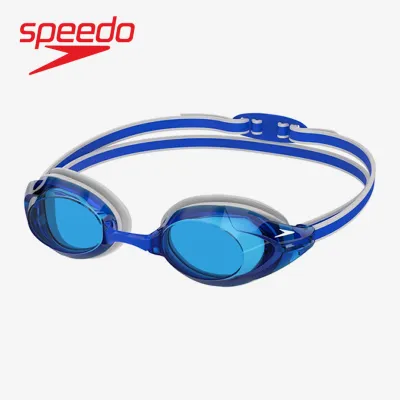
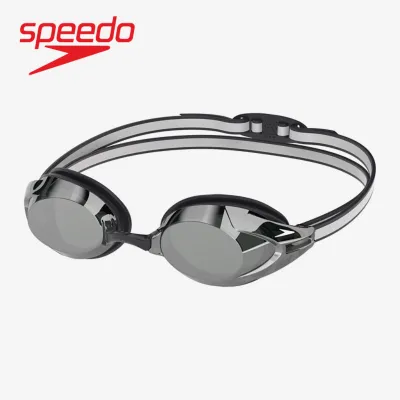
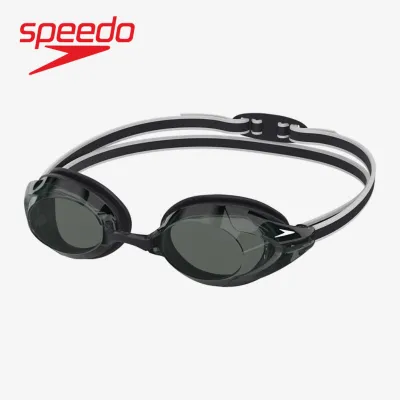
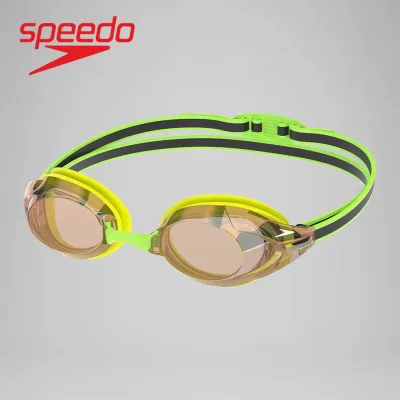
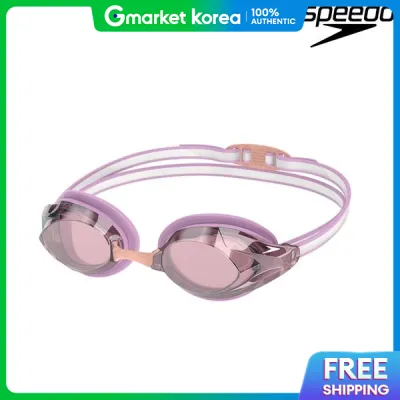
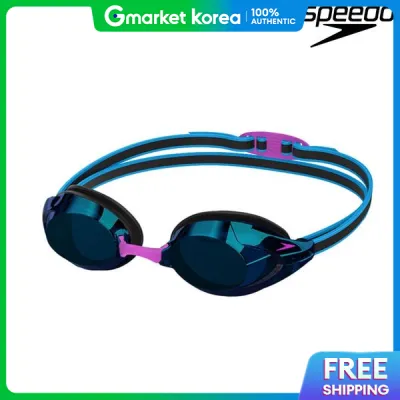
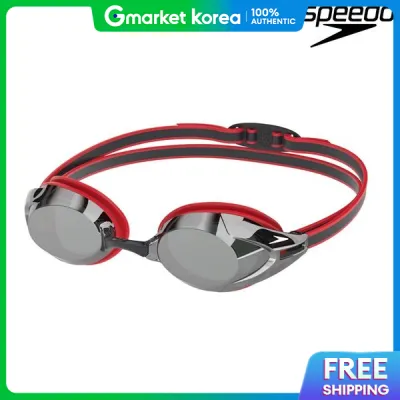
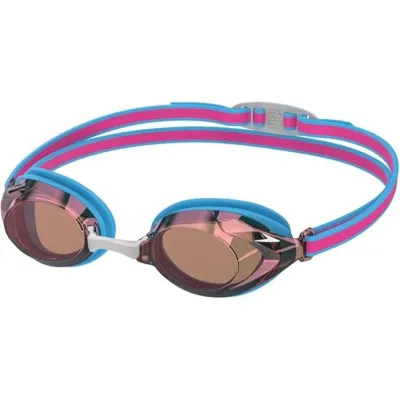
Prices are valid at publication and may change. Please refer to the product page for the latest price.
Key Comparison Dimensions for Racing Goggles
To determine whether the Speedo Vanquisher or a competing model is the right fit for your gear bag, you must evaluate several technical design elements. Competitive swimming demands gear that remains secure under high hydrodynamic forces while maintaining clear visibility. When comparing options at local sports retailers or online marketplaces, focus on three primary dimensions: the physical eye socket interface, the optical properties of the lenses, and the stability of the strap system.
Fit, Seal, and Eye Socket Design
The interface between the goggle gasket and your skin determines both comfort and leak prevention. Traditional Swedish-style goggles feature no rubber or silicone gasket, relying instead on a direct, hard-plastic-to-skin fit that sits deep inside the eye socket. While highly hydrodynamic, this design requires a precise facial match and can feel uncomfortable during prolonged training sessions.
In contrast, cushioned racing goggles like the Speedo Vanquisher utilize a thin silicone seal to cushion the contact point against the orbital bone. When evaluating alternative brands, inspect the depth and flexibility of these gaskets. A deeper eye cup may accommodate prominent brow ridges, whereas a shallower cup might sit more flush for flatter facial profiles. Additionally, look for models that offer multiple nose bridge options—either modular plastic pieces or adjustable string-and-tube systems—to ensure the lenses properly align with your eyes without pinching the bridge of your nose.
Lens Technology and Visibility Options
Lens selection directly impacts your spatial awareness and performance under different lighting conditions. Mirrored lenses are designed to reflect bright light and reduce glare, making them highly suitable for outdoor pools under the intense Singapore sun or well-lit indoor competition venues. Clear or lightly tinted lenses, on the other hand, maximize light transmission in dim indoor pools or early morning training sessions.
When comparing brands, check the manufacturer specifications for integrated anti-fog treatments and ultraviolet (UV) protection ratings. Some premium competition goggles feature specialized anti-fog coatings that can be reactivated by swiping the inner lens, while others rely on standard factory-applied films that require careful maintenance. Furthermore, examine the curvature of the lens; flat lenses minimize underwater distortion directly ahead, while curved or angled lenses expand your peripheral vision, allowing you to monitor competitors in adjacent lanes without turning your head.
Hydrodynamics and Strap Security
At competitive speeds, water resistance can affect your race times and even dislodge poorly secured goggles. High-performance goggles feature a low-profile outer frame that allows water to flow smoothly over the face. Compare how far the lenses protrude from your brow line; a flatter profile generally reduces drag during the initial dive and subsequent streamline phases.
Strap security is equally vital for maintaining a watertight seal during explosive movements. Double silicone straps are the standard for competitive models, as they allow you to position one strand high on the crown of your head and the other lower down for balanced tension. Examine the adjustment clips on the sides or back of the strap. Some systems feature low-profile tension locks that lie flat against the head to minimize turbulence, while others use traditional ribbed buckles that offer secure, incremental adjustments but may be slightly bulkier.
Matching Goggle Features to Your Swimming Needs
Your choice of goggles should align with your primary swimming discipline, training frequency, and local environmental conditions. Sprinters who focus on short, explosive events often prioritize streamlined hydrodynamics and a rigid, unyielding seal, sometimes opting for ultra-low-profile or gasketless designs that minimize drag at all costs. Conversely, distance swimmers and triathletes require gear that can be worn comfortably for an hour or more, making cushioned gaskets like those on the Vanquisher a more practical choice to prevent bruising and eye fatigue.
Environmental factors also play a major role in your decision. If you train primarily in outdoor facilities in tropical climates like Singapore, where UV exposure is consistently high, selecting goggles with robust UV-blocking mirrored or polarized lenses is essential to protect your eyes and maintain visibility. For indoor training under fluorescent lighting, a light blue, violet, or clear lens will provide a sharper contrast without making your surroundings appear too dark.
Additionally, consider your unique facial structure. Swimmers with narrower faces or younger athletes may find that standard adult competition goggles leak at the outer corners, necessitating “junior” or female-specific fits that feature smaller lens frames and shorter nose bridges. If you require corrective lenses, verify whether the model line offers optical prescription options, as some competitive series allow you to customize each eye’s diopter level independently.
Pre-Purchase Verification and Try-On Checklist
Because a goggle’s performance is entirely dependent on its physical fit, you should perform a systematic check before committing to a purchase, whether you are spending S$30 or S$80 on a new pair.
First, perform the classic “suction test” to evaluate the seal without using the head strap. Gently press the goggle lenses against your eye sockets and release your hands. If the goggles stick to your face for a few seconds before falling off, the gasket shape is a good match for your orbital bone structure. If they pop off instantly or fail to create any suction, water will likely penetrate the seal during your swim.
Next, pay close attention to any immediate pressure points. Keep the goggles pressed to your face for at least thirty seconds; if you feel sharp pressure on your nose bridge or the outer edges of your eye sockets, this discomfort will only intensify during a long training session. Finally, when purchasing from online sports retailers or local swim shops, verify the return and exchange policies. Due to hygiene regulations, many retailers will not accept returns on swimwear or goggles once the packaging seal is broken, making it crucial to confirm your sizing and fit preferences beforehand.
Maintenance and Care for Competition Goggles
Proper maintenance is essential to preserve the integrity of your goggles’ seals and the clarity of their lenses. After every swim session, rinse your goggles thoroughly in fresh, cool tap water to remove residual chlorine, salt, sweat, and pool chemicals. Avoid using warm or hot water, as elevated temperatures can degrade the silicone gaskets and accelerate the breakdown of factory-applied anti-fog coatings.
Allow your goggles to air dry completely in a shaded, well-ventilated area before storing them in your gear bag. Never leave them exposed to direct sunlight or inside a hot car, as extreme heat can warp the plastic frames and cause the silicone straps to become brittle. To protect the delicate inner anti-fog layer, strictly avoid touching or wiping the inside of the lenses with your fingers, towels, or rough fabrics. If the lenses become dirty, gently swish them in clean water and let them air dry, or use a specialized goggle cleaning spray recommended by the manufacturer.
Frequently Asked Questions (FAQ)
How often should competitive swimmers replace their racing goggles?
Competitive swimmers typically need to replace their goggles every four to six months, depending on training frequency and care habits. Over time, exposure to pool chemicals like chlorine and natural body oils will cause the silicone gaskets to harden, lose their flexibility, and fail to maintain a reliable seal. You should inspect your goggles regularly for signs of wear, such as micro-tears in the strap, yellowing or clouding of the clear silicone, or peeling of the inner anti-fog coating. If you find yourself constantly tightening the strap to prevent leaks, or if your underwater vision is compromised by persistent fogging and scratches, it is time to transition that pair to training-only use and prepare a fresh pair for competition.
Can I use standard training goggles for official swim meets?
Yes, you can use standard training goggles for official swim meets, provided they comply with the governing body’s regulations. Organizations like World Aquatics maintain specific guidelines regarding swimwear and equipment design, so you should check for an official approval logo on the packaging if you plan to compete at a high level. However, using bulkier training goggles in a race introduces a performance trade-off. Training models often feature larger frames and thicker gaskets designed for comfort rather than speed, which increases hydrodynamic drag and can shift slightly during high-speed dive starts. For local or lower-stakes events, prioritizing comfort and familiarity is highly acceptable, but as you advance, transitioning to a dedicated low-profile racing goggle can provide a distinct hydrodynamic advantage.

Community discussion
Share your experience or ask a question. Comments are reviewed before publication.