
Quick Answer: Speedo vs Arena Arm Floats
When choosing between Speedo and Arena arm floats, there is no single “best” brand. Both manufacturers produce high-quality, certified swim aids that are widely available in sporting goods stores and online marketplaces.
The ideal choice depends entirely on your child’s current weight, arm circumference, and the specific safety certifications of the individual model. Parents should look past brand prestige and focus on verifying the physical specifications printed on the packaging.
Before purchasing, always check the weight range and ensure the product features dual air chambers for redundant safety.
Products mentioned in this guide
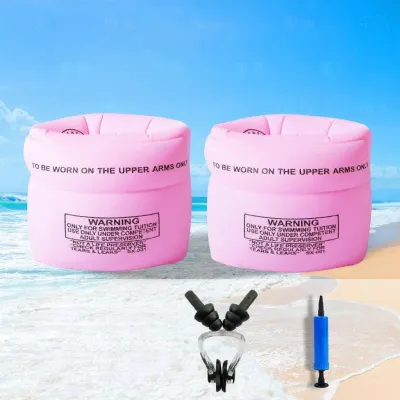
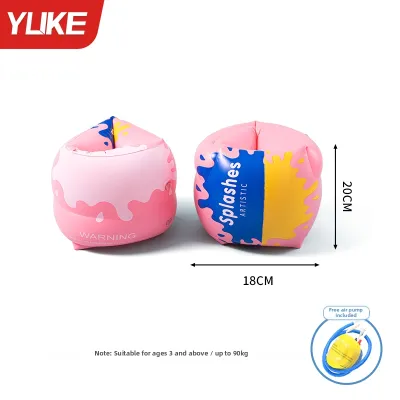
![INTEX 58652 Tropical Buddies Inflatable Arm Bands (Pair) [58652 - Age 3-6+]](https://img.lazcdn.com/g/p/05db44642c8de2bf5c250967341323ce.png_400x400q80.png_.webp)
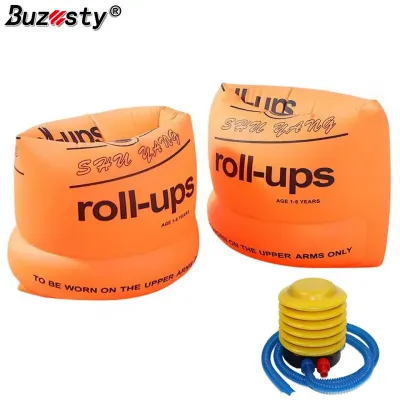
![[𝐒𝐆 𝐒𝐞𝐥𝐥𝐞𝐫] BabySPA Kids Fun Float Inflatable Arm Bands Floats-Disney Car/ Hello Kitty](https://img.lazcdn.com/g/p/36933ceaf3dcc1f9b55855a356801068.jpg_400x400q80.jpg_.webp)

Prices are valid at publication and may change. Please refer to the product page for the latest price.
Decoding Safety Certifications and Weight Limits
Safety is the absolute priority when introducing young children to the water, whether you are visiting a public swimming complex or a private condominium pool. When evaluating arm floats from Speedo, Arena, or any other brand, the first step is to locate the safety certification codes printed directly on the material or the packaging.

Look for recognized international standards such as EN 13138-1 (the European standard for buoyant aids for swimming instruction) or equivalent safety compliance marks. These certifications guarantee that the product has undergone testing for buoyancy retention, material strength, and valve security.
Never rely solely on age recommendations, such as “2 to 6 years,” which are often too broad to ensure safety. Children of the same age can vary significantly in weight and physical build.
Instead, weigh your child accurately before shopping and match their weight to the manufacturer’s specified weight class. Using an arm float designed for a lighter weight class can result in insufficient buoyancy, while a model meant for a heavier child may slip off the arms easily or ride up too high, obstructing the face.
Comparing Buoyancy Design and Air Chamber Structure
The internal structure of an arm float determines how reliably it keeps a child’s head above water. High-quality models from reputable brands typically feature a dual air chamber design rather than a single chamber.
Dual chambers mean that each arm band is divided into two separate inflatable compartments, each with its own safety valve. In the unlikely event that one chamber punctures or leaks during play, the remaining chamber provides a backup level of buoyancy, giving you critical time to safely retrieve your child from the water.
When examining the valves, look for recessed safety valves that push flat into the inflated chamber. This design prevents the valve from accidentally popping open if it rubs against the pool edge, another swimmer, or the child’s own body.
Additionally, check if the valves feature a non-return mechanism, which prevents air from rapidly escaping when the cap is opened. This makes inflation much easier, as you do not lose air while trying to seal the valve.
Observe how the buoyancy is distributed when the floats are inflated. Some designs place more volume on the outer side of the arm to encourage a natural swimming position, while others distribute it evenly to maximize upright stability; choose the shape that best matches your child’s comfort level in the water.
Evaluating Fit, Comfort, and Material Durability
In warm, tropical climates, children often spend hours in chlorinated pools or saltwater lagoons, making material durability and skin comfort essential considerations. Look for heavy-duty PVC or laminated materials that resist stretching, UV degradation, and puncture from rough pool surfaces.
Examine the seams of the arm floats closely before purchase. High-quality models feature flat, high-frequency welded seams that are smooth to the touch, reducing the risk of scratching or chafing your child’s sensitive skin.
A proper fit is one that remains snug and secure when the child’s arms are wet. If the arm floats are too loose, they can easily slide off when the child jumps into the water or raises their arms.
Conversely, floats that are too tight can restrict blood circulation and cause painful chafing around the armpits and inner arms. To prevent this, some premium models incorporate a soft fabric lining, such as polyester or nylon, over the inflatable PVC core.
If you choose all-plastic models, look for textured inner surfaces or ergonomic shaping that conforms to the natural curve of a child’s upper arm, providing a secure grip without requiring excessive inflation pressure.
Decision Framework: Choosing Between Speedo and Arena
To make the final decision between Speedo and Arena arm floats, parents should apply a structured framework based on physical verification and local availability.
Choose Speedo if: Your child benefits from contoured, ergonomic shapes that match their arm curvature, and you can verify that the current Speedo models in stock match your child’s exact weight bracket. Speedo’s designs often cater to recreational swimmers looking for a balance of comfort and classic styling.
Choose Arena if: You require highly visible, streamlined designs often favored by competitive swim brands, and their available models offer the precise weight-class certification your child needs. Arena’s swim aids are frequently designed with a focus on freedom of movement, which can be beneficial for children transitioning into basic stroke practice.
Verify first if: You are purchasing online through an e-commerce platform and cannot physically inspect the product. In this scenario, read recent customer reviews specifically focusing on valve durability, seam smoothness, and whether the sizing runs small or large.
Always check the current stock at local sporting goods stores or official brand outlets to ensure you are purchasing genuine, certified products rather than counterfeit goods that lack proper safety testing.
Arm Floats vs. Alternative Swim Aids
While arm floats are incredibly popular, they are not the only buoyancy aids available, and they may not be suitable for every stage of a child’s swimming journey. Understanding the differences between arm floats, swim vests, puddle jumpers, and swim rings is crucial for selecting the right gear.
Arm floats are excellent for children who already have some water confidence and want to practice basic arm strokes, as they leave the torso completely free. However, they do not provide torso support and can sometimes ride up if not fitted correctly.
Swim vests or swim jackets offer wrap-around buoyancy that keeps the child’s torso upright and stable, making them ideal for younger children or those who need more comprehensive support. Many vests feature removable foam inserts, allowing parents to gradually reduce the buoyancy as the child’s skills improve.
Puddle jumpers combine arm bands with a chest harness that buckles securely at the back, preventing the arm bands from slipping off and keeping the child’s head reliably above water. These are highly stable but can restrict some arm movements during actual swim strokes.
Swim rings are purely recreational toys and should never be used as safety or learn-to-swim aids, as a child can easily slip through the center or flip upside down. Always match the swim aid to your child’s current skill level, and remember that no equipment can ever replace active, arms-reach adult supervision.
Frequently Asked Questions (FAQ)
Can my child use arm floats in the ocean or open water?
No, arm floats are designed almost exclusively for controlled, calm swimming pool environments. Open water environments, such as beaches or reservoirs, present unpredictable hazards like waves, strong currents, tidal changes, and underwater debris that can easily overwhelm a child wearing arm floats. Additionally, rough water can dislodge the floats from a child’s arms or push them into unsafe positions. Always check the manufacturer’s warning labels, which typically prohibit open-water use, and ensure that children wear certified life jackets or personal flotation devices (PFDs) specifically rated for open water when visiting the sea.
How do I properly clean and store the arm floats after swimming?
To maximize the lifespan of your child’s arm floats, rinse them thoroughly with clean, fresh tap water after every use to remove chlorine, salt, and pool chemicals that can degrade the plastic over time. Allow them to air dry completely in a shaded, well-ventilated area; never leave them in direct sunlight, as intense UV rays can cause the material to become brittle and crack. Once dry, deflate the floats completely and store them flat in a cool, dry place away from sharp objects. Avoid folding them tightly along the same seam lines repeatedly, as this can weaken the plastic and lead to slow leaks.
Community discussion
Share your experience or ask a question. Comments are reviewed before publication.