
Selecting the right swimming bag is a balancing act between your daily gear volume, your commute style, and how well you need to separate wet swimwear from dry clothes. Speedo, Arena, and TYR are the three dominant names in aquatic sports, each offering distinct design philosophies for carrying gear. Rather than searching for a single universal winner, the key is identifying which brand’s structural approach aligns with your specific routine. Whether you are navigating a crowded train commute with a compact bag or packing bulky training fins for an intense squad session, understanding these design differences ensures your gear stays organized, dry, and free from mildew.
Key Features to Evaluate in Branded Swimming Bags
Material specifications are your first line of defense against the damp environment of a pool deck. Look for high-denier polyester or nylon fabrics, often treated with a water-resistant polyurethane or thermoplastic elastomer coating. These materials prevent external pool water from seeping in and keep internal wet compartment moisture from leaking out onto your dry clothes or your back during a commute.
Compartment layout determines how efficiently you can transition from the pool to your next destination. A dedicated wet/dry compartment is essential; this is typically a sealed, waterproof pocket or a separate bottom compartment designed to isolate wet swimwear, caps, and towels. Additionally, look for ventilated mesh pockets on the exterior. In warm, humid climates, these mesh zones are critical because they allow air to circulate around damp items like goggles and hand paddles, reducing the risk of bacterial growth and unpleasant odors.
Products mentioned in this guide
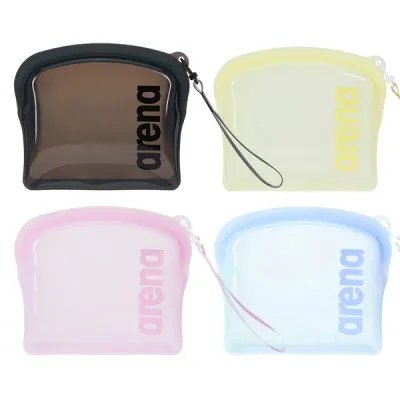
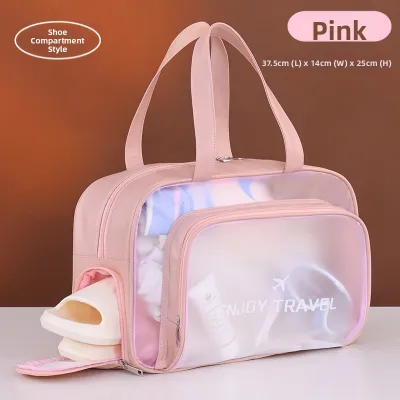
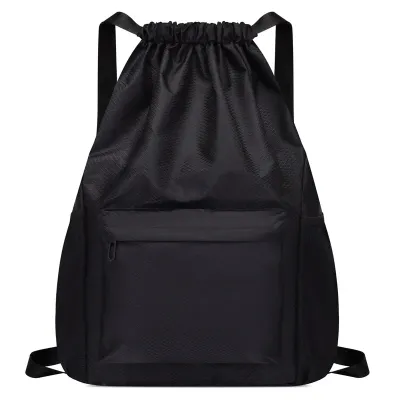
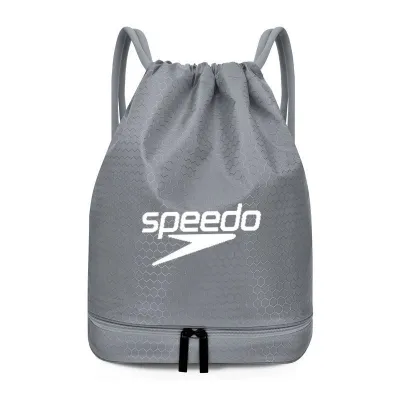
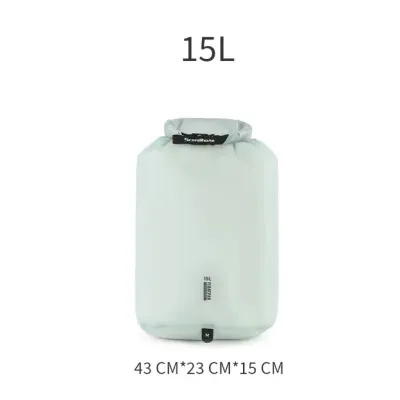
Prices are valid at publication and may change. Please refer to the product page for the latest price.
The carrying method must match your daily transit. Backpacks are the most popular choice for active commuters because they distribute weight evenly across both shoulders, which is vital if you walk or use public transport. Look for wide, padded shoulder straps and an adjustable chest strap to stabilize the load. Duffel bags offer wider openings for quick packing but can be cumbersome to carry over long distances. Totes work well for light, recreational pool visits where quick access is your main priority.
Evaluating Speedo, Arena, and TYR Design Approaches
Speedo designs often appeal to fitness swimmers and daily commuters who prefer a streamlined, versatile profile. When browsing their collection, inspect the exterior silhouette; many models feature a sleek, vertical design that fits easily into narrow lockers and doesn’t feel overly bulky on public transport. Look for lightweight fabrics that reduce the base weight of the bag. Speedo’s compartment layouts frequently prioritize a balance between swim gear and lifestyle items, often including padded laptop sleeves alongside standard wet pockets, making them highly suitable if you head straight from the office to the pool.

Arena takes a highly structured, systematic approach that caters directly to competitive swimmers and triathletes. When evaluating Arena bags, look for their signature wide-mouth, top-loading designs and multi-level compartment systems. Many of these bags are engineered to stand upright on their own, even when empty, thanks to a reinforced, rigid base. This structural stability is incredibly useful on wet pool decks, keeping the main fabric off the ground. Check for specialized pockets designed to keep delicate items like high-performance tech suits flat and protected from friction, as well as dedicated goggle cases that prevent scratching.
TYR focuses heavily on rugged utility, high-capacity storage, and robust construction. If you carry a massive amount of training equipment, TYR’s design language is worth close inspection. Look for heavy-duty, thick-gauge materials and reinforced, double-stitched seams that can handle the weight of wet kickboards, fins, and pull buoys. TYR bags often feature prominent external attachment points, such as daisy chains, carabiner loops, and adjustable compression straps. These features allow you to secure bulky training aids to the outside of the bag, freeing up valuable internal space for your dry clothes and personal electronics.
Matching the Bag to Your Specific Gear Load
Your choice of bag capacity should directly reflect your daily training kit. A minimalist loadout consisting of a swimsuit, goggles, a silicone cap, and a microfibre towel can easily fit into a compact 25-to-30-litre bag. However, if your routine involves structured swim sets requiring kickboards, pull buoys, swim fins, and hand paddles, you will need to look at high-capacity options starting at 40 litres or more. Attempting to stuff large training aids into a small bag strains the zippers and compresses wet gear, which slows down the drying process.
Before purchasing, always measure the dimensions of the bag against the standard lockers at your local pool or gym. Many public sports complexes and private fitness clubs have narrow, deep lockers that cannot accommodate wide, fully packed 45-litre competitive backpacks. If your bag is too wide, you may find yourself forced to leave it on the floor or struggle to lock the door, compromising your gear’s security.
For those who must carry oversized training aids, external attachment systems are a lifesaver. Look for bags with adjustable front buckles or expandable mesh nets. These allow you to slide a full-sized kickboard or a pair of long fins under the straps on the exterior of the bag. This setup not only saves interior space but also allows wet foam equipment to drip-dry naturally as you walk home from the pool.
How to Inspect Build Quality and Durability
To ensure your swimming bag lasts for years, you must inspect the hardware and construction details closely. Zippers are the most common failure point on any gear bag. Look for oversized, heavy-duty plastic zippers rather than fine-toothed metal ones. Chlorine, salt water, and high humidity rapidly corrode standard metal zippers, leading to sticking and eventual breakage. If the bag uses metal zippers, verify that they are made from rust-resistant alloys or feature protective fabric flaps to shield them from moisture.
Next, examine the base of the bag and the primary stress points. The bottom panel should be constructed from a thick, waterproof material like tarpaulin or heavy-duty textured rubber. This prevents water from soaking upward when you set the bag down on a wet pool deck or a damp changing room floor. Check the stitching where the shoulder straps meet the main body of the bag; look for reinforced box-stitching or bar-tack stitches, which prevent the straps from tearing away under the weight of heavy, wet towels.
Finally, always locate and read the manufacturer’s care label inside the bag. High-quality swimming bags are rarely machine-washable due to their specialized water-resistant coatings and structured back panels. Look for instructions that recommend hand-washing with mild soap and cold water. Understanding these care requirements beforehand helps you maintain the bag’s structural integrity and prevents you from accidentally stripping away the protective water-repellent finishes during cleaning.
Final Decision Framework: Which Bag Fits Your Routine?
To make your final decision, map your daily routine to the core strengths of each brand’s design philosophy. If you are a recreational swimmer or a commuter who needs a single bag for work, gym, and pool, look for Speedo-style designs that offer a sleek, lightweight profile and integrated laptop protection. These bags blend seamlessly into professional environments while still providing adequate wet/dry separation for a standard swimsuit and towel.
If you are a competitive swimmer, squad member, or triathlete who values meticulous organization, prioritize Arena-style designs. Their upright, multi-compartment structures allow you to access your goggles, caps, and training plans instantly without rummaging through a dark, disorganized main compartment. The rigid base keeps your gear elevated and dry on wet surfaces.
If your training demands a heavy, varied gear loadout including fins, paddles, and kickboards, focus on TYR-style designs. Their emphasis on rugged materials, reinforced stress points, and external attachment loops ensures the bag can withstand the physical strain of carrying heavy, wet training equipment day after day.
Before finalizing your purchase, double-check the exact physical dimensions of your chosen model to ensure locker compatibility. Review the retailer’s return policy and the manufacturer’s warranty terms, as coverage for zipper failures or seam splits can vary significantly between brands.
Frequently Asked Questions (FAQ)
How do you prevent mold and odors in a swimming bag?
Preventing mold and unpleasant odors requires consistent post-swim habits. Always empty your wet gear, towels, and swimwear from the bag immediately after returning from the pool; leaving damp items enclosed in a dark space creates an ideal breeding ground for bacteria and mildew. Once emptied, open all the compartments and hang the bag inside out in a well-ventilated indoor area, away from direct sunlight or intense heat sources which can degrade the water-resistant coatings. If the bag develops a persistent odor, wipe down the interior liners with a damp cloth dipped in a mild, diluted soapy solution, then allow it to air-dry completely before your next pool session.

Community discussion
Share your experience or ask a question. Comments are reviewed before publication.