
Selecting a swimming float board from premier aquatic brands like Speedo, Arena, or TYR requires matching their distinct design philosophies with your specific training objectives. While all three manufacturers produce high-quality training aids, they cater to different swimmer profiles—ranging from fitness enthusiasts seeking ergonomic comfort to competitive athletes focusing on hydrodynamic efficiency. The right choice depends on your body size, skill level, and the specific drills you perform.
Before purchasing, it is essential to understand that a float board is not a life-saving flotation device. It is a technical training tool designed to isolate the lower body, improve kick strength, and refine body alignment in the water. Your selection should be guided by physical specifications, material durability, and ergonomic compatibility rather than brand loyalty alone.
Key Dimensions for Comparing Branded Float Boards
To make an informed comparison between Speedo, Arena, and TYR, you must evaluate the physical properties of the boards. The primary material used in high-quality training boards is Ethylene-Vinyl Acetate (EVA) foam. When examining product specifications, look for high-density EVA foam. High-density foam resists water absorption, maintains its shape under pressure, and offers consistent buoyancy over years of exposure to chlorinated pool water. Lower-quality foams tend to become waterlogged, heavy, and prone to crumbling.
Products mentioned in this guide

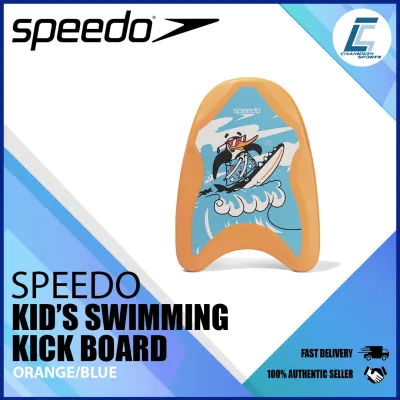
![[SG Stock] Adult Kickboard Float Swimming Kick Board Large Pool Buoy](https://img.lazcdn.com/g/p/e951eafb3b250d7ec1e9801b7a043460.jpg_400x400q80.jpg_.webp)
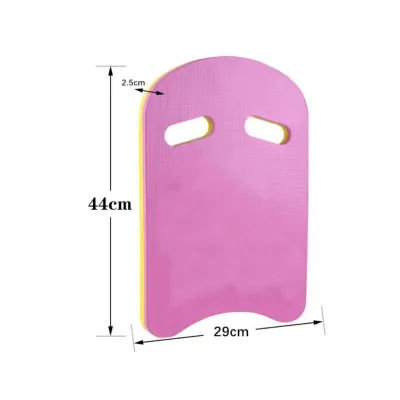
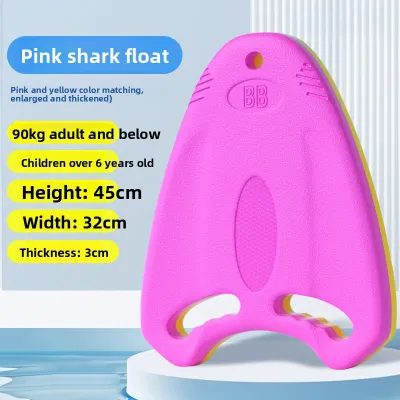
Prices are valid at publication and may change. Please refer to the product page for the latest price.
The hydrodynamic profile of the board significantly influences your body position in the water. Traditional rectangular boards offer maximum buoyancy and stability, making them excellent for beginners or long, steady-state kick sets. However, their wide surface area creates substantial frontal drag, which can force your upper body into an unnaturally high position and strain your lower back.
In contrast, V-shaped or arrowhead designs are engineered to cut through the water with minimal resistance. These streamlined profiles encourage a flatter, more natural body alignment, closely mimicking the streamline position used during active swimming. Contoured designs feature molded curves that fit comfortably under your arms or against your chest, reducing shoulder strain during extended training sessions.
Grip and edge ergonomics are critical for maintaining control during high-intensity drills. Look for boards with rounded, smooth edges that prevent skin chafing under the arms. Some models feature integrated handle cutouts, which provide a secure grip for juniors or beginners but may limit hand placement options for advanced swimmers. Textured surfaces or molded finger grooves help prevent your hands from slipping when the board is wet, allowing you to focus entirely on your leg drive.
Matching Board Designs to Specific Training Drills
Your choice of float board should directly align with the types of drills that dominate your training regimen. For dedicated lower body and kick drills, the primary goal is leg isolation. If your workouts involve high-volume kicking sets, a smaller, streamlined board is often preferable. It provides just enough buoyancy to keep your head above water while forcing your core and legs to work harder to maintain a horizontal body position.

For swimmers who want to maximize the utility of their gear, combination drills require a versatile board. Some manufacturers design dual-purpose training aids, often referred to as pull-kicks. These hybrid tools feature a contoured, hourglass shape that allows them to function as a standard kickboard when held at the front, or as a pull buoy when placed between your thighs. While highly convenient for reducing gear bag clutter, hybrid boards generally offer less buoyancy than dedicated kickboards and may not be suitable for swimmers who require maximum support.
Skill level and physical size are crucial factors when interpreting manufacturer guidelines. Beginners and junior swimmers typically benefit from larger boards with higher buoyancy ratings, as they help build confidence and allow the swimmer to focus on basic kick mechanics without struggling to stay afloat. Advanced athletes, however, often opt for minimalist alignment boards. These smaller boards provide minimal buoyancy, challenging the swimmer’s core stability and forcing them to maintain a proper streamline through active body tension rather than relying on the board for support.
Evaluating Quality, Sizing, and Value in the Store or Online
When shopping for a branded float board, whether at a local swim shop in Singapore or via an online marketplace, a systematic inspection will ensure you get the best value for your money. Start by reading the manufacturer’s product label carefully. Look for explicit weight capacities, recommended age groups, and physical dimensions. A board that is too small for your body weight will sink too deep, increasing drag and straining your shoulders, while an oversized board will lift your upper body too high.
If you are purchasing in a physical store, perform a hands-on quality check. Squeeze the board gently across its surface; the foam should feel firm and uniform, with no soft spots or air pockets. Inspect the edges for seamless finishing. High-quality boards are typically thermo-molded as a single piece of EVA foam. Avoid boards that show visible glue lines or laminated layers, as these are highly susceptible to delamination and peeling after repeated exposure to pool chemicals and sun.
In terms of value, branded float boards from Speedo, Arena, or TYR generally retail between S$20 and S$50 in the local market. While generic, unbranded foam boards can be found for S$10 or less, they often lack UV-stabilizing treatments and chlorine-resistant coatings. A premium branded board that maintains its buoyancy, resists mold, and does not degrade over several seasons of intense training represents a much better long-term investment for serious swimmers.
Decision Framework: Choosing the Right Brand Profile for Your Training
To select the ideal board, consider how each brand’s typical design philosophy aligns with your personal training goals. If your primary concern is comfort and reducing joint fatigue during long endurance sets, prioritize a brand that emphasizes ergonomic contours, rounded edges, and integrated hand grips. These features minimize shoulder tension and allow for a more relaxed, natural grip.
If your training is geared toward competitive performance, speed, and refining your streamline, choose a brand that focuses on narrow, V-shaped, or low-profile alignment boards. These designs are engineered to minimize water resistance and encourage a high, flat body position, helping you build the specific core strength needed for racing.
For specialized applications, such as youth training or physical therapy, always verify the product specifications first. Children require junior-sized boards that match their shoulder width to prevent unnatural joint angles, while rehabilitation patients may need highly buoyant, stable boards to support their weight safely. Never use a training board for medical rehabilitation without consulting a qualified physical therapist or sports physician to ensure the buoyancy level is appropriate for your recovery program.
Frequently Asked Questions (FAQ)
Can I use a standard kickboard for upper body pull drills?
Using a standard, full-sized kickboard as a pull buoy is generally not recommended. Standard boards are too wide to fit comfortably between your thighs, which can force your hips into an unnatural, wide stance and cause lower back or hip strain. Additionally, the high buoyancy of a standard board can lift your hips too high, disrupting your swimming alignment. If you want a single tool for both kicking and pulling drills, look for a dedicated pull-kick hybrid designed specifically with a contoured center for thigh placement.
How do I clean and maintain an EVA foam float board to extend its lifespan?
To maximize the lifespan of your EVA foam board, rinse it thoroughly with fresh, clean tap water after every pool session to remove chlorine, salt, and organic residues. Allow the board to air dry completely in a well-ventilated, shaded area before storing it in your swim bag. Never leave your board in direct sunlight, as UV radiation degrades EVA foam, causing it to fade, harden, and crack. Avoid using harsh chemical cleaners, detergents, or abrasive sponges, which can break down the foam’s protective surface barrier.
Community discussion
Share your experience or ask a question. Comments are reviewed before publication.