
Finding the most suitable pair of swimming goggles depends on your unique facial structure, your typical swimming environment, and your training goals rather than a single brand being universally superior. Speedo, Arena, and TYR each approach goggle design with distinct philosophies, ranging from highly hydrodynamic racing profiles to comfortable, wide-view options for open-water endurance. By understanding how their fit profiles, lens technologies, and strap systems align with your routine, you can select a pair that remains leak-free and comfortable throughout your swim.
Core Design Focus: Speedo vs Arena vs TYR
Speedo has long established itself as a versatile giant in the swimming world, offering a vast range of goggles that cater to everyone from toddlers and casual pool-goers to elite Olympic athletes. Their design philosophy emphasizes reliable hydrodynamics and broad market appeal, ensuring that replacement straps, nose bridges, and nose clips are widely accessible. If you swim in various settings—such as a local public pool, a condominium lap pool, or the open sea—Speedo’s diverse product lines provide highly adaptable options. Their models often feature a balanced fit that accommodates a wide variety of facial structures without requiring extreme adjustments.
Arena, with its deep roots in European competitive swimming, focuses heavily on high-performance racing and aggressive, low-profile fits. Their goggles are engineered to minimize drag during high-speed starts and turns, often featuring sleek, hard-gasket designs that sit deep within the eye socket. This makes Arena a popular choice for competitive club swimmers and sprinters who prioritize a secure, hydrodynamic seal over long-term cushioning. The brand’s aesthetic is distinctly athletic, with a strong emphasis on sleek lines and minimal frame bulk to help you feel as streamlined as possible in the water.
Products mentioned in this guide
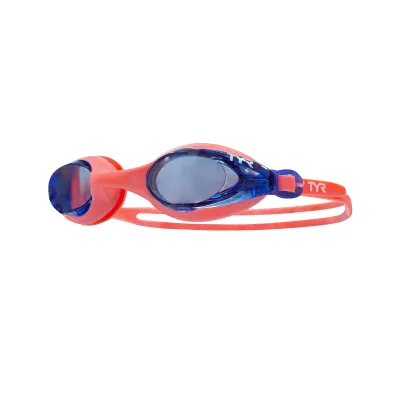
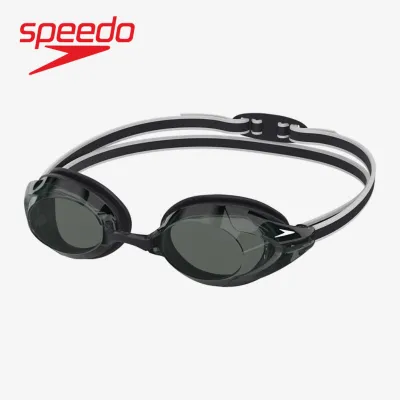
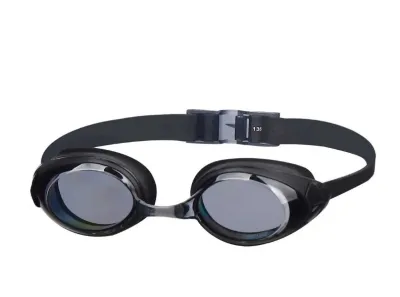
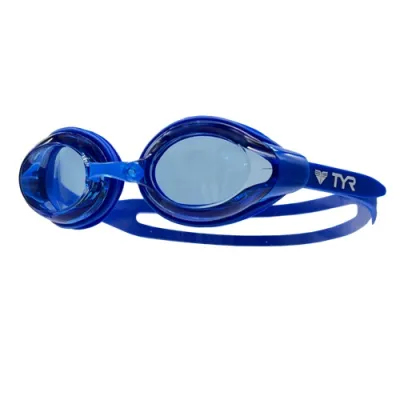
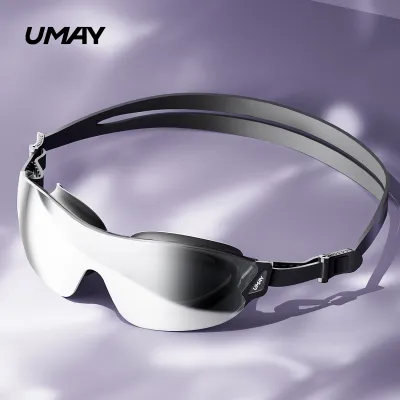
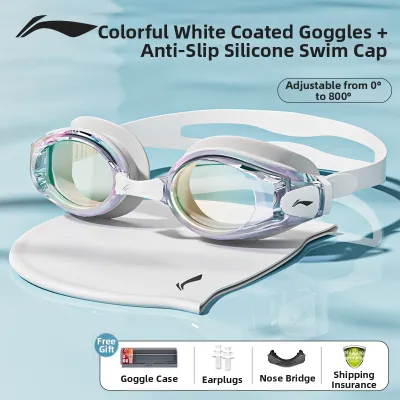
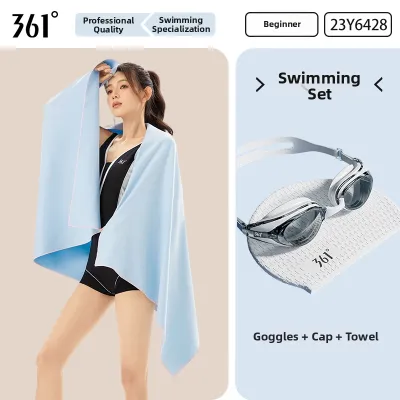
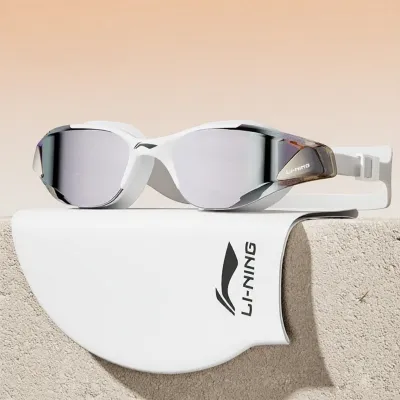
Prices are valid at publication and may change. Please refer to the product page for the latest price.
TYR takes a highly robust approach to goggle design, balancing durability with features tailored for open-water swimming, triathlons, and intense training. Originating with a strong presence in the American market, TYR goggles often feature slightly wider frames, comfortable silicone gaskets, and expansive fields of vision. Their designs are particularly favored by endurance athletes who need gear that can withstand the harsh sun, salt water, and extended wear of outdoor training sessions. TYR also places a strong emphasis on strap durability and ease of adjustment, making their goggles a reliable workhorse for daily training.
Matching Fit Profiles and Comfort to Your Face Shape
The effectiveness of any goggle relies entirely on how well the eye cups match your facial anatomy. Traditional Swedish-style goggles feature hard, gasketless plastic cups that sit directly against the skin, offering zero drag but requiring a precise facial match to prevent leaking. In contrast, modern training and racing goggles utilize soft silicone or liquid silicone gaskets that compress slightly to form a watertight seal, distributing pressure more evenly around the orbital bone. Choosing between these styles depends on your tolerance for pressure and how long you plan to keep the goggles on during a single session.

Nose bridge design is another critical factor in achieving a leak-free fit. Many high-performance models come with multiple interchangeable nose bridges of varying lengths, allowing you to adjust the distance between the eye cups to match your pupillary distance. Other recreational and open-water models feature flexible, self-adjusting nose bridges made of soft silicone, which stretch to accommodate wider or narrower nose bridges automatically. If you have a high nose bridge or a particularly narrow face, interchangeable nose pieces offer the customization needed to prevent water from seeping in through the inner corners of your eyes.
To verify a proper fit before entering the water, press the goggle cups gently against your eyes without using the strap. A well-fitting pair should create a brief, light suction and hold its place for a few seconds on its own. If the goggles fall off immediately or cause pinching at the bridge of your nose, the frame geometry or cup depth may not be compatible with your face shape, and tightening the strap will only lead to discomfort. Remember that a secure seal comes from a proper anatomical match, not from pulling the head strap as tight as possible.
Choosing Lens Technology for Your Swimming Environment
Your swimming environment dictates the type of lens tint and coating you need to maintain clear visibility and protect your eyes. For indoor pools, early morning sessions, or covered swimming complexes, clear or light-colored lenses (such as blue or yellow) are ideal because they maximize light transmission. These lenses allow you to see lane lines, pace clocks, and other swimmers clearly without distorting your depth perception in low-light conditions. They are also excellent for indoor training where overhead fluorescent lighting can sometimes create distracting shadows.
When swimming outdoors under the bright tropical sun, mirrored, dark, or polarized lenses become essential. Mirrored coatings reflect bright light away from your eyes, while dark tints reduce overall brightness, making them highly effective for midday lap swimming. Polarized lenses go a step further by filtering out the harsh glare reflecting off the water’s surface, which is particularly beneficial for open-water swimmers navigating natural bodies of water. Using the wrong lens tint outdoors can lead to squinting, eye strain, and difficulty spotting landmarks or lane markers.
Regardless of the tint you choose, always verify that the product label specifies built-in UV protection and an anti-fog coating. Ultraviolet radiation can damage your eyes during outdoor swims, even on overcast days. To ensure your anti-fog coating lasts as long as possible, avoid touching or wiping the inside of the lenses, as physical friction can easily scratch or rub off this delicate chemical layer. When the factory coating eventually degrades, look for manufacturer-approved anti-fog solutions rather than using abrasive household alternatives.
Aligning Goggle Features With Your Swimming Activities
Matching your goggles to your specific swimming activity ensures you do not compromise on comfort or performance. Competitive racing demands low-profile goggles that sit flush with your brow to minimize water resistance during dives and fast turns. These models prioritize a secure, rigid fit, which is excellent for short-duration events but can become uncomfortable during long, continuous training sessions. Swimmers who participate in swim meets or time trials often keep a dedicated pair of racing goggles specifically for competition day to preserve their seal and clarity.
For daily lap swimming, fitness training, or triathlon preparation, a wider-vision goggle with a thicker, cushioned gasket is generally more suitable. These goggles offer a broader peripheral view, helping you spot oncoming swimmers in a crowded lane or navigate open-water buoys. The larger surface area of the gasket also distributes pressure across a wider portion of your face, reducing eye fatigue and preventing deep red marks. This added comfort is crucial when you are spending an hour or more in the pool completing endurance sets.
Strap systems also play a vital role in keeping your goggles secure and comfortable. Double silicone straps or split-strap designs distribute tension across the back of your head, preventing the goggles from slipping down during a swim. Some swimmers prefer aftermarket bungee straps, which allow for quick, micro-adjustments without pulling on your hair, making them a popular upgrade for high-mileage training. Ensuring your strap is made of high-quality, chlorine-resistant silicone will also extend the lifespan of your gear, especially if you swim multiple times a week.
Final Decision: Which Goggle Brand Suits You Best?
Choosing between Speedo, Arena, and TYR ultimately comes down to your primary swimming environment and personal fit preferences. If you want a highly versatile selection with easily replaceable parts and designs that fit a wide variety of face shapes, Speedo is an excellent starting point. Their extensive product range ensures you can find a suitable model whether you are teaching a child to swim, enjoying a casual dip in a condominium pool, or training for a local swim meet. Their widespread availability also makes finding replacement straps or nose pieces highly convenient.
If your focus is strictly on competitive racing, speed, and a highly secure, low-profile fit, Arena is likely your most suitable match. Their designs excel in high-speed environments where minimizing drag is your top priority. However, be prepared for a firmer fit that may require some adjustment period if you are transitioning from softer, recreational models. Arena’s commitment to hydrodynamic excellence makes them a favorite among club swimmers who need their gear to perform flawlessly under intense competitive pressure.
For those who spend significant time training outdoors, participating in triathlons, or simply prioritizing long-term comfort and durability, TYR offers robust options. Their wider frames and comfortable gaskets are built to handle extended exposure to salt water, chlorine, and bright sunlight. Before making a final purchase, always check the manufacturer’s specifications for material compositions, especially if you have known sensitivities to latex or specific silicone blends. Taking the time to verify these details will ensure your chosen goggles provide a comfortable, leak-free experience for many swims to come.
Frequently Asked Questions (FAQ)
How do I prevent my swimming goggles from fogging up?
To keep your lenses clear, rinse your goggles in clean pool water immediately before putting them on to help equalize the temperature between the air inside the cups and the water. Avoid touching, wiping, or rubbing the inside of the lenses with your fingers or a towel, as this will quickly degrade the factory-applied anti-fog coating. If the coating begins to wear off over time, consult the manufacturer’s care instructions to see if they recommend a compatible aftermarket anti-fog spray or gentle rinsing method. Proper storage in a ventilated case after your swim also helps protect the lens integrity.
What should I do if my goggles leave deep marks around my eyes?
Deep marks are usually a sign of excessive strap tension or an incorrect eye cup fit rather than a secure seal. Try adjusting the strap so it sits higher on the crown of your head, which pulls the goggles gently up and back rather than pressing them flat against your face. If adjusting the strap tension does not help, you may need to switch to a model with softer, wider silicone gaskets or a different frame size that matches your orbital bone structure more naturally. If discomfort or skin irritation persists, stop using the goggles and consult a retailer or manufacturer specifications to find a more compatible fit profile.

Community discussion
Share your experience or ask a question. Comments are reviewed before publication.