
Speedo, Arena, and TYR are the undisputed giants of the swimming world, but choosing between their kickboards is not about finding a single universal winner. Instead, the ideal choice depends entirely on matching a board’s physical design, foam density, and shape to your specific body mechanics, training objectives, and comfort preferences. In Singapore’s active swimming community—where public pools and private condominium facilities are utilized year-round—a kickboard is a fundamental tool for isolating leg movement, refining kick technique, and building cardiovascular endurance. Because individual product lines within each brand vary significantly, this guide establishes a clear framework to help you evaluate their typical design philosophies, inspect key product specifications, and select the ideal training companion for your swim routine.
Before incorporating any kickboard into your training, it is essential to recognize your own swimming ability limits. A kickboard is a training aid designed to isolate leg movement; it is not a personal flotation device or a safety tool for weak swimmers. Always ensure you are comfortable swimming without assistance before using a kickboard in deep water. If you experience shoulder discomfort, lower back tightness, or neck strain during your sets, stop immediately and check your body alignment. No piece of equipment can replace proper swim coaching, water safety judgment, and physical conditioning.
Understanding the Core Design Differences
Each of the major swim brands approaches kickboard design with a slightly different philosophy, catering to different segments of the swimming community. Speedo typically focuses on classic, versatile shapes that are highly suitable for general pool use, swim schools, and mixed training routines. Their traditional designs offer a familiar feel that appeals to recreational swimmers and fitness enthusiasts alike, providing a reliable balance of surface area and buoyancy.
Products mentioned in this guide
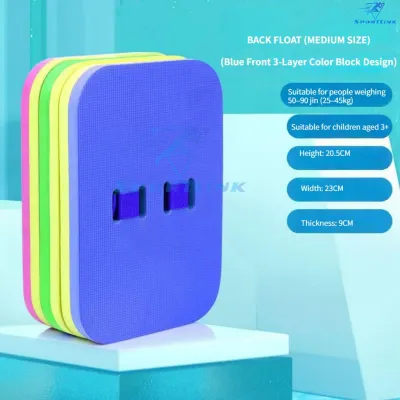
![[SG Stock] Swimming Kickboard Float Kids Adults Kick Board Learn To Swim Safety Pool Aid Plate Children](https://img.lazcdn.com/g/p/19e9b69ae94352f2a472a5e2355a4741.jpg_400x400q80.jpg_.webp)
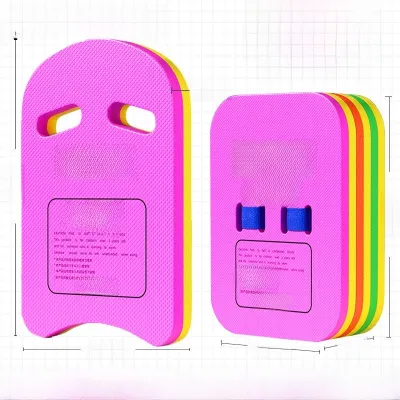
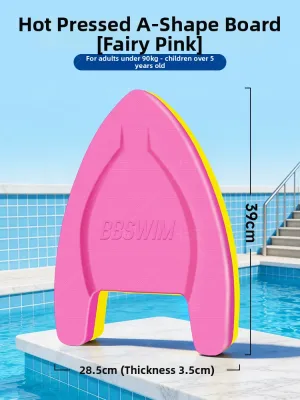
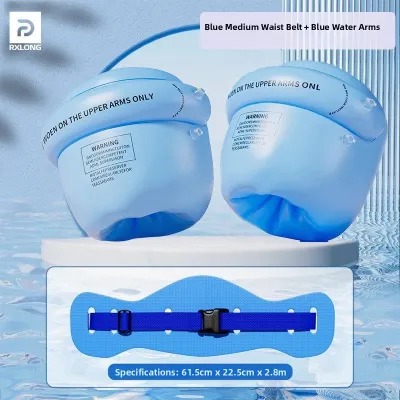
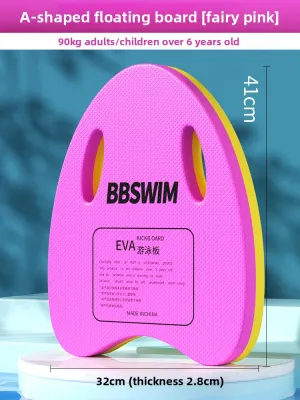
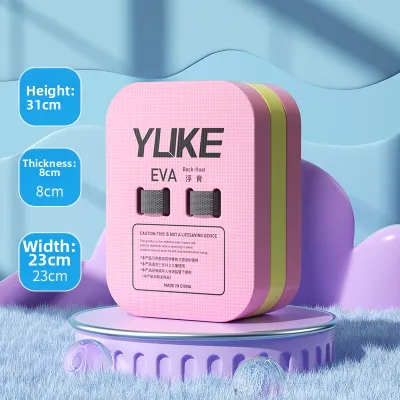
Prices are valid at publication and may change. Please refer to the product page for the latest price.
Arena, on the other hand, frequently emphasizes ergonomic contours, hydrodynamic profiles, and highly specific grip placements. Their design philosophy often targets competitive swimmers and those focused on technical precision, aiming to minimize water resistance and reduce joint stress. You will often find molded hand grips and curved edges on Arena boards, which are engineered to encourage a more natural hand and wrist position during long sets.
TYR commonly takes an approach centered on high-density foam, structural rigidity, and long-term durability. Their boards are often favored by competitive swim squads and triathletes who require firm, uncompromising support during intense, high-volume kicking sets. TYR boards are built to withstand heavy daily use without flexing excessively under pressure, making them a staple in rigorous training environments.
While these brand-wide generalizations are useful starting points, you must always verify specific model features on the product label or manufacturer listing. Every brand produces multiple tiers of equipment, ranging from basic recreational models to advanced ergonomic training aids, and a single brand’s entry-level board may perform very differently from its premium competitive counterpart.
Key Specifications to Check on the Product Label
To make an informed purchase, you should look beyond the brand logo and carefully inspect the physical specifications listed on the product label or online description. First, check the exact dimensions, including length, width, and thickness. A kickboard must fit your arm length and torso size; a board that is too long will force your arms too far forward, while a board that is too small will fail to provide adequate support, causing your upper body to sink.

Next, verify the foam type and density indicators. Most high-quality training boards are made from Ethylene-Vinyl Acetate (EVA) foam, which is highly durable, flexible, and resistant to chlorine degradation. Some budget-friendly boards use Polyethylene (PE) foam, which is lightweight but tends to be less durable and more prone to surface crumbling over time. Look for terms like “closed-cell EVA” on the label, as this indicates the foam will not absorb water and will maintain its buoyancy over years of use.
Finally, check for specific functional details such as textured grip surfaces, contoured side channels, or built-in hand holes. These features are not merely aesthetic; they directly affect how securely you can hold the board when your hands are wet and fatigued. If you prefer to hold the board from the sides rather than the top, look for models that explicitly mention side-grip contours on their packaging.
Evaluating Shape and Ergonomics
Comparing traditional rectangular or “tombstone” shapes against modern contoured or cut-out designs is a crucial step in finding the right board. Traditional tombstone boards offer a large surface area and high stability, making them excellent for beginners or general fitness swimmers who want straightforward, reliable support. However, their flat profile creates more water resistance and can force your shoulders into a rigid, elevated position.
Contoured or cut-out designs are engineered to support your natural arm placement and reduce shoulder strain. When evaluating these boards, try to verify if the grip positions align naturally with your shoulder width. Holding a board that is too narrow or too wide for your frame can lead to shoulder impingement or neck discomfort during extended kicking sets.
If you have a history of shoulder mobility issues or joint pain, you should specifically look for ergonomic cut-outs or angled front edges. These designs allow your hands to rest in a neutral, slightly downward-sloping position, which relieves pressure on the rotator cuff and allows you to focus entirely on your leg drive without distracting upper-body discomfort.
Assessing Material Density and Buoyancy
Selecting the right buoyancy level requires understanding the trade-offs associated with different foam densities. High-density foam boards are firmer, highly durable, and resist flexing, but they often sit slightly lower in the water. This lower profile provides a more realistic swimming position, as it does not force your chest too high above the surface. Conversely, low-density foam boards are highly buoyant and soft to the touch, but they can degrade faster and may force your upper body into an unnaturally high position.
Your choice should match your natural body position and core strength in the water. Swimmers with heavy legs or weaker core engagement often benefit from a more buoyant, low-density board that helps keep their hips and legs close to the surface. More advanced swimmers who want to replicate their actual swimming draft and maintain a flat, streamlined body line usually prefer a firmer, high-density board that offers moderate, controlled buoyancy.
Never assume that all boards from a single brand share the exact same foam density across different price tiers. A brand’s entry-level recreational board is often made of softer, more buoyant, and less durable foam, while their premium training models utilize highly compressed, high-density EVA. Always read the product specifications carefully to confirm the foam density and construction type before buying.
Matching the Kickboard to Your Training Goals
Your training goals should dictate the specific characteristics of the kickboard you choose. Different swim drills place unique demands on your body and your equipment, meaning a board that excels during slow technique work might not be the best choice for high-intensity endurance sets.
Focus on Technique and Form Drills
If your primary goal is stroke correction, body alignment, and slow, technical kicking drills, you should look for a board that promotes a streamlined profile. Technical drills, such as catch-up or single-arm kicking, require a board that glides smoothly through the water with minimal drag. Look for boards with a tapered front edge or a hydrodynamic V-shape, which allows the board to cut through the water rather than pushing against it.
Additionally, verify that the board’s thickness does not force your chest too high. When a kickboard is excessively thick and buoyant, it lifts your upper torso out of the water, causing your lower back to arch uncomfortably and your hips to drop. This poor alignment defeats the purpose of technical drills, which aim to teach your body to remain flat and horizontal in the water. A thinner, moderately buoyant board is generally superior for technique-focused training.
Focus on Endurance and Leg Strengthening
For swimmers focusing on high-intensity sprint sets, vertical kicking, and leg-strengthening endurance workouts, durability and water resistance are the top priorities. During intense kicking sets, you exert significant force on the board, gripping it tightly and pushing it deep into the water. A flimsy board will flex and wobble, reducing the efficiency of your workout and causing hand fatigue.
To prevent this, look for high-density, closed-cell foam specifications that resist flexing under pressure. These boards maintain their structural integrity even during explosive sprint sets. Furthermore, ensure the product description highlights long-term water absorption resistance. A board that absorbs water over time will become heavy, lose its buoyancy, and deteriorate rapidly, whereas a high-quality closed-cell board will remain lightweight and dry quickly after use.
How to Verify Quality and Value in Singapore
When shopping for a kickboard in Singapore, whether at a local sporting goods hub in Queensway or through an online marketplace, you must know how to assess build quality firsthand. If you are buying in-store, inspect the foam edges carefully. High-quality boards feature clean, smooth, heat-sealed edges with no visible gaps, rough cuts, or peeling lamination. Run your fingers along the seams to ensure there are no sharp or abrasive areas that could chafe your skin during a workout.
When shopping online, compare the S$ price against the stated material density and expected lifespan rather than relying solely on the brand name. A basic PE foam board may cost around S$15, but it may degrade within a few months of regular exposure to chlorine and tropical sunlight. Investing S$30 to S$45 in a high-density, UV-resistant EVA board from an established brand like Speedo, Arena, or TYR often represents far better long-term value, as these materials are built to withstand daily training for years.
Before finalizing your purchase, always check the return and exchange policy of the retailer. Because you cannot truly test a kickboard’s firmness, buoyancy, and ergonomic fit until you are in the water, having the option to exchange an unused board is highly valuable. Finally, ensure you purchase from authorized sports retailers or official brand stores in Singapore. This guarantees that you are receiving an authentic product made with non-toxic, high-grade foam, rather than a cheap counterfeit that may degrade rapidly or leach chemicals into the pool.
Decision Framework: Which Brand Should You Choose?
To make your final decision, align your verified training needs and personal comfort with the typical strengths of each brand’s product lineup:
- Choose Speedo if you want a reliable, versatile, and classic board. It is the ideal choice for general fitness swimming, recreational use, and mixed training routines where straightforward support and familiar comfort are your primary requirements.
- Choose Arena if you prioritize ergonomic contours, hydrodynamic efficiency, and advanced grip options. This brand is highly suited for swimmers who experience shoulder or wrist strain and those who engage in long, technique-focused training sessions that require precise hand placement.
- Choose TYR if your training consists of high-intensity sprint sets, competitive squad workouts, and heavy daily use. Their focus on high-density, rigid foam ensures maximum durability, minimal flexing, and excellent resistance to waterlogging over time.
Always remember that individual model specifications and personal comfort override general brand trends. If you have specific shoulder injuries, unique body proportions, or highly specific training requirements, prioritize checking the physical dimensions and foam density of the individual model over the brand name alone.
Frequently Asked Questions (FAQ)
Does a thicker kickboard always provide better support?
No, a thicker kickboard does not automatically provide better support, and it can sometimes hinder your training. While thicker boards offer higher buoyancy, they can lift your chest too high out of the water. This elevation forces your lower back to arch excessively, which can lead to spinal strain and cause your hips and legs to sink. To maintain a flat, streamlined body position, you should balance the board’s thickness with your natural body weight, core strength, and leg buoyancy. Advanced swimmers often prefer thinner, moderately buoyant boards that keep them closer to their natural swimming draft.
How do I clean and maintain my kickboard to prevent degradation?
To extend the lifespan of your kickboard, rinse it thoroughly with fresh, clean water after every pool session. This simple step removes residual chlorine, salt, and other pool chemicals that can slowly break down the foam structure. After rinsing, allow the kickboard to air-dry completely in a shaded, well-ventilated area. Avoid leaving your kickboard in direct sunlight, such as on an outdoor balcony or a sunny pool deck. Singapore’s high UV index can rapidly degrade both EVA and PE foam, causing the material to fade, crack, lose its flexibility, and eventually crumble.
Community discussion
Share your experience or ask a question. Comments are reviewed before publication.