
Finding the ideal swim cap is not just about keeping hair out of your eyes; it is about balancing hydrodynamic performance, long-term durability, and a secure fit that does not cause discomfort during long training sessions. For swimmers navigating year-round training routines—often in warm, chlorinated pools or humid outdoor environments—the choice of swim cap directly impacts both comfort and performance. Speedo, Arena, and TYR are the dominant names in aquatic gear, yet each brand approaches design, material composition, and sizing with distinct philosophies.
Rather than searching for a single, universally perfect cap, finding the right option requires matching your specific head shape, hair volume, and training intensity to the correct material and cut. A cap that excels in a high-speed racing environment may prove uncomfortably tight for daily fitness laps, while a soft, highly stretchable cap might slip off during explosive pool starts. By understanding how these leading brands construct their caps and how their materials behave over time, you can make an informed decision that protects your hair and enhances your time in the water.
How to Assess Material Quality and Durability
Evaluating the lifespan of a swim cap begins with understanding its primary material. The three most common materials used by major manufacturers are silicone, latex, and fabric blends like Lycra or spandex. Each material serves a distinct purpose and exhibits unique wear patterns over time.
Products mentioned in this guide
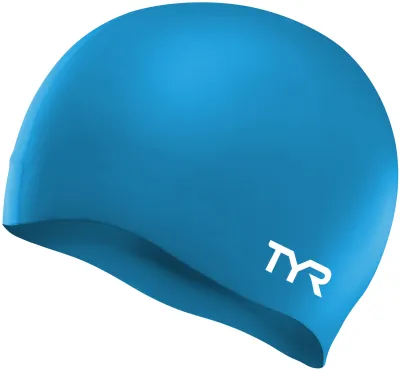
![[SWANS] Adult Lycra Swimming Cap](https://img.lazcdn.com/g/p/mdc/cdb704053a7f734e10be85fddd2be4e0.jpg_400x400q80.jpg_.webp)
![[SG Stock] Kids Swim Cap Cute Waterproof Non-slip Elastic Stretchy Fun Print For Children Swimming](https://img.lazcdn.com/g/p/3dbc71e26c394aeec459b045e1fa1204.jpg_400x400q80.jpg_.webp)

Prices are valid at publication and may change. Please refer to the product page for the latest price.
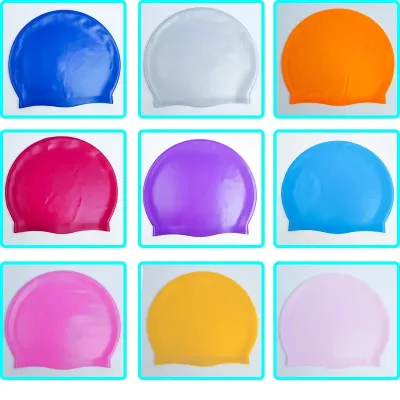
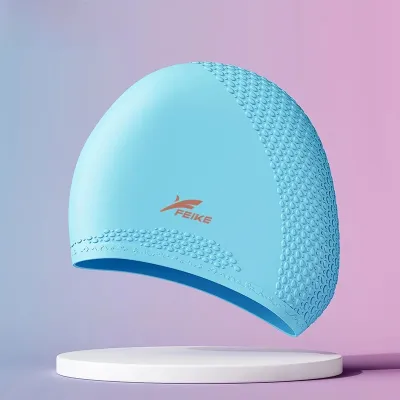
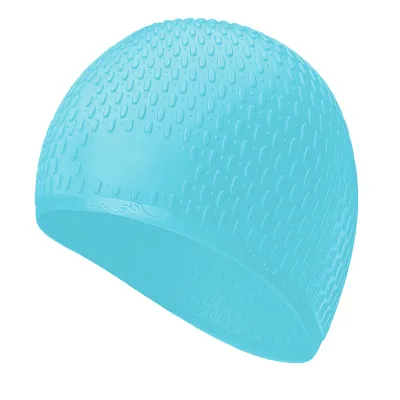
Silicone is widely regarded as the industry standard for durability and chlorine resistance. It is highly elastic, retains its shape well after repeated stretching, and is thick enough to provide moderate thermal protection in cooler water. High-quality silicone caps are typically molded without seams, which eliminates weak points where tears usually start. However, silicone is highly susceptible to puncture damage from sharp objects like fingernails or hairpins. Once a micro-tear forms in silicone, the material quickly splits under tension, rendering the cap unusable.
Latex caps are exceptionally thin, lightweight, and highly breathable, making them a traditional favorite for competitive racing and warm-weather training. They offer a very tight, low-profile fit that minimizes drag. However, latex is significantly less durable than silicone. It degrades rapidly when exposed to pool chemicals, body oils, and UV radiation. Over time, latex caps lose their elasticity, become brittle, and are highly prone to tearing along the edges. In warm climates, stored latex caps can even melt or stick to themselves if not dried and treated properly.
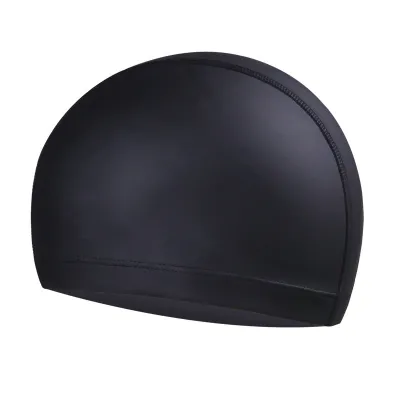
Lycra and fabric caps prioritize comfort and ease of use above all else. They are soft, highly stretchable, and do not pull or snag hair during application, making them excellent for recreational swimming or water aerobics. However, fabric is completely porous. It does not keep water out, offers no protection against chlorine exposure for your hair, and creates more hydrodynamic drag than smooth silicone or latex. Fabric caps are highly durable in terms of tear resistance, but they can stretch out and lose their grip over months of regular use.
When purchasing a cap, check the manufacturer’s specifications for material thickness and construction details. Look for terms like “100% multi-density silicone” or “reinforced edges,” which indicate a design engineered to withstand high tension. Inspect the seams of the cap; flatlock seams or seamless molded designs are far less likely to irritate your skin or split under pressure. Early signs of wear to watch out for include a sticky texture on the inside of the cap, visible thinning of the material when stretched toward the light, or tiny nicks along the rim.
Finding the Right Fit for Your Head Shape and Hair
A swim cap must create a secure seal around your head without exerting excessive pressure that leads to tension headaches. Achieving this balance depends on your head circumference, hair volume, and the cap’s edge design.

To determine your sizing needs, consider your head shape and hair length. Standard adult swim caps are designed to fit average head circumferences, but they often struggle to accommodate long, thick, or highly textured hair. If you have significant hair volume, a standard cap will either slide upward during your swim or squeeze your forehead uncomfortably. To address this, look for specialized “long hair” or “extra volume” variants. These caps feature an asymmetrical design with extra space molded into the back to house a bun or ponytail without pulling the front of the cap backward.
Slipping is one of the most common complaints among swimmers, particularly during dives, flip turns, or high-speed sets. To prevent this, examine the inner surface and edge design of the cap. Many high-performance caps feature textured inner grids or micro-dots designed to increase friction against the hair and skin, keeping the cap locked in place. Additionally, caps with a thickened ergonomic band around the rim distribute pressure more evenly, preventing the edges from rolling upward during vigorous movement.
Choosing the right fit also involves a trade-off between hydrodynamics and comfort. Competitive racing caps are engineered to be extremely tight and wrinkle-free to minimize drag in the water. While highly effective for short races, this level of compression can become painful during an hour-long training session. For daily fitness swimming, a slightly more pliable, standard-fit silicone cap offers a much more comfortable experience while still keeping your hair contained and out of your face.
Speedo vs. Arena vs. TYR: Matching Brand Focus to Your Needs
While all three brands offer a wide range of swim caps, they target slightly different swimmer profiles and design priorities. Understanding these brand-specific characteristics helps you narrow down your choices.
Speedo is highly versatile, offering everything from basic recreational caps to elite, Olympic-grade racing gear. Their recreational silicone caps are known for being highly pliable and easy to put on, making them a reliable choice for casual lap swimmers. On the competitive end, Speedo’s specialized molded caps utilize advanced 3D modeling to match the natural contours of the head, reducing wrinkles and drag. When browsing Speedo’s catalog, pay close attention to the product labels to distinguish between their soft training silicone and their rigid, competition-focused racing silicone.
Arena places a strong emphasis on ergonomic precision and hydrodynamic efficiency. Their caps are frequently favored by competitive club swimmers who prefer a highly structured, secure fit. Arena’s competition-grade silicone formulations tend to be slightly firmer than those of their competitors, providing excellent compression that keeps the cap perfectly flat against the head. Their designs often feature a pre-molded shape that minimizes bunching at the crown, making them ideal for swimmers focused on optimizing their technique and speed.
TYR is widely recognized for its user-friendly designs and accommodation of diverse head shapes. They offer some of the most popular long-hair and high-volume caps on the market, featuring generous cuts that do not sacrifice security. TYR’s silicone formulations are often highly elastic and soft to the touch, making them exceptionally comfortable for swimmers who are sensitive to tight head pressure. They also produce specialized options, such as thermal caps lined with insulating materials for open-water swimmers training in cooler conditions.
To guide your purchase, use this conditional decision framework:
- Choose Speedo if: You want a highly versatile, widely available cap that ranges from soft, forgiving daily training models to elite, wrinkle-free racing designs.
- Choose Arena if: You prioritize a firm, highly structured, and ergonomic fit that minimizes drag during high-intensity training or competitive racing.
- Choose TYR if: You have long or thick hair, a larger head shape, or experience pressure headaches from standard caps, and you prefer a softer, highly pliable silicone.
Always verify the specific model’s sizing chart and material composition before purchasing, as fit characteristics can vary significantly between a brand’s entry-level and premium product lines.
Essential Care Steps to Extend Your Swim Cap's Life
Even the highest-quality swim cap will degrade prematurely without proper maintenance. Because pool water contains harsh chemicals like chlorine, and outdoor swimming exposes gear to salt and UV rays, a consistent care routine is essential to preserve material integrity.
Immediately after every swim, rinse your cap thoroughly inside and out with clean, fresh tap water. This simple step removes residual chlorine, salt, and body oils that slowly break down silicone and latex. Avoid using harsh soaps, detergents, or abrasive sponges, as these can strip protective coatings or cause micro-abrasions on the material’s surface.
Once rinsed, air-dry the cap completely in a shaded, well-ventilated area. Never leave a wet cap crumpled in your swim bag, as this creates a breeding ground for mold and bacteria. Avoid exposing the cap to direct sunlight or high heat sources, such as radiators or hair dryers, which can cause silicone to warp and latex to melt or become brittle. For latex caps, lightly dusting the dry interior with talcum powder or cornstarch before storage prevents the sides from sticking together and fusing.
When putting on or removing your swim cap, take care to avoid puncture damage. The leading cause of sudden tears is contact with sharp fingernails, rings, or hair accessories. To apply the cap safely, place both hands inside the cap with your fingers curled and knuckles facing outward. Stretch the cap open using the flats of your hands, then lower it onto your head, tucking in loose hair with your fingertips rather than your nails.
Finally, know when it is time to retire your cap. If you observe persistent slipping despite correct application, deep creases that do not smooth out, or visible micro-tears along the rim, replace the cap immediately. Continuing to use a compromised cap increases the risk of it splitting suddenly mid-swim, which can disrupt your training and damage your hair.
Frequently Asked Questions (FAQ)
Do silicone swim caps keep hair completely dry?
No swim cap is entirely waterproof. While silicone is a water-impermeable material, water will inevitably seep in around the edges of the cap during swimming, especially during submersion, dives, or flip turns. Swim caps are primarily designed to reduce hydrodynamic drag, keep hair out of your face, and protect your hair from direct, prolonged exposure to pool chemicals, rather than keeping it perfectly dry.
How do I prevent my swim cap from pulling my hair?
To minimize hair pulling and discomfort, wet your hair with clean shower water before putting on your cap. Wet hair allows the cap to slide on much more smoothly than dry hair. You can also apply a small amount of leave-in conditioner to create a protective barrier. Alternatively, look for caps with textured inner surfaces designed to reduce friction, or consider using a fabric-lined silicone cap which combines the comfort of a fabric interior with the water-resistance of a silicone exterior.
Can I use a latex swim cap if I have a latex allergy?
No. If you have a known latex allergy or sensitivity, you must avoid latex swim caps entirely. Wearing a latex cap in a wet, high-friction environment can trigger severe skin irritation or allergic reactions. Instead, opt for caps made of 100% silicone, Lycra, neoprene, or other synthetic fabric blends, and always verify the material composition on the product packaging before purchasing.

Community discussion
Share your experience or ask a question. Comments are reviewed before publication.