
There is no single “best” nose bridge across Speedo, Arena, and TYR, as comfort and seal depend entirely on your unique facial structure, including nose width and eye socket depth. While Speedo often favors integrated or flexible fixed designs, Arena and TYR frequently utilize interchangeable or adjustable systems. Finding the right fit is crucial for preventing leaks and eye fatigue during swim sessions, whether in a local condominium pool or a public sports complex.
Understanding how these three industry-leading brands approach nose bridge engineering is essential for any swimmer. A poorly fitting nose bridge can lead to painful pressure points, unsightly red marks, and constant leaks that disrupt your rhythm. By analyzing the structural differences and fit profiles of each brand, you can make an informed decision that matches your specific facial anatomy.
Understanding Swimming Goggle Nose Bridge Designs
The nose bridge of a swimming goggle serves a vital structural purpose: it determines the distance between the two eye cups and dictates how they align with your orbital bones. If the bridge is too wide, the eye cups will sit too far apart, causing water to seep in through the inner corners of your eyes. If it is too narrow, the cups will pinch the bridge of your nose and pull the outer edges of the gaskets away from your skin, breaking the seal.
Products mentioned in this guide
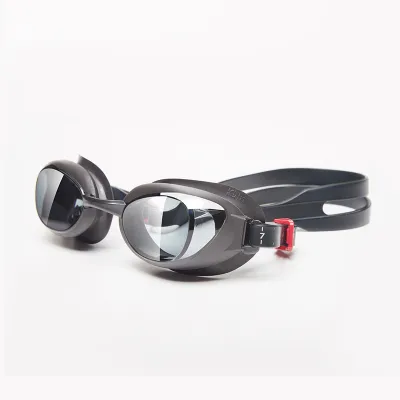
![[SG 🚚] 5 in 1 HD Swimming Goggles Sets Anti-Fog UV Protection Swim Goggles Waterproof with Nose ClipNose BridgeEar PlugsSwim](https://img.lazcdn.com/g/p/7368f68975d95aca97e752b231c265ba.jpg_400x400q80.jpg_.webp)
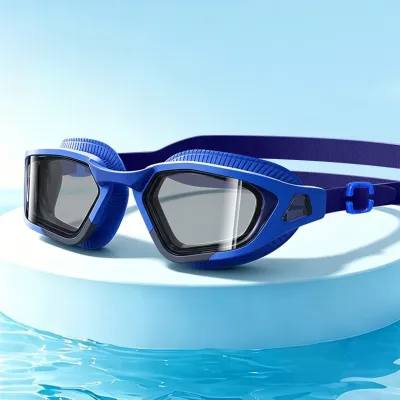
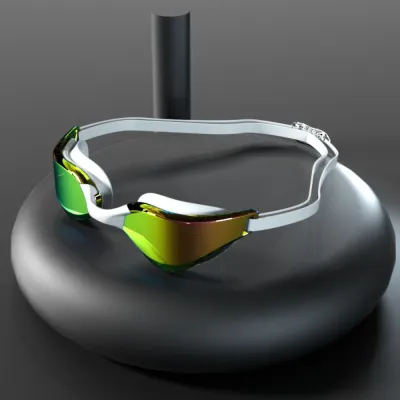
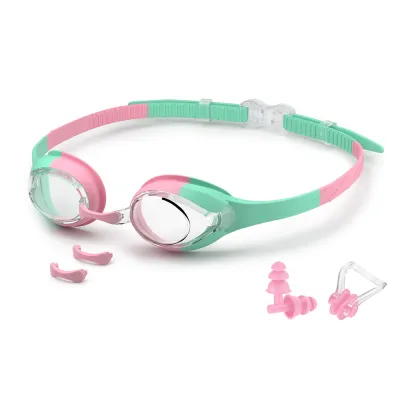
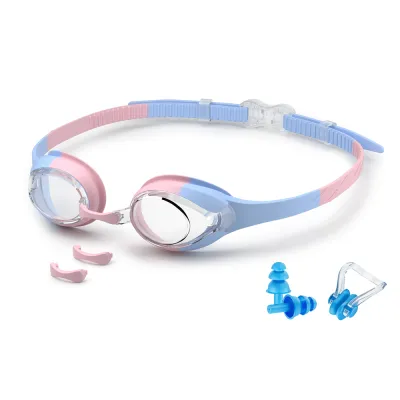
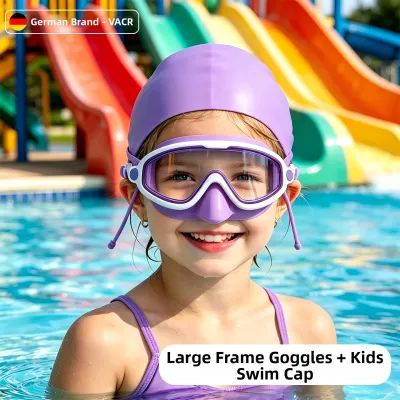
Prices are valid at publication and may change. Please refer to the product page for the latest price.
There are three primary nose bridge mechanisms used by major manufacturers: fixed, interchangeable, and adjustable. Fixed nose bridges are molded as a single piece with the goggle frame, offering high durability but limited flexibility. Interchangeable systems feature separate plastic pieces of varying lengths that snap into the eye cups, allowing you to customize the width. Adjustable systems, often found on traditional Swedish-style goggles, use a string or silicone strap that can be threaded and knotted to achieve a highly customized fit.
Material composition also plays a significant role in how a nose bridge feels against your skin. Rigid plastics provide excellent structural integrity, ensuring the eye cups remain stable during high-speed starts and turns. However, they offer no give and can cause discomfort if they press directly against a high nasal bone. In contrast, soft silicone or thermoplastic elastomer (TPE) bridges flex and stretch with your facial expressions, distributing pressure more evenly but potentially offering less stability during vigorous aquatic activities.
Speedo Nose Bridge Features and Fit Profile
Speedo has long been a household name in swimming gear, and their approach to nose bridge design reflects a focus on user-friendly comfort and streamlined performance. Many of Speedo’s fitness and recreational goggles feature integrated frame designs where the nose bridge is molded directly from the same flexible silicone as the eye gaskets. This creates a seamless, one-piece construction that eliminates hard plastic contact points against the nose.

These flexible, integrated bridges are highly accommodating for swimmers with average facial dimensions. Because the silicone stretches slightly, the bridge automatically adjusts to minor variations in nose width, providing a comfortable, pinch-free fit right out of the box. This makes them an excellent choice for casual fitness swimmers who prioritize comfort and ease of use over highly technical adjustments.
However, the primary limitation of Speedo’s non-adjustable and integrated bridges is their lack of adaptability for extreme facial profiles. If you have a particularly wide nasal bridge or deep-set eyes, a fixed silicone bridge may stretch to its limit, pulling the eye cups inward and causing the outer seals to fail. Conversely, for those with very narrow nose bridges, the lack of structure can cause the goggles to collapse inward, leading to painful pressure on the inner orbital bones.
Arena Nose Bridge Features and Fit Profile
Arena is highly regarded in the competitive swimming community, and their goggle designs often prioritize a secure, hydrodynamic fit for high-speed training and racing. To achieve this, Arena frequently utilizes modular, interchangeable nose bridge systems. These goggles typically come packaged with multiple distinct plastic bridge pieces of varying lengths, allowing the swimmer to select the exact size that matches their orbital spacing.
This modular engineering is highly beneficial for swimmers who require a precise, unyielding fit. By swapping out the bridge pieces, you can make micro-adjustments to the distance between the eye cups, ensuring that the gaskets sit perfectly in the center of your eye sockets. This precise alignment is crucial for maintaining a watertight seal during explosive dive starts and flip turns, where water resistance can easily dislodge looser goggles.
The trade-off with Arena’s rigid interchangeable bridges is the potential for localized discomfort if the sizing is not perfectly matched to your anatomy. Because these bridge pieces are made of hard plastic to maintain structural stability under high water pressure, an incorrect size can press painfully against the nasal bone. Swimmers with high, bony nose bridges must be particularly careful when selecting and fitting these modular pieces to avoid bruising or skin irritation during long training sessions.
TYR Nose Bridge Features and Fit Profile
TYR is known for its innovative and versatile swim gear, offering nose bridge designs that cater to a wide spectrum of swimmers, from recreational pool-goers to elite athletes. One of TYR’s standout features is their use of adjustable strap-style nose bridges on several of their classic and competitive models. These designs utilize a thin silicone cord or a traditional string-and-tube mechanism that allows the swimmer to adjust the bridge width down to the exact millimeter.
This level of fine-tuning is incredibly advantageous for swimmers with asymmetrical facial features or unique nasal profiles that do not fit standard small, medium, or large categories. By sliding the tension lock or adjusting the knot, you can customize the tension and spacing to achieve a perfectly balanced fit. This step-by-step adjustability ensures that both eye cups exert equal pressure on your face, reducing eye fatigue and preventing one-sided leaks.
Despite these advantages, adjustable strap-style bridges have inherent trade-offs regarding durability and ease of maintenance. The small plastic tension locks, silicone cords, or strings are more vulnerable to wear and tear than solid plastic or integrated silicone frames. Over time, exposure to pool chemicals, salt water, and UV rays can cause these adjustable components to stretch, degrade, or snap. Additionally, setting up an adjustable bridge for the first time requires patience and precision, which may not appeal to swimmers who prefer a simple, plug-and-play gear experience.
How to Choose the Right Nose Bridge for Your Face Shape
Selecting the right goggle nose bridge requires a clear understanding of your own facial structure. Start by examining your face in a mirror to assess two key dimensions: the width of your nasal bridge and the depth of your eye sockets. If you have a high, prominent nasal bridge, you will likely need a goggle that offers a raised or highly adjustable bridge to clear the bone. If you have a flatter nasal profile, an integrated, flexible bridge may sit more comfortably without sliding.
To help guide your decision, consider this brand and design framework:
- Choose Speedo if you prefer a low-maintenance, highly flexible fit, have standard facial dimensions, and want a goggle that is comfortable for long, casual swim sessions without the need for manual adjustments.
- Choose Arena if you are a competitive or high-intensity swimmer who needs a rigid, stable frame with precise, modular sizing options to ensure the goggles stay secure during fast turns and dives.
- Choose TYR if you have asymmetrical facial features, a non-standard nose width, or simply prefer the ability to fine-tune your goggle spacing down to the millimeter using an adjustable strap system.
Keep in mind that if the goggle eye cups themselves do not match the shape of your orbital bones, no amount of nose bridge adjustment will create a proper seal. The nose bridge is designed to position the cups correctly, but the gaskets must still be compatible with your eye socket shape to prevent leaks.
Before heading to the pool, always perform a strapless suction test to verify the fit. Press the goggle eye cups firmly against your eye sockets without pulling the strap over your head. Gently let go; if the goggles remain suctioned to your face for a few seconds, the nose bridge width and gasket shape are a good match for your anatomy. If they pop off immediately, the nose bridge is either too wide or too narrow, preventing the gaskets from making full contact with your skin.
Maintenance and Adjustment Tips for Goggle Nose Bridges
Proper handling and maintenance are essential for preserving the lifespan of your swimming goggles and ensuring the nose bridge does not fail mid-swim. When swapping interchangeable nose bridges on Arena or TYR goggles, always handle the components gently. Avoid pulling or twisting the plastic pegs forcefully, as this can tear the soft silicone sockets on the eye cups or snap the delicate locking tabs. Instead, apply steady, gentle pressure and follow the manufacturer’s specific instructions for insertion and removal.
To protect the materials from premature degradation, establish a simple post-swim cleaning routine. After every session in the pool or ocean, rinse your goggles thoroughly with clean, cool tap water to remove chlorine, salt, sand, and organic oils. Avoid using harsh soaps or abrasive materials on the nose bridge or lenses. Allow the goggles to air dry completely in a well-ventilated, shaded area. Never leave them in direct sunlight or inside a hot car, as extreme heat and UV exposure will make plastic bridges brittle and cause silicone components to lose their elasticity.
Finally, always prioritize safety by inspecting your gear before entering the water. If you notice any stress fractures, hairline cracks, or a significant loss of tension in the nose bridge, stop using the goggles immediately. A sudden failure of the nose bridge while swimming can cause the goggles to flood instantly, which can lead to panic or disorientation, particularly in deep water or crowded lanes. If the bridge shows signs of wear, consult the manufacturer’s guidelines to see if replacement bridge pieces are available, or replace the goggles entirely to ensure your safety in the water.
Frequently Asked Questions (FAQ)
How can I tell if my goggle nose bridge is too tight or too loose?
A nose bridge that is too tight will typically cause immediate discomfort, leaving deep red marks or painful pressure points on the sides of your nasal bone. You may also notice that the inner corners of the eye cups dig into your skin, while the outer corners lift slightly, causing persistent leaks. On the other hand, a nose bridge that is too loose will fail to hold the eye cups close enough together. This results in water slowly seeping into the inner corners of the goggles near your nose, and the goggles will fail the strapless suction test because they cannot maintain a consistent seal across both eyes.
Can I use aftermarket or universal nose bridges on branded goggles?
It is highly recommended to use only the original nose bridges provided by the manufacturer for your specific goggle model. While some universal replacement kits exist, using non-original parts carries a high risk of damaging the delicate attachment points on the goggle frame, which can void your warranty. Because Speedo, Arena, and TYR all use proprietary locking mechanisms, peg sizes, and structural shapes, an aftermarket bridge is unlikely to fit securely. A loose or incompatible bridge can easily snap or detach while you are swimming, leading to sudden water entry and potential safety hazards in the pool.

Community discussion
Share your experience or ask a question. Comments are reviewed before publication.