
Finding the ideal pair of swimming goggles often comes down to a balance of facial anatomy, training environments, and personal performance goals. Speedo, Arena, and TYR represent the dominant trio in the swimming world, each offering distinct design philosophies that cater to different types of swimmers. While one brand might focus on low-profile racing designs, another might offer the suitable gasket shape for your specific facial structure.
If your primary focus is widespread availability and time-tested training designs, Speedo often serves as a practical starting point. Swimmers seeking highly streamlined, ergonomic racing profiles frequently gravitate toward Arena’s European-influenced designs. Meanwhile, those who prioritize robust open-water features or vibrant, modern aesthetics often find their match in TYR’s diverse lineup.
Ultimately, no single brand or model offers a universal fit for every face. Because individual bone structure, eye socket depth, and nose bridge width vary significantly, your personal comfort and a secure seal remain the absolute deciding factors. Before committing to a specific model, understanding how these brands approach design will help you narrow down the options.
Products mentioned in this guide
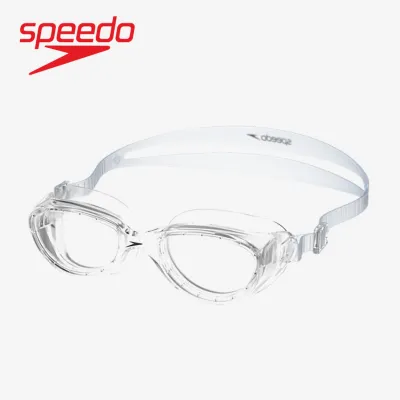
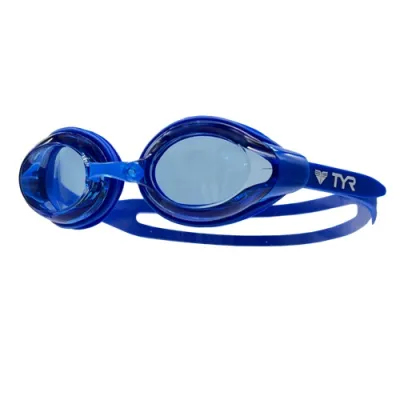
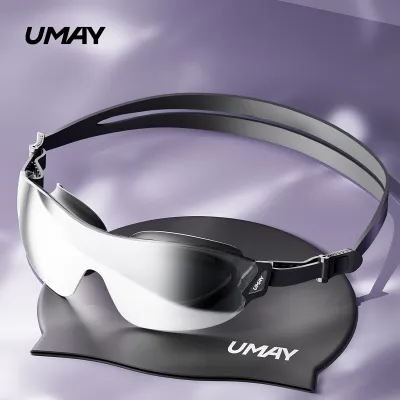
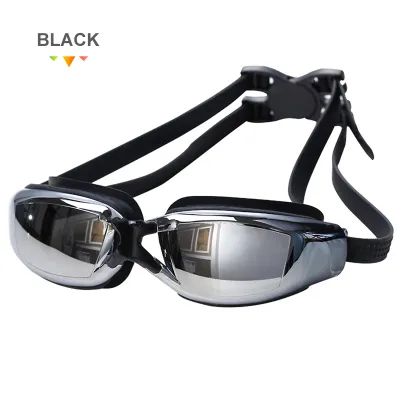
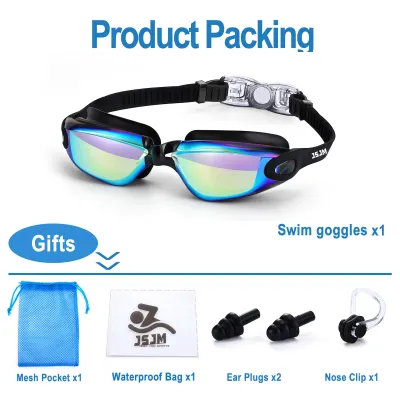
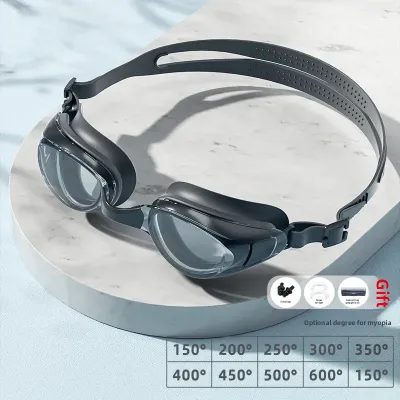
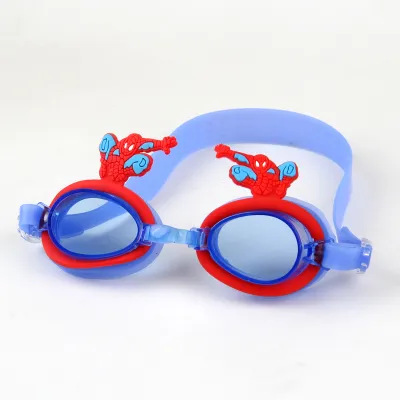
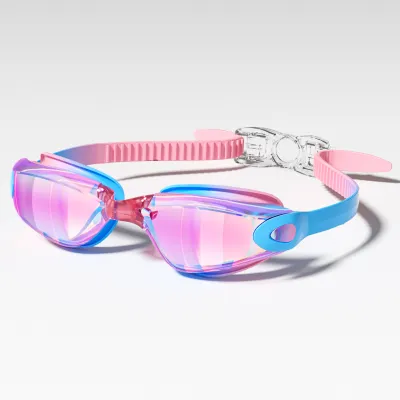
Prices are valid at publication and may change. Please refer to the product page for the latest price.
Defining Your Swimming Profile and Goggle Requirements
Before comparing brands, you must define your primary swimming environment and personal goals. Swimming in a brightly lit indoor pool in Singapore demands different gear than navigating the open, choppy waters of East Coast Park. Indoor environments generally benefit from clear or lightly tinted lenses that maximize visibility, whereas outdoor and open-water swimming requires protection against intense sunlight and glare.
Your training intensity and skill level also dictate the type of goggle structure you need. Competitive racers require low-profile, hydrodynamic designs that minimize drag during high-speed starts and turns. These goggles sit tightly within the eye socket, prioritizing speed over long-term cushioning.
Conversely, fitness and recreational swimmers typically prioritize comfort and a wider field of vision. If you spend hours in the pool for cardiovascular training, a larger gasket that distributes pressure evenly around the orbital bone is far more beneficial than a highly streamlined racing model. Open-water swimmers also need to consider peripheral vision to spot buoys and navigate currents safely, making larger hybrid goggles or swim masks a more practical choice. However, remember that specialized equipment cannot replace proper open-water safety training, navigation skills, or situational awareness; always assess water conditions and your personal swimming limits before entering open water.
Fit, Seal, and Comfort: Evaluating the Eye Cups
The effectiveness of any swimming goggle relies entirely on the seal created by the eye cups. Gaskets are generally constructed from silicone, foam, or hard plastic (often referred to as Swedish-style goggles). Silicone gaskets are the most common, offering a soft, flexible seal that conforms well to various facial contours and resists degradation from chlorine. Foam gaskets provide a soft feel but tend to degrade faster, while un-gasketed hard plastic models sit directly on the skin for an ultra-low-profile fit favored by some competitive purists.

Strap designs and adjustment mechanisms also play a critical role in maintaining a secure fit without causing headaches. Split-strap designs distribute pressure across the back of the skull, which is highly beneficial for keeping goggles secure during dives and fast turns. Single-strap designs with quick-adjust buckles are often preferred by fitness swimmers for their ease of adjustment during a workout.
To determine if a pair of goggles is compatible with your facial structure before purchasing, you should perform a dry suction test. Gently press the goggle eye cups against your eye sockets without using the strap. If the goggles stick to your face for a few seconds before releasing, it indicates a secure natural seal. If they fall off immediately, the frame shape or nose bridge width may not align with your orbital bones, which will likely lead to water leakage during your swim.
Lens Technologies and Visibility Options
Selecting the right lens type is essential for maintaining clear visibility and protecting your eyes from environmental hazards. Clear lenses are suitable for low-light conditions, such as early morning indoor sessions or overcast days. Tinted or colored lenses help reduce overall brightness in moderately lit pools, while mirrored lenses are designed to reflect light away from the eyes, making them highly effective for bright outdoor environments or pools with intense overhead lighting.
When evaluating lenses, always verify the manufacturer’s specifications for anti-fog coatings and ultraviolet (UV) protection. Most modern goggles come with a factory-applied anti-fog coating on the inner surface, but the durability of these coatings varies. UV protection is particularly crucial for outdoor swimmers in tropical climates like Singapore, where solar radiation remains consistently high throughout the year.
The physical shape of the lens also influences your field of vision. Low-profile racing goggles feature flat, compact lenses that minimize drag but restrict peripheral vision. In contrast, fitness and open-water models often utilize curved lenses or larger frames to provide a wider, unobstructed view of your surroundings, helping you stay aware of other swimmers or open-water obstacles.
Durability, Care, and Longevity
The lifespan of your swimming goggles depends heavily on material quality and how well you maintain them. High-quality silicone straps and gaskets resist stretching and cracking over time, but exposure to chlorine, salt water, and UV rays will eventually degrade even the most resilient materials. Checking the thickness of the strap and the reinforcement around the nose bridge can give you a good indication of a model’s overall build quality.
To maximize the longevity of your goggles, establish a consistent post-swim care routine. Always rinse your goggles with cool, fresh water immediately after exiting the pool or ocean to remove chlorine, salt, and organic debris. Avoid using soap, detergents, or abrasive materials on the lenses, as these can instantly strip away the delicate anti-fog coating.
Proper drying and storage are equally important. Allow your goggles to air dry completely in a shaded, well-ventilated area before storing them in a protective case. Never leave your goggles in direct sunlight, inside a hot car, or crumpled at the bottom of a damp swim bag, as extreme heat and moisture cause silicone gaskets to deform and anti-fog coatings to break down prematurely.
Price Tiers and Value Assessment
Swimming goggles across Speedo, Arena, and TYR generally fall into three distinct price brackets in Singapore. Entry-level models typically range from S$15 to S$30, offering basic silicone gaskets and standard flat lenses suitable for casual recreation or occasional fitness swimming. Mid-range training models generally cost between S$30 and S$60, featuring improved gasket ergonomics, more durable anti-fog coatings, and interchangeable nose bridges for a customized fit.
Elite competition goggles occupy the premium tier, often priced from S$60 to S$100 or more. This premium cost covers specialized hydrodynamic profiles, advanced strap tensioning systems, and high-grade optical lenses designed to minimize drag and maximize peripheral awareness. For most fitness swimmers, a mid-range training goggle offers a practical balance of comfort, durability, and value without the premium price tag of racing gear.
Because pricing, stock availability, and warranty terms can fluctuate, it is highly recommended to check current details through authorized sports retailers or official brand stores in Singapore. Purchasing from authorized channels ensures you receive genuine products and access to manufacturer warranties, which can be valuable if you encounter early material defects.
Final Decision Framework: Choosing Your Brand
To finalize your decision, align your specific swimming habits and physical requirements with the general design strengths of each brand.
Choose Speedo if you prefer a brand with widespread local availability, a vast range of classic fitness designs, and highly reliable mid-range training models. Their designs often suit swimmers looking for familiar, time-tested fits that are easy to replace at almost any local sporting goods store.
Choose Arena if you are a competitive or fitness swimmer who prefers highly streamlined, low-profile racing designs with advanced hydrodynamic features. Their ergonomic gasket shapes are often favored by those who find traditional round eye cups uncomfortable or prone to leaking.
Choose TYR if you focus on open-water swimming, triathlon training, or prefer bold, modern aesthetic designs. Their lineup frequently includes versatile hybrid masks and goggles with wide fields of vision, as well as highly durable strap systems designed to withstand outdoor elements.
Verify first if you have specific facial structure considerations, such as a very narrow nose bridge or deep-set eyes, which may require goggles with multiple interchangeable nose pieces. Additionally, if you wear corrective lenses, verify which brands offer prescription options in your specific diopter, and check for hypoallergenic silicone materials if you have sensitive skin or material allergies.
Frequently Asked Questions (FAQ)
How do I prevent my swimming goggles from fogging?
To prevent fogging, always rinse your goggles with clean, cool water before putting them on, ensuring the inner lens is wet. Crucially, never wipe, rub, or touch the inside of the lenses with your fingers, towels, or cloths, as this scratches and removes the delicate factory anti-fog coating. Once the original coating naturally wears off over time, you can apply a manufacturer-approved anti-fog spray or drops to the inner lens, rinsing it lightly before your swim according to the product instructions.
Should I choose mirrored or clear lenses for indoor pools?
The choice between mirrored and clear lenses for indoor pools depends on the facility’s lighting conditions and your personal comfort. Clear lenses provide maximum light transmission, making them the suitable choice for dimly lit indoor pools or evening swim sessions where visibility is limited. However, if you swim in a modern indoor facility with exceptionally bright overhead LED lights or reflective glass walls, mirrored lenses can help reduce glare and eye strain, allowing you to focus on your stroke without squinting.

Community discussion
Share your experience or ask a question. Comments are reviewed before publication.