
Selecting the best sports drinks and energy gels for your running hydration vests requires balancing physiological performance with mechanical compatibility. The most effective setup pairs highly soluble, low-viscosity electrolyte powders in your front soft flasks with compact, easily accessible energy gels stored in your vest’s dedicated front harness pockets. This combination ensures you can maintain your target carbohydrate and sodium intake without clogging your hydration gear, experiencing uncomfortable sloshing, or dealing with mold-ruined equipment after a hot, humid run.
Choosing the Right Sports Drinks for Bladders and Soft Flasks
Your choice of hydration container dictates what kind of beverage you should carry. Running hydration vests typically support two primary vessel types: a large rear reservoir (bladder) and front-mounted soft flasks. Understanding the functional differences between these two systems is key to preventing gear failure and optimizing your hydration strategy on the move.
Rear bladders, which usually hold between 1.5 and 2 liters of fluid, are best reserved for plain water or highly diluted, low-sugar electrolyte mixes. Because the fluid must travel through a long, narrow delivery tube and a sensitive bite valve, carrying sugary or high-carb drinks in a bladder poses a significant clogging hazard. Over time, sugar crystals can precipitate out of solution and accumulate inside the tube, restricting flow and creating a breeding ground for bacteria. Furthermore, a large volume of heavy, sweet liquid sloshing on your back can quickly cause palate fatigue and nausea, especially during long efforts in warm climates.
Products mentioned in this guide
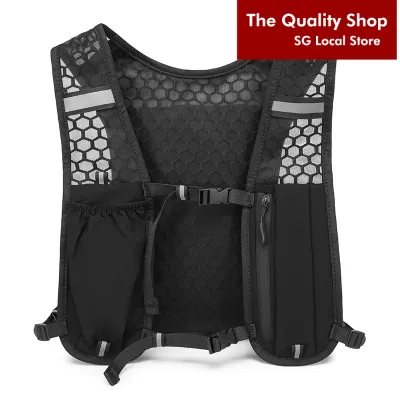
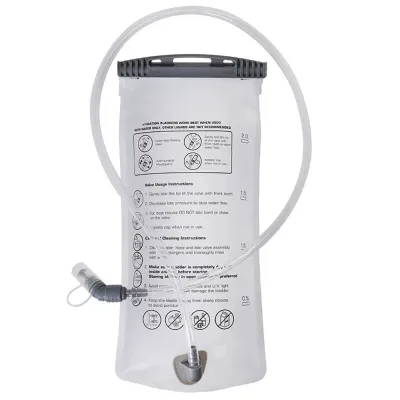
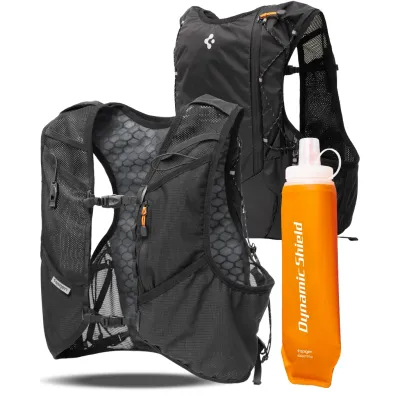
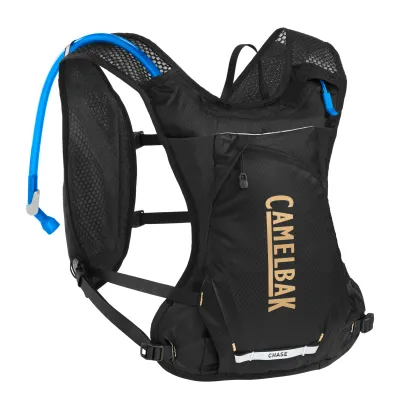
Prices are valid at publication and may change. Please refer to the product page for the latest price.
In contrast, front-mounted soft flasks (typically 250ml to 500ml) are the ideal vessels for concentrated carbohydrate and sports drinks. Positioned on your chest straps, these flasks are highly accessible, allowing you to monitor your fluid consumption visually. They are also much easier to remove, refill, and clean mid-run compared to a rear bladder. If a flask becomes sticky or contaminated, you can rinse it quickly at a support station without having to unpack your entire vest.
To protect your equipment, always check the viscosity of your sports drink. Avoid powders that do not dissolve completely or drinks containing natural fruit pulp, as these particles will inevitably block the bite valve’s self-sealing mechanism, causing constant drips. If you notice sediment settling at the bottom of your flask, shake it vigorously before sipping to keep the mixture fully suspended.
For long-distance runs, implementing a dual-system setup is highly effective. By carrying plain water in your rear bladder and a flavored electrolyte or carbohydrate drink in your front soft flasks, you can alternate tastes to prevent flavor fatigue. This strategy is particularly valuable in tropical environments like Singapore, where high sweat rates require constant fluid intake, but a continuous stream of sweet liquid can become unpalatable over several hours.
Storing and Accessing Energy Gels in Vest Pockets
Carrying your energy gels securely is just as important as choosing the right formula. Modern running hydration vests feature specialized pocket layouts designed to distribute weight evenly and keep your fuel accessible without disrupting your running cadence.

Utilize the elastic mesh pockets located on the front chest straps or shoulders for your immediate fueling needs. Placing gels in these high-position pockets allows for quick, one-handed retrieval, letting you tear the tab and consume the gel without breaking your stride or looking down. Avoid packing too many gels into a single pocket, as overstuffing can cause them to bounce against your chest or slip out entirely on technical terrain.
When deciding how to carry your gels, consider the trade-offs between reusable soft gel flasks and single-serve packets:
- Reusable Soft Gel Flasks: These small, flexible flasks allow you to pool multiple gel servings into a single container. This eliminates the need to handle sticky, sharp-edged wrappers on the trail, reduces environmental litter, and allows you to customize the gel's viscosity by adding a splash of water.
- Single-Serve Packets: These offer precise, pre-measured carbohydrate dosages and are highly convenient for structured training. However, managing the sticky, torn tabs (often called "trash tails") on the run requires discipline to avoid contaminating your vest pockets or littering.
Regardless of your choice, preventing leaks is essential for preserving your gear. The sharp plastic corners of single-serve gel packets can easily puncture thin vest fabrics or wear holes in elastic mesh under constant friction. Always pack them with the sharp corners facing away from your body and the vest’s outer seams. If a gel packet leaks, the sugary residue will not only make your vest sticky and uncomfortable but can also degrade the technical polyurethane coatings of the fabric, corrode zippers, and attract insects during outdoor runs.
Nutritional Pairing: Balancing Carbs from Drinks and Gels
To sustain your energy levels without experiencing gastrointestinal (GI) distress, you must coordinate what you drink with what you eat. Your stomach has a finite capacity for carbohydrate absorption, and overloading your digestive system is a primary cause of cramping, bloating, and nausea during endurance events.
Begin by calculating your total hourly carbohydrate target. For most trained runners, the optimal absorption rate ranges from 30 to 90 grams of carbohydrates per hour, depending on intensity, body weight, and gut training. To determine your intake, add the carbohydrate values from both your sports drinks and your energy gels. If your front flask contains 30 grams of carbohydrates and you consume one gel containing 22 grams of carbohydrates in the same hour, your total intake is 52 grams—a highly manageable amount for most runners.
However, you must pay close attention to the osmolality of your fuel combination. Osmolality refers to the concentration of dissolved particles in a liquid. Pairing a hypertonic (highly concentrated, high-sugar) sports drink with a concentrated energy gel simultaneously is highly discouraged. This combination creates an extremely concentrated environment in your stomach, forcing your body to draw water out of your bloodstream and into your gut to dilute the mixture. This process causes immediate sloshing, cramping, and dehydration.
To maintain gut comfort, follow the “water-chaser” rule: always consume concentrated energy gels with plain water from your rear bladder or a dedicated water flask, rather than washing them down with a carbohydrate-rich sports drink. If you prefer to use an isotonic sports drink (which matches the concentration of your body fluids for rapid absorption), pair it with lower-carbohydrate fuels or real-food alternatives to keep your digestive tract operating smoothly.
Establish a consistent fueling sequence during your runs. For example, take a sip of water, consume your gel slowly over a few minutes, and follow it with another generous sip of water. Space out your carbohydrate drinks by taking small, regular sips every 10 to 15 minutes, rather than gulping large quantities at once. This disciplined approach ensures a steady stream of energy while minimizing the risk of stomach upset.
Cleaning Your Vest and Hydration System After Sugary Fuels
Neglecting your gear after a hard run can quickly ruin expensive equipment. Sugary sports drinks and sticky gel residues left inside flasks, bladders, and vest pockets will rapidly dry, harden, and invite mold growth—especially in warm, humid climates.
Make immediate post-run rinsing a non-negotiable habit. As soon as you finish your run, empty any remaining fluids from your bladders and flasks. Flush them thoroughly with warm water, making sure to squeeze the bite valves to clear any sugary liquid trapped inside the silicone seals. Run warm water through the entire length of your hydration tube to prevent residue from drying inside the line.
For a deeper clean, avoid harsh household chemicals like chlorine bleach, which can degrade the thermoplastic polyurethane (TPU) materials of your flasks and leave toxic, chemical odors. Instead, use manufacturer-approved cleaning tablets, or create a natural cleaning solution using baking soda or diluted white vinegar. Fill your flasks or bladder with warm water, add two tablespoons of baking soda, let it sit for 15 to 30 minutes, and then rinse thoroughly. This process effectively breaks down stubborn sugar films and neutralizes lingering odors.
Drying your gear completely is the most critical step in preventing mold, particularly in hot and humid environments like Singapore. To dry your hydration system effectively:
- Use Bladder Hangers: Hang your rear bladder upside down with the opening propped open using a specialized drying insert or a clean plastic whisk to keep the inner walls from sticking together.
- Prop Flasks Open: Place clean wooden chopsticks or dedicated drying pegs inside your soft flasks to keep them open and allow air to circulate freely to the very bottom.
- Wash the Vest: If gels have leaked into your vest pockets, hand wash the vest in cool water with a mild, technical fabric detergent. Hang it to dry in a well-ventilated, shaded area away from direct sunlight, which can damage elastic fibers over time. Store your gear only when every component is completely dry to the touch.
Frequently Asked Questions (FAQ)
Can I mix energy gels directly into my hydration bladder?
It is highly recommended that you do not mix energy gels directly into a large rear hydration bladder. Energy gels are highly viscous and do not dissolve uniformly in large volumes of cold water without intense, prolonged agitation. Unmixed gel can settle at the bottom of the bladder, immediately clogging the exit port, delivery tube, and bite valve. Additionally, the high sugar concentration left in the hard-to-reach areas of a bladder and tube creates an ideal environment for rapid bacterial and mold growth, making the system extremely difficult to sanitize afterward. If you prefer liquid gel fuel, use a dedicated, easily cleanable front soft flask instead.
How do I prevent soft flask leaks during long runs?
To prevent soft flasks from leaking into your vest pockets, always inspect the integrity of the silicone bite valves before your run by squeezing them gently to ensure they seal completely. Avoid overfilling your flasks; leave about one to two centimeters of air space at the top to allow the flask to conform to your body shape without forcing fluid past the threads. Before tightening the cap, gently squeeze the flask to purge the excess air, then thread the cap on carefully to avoid cross-threading. Ensuring a flat, secure seal between the cap gasket and the flask rim is the most effective way to prevent slow drips under pressure.
Is it better to use isotonic or hypertonic drinks in a hydration vest?
Isotonic drinks are generally the best choice for carrying in a hydration vest during active running. Because they share a similar concentration of dissolved particles as your body fluids, they are absorbed rapidly by the small intestine, providing a balanced delivery of water, sodium, and carbohydrates without straining your stomach. Hypertonic drinks, which contain a much higher concentration of carbohydrates, are slower to digest and require additional water to process. These are best reserved for pre-run priming or post-run recovery, rather than active consumption from a vest while running in hot, humid conditions where rapid hydration is your primary safety priority.
Community discussion
Share your experience or ask a question. Comments are reviewed before publication.