
Selecting the correct combination of sports drinks and energy gels depends heavily on your target distance, personal sweat rate, and the physical capacity of your gear. While a full hydration vest is ideal for ultra-marathons, a streamlined running hydration waist pack is often the preferred choice for road races and daily training runs up to marathon distance. Packing this compact accessory efficiently requires a strategic balance: you must carry enough carbohydrates and electrolytes to sustain your effort without overloading the belt, causing it to bounce, or inducing gastrointestinal distress. By matching your fuel choices to your running distance and understanding how different nutritional formulations pack into small spaces, you can optimize both your performance and your comfort on the road.
Hydration and Fueling Baselines by Run Distance
To build a successful fueling strategy, you must first understand how your body utilizes energy during exercise. During shorter, lower-intensity runs, your muscles rely primarily on stored glycogen, which is readily available in your muscle tissues and liver. However, as your run extends past the 60-to-75-minute mark, these internal glycogen stores begin to deplete. To maintain your pace and avoid the sudden, severe fatigue commonly known as “bonking,” you must introduce exogenous carbohydrates—external fuel sources like energy gels or carbohydrate-rich sports drinks that your body can quickly convert into glucose.
While a hydration vest offers ample storage across the chest and back, a running hydration waist pack places all the carrying weight directly around your center of mass. This physical constraint means every gram of weight and every milliliter of volume matters. A waist pack typically features limited pocket space and specialized holsters designed for smaller flasks. Consequently, runners using a waist belt must prioritize highly concentrated, compact fueling options. Understanding this physical limitation prevents you from overpacking unnecessary items while ensuring you carry the exact ratio of carbohydrates and electrolytes required for your specific distance.
Products mentioned in this guide
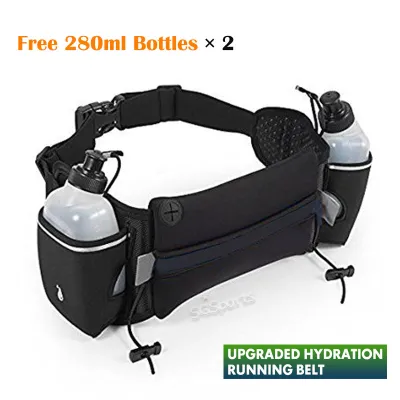
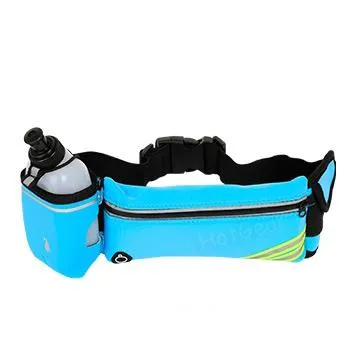
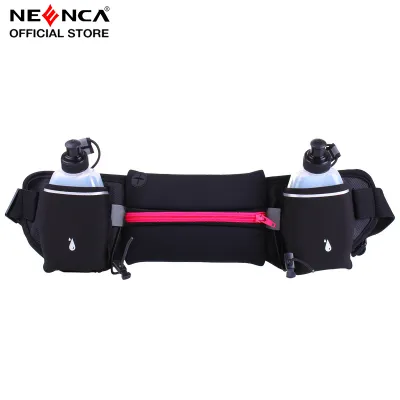
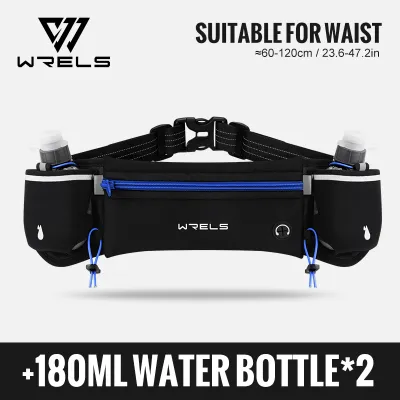
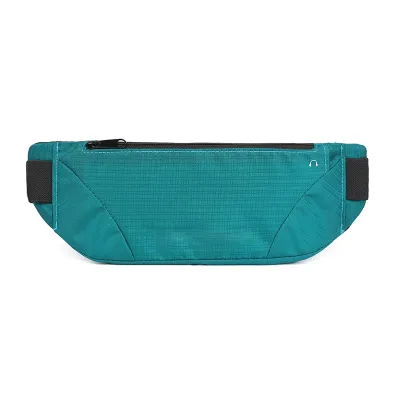
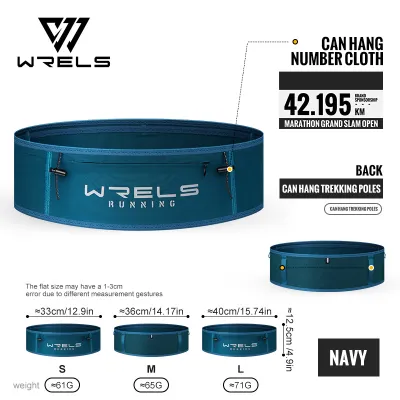
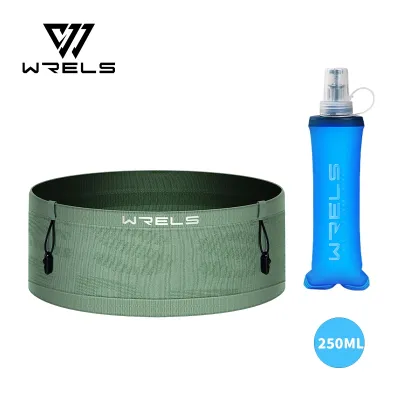
Prices are valid at publication and may change. Please refer to the product page for the latest price.
How to Choose Energy Gels for Your Running Hydration Waist Pack
Carbohydrate Blends and Osmolality
When selecting energy gels to tuck into your waist belt, reading the ingredient label is crucial for both energy delivery and stomach comfort. Most modern gels utilize a blend of multiple-transportable carbohydrates, typically combining maltodextrin (or glucose) with fructose in ratios like 2:1 or 1:0.8. This formulation is highly effective because glucose and fructose utilize different active transport pathways in the human gut. By leveraging both pathways, your body can absorb more carbohydrates per hour—often up to 90 grams—without saturating a single pathway, which minimizes the risk of bloating and cramping.

Another critical factor is the gel’s osmolality, which dictates how quickly it empties from your stomach. Isotonic gels are formulated with a water-to-carbohydrate ratio that matches the concentration of fluids in your body’s cells. This allows them to be absorbed rapidly without requiring you to drink extra water. Hypertonic gels, on the other hand, are highly concentrated and draw water into your stomach to aid digestion. If you carry hypertonic gels, you must consume them with plain water to prevent severe gastrointestinal distress. Always verify the manufacturer’s usage instructions on the packaging and test these gels during your training runs to find what your digestive system tolerates best.
Packaging Shape and Accessibility
The physical design of an energy gel sachet directly impacts how comfortably it rides in a waist pack. Standard rectangular gel packets can sometimes have stiff, sharp plastic corners that poke through thin pocket fabrics, causing skin irritation or chafing over long distances. For a waist pack, look for gels packaged in compact, ergonomic sachets with rounded edges or flexible, streamlined tubes that conform easily to the curve of your hips.
Accessibility while running at pace is equally important. When your hands are sweaty and your heart rate is elevated, struggling to open a gel can disrupt your stride and breathing. Select packaging with clear, laser-scored tear notches or pull-tabs that allow for quick, one-handed opening. Avoid overly bulky, rigid plastic flasks or multi-use gel flasks unless your waist pack has a dedicated, secure holster designed to prevent these heavier items from shifting. A shifting or unbalanced load in a waist belt can lead to friction, rubbing, and eventual bruising against your hip bones.
Selecting Sports Drinks and Flasks for Singapore's Climate
Electrolyte Needs in High Heat and Humidity
Running in Singapore presents unique physiological challenges due to the year-round high heat and relative humidity levels that frequently exceed 80%. In these conditions, sweat cannot evaporate efficiently from your skin to cool you down, causing your body temperature to rise and your sweat rate to increase significantly. Active runners in Singapore can easily lose between 1 and 2 liters of sweat per hour, taking essential minerals—specifically sodium and potassium—along with it.
Failing to replace lost sodium during runs longer than 60 minutes can lead to muscle cramps, hyponatremia, and a rapid decline in performance. When choosing a sports drink or electrolyte tablet, look closely at the nutritional label for the sodium content. A standard sports drink should provide roughly 300 to 500 milligrams of sodium per 500 milliliters of fluid to support hydration in tropical climates. Because carrying multiple pre-mixed bottles in a waist pack is physically impractical, a highly efficient alternative is to pack dry electrolyte tablets or concentrated liquid drops. You can easily carry these in a small zipper pocket and dissolve them in plain water obtained from public coolers or aid stations along your route.
Soft Flasks vs. Hard Bottles in a Waist Pack
The container you choose to hold your fluids determines how stable your waist pack remains throughout your run. Traditional hard plastic bottles are durable and easy to fill quickly at water points, but they do not change volume as you drink. This means that a half-empty hard bottle will slosh constantly, creating a rhythmic shifting weight that can cause the waist belt to slide down or bounce excessively.
In contrast, soft flasks are highly compressible. Made from flexible thermoplastic polyurethane (TPU), soft flasks shrink continuously as you squeeze and drink the fluid inside. This elimination of air pockets prevents sloshing and keeps the remaining weight pressed flat against your lower back, significantly improving comfort and stability. When pairing flasks with your waist pack, always check the pack manufacturer’s specifications for maximum flask volume. Most running waist belts are optimized for smaller flasks ranging from 150ml to 250ml per pocket; attempting to force a larger 500ml flask into a pocket designed for a smaller volume can stretch the seams, ruin the elastic tension, and cause the pack to sag.
Distance-Specific Packing Strategies
5K and 10K: Minimalist Hydration
For runs of 5 kilometers to 10 kilometers, your body’s stored glycogen is more than sufficient to power your muscles through the entire effort. Consequently, carrying energy gels is unnecessary for the vast majority of runners at these distances. Packing heavy nutrition will only add redundant weight and increase the risk of the waist pack bouncing.
Instead, keep your setup as light and minimalist as possible. A single 150ml to 250ml soft flask filled with plain water or a very light electrolyte tablet mix is all you need. This is particularly useful in Singapore’s humid climate for rinsing your mouth or taking quick sips to combat throat dryness. Focus on keeping the waist belt adjusted snugly around your hips, utilizing only the primary storage sleeve to maintain a low profile that does not restrict your natural breathing or stride mechanics during high-intensity intervals.
Half Marathon: Balancing Fuel and Fluid
A half marathon (21.1 kilometers) typically requires an effort of 1.5 to 2.5 hours, making a structured fueling and hydration plan essential. For this distance, you should aim to carry one to two energy gels and at least one 250ml soft flask. This setup provides a reliable baseline of 30 to 60 grams of carbohydrates and necessary fluids to keep your hydration levels stable.
If your waist pack is configured to carry a single flask, fill it with plain water and carry standard hypertonic gels. This allows you to wash down the highly concentrated gels safely without causing stomach upset. Alternatively, if you prefer to carry a sports drink in your flask, select isotonic gels that do not require additional water to digest, preventing an excessive concentration of sugars in your gut. To maintain stability, distribute the weight evenly across your waist pack: place the soft flask in the main rear pocket directly over your sacrum, and slide your gels into the smaller side or front elastic sleeves.
Marathon: Maximizing Waist Pack Capacity
Running a full marathon (42.2 kilometers) requires a substantial volume of fuel and fluid that exceeds the physical carrying capacity of even the best running hydration waist pack. Attempting to pack 4 to 6 large gels and multiple flasks of water into a single belt will inevitably cause severe bouncing, chafing, and physical discomfort.
The most effective strategy is to use your waist pack as a highly targeted supplement to the official race-course aid stations. Pack your pockets with highly concentrated, high-carbohydrate gels (such as those offering 40 grams of carbohydrates per sachet) to minimize the physical number of packets you need to carry. Rely entirely on the course aid stations for bulk hydration, using your waist pack’s soft flask strictly for a concentrated electrolyte mix or as a critical buffer between distant water stations. By carrying only your preferred, tested brand of gels in your belt and utilizing the race’s water supply, you keep your waist pack light, stable, and comfortable for the entire 42.2-kilometer journey.
Practical Tips for a Comfortable Waist Pack Run
To ensure your hydration belt performs flawlessly, pay close attention to how you wear and maintain it. The most common mistake runners make is positioning the belt around their natural waist (near the belly button). Because the waist is soft and narrow, a loaded belt will quickly bounce, slide up, or constrict your breathing. Instead, pull the belt down so it sits low on your hips, resting firmly on your pelvic bones and sacrum. This skeletal structure provides a solid, non-yielding anchor point that naturally minimizes movement.
Additionally, apply a high-quality anti-chafe balm to your lower back, hips, and any areas where the pack’s seams, buckles, or flask caps might rub against your skin or technical clothing. Finally, proper maintenance is vital for the longevity of your gear. Immediately after every run, remove any unused gels and rinse both your soft flasks and the waist pack pockets with warm, soapy water. Sports drinks and gel residues are highly sticky and can quickly promote the growth of mold and bacteria if left in dark, damp pockets. Allow the gear to air-dry completely in a well-ventilated area before your next run.
Frequently Asked Questions (FAQ)
How do I stop my hydration waist pack from bouncing?
To eliminate bounce, fasten the main belt snugly around your hip bones and pelvic structure rather than your soft abdomen. Ensure the weight is balanced evenly; if you are carrying a single flask, position it dead-center in the back to align with your spine. Additionally, wear the pack over a high-quality, moisture-wicking synthetic running shirt. Slippery fabrics or bare skin can reduce friction, causing the belt to slide, whereas a textured technical shirt helps grip the belt and lock it in place.
Should I drink water or sports drinks with my energy gels?
As a general rule, standard hypertonic energy gels must always be consumed with plain water. Washing them down with a sports drink increases the sugar concentration in your stomach to a level that can delay gastric emptying, leading to bloating, nausea, and severe stomach cramps. If you prefer to drink sports drinks during your run, choose isotonic energy gels instead, as they are formulated with a higher water content and can be safely digested without additional fluids.
Community discussion
Share your experience or ask a question. Comments are reviewed before publication.