
Staying hydrated during an intense workout requires water that remains refreshing, especially when exercising in Singapore’s hot and humid tropical climate. While many sports brands promise to keep your drinks ice-cold for hours, the actual insulation performance of a sports water bottle depends heavily on its physical construction, lid design, and how you use it. Choosing the right bottle involves looking past marketing claims and understanding the engineering that prevents heat transfer during your workouts.
To find a bottle that keeps your water cold from the start of your workout to the very end, you must evaluate how different designs handle heat exchange. By matching these design features to your specific exercise environment—whether you are training in an air-conditioned gym or running along outdoor coastal paths—you can select a bottle that delivers reliable thermal performance without compromising on convenience.
Key Insulation Factors to Evaluate in Sports Water Bottles
To understand how a sports water bottle keeps liquids cold, you must look at the physics of thermal insulation. The primary technology used in high-performance sports bottles is double-wall vacuum insulation. This construction features an inner and outer wall of stainless steel with the air vacuumed out of the space between them. Because a vacuum contains no air molecules, it virtually eliminates heat transfer by conduction and convection, which are the two primary ways heat from the outside environment reaches your cold drink.
Products mentioned in this guide
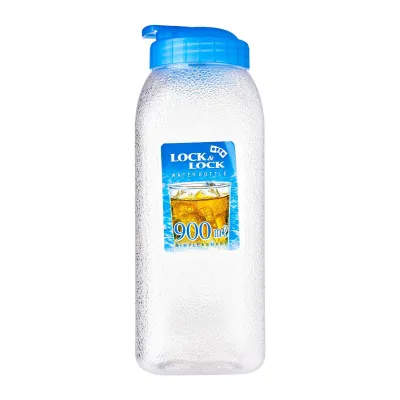
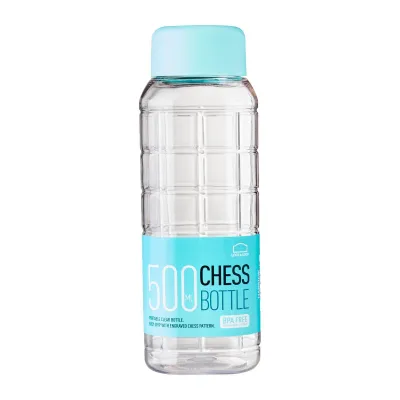
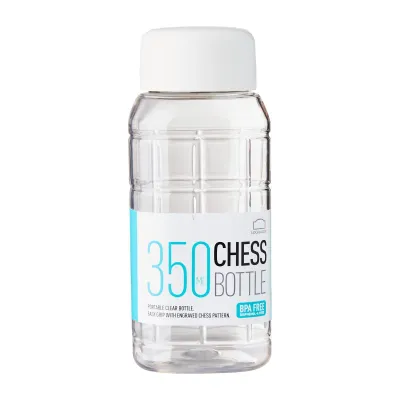
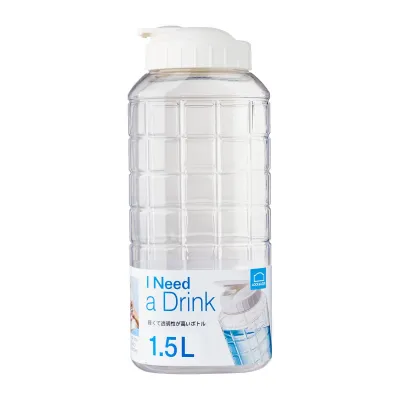
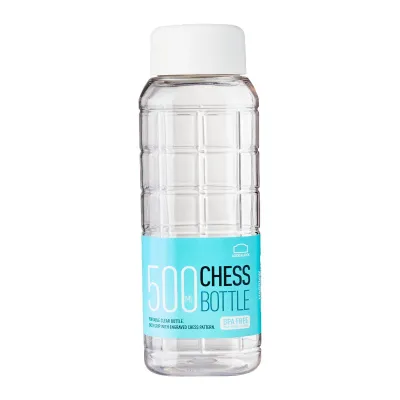
Prices are valid at publication and may change. Please refer to the product page for the latest price.
Some manufacturers enhance this barrier by applying a thin copper plating to the outer surface of the inner steel wall. Copper is an excellent thermal reflector, and this layer helps reflect radiant heat away from the inner chamber, further prolonging cold retention. When shopping, look for bottles made from food-grade 18/8 stainless steel, which provides the structural integrity needed to maintain this vacuum seal over years of rugged use.
The lid of the bottle is the most significant point of thermal vulnerability. While the stainless steel body blocks heat transfer effectively, the lid is typically made of plastic and silicone, which have much higher thermal conductivity than a vacuum. A larger lid or one with complex opening mechanisms presents more surface area and potential pathways for heat to enter the bottle, making the lid design a critical factor in overall insulation performance.
Finally, the volume-to-surface-area ratio plays a major role in how long your water stays cold. A larger volume of water possesses greater thermal mass, meaning it requires more heat energy to raise its temperature by a single degree. Consequently, a larger bottle of the same design will naturally keep drinks cold longer than a smaller counterpart, provided both are filled to capacity and sealed with the same type of lid.
How Different Water Bottle Designs Affect Cold Retention
Mainstream sports water bottles are designed to balance thermal efficiency with user convenience, resulting in distinct styles that perform differently under real-world conditions. Understanding these trade-offs allows you to choose a design that matches your hydration habits without sacrificing too much insulation.

Wide-mouth screw-cap designs offer the highest level of thermal retention. Because the screw-cap lid is typically thick, solid, and filled with insulating foam or air pockets, it creates a robust barrier against external temperatures. The simple, heavy-duty silicone gasket creates an airtight seal with no moving parts or air vents where heat can escape. The wide opening also allows you to easily fill the bottle with large ice cubes, which significantly lowers the starting temperature of your drink. The primary trade-off is convenience; drinking requires you to stop your activity, unscrew the lid with both hands, and tilt the bottle, which can be awkward during active movement.
Straw and flip-lid designs prioritize rapid, one-handed hydration, making them highly popular for cycling and gym workouts. However, this convenience comes at the cost of insulation performance. To allow water to flow freely through a straw or spout, these lids must incorporate small air valves to equalize pressure inside the bottle. These valves and the straw channel itself create direct pathways for warm ambient air to enter the cold interior. Additionally, the folding mechanisms and thinner plastic construction of these lids allow heat to conduct into the bottle much faster than a solid screw cap.
Lightweight and slim-profile designs are engineered specifically for runners, hikers, and cyclists who prioritize packability and weight reduction. These bottles often feature thinner steel walls or a narrower vacuum gap to reduce bulk, allowing them to fit easily into running vests, backpack side pockets, or standard bicycle bottle cages. While highly portable, the reduced thickness of the vacuum barrier and the smaller overall volume mean these bottles will experience faster thermal loss over time compared to heavier, wider utility bottles.
Matching Water Bottle Insulation to Your Workout Environment
Your choice of water bottle insulation should align directly with where and how you exercise. Different activities place different demands on your gear, and a bottle that excels in one setting may be impractical in another.
For indoor gym sessions, spin classes, and short-duration cardio, extreme thermal performance is rarely a necessity. Because you are exercising in an air-conditioned environment for a relatively short period, a standard insulated bottle with a straw lid or quick-flip cap is highly suitable. The focus in this setting should be on spill prevention, ease of carrying, and quick, one-handed access between sets. A moderate level of insulation is more than enough to keep your water pleasantly cool for the duration of a typical one-hour workout.
If you engage in prolonged outdoor training, such as long-distance running at MacRitchie Reservoir or cycling along the Round Island Route, you face intense tropical heat and high humidity. Under these conditions, single-walled bottles will quickly cover themselves in condensation, making them slippery to hold and messy to store. To combat this, you need a high-capacity, double-walled vacuum bottle with a secure screw cap. Packing the bottle with ice before heading out ensures your water remains ice-cold for several hours, providing vital cooling relief when your core temperature rises.
For trail running and hiking, durability and secure carrying become the top priorities. Outdoor trail environments expose your bottle to accidental drops, scrapes, and dirt. Look for bottles with durable exterior powder coatings, which not only protect the steel from dents but also provide a non-slip grip when your hands are sweaty. A secure locking lid is essential to prevent accidental spills inside your backpack, and the bottle’s dimensions must be compatible with your hydration pack or backpack side pockets to ensure comfortable carrying over long distances.
Decision Framework: Choosing the Right Water Bottle for Your Workout
To select the ideal sports water bottle, evaluate your primary workout style against a clear set of priorities. Investing S$30 to S$60 in a high-quality insulated bottle can significantly improve your workout experience, provided you choose the right configuration.
Use the following guidelines to make your decision:
- Choose a wide-mouth screw-cap bottle if your primary activities are outdoor sports, long hikes, or multi-hour training sessions where maximum cold retention is critical. This design is best if you want to use large ice cubes and do not mind stopping to unscrew the lid to drink.
- Choose a straw-lid or flip-spout bottle if you prioritize convenience, rapid hydration, and one-handed operation during high-intensity indoor workouts, cycling, or treadmill sessions. Accept that your ice will melt slightly faster in exchange for easier drinking on the move.
- Choose a slim, lightweight insulated bottle if you are a runner or cyclist who needs a bottle that fits securely into specialized gear, such as running vests or bike cages, and you are willing to compromise on total volume and maximum insulation duration for a lighter load.
Before finalizing your purchase, always verify the manufacturer’s specific product labels. Check for certified BPA-free materials, food-grade 18/8 stainless steel construction, and clear instructions regarding leak-proof warranties. Inspecting the lid seal in the store or reviewing detailed specifications on online marketplaces can help you avoid bottles with flimsy gaskets that are prone to leaking and thermal loss.
Maintaining Your Water Bottle for Optimal Insulation
To ensure your insulated water bottle maintains its cold-retention capabilities over its lifespan, you must care for it properly. Neglecting maintenance can damage the vacuum seal or lead to hygiene issues that make the bottle unusable.
Always hand-wash your insulated stainless steel bottle rather than placing it in a dishwasher. The extreme heat, prolonged moisture, and harsh detergents of a dishwasher cycle can degrade the exterior powder coating and, more importantly, compromise the delicate seal that holds the vacuum between the steel walls. If this seal is damaged and air enters the vacuum gap, the bottle will permanently lose its insulating properties, behaving no better than a single-walled container.
Regularly inspect and clean the silicone gaskets inside the lid. These gaskets are crucial for maintaining an airtight seal that prevents leaks and blocks warm air from entering. Over time, gaskets can accumulate dirt, mold, or beverage residue, which compromises the seal. Gently remove the gaskets during cleaning, wash them with mild dish soap and warm water, and allow them to dry completely before reassembling. If a gasket becomes stretched, cracked, or moldy, purchase a replacement from the manufacturer to restore the bottle’s thermal performance.
Proper drying is essential to prevent mold and bacteria growth, especially in complex straw mechanisms, bite valves, and narrow lid crevices. Use specialized straw brushes to clean internal pathways thoroughly. After washing, store the bottle with the lid off in a well-ventilated area to allow all components to dry completely. Avoid using chlorine bleach or abrasive scrubbers on stainless steel, as these can corrode the protective chromium oxide layer on the steel’s surface, leading to rust and metallic tastes.
Frequently Asked Questions (FAQ)
Does a larger water bottle keep drinks cold longer?
Yes, larger insulated bottles generally retain cold temperatures longer than smaller bottles of the same design. This is due to the physics of thermal mass and the surface-area-to-volume ratio. A larger volume of cold water contains more thermal energy and requires a greater amount of external heat transfer to warm up. Additionally, because the surface area of a larger bottle does not increase proportionally with its volume, there is less relative area exposed to external heat, resulting in slower temperature rise.
Can I put ice cubes in any insulated sports water bottle?
While you can put ice in almost any insulated stainless steel bottle, the ease of doing so depends entirely on the mouth width. Wide-mouth bottles easily accommodate standard freezer ice cubes, which helps lower the initial liquid temperature and prolongs cold retention. Narrow-mouth bottles may require crushed ice or specialized slim ice sticks. Always avoid forcing oversized ice cubes into a narrow opening, as this can damage the inner lining or the rim’s seal, and never use metal utensils to break up ice inside the bottle, as this can scratch the protective stainless steel coating.
Community discussion
Share your experience or ask a question. Comments are reviewed before publication.