
When you are pushing through a humid outdoor workout, a lukewarm drink is the last thing you want. While many sports water bottle brands claim to keep your beverages ice-cold for 24 hours or more, the reality is that no single brand universally guarantees the absolute coldest drink in every scenario. Real-world performance depends heavily on the interplay between vacuum insulation quality, lid design, and the specific conditions of your training environment.
Instead of chasing marketing hype, finding the right sport water bottle requires understanding thermal technology and matching bottle specifications to your activity. This guide breaks down the science of cold retention, the variables that drain cooling power, and how to choose the ideal bottle for your fitness routine.
Understanding the Insulation Tech Behind Cold Retention
To evaluate how well a bottle keeps drinks cold, it helps to understand how heat moves. Heat transfers in three ways: conduction (direct contact), convection (fluid movement), and radiation (electromagnetic waves). High-quality insulated sports bottles are engineered specifically to block these three pathways.
Products mentioned in this guide
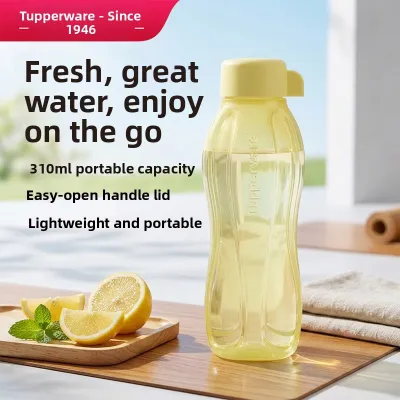
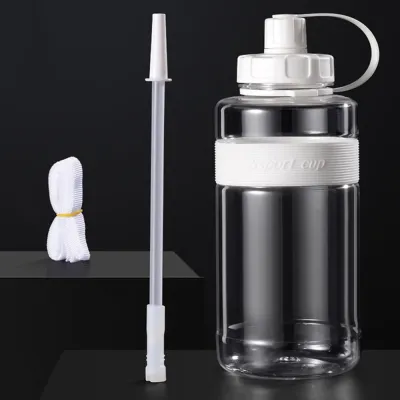
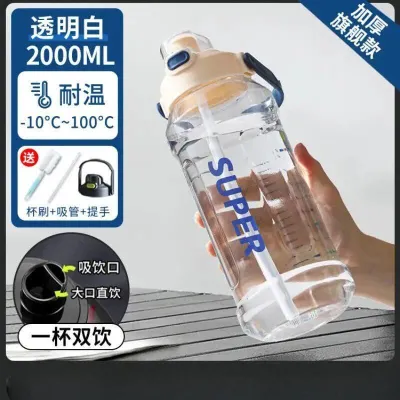
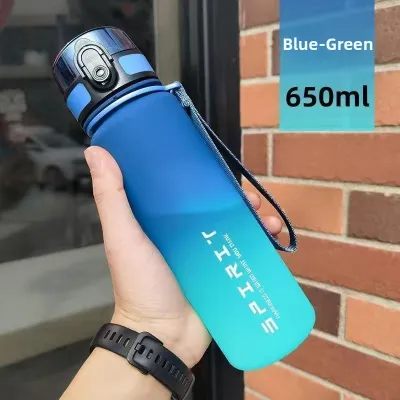
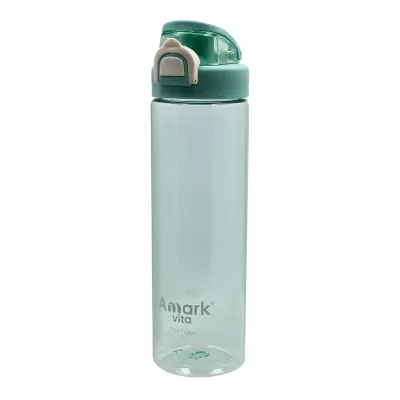
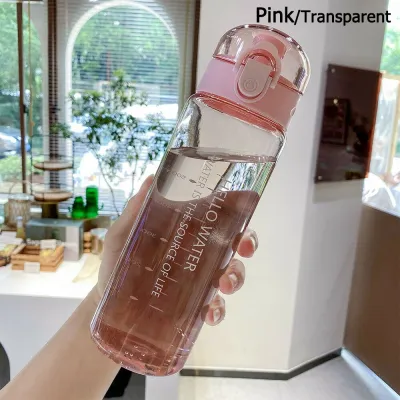
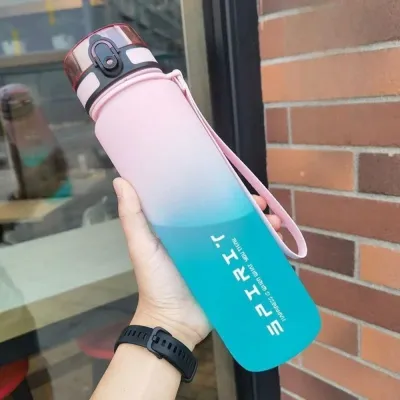
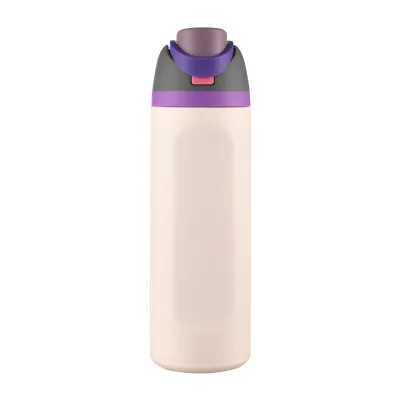
Prices are valid at publication and may change. Please refer to the product page for the latest price.
Double-wall vacuum insulation is the primary defense against conduction and convection. These bottles consist of an inner and an outer stainless steel container welded together, with the air completely vacuumed out of the space between them. Because a vacuum contains virtually no molecules, heat cannot travel across this empty space to warm your cold drink. This barrier is highly effective at keeping external heat from penetrating the bottle’s core.
However, the vacuum insulation only covers the sides and bottom of the bottle. The lid is the weakest thermal link because it is typically made of plastic or silicone, which do not offer vacuum properties. Screw caps with thick silicone gaskets provide the tightest seal, minimizing convective heat exchange. Conversely, straw lids or flip-tops offer convenience but introduce more pathways for warm air to enter, slightly reducing thermal efficiency.
Some premium bottles feature an extra layer of protection: a thin copper plating on the outer surface of the inner steel wall. Copper is an excellent thermal reflector. This lining helps bounce radiant heat away from the inner chamber, adding a final layer of defense against temperature rise during long workouts.
Workout Variables That Actually Reduce Cooling Performance
Laboratory tests performed by manufacturers rarely reflect the conditions of an active workout. When you take your bottle into the field, several environmental and behavioral factors will accelerate how quickly your drink warms up.

Direct sunlight and high ambient temperatures place a massive thermal load on your bottle. If you are cycling along an outdoor path or running under the midday sun, radiant heat warms the outer steel shell. Even with a vacuum barrier, prolonged exposure to high ambient temperatures eventually transfers heat through the neck and lid of the bottle, where the insulation is thinnest.
Every time you open your sport water bottle to take a sip, you break the internal microclimate. Warm, humid air rushes in, and cold air escapes. During high-intensity interval training (HIIT) or long endurance runs where you drink frequently, this constant air exchange accelerates temperature rise far faster than static laboratory tests suggest.
Your initial preparation also dictates how long your drink stays cold. The starting temperature of your liquid and the volume of ice you use determine the bottle’s thermal mass. A bottle filled with room-temperature water and a few ice cubes will warm up rapidly. To maximize cold retention, pre-chilling the bottle with ice water for a few minutes before filling it, and maintaining a high ice-to-water ratio, is more critical than the brand’s rated laboratory hours.
How to Compare Brand Specs Beyond Marketing Claims
When shopping for a sport water bottle, you will encounter various marketing claims regarding thermal performance. To make an objective decision, you must look past the promotional hours and evaluate the physical specifications of the bottle.
Manufacturers test their bottles in highly controlled, static laboratory environments with no direct sunlight, no wind, and zero openings. These ratings (such as “keeps cold for 24 hours”) serve as a baseline for vacuum integrity rather than a guarantee of active workout performance. Expect real-world cold retention to be significantly shorter during active use.
Always check the material grades used in construction. Look for food-grade 18/8 stainless steel (also known as 304 stainless steel). This material is highly resistant to rust, does not retain flavors from sports drinks, and provides the structural rigidity needed to maintain the vacuum seal over years of use. Ensure all plastic components, especially lids and straws, are certified BPA-free.
Thicker steel walls and multi-layered insulation coatings improve cold retention but add physical weight. For a gym-goer, a heavy bottle is a minor inconvenience. However, for a trail runner or long-distance cyclist, every gram matters. You must balance the desire for ice-cold water with the physical effort of carrying a heavier flask.
To help you evaluate your options, use this checklist to compare different models on the shelf or online:
| Evaluation Factor | What to Verify | Why It Matters for Workouts |
|---|---|---|
| Vacuum Tech | Double-wall construction, copper lining | Blocks conductive, convective, and radiant heat |
| Lid Type | Screw cap vs. straw lid vs. flip-top | Balances thermal sealing against quick-access convenience |
| Material Grade | 18/8 (304) stainless steel, BPA-free plastics | Ensures durability, rust resistance, and chemical safety |
| Weight & Capacity | Empty weight vs. fluid volume (e.g., 500ml to 1L) | Determines carrying comfort during active movement |
Decision Framework: Match the Bottle to Your Workout
No single bottle design excels in every sport. To get the best performance, match the bottle’s structural features to the specific demands of your training style.
Choose a narrow-mouth, screw-cap vacuum bottle if you prioritize maximum cold retention for long, static, or low-access outdoor sessions, such as hiking or spending a day at the beach. The smaller opening minimizes the surface area exposed to warm air when opened, and the solid screw cap provides the most reliable thermal seal.
Choose a wide-mouth, straw-lid insulated bottle if you need rapid, one-handed hydration access during high-intensity gym workouts, spin classes, or court sports. While the straw lid accepts a slightly faster temperature rise due to its complex sealing mechanism, the convenience of quick sipping without tilting your head keeps your focus on your training.
Verify first if you are buying for competitive cycling or trail running, where strict weight restrictions apply. Standard heavy steel vacuum bottles can rattle out of cages or add excessive bounce to a running pack. In these high-movement scenarios, specialized lightweight insulated flasks or insulated squeeze bottles may be required, even if they offer slightly less thermal retention than heavy steel alternatives.
How to Maintain Your Bottle's Insulation Over Time
An insulated water bottle is an investment, and improper care can permanently damage its thermal performance. Following basic maintenance protocols ensures your bottle continues to keep drinks cold for years.
Avoid extreme thermal shock to protect the vacuum seal. Never place your insulated bottle in the freezer, and avoid washing it with boiling water. Extreme temperature shifts can cause the metal walls to expand or contract unevenly, which can compromise the welded seals and permanently destroy the vacuum barrier.
Wash your bottle regularly with warm, soapy water using a soft bottle brush. Pay close attention to the silicone gaskets and straw mechanisms where mold can easily accumulate in warm, humid climates. Avoid harsh abrasive cleaners or bleach, which can degrade the silicone seals and scratch the inner steel lining.
If your bottle’s vacuum seal is compromised, it will lose its insulating properties. You can easily check this by filling the bottle with ice water. If the outside of the bottle begins to sweat, condensation forms, or the outer steel wall feels physically cold to the touch, the vacuum layer has failed, and the bottle will no longer keep your drinks cold.
Frequently Asked Questions (FAQ)
Does the color of the water bottle affect how cold the drink stays?
Yes, the exterior color has a minor but measurable impact when you are exercising outdoors in direct sunlight. Darker colors, such as matte black or deep navy, absorb more radiant heat from solar radiation, warming the outer steel shell. Lighter colors, white, or reflective metallic finishes reflect more sunlight, offering a slight thermal advantage. However, the quality of the internal vacuum insulation remains the primary factor in keeping your drink cold.
Can I put my insulated sports water bottle in the freezer to make it colder?
No, you should never put an insulated stainless steel water bottle in the freezer. Because water expands as it freezes, the liquid inside can exert immense pressure on the inner steel walls. This expansion can deform the metal, warp the shape of the bottle, and break the delicate vacuum seal. Additionally, because the vacuum layer blocks cold from entering the bottle, placing it in the freezer is highly inefficient and will not effectively chill the liquid inside anyway.
Community discussion
Share your experience or ask a question. Comments are reviewed before publication.