
When evaluating how the Stanley Flip Straw performs against other insulated sports bottles, the definitive answer depends on the physical trade-offs between lid convenience and thermal efficiency. Without standardized, independent laboratory testing across all market variants, declaring a single absolute winner for cold retention is not possible. Instead, performance is dictated by the vacuum insulation quality, the specific lid mechanism, and the user’s active environment. The flip straw design prioritizes rapid, one-handed hydration, which inherently introduces more potential heat-transfer points than a fully sealed screw-top. This guide breaks down the structural factors that dictate cold retention, helping you match the right bottle design and lid type to your specific workout intensity and hydration needs.
In a tropical, high-humidity climate like Singapore’s, where ambient temperatures regularly hover around 30°C or higher, keeping your hydration cold during outdoor activities is a constant battle against thermodynamics. Whether you are cycling along the East Coast Park, running trails in MacRitchie, or working out in a non-air-conditioned gym, the rate at which your water warms up directly impacts your comfort and physical performance. Understanding how different bottle designs resist heat transfer allows you to make an informed choice based on how you actually train and hydrate.
Key Factors That Determine Cold Retention in Sports Bottles
To understand how the Stanley Flip Straw compares to its competitors, you must first look at the fundamental physics of double-wall vacuum insulation. High-quality sports bottles are constructed with two layers of stainless steel—typically food-grade 18/8 stainless steel—separated by a vacuum gap. Because a vacuum contains virtually no matter, it prevents heat transfer via conduction and convection, which are the primary ways heat moves through solid materials and fluids. The only remaining pathway for heat to enter the bottle’s interior is through radiation, which manufacturers minimize by applying reflective coatings, such as copper plating, to the outer surface of the inner steel wall.
Products mentioned in this guide
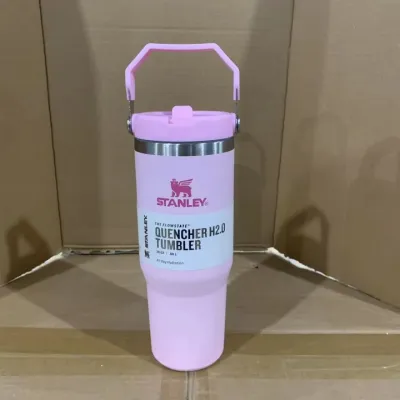
![[STANLEY] Iceflow Flip Straw 2.0 - 887ml](https://img.lazcdn.com/g/ff/kf/Sb72c7fc101cf41dc96c57b21676a9c299.jpg_400x400q80.jpg_.webp)
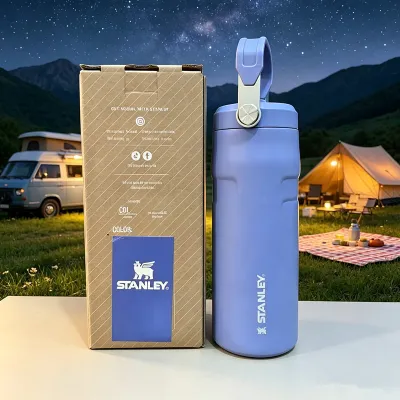
![SG[Ready Stock]STANLEY The IceFlow™ Flip Straw Tumbler Water Bottle 30OZ](https://img.lazcdn.com/g/p/32d01058c41c56bf37cc730b8b7c7ea6.jpg_400x400q80.jpg_.webp)
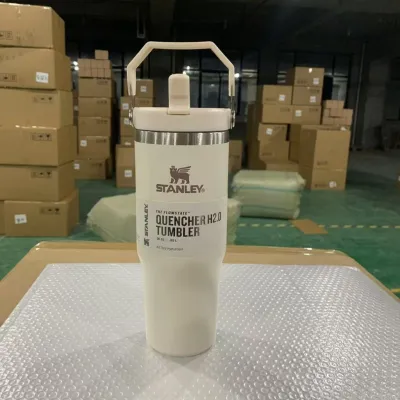
![SG[Ready Stock]STANLEY Iceflow™ Flip Straw Tumbler - 30oz Thermal Flask Thermos Bottle](https://img.lazcdn.com/g/p/e62ca4473d018d39c9cef8609e8b274b.png_400x400q80.png_.webp)
Prices are valid at publication and may change. Please refer to the product page for the latest price.
However, the vacuum layer is only as effective as its manufacturing consistency. Minor imperfections during the sealing process can allow trace amounts of air to remain or slowly leak back into the vacuum chamber over time, degrading its thermal performance. Furthermore, the thickness of the steel walls and the distance between them play a role in the bottle’s overall durability and thermal resistance. Thinner walls make a bottle lighter for running or hiking but can make it more susceptible to denting, which can permanently bridge the vacuum gap and destroy its insulating properties.
The most significant vulnerability in any insulated bottle is not the steel body, but the lid. This is known as the thermal bridge effect. While the double-wall vacuum insulation covers the sides and bottom of the bottle, the top is sealed with a lid made of plastic, silicone, or rubber. These materials have much higher thermal conductivity than a vacuum. Consequently, heat slowly transfers through the lid and into your cold drink. The larger the lid, the more complex its mechanism, and the more non-insulated surface area it exposes to the outside air, the faster this thermal bridging occurs.
Additionally, the diameter of the bottle’s opening, or mouth, directly influences ambient heat exchange. Wide-mouth bottles are highly convenient for adding large ice cubes and are easier to clean, but they present a larger cross-sectional area where heat can enter whenever the lid is opened. Conversely, narrow-mouth bottles limit this exposure but can make filling and cleaning more challenging. When comparing bottles, you must weigh the convenience of a wide opening against the thermal efficiency of a narrower neck.
Finally, the volume of the liquid itself acts as a thermal mass. Larger bottles hold their temperature longer than smaller ones because they have a lower surface-area-to-volume ratio. This means that a 1-liter bottle will generally keep water cold longer than a 500-milliliter bottle of the identical design, assuming both are filled to capacity. When evaluating performance, always compare bottles of similar volumes to ensure a fair assessment.
Evaluating the Stanley Flip Straw Design for Active Use
The Stanley Flip Straw is engineered specifically for active, on-the-go hydration, featuring a built-in straw that flips up for quick access and folds down flat to seal. This design offers a distinct advantage during workouts: you can drink without tilting your head back, allowing you to keep your eyes on the road, trail, or gym equipment. However, this mechanical convenience introduces specific thermal trade-offs. The folding mechanism requires a hinge and a flexible joint, creating multiple small gaps where the insulating barrier is thinner or interrupted by non-insulated plastic and silicone components.

When the straw is flipped up, the bottle’s interior is directly exposed to the ambient air, allowing rapid heat exchange. Even when folded down, the seal relies on the precise alignment of silicone gaskets to prevent both liquid leaks and air intrusion. Over time, repeated flipping can wear down these gaskets, slightly compromising the seal’s airtightness. While the bottle is designed to keep drinks cold for hours, the thermal performance of this flip-top lid will naturally be slightly lower than that of a solid, insulated screw-cap bottle of the same volume under identical environmental conditions.
Seal integrity and pressure equalization are also critical factors during active use. As cold water inside the bottle warms up slightly, or as you move through different altitudes and temperatures, pressure can build up inside the container. The Stanley Flip Straw features a small vent valve to equalize this pressure, preventing water from spurting out when you open the straw. However, this valve must be carefully maintained; if it becomes clogged or misaligned, it can lead to minor leaks or allow warm ambient air to seep inside, accelerating the warming of your beverage.
For different pacing levels, the physical movement of your activity dictates how well the bottle performs. During steady, low-impact activities like cycling or walking, the water remains relatively still, minimizing the rate at which it absorbs heat from the uninsulated lid. In contrast, high-impact running or intense trail movement causes the water to slosh vigorously. This sloshing increases the contact area between the cold liquid and the warmer underside of the lid, accelerating heat transfer. If you are engaging in high-impact sports in hot weather, you may notice your water warming up faster in a straw-lid bottle than in one with a fully insulated, solid cap.
The ergonomics of the carry loop also play a role in active use. Integrated directly into the lid, the handle allows for easy carrying with a few fingers or attachment to a backpack using a carabiner. However, because the handle is molded into the same plastic assembly as the lid, it represents additional surface area exposed to the sun and warm air, which can contribute marginally to the overall thermal load of the lid assembly.
Comparing Lid Types: Straw vs. Screw-Top and Chug Caps
When choosing an insulated sports bottle, selecting the right lid type is a balance between absolute thermal efficiency and practical usability. Straw lids, such as the one on the Stanley Flip Straw, are designed for rapid, frequent sipping. They are ideal for activities where you cannot afford to lose focus or use both hands, such as riding a stationary bike, lifting weights, or driving. Because you do not have to unscrew a cap or tilt the bottle, you are more likely to stay consistently hydrated throughout your session.
In contrast, screw-top lids and sealed chug caps offer the highest possible level of thermal retention. These lids typically consist of a solid piece of insulated plastic or stainless steel that screws directly into the neck of the bottle, creating a thick, unbroken barrier over the opening. Because there are no moving parts, hinges, or internal straws, there are fewer pathways for heat to enter. If your primary goal is to keep water ice-cold during an all-day outdoor excursion in the sun, a solid screw-top bottle will consistently outperform a straw-lid bottle.
However, screw-top bottles require you to stop what you are doing, use both hands to unscrew the cap, and tilt your head back to drink. This can be disruptive during high-intensity training or when navigating uneven terrain. Chug caps offer a middle ground, featuring a narrow spout for quick drinking covered by a smaller screw-on or snap-on cap. While they provide better thermal retention than a straw lid, they still require tilting and do not offer the seamless, one-handed operation of a flip straw.
Each lid type also carries specific limitations regarding storage and maintenance. Straw lids are highly convenient but are more prone to minor leaks if the bottle is tossed horizontally into a gym bag, as pressure changes can force liquid up through the straw mechanism. They also feature complex internal parts, including the straw itself, the hinge, and the vent valve, which require meticulous cleaning to prevent mold and bacteria buildup. Screw-top lids, having fewer crevices, are far easier to clean and are virtually leakproof, making them safer for transport inside a backpack alongside electronics or clothing.
Furthermore, the durability of the seals varies significantly between these designs. A simple silicone O-ring in a screw-cap experiences uniform compression and minimal friction, allowing it to last for years without degrading. The dynamic seals in a flip-straw lid, however, undergo friction and flexing every time the straw is opened or closed, meaning they will require more frequent inspection and eventual replacement to maintain their leakproof and insulating properties.
How to Choose the Right Bottle for Your Specific Activity
To select the ideal bottle, you must evaluate your typical workout environments and hydration habits. For indoor gym sessions and weightlifting, where you are in a relatively controlled environment with flat surfaces, the Stanley Flip Straw is highly practical. The ability to grab the bottle and take a quick sip between sets without spilling water on yourself or your equipment is a major benefit. Since the bottle can stand upright on the floor or a treadmill cup holder, the risk of leakage is minimal, and the extreme thermal retention of a solid screw-cap is less critical in an air-conditioned space.
For outdoor hiking, trail running, or long-distance cycling, your priorities shift toward maximum temperature control, secure seals, and carrying compatibility. In these scenarios, you are exposed to direct sunlight and high ambient temperatures, making thermal efficiency paramount. A bottle with a secure, fully insulated screw-top or a heavy-duty chug cap is often the safer choice to ensure your water remains cold until the end of your journey. Additionally, you must consider how the bottle fits into your gear; a bottle with a bulky flip-straw handle might not slide easily into the side pockets of a hiking pack or a standard bicycle bottle cage.
In highly humid environments like Singapore, condensation can also become an issue. While the vacuum-insulated body of the bottle will remain dry, the uninsulated plastic lid can sometimes develop external condensation when filled with ice-cold water. This moisture can drip onto your clothes, papers, or gym bag. If you plan to carry your bottle inside a bag, a fully sealed screw-top bottle with minimal exposed plastic is less likely to cause condensation issues than a complex straw lid.
For daily commuting and desk work, you need a bottle that balances capacity, ease of maintenance, and cup holder compatibility. Many standard car and transit cup holders are designed for narrower bases, so you should check the bottom diameter of the bottle before purchasing. A flip-straw bottle is excellent for driving or working at a computer, as it minimizes the risk of accidental spills over your keyboard or dashboard. However, if you do not have easy access to a bottle brush and dish soap during the workday, the simplicity of a wide-mouth screw-top bottle might save you time and effort.
Maintenance and Care to Preserve Insulation Performance
To ensure your insulated bottle continues to perform at its best, proper maintenance is essential. The vacuum seal that provides the insulation is highly sensitive to extreme heat and physical damage. Before placing your bottle or its lid in a dishwasher, always check the manufacturer’s care instructions. While some modern stainless steel bottles are labeled as dishwasher safe, the intense heat and harsh detergents of a dishwasher cycle can sometimes degrade the exterior powder coating, damage the silicone seals, or, in rare cases, compromise the vacuum weld itself. Hand washing with warm, soapy water is always the safest method to preserve the bottle’s integrity.
Cleaning the lid assembly of a flip-straw bottle requires extra attention. Because the straw, hinge, and silicone gaskets are constantly exposed to moisture and the organic matter from your mouth, they are prime breeding grounds for mold, mildew, and unpleasant odors. You should regularly disassemble the straw from the lid and use a small wire brush to clean the inside of the tube. Soak the lid and its silicone gaskets in a mixture of warm water and mild dish soap, or a diluted vinegar solution, to sanitize the hard-to-reach crevices. Ensure all parts are completely dry before reassembling them to prevent trapping moisture.
Finally, you must protect your bottle from physical impacts. Dropping your bottle on a hard surface, such as a concrete path or a gym floor, can do more than just scratch the paint. A hard impact can dent the outer steel wall, causing it to press against the inner wall. If these two layers touch, they create a direct thermal bridge, allowing heat to bypass the vacuum insulation entirely. If you notice that a specific spot on the outside of your bottle feels cold to the touch when filled with ice water, or if condensation forms on the exterior steel, it is a clear sign that the vacuum seal has been compromised and the bottle will no longer retain cold effectively.
Frequently Asked Questions (FAQ)
Does adding ice make a significant difference in straw-lid bottles?
Yes, adding ice is highly beneficial for maintaining cold temperatures in straw-lid bottles. Because straw lids have higher thermal conductivity than solid, insulated caps, heat enters the bottle more quickly. Adding ice lowers the initial temperature of the liquid and acts as a thermal buffer; the heat entering through the lid is absorbed by the melting ice rather than warming the water. To maximize cold retention during outdoor activities, fill at least one-third of the bottle with ice before adding cold water.
How can I test if my bottle's vacuum insulation is still working?
You can perform a simple touch test to verify if your bottle’s vacuum insulation is intact. Fill the bottle with hot water (taking care not to burn yourself) and wait for about two to three minutes. Feel the exterior steel walls of the bottle; if the vacuum insulation is working correctly, the outside of the bottle should remain completely cool. If the exterior feels warm or hot to the touch, or if you notice condensation forming on the outside when filled with ice water, the vacuum seal has failed and the bottle needs to be replaced.
Community discussion
Share your experience or ask a question. Comments are reviewed before publication.