
Choosing the right wrist wrap depends entirely on how you train and the specific movements in your weekly routine. If your workouts focus on maximal strength lifts where the wrist must remain completely upright under heavy loads, a stiff wrist wrap is the ideal choice. Conversely, if your training involves dynamic, high-velocity movements that require the wrist to bend and adapt, a flexible wrist wrap provides the necessary compression and warmth without locking the joint in place. Selecting the wrong type can either restrict your movement during technical lifts or fail to provide adequate support when handling heavy weights.
To get the most out of your training, it is helpful to understand how these two styles differ in construction, application, and performance. By matching the physical properties of the wrap to your specific exercise selection, you can protect your joints, improve your lifting mechanics, and avoid unnecessary discomfort during high-intensity sessions.
The Core Difference: Stiff vs. Flexible Wrist Wraps
To make an informed decision, it is essential to understand how these two types of wraps are engineered. Stiff wrist wraps are constructed with a dense, heavy-duty weave, often incorporating rigid synthetic fibers or thick polyester-elastane blends. The primary design intent of a stiff wrap is maximum immobilization. By wrapping this rigid material tightly around the wrist, you create a supportive, cast-like effect that prevents the joint from hyperextending or flexing under extreme loads. This is particularly valuable when the goal is to transfer force directly through the arm without any energy leaks at the wrist joint.
Products mentioned in this guide
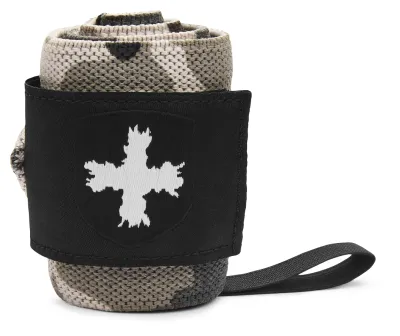
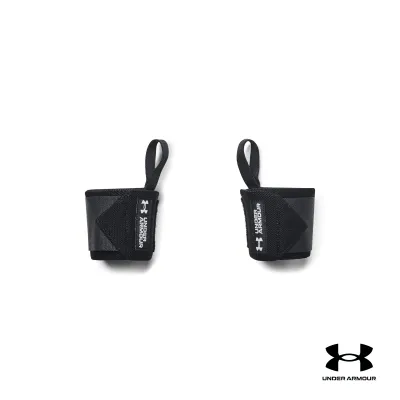
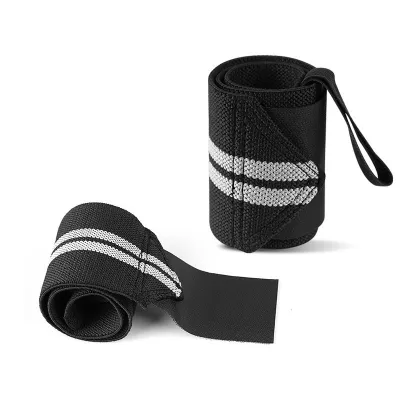
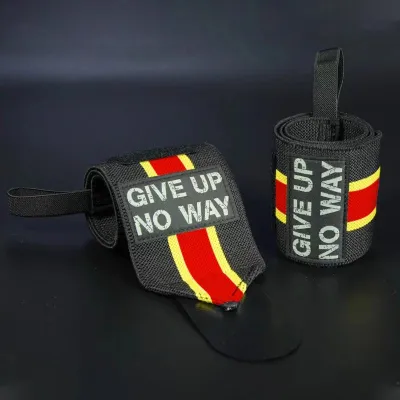
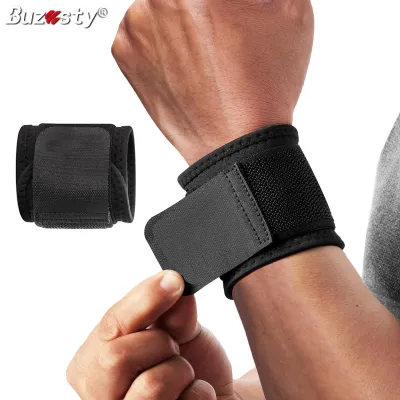
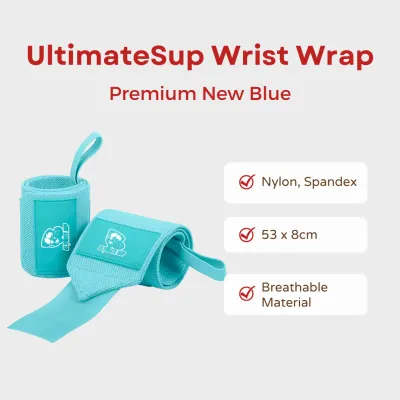
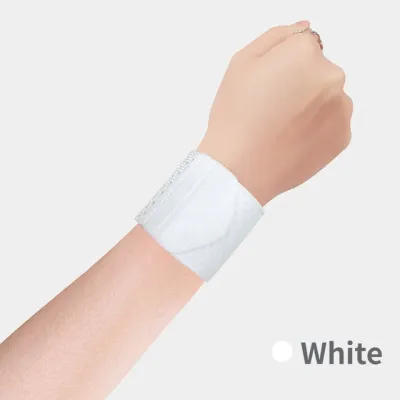
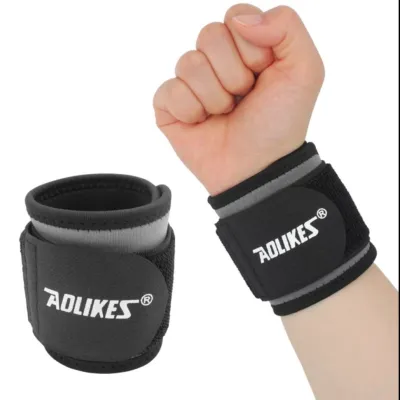
Prices are valid at publication and may change. Please refer to the product page for the latest price.
Flexible wrist wraps, on the other hand, utilize a softer, more pliable cotton-elastic blend. Their primary design intent is to provide joint warmth, mild compression, and light structural support while retaining natural mobility. These wraps allow the wrist to move through its full range of motion, which is crucial for exercises that require a rapid transition of the hands and arms. Rather than stopping the joint from moving, a flexible wrap acts as a supportive sleeve that keeps the surrounding tendons warm and responsive during high-repetition training.
The choice between these two styles comes down to a simple trade-off between stability and mobility. If your primary goal is to lift the heaviest weight possible in a straight line, prioritize stiff wraps. If your training demands agility, speed, and multi-directional joint movement, flexible wraps are the more suitable option. Understanding this distinction prevents you from buying a piece of equipment that works against your body’s natural movement patterns.
Matching Wrist Wraps to Your Training Style
Your training style dictates the physical demands placed on your wrists, making certain wrap types highly advantageous for specific disciplines. In powerlifting and heavy pressing routines, stiff wraps are generally preferred. During a heavy bench press, overhead press, or low-bar back squat, the wrist is subjected to immense downward pressure. A stiff wrap ensures the wrist remains perfectly aligned over the forearm, reducing the shear stress on the joint and allowing you to focus entirely on the lift. In a low-bar squat, specifically, rigid wraps help absorb the weight of the barbell on your upper back, preventing your wrists from bending backward under the load.

For CrossFit, Olympic weightlifting, and functional fitness, flexible wraps are much more practical. Movements like the clean and jerk, snatch, and thruster require the wrist to transition quickly from an extended position to a flexed position. Wearing a stiff wrap during these movements can restrict your ability to catch the barbell cleanly on your shoulders, potentially leading to elbow or shoulder discomfort as your body tries to compensate for the lack of wrist mobility. Flexible wraps offer just enough support to cushion the impact of the catch while allowing the joint to bend naturally as you move through dynamic sequences.
In bodybuilding and general fitness, the decision often leans toward flexible wraps or a moderate hybrid. Most hypertrophy-focused workouts involve high-volume isolation movements, such as bicep curls, lateral raises, and tricep press-downs. These exercises do not place extreme axial loads on the wrist, meaning mild compression is usually sufficient to keep the joint comfortable. Using a flexible wrap during these sessions provides a reassuring level of support without making you feel restricted when moving between different machines and free weights.
Key Features to Check Before You Buy
When shopping for wrist wraps on local ecommerce platforms or at sports retailers in Singapore, evaluating the physical construction of the product is key to finding a durable pair. The first feature to examine is the material composition and weave density. Stiff wraps typically feature a thick, coarse texture that resists stretching when pulled. Flexible wraps feel softer to the touch and offer a noticeable amount of elasticity when you pull them lengthwise. Checking the fabric blend on the product label can help you verify whether the wrap is designed for rigidity or stretch.
The closure mechanism is another critical component that determines the longevity of the wrap. Look for wide, heavy-duty hook-and-loop fasteners with reinforced stitching along the edges. The thumb loop, which is used to anchor the wrap during application, should be securely attached with cross-stitched seams. A flimsy thumb loop or a weak fastening strip can quickly degrade under the high tension required during heavy training sessions, rendering the wrap unusable.
Length and width are also important dimensions to consider. Most standard wraps are approximately three inches wide, but lengths can vary significantly, typically ranging from 12 to 36 inches. Longer wraps allow you to wrap the material around your wrist multiple times, creating a thicker, more supportive barrier that increases overall stiffness. Shorter wraps are faster to apply and remove, making them highly convenient for quick transitions during fast-paced workouts where you do not want to spend excess time adjusting your gear.
| Feature | Stiff Wrist Wraps | Flexible Wrist Wraps |
|---|---|---|
| Material Blend | Rigid synthetic fibers, dense weave | Soft cotton-elastic, pliable weave |
| Elasticity | Minimal stretch under high tension | High stretch for custom compression |
| Primary Benefit | Maximum joint immobilization | Joint warmth and mobility retention |
| Recommended Use | Heavy bench press, low-bar squats | Clean and jerks, high-rep kettlebell work |
| Application Speed | Slower (requires precise tensioning) | Faster (easy to wrap and adjust quickly) |
How to Fit and Use Wrist Wraps Safely
Applying your wrist wraps correctly is essential to ensure they provide the intended support without causing discomfort or restricting blood circulation. To start, place the thumb loop over your thumb and position the edge of the wrap just below the base of your hand. It is a common mistake to wrap the material too low on the forearm; to actually support the joint, the wrap must cover the junction where the hand meets the wrist. Ensure that at least half of the wrap’s width sits above the wrist joint line to prevent the hand from bending backward during your lifts.
When tensioning the wrap, pull the material firmly but avoid wrapping it so tightly that it pinches your skin or cuts off blood flow. A good way to check the fit is to ensure the wrap feels highly supportive, yet you can still move your fingers freely and feel normal sensation in your hand. If you experience tingling, numbness, or a cold sensation in your fingertips, loosen the wrap immediately and reapply it with slightly less tension. For stiff wraps, many lifters prefer to remove the thumb loop from their thumb once the wrap is secured to prevent the loop from interfering with their grip on the barbell.
To maintain natural joint strength and stability, use wrist wraps selectively. Relying on wraps for every warm-up set can prevent the stabilizing muscles in your wrists and forearms from developing naturally. It is generally recommended to perform your lighter warm-up sets without wraps, reserving them only for your heaviest working sets. Additionally, always loosen or remove the wraps between sets to allow fresh blood to circulate through your hands and wrists, ensuring your joints remain healthy and responsive throughout your workout.
Frequently Asked Questions (FAQ)
Do I need to wear wrist wraps for every exercise?
No, wrist wraps are not necessary for every exercise and should be used strategically. They are highly beneficial for heavy compound pressing movements and overhead lifts where the wrist is under significant load. However, for pulling exercises like deadlifts, pull-ups, or rows, wrist wraps do not provide any functional benefit, as these movements require grip strength rather than wrist compression. Using wraps selectively ensures you build natural forearm and wrist strength over time.
How do I clean and maintain my wrist wraps?
To preserve the elasticity and hook-and-loop quality of your wrist wraps, hand washing is highly recommended. Submerge the wraps in cool water with a small amount of mild detergent, gently scrub the fabric, and rinse them thoroughly. Avoid using fabric softeners, as they can degrade the elastic fibers over time. Always air-dry your wraps flat or hang them up in a well-ventilated area away from direct sunlight; putting them in a clothes dryer can warp the elastic and ruin the fastening material.

Community discussion
Share your experience or ask a question. Comments are reviewed before publication.