
Choosing the right knee support can make the difference between a fluid, pain-free workout and a frustrating session cut short by joint discomfort. For runners navigating outdoor trails and gym-goers lifting heavy weights, the Stryde knee strap has emerged as a popular option. However, determining how it compares to other brands requires a close look at design, materials, and individual biomechanical needs. Rather than relying on universal claims of superiority, active individuals must evaluate how specific design elements align with their personal movement patterns and environmental conditions.
Evaluating a knee strap involves analyzing how it manages physical stress, moisture, and skin contact during repetitive motion. Because sports accessories perform differently depending on the user’s activity level and anatomy, a structured comparison is the most reliable way to identify the best option. By focusing on observable features, material quality, and proper fit, you can make an informed decision that supports your fitness goals without compromising on comfort or safety.
What to Look for in a Knee Strap for Running and Lifting
When selecting a knee strap for dynamic activities, material breathability and moisture management should be your primary considerations. In warm, humid climates like Singapore, sweat accumulation under a synthetic band can quickly lead to skin irritation, slipping, and loss of compression. Neoprene is commonly used for its structural resilience and heat retention, but it should ideally feature perforations or a moisture-wicking inner lining to allow airflow during high-sweat gym sessions or long outdoor runs.
Products mentioned in this guide
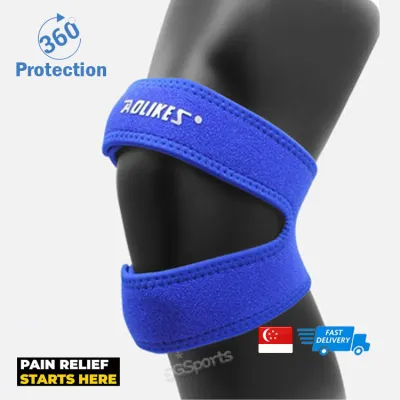
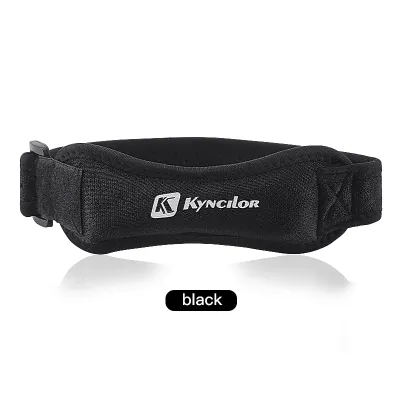
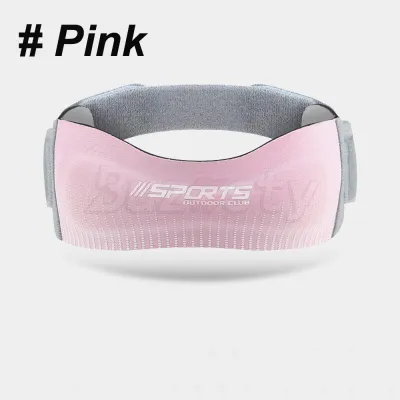
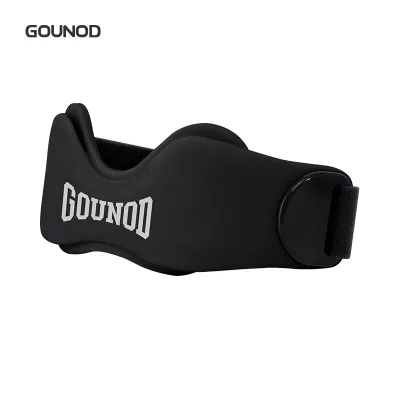
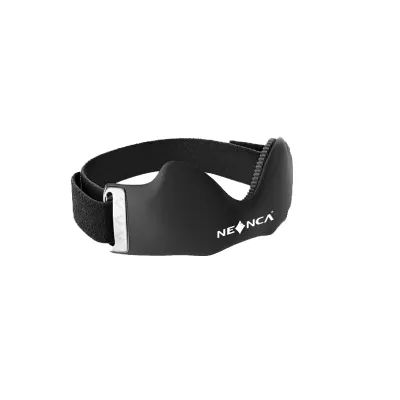
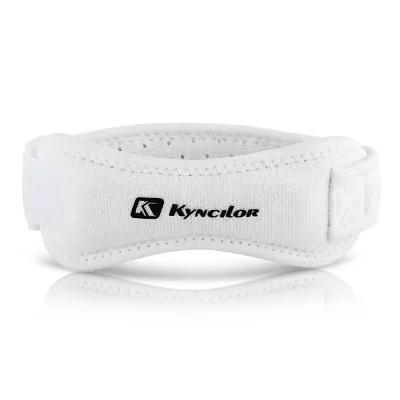
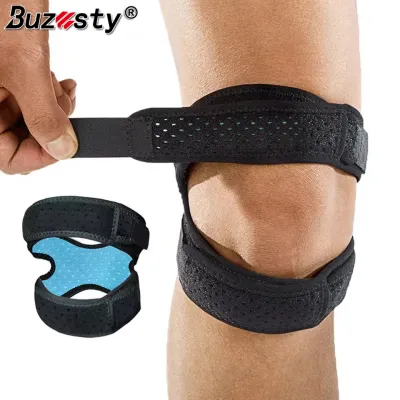
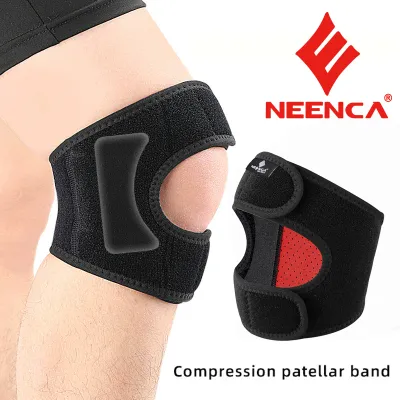
Prices are valid at publication and may change. Please refer to the product page for the latest price.
The physical dimensions of the strap, including its width, edge binding, and padding thickness, directly influence long-term comfort. A strap that is too narrow can act like a cord, digging into the skin under tension and restricting localized circulation. Conversely, an excessively wide strap may bunch up in the popliteal fossa—the space behind your knee—limiting your range of motion during deep squats or strides. High-quality edge binding, which covers raw fabric seams, is essential to prevent friction burns and chafing against the skin.
Closure mechanisms and stability features dictate how well the strap remains in place during repetitive movements. Most knee straps utilize hook-and-loop fasteners to allow adjustable tension, but the quality of these fasteners varies significantly across brands. Look for low-profile, high-density hooks that resist peeling under lateral shear force. Additionally, some designs incorporate internal silicone grip strips or textured backings that anchor the strap against the skin, reducing the need for constant manual adjustments mid-workout.
Evaluating the Stryde Knee Strap for Active Use
To evaluate the Stryde knee strap effectively, start by inspecting the product packaging and label for its exact material composition. Checking for hypoallergenic properties is highly recommended, especially if you have sensitive skin or are prone to contact dermatitis from synthetic rubbers. Understanding the ratio of nylon, neoprene, and spandex used in the construction will give you a clear indication of the strap’s elasticity, durability, and breathability before you commit to wearing it for an extended workout.

Next, examine the design and density of the patella pad. The primary function of a knee strap is to apply targeted, comfortable pressure to the patellar tendon, which helps distribute forces away from the kneecap. Inspect whether the Stryde strap features a contoured silicone insert, a tubular foam pad, or a flat fabric layer. A firm, anatomically shaped insert generally provides more consistent, localized compression than a soft, flat pad, which can compress too easily under heavy loads.
Sizing accuracy is critical for the proper function of any patellar band. Rather than relying on your standard apparel size, consult the manufacturer’s official sizing chart and measure your leg precisely. Use a flexible measuring tape to find the circumference of your leg directly below the kneecap while standing. A properly sized strap ensures that the hook-and-loop fastener aligns correctly without overlapping excessively or leaving raw hook material exposed to rub against your skin or clothing.
Comparing Support, Comfort, and Durability Across Brands
When comparing the Stryde knee strap to alternative brands, the most prominent architectural difference lies in single-strap versus dual-strap designs. Single-strap models, such as the standard Stryde design, focus compression entirely on the patellar tendon below the kneecap. This minimalist approach offers high mobility and minimal bulk, making it a preferred choice for runners who require an unrestricted stride. Dual-strap systems wrap both above and below the kneecap, offering more comprehensive patellar tracking control for heavy lifting, though they add bulk and can restrict deep knee flexion.
Fastener durability is another critical point of comparison that is easily verified through physical inspection. High-quality brands use advanced hook-and-loop technology where the hooks are molded rather than woven, which prevents them from tearing the loop fabric over time. You can test the fastener’s grip strength by applying the strap and pulling horizontally; a premium fastener will resist peeling even when exposed to moisture. Lower-grade fasteners often lose their grip after a few wash cycles, causing the strap to slip down your calf during high-impact movements.
Stitching quality and edge construction serve as reliable indicators of how long a knee strap will last under rigorous use. Examine the seams for flatlock stitching, which joins fabric edges without creating a raised ridge that could chafe the skin. Look for reinforced double-stitching at high-stress points, such as where the strap attaches to the buckle or pull-tab. If you observe loose threads, single-needle stitching, or raw, unbonded edges, the strap is highly susceptible to stretching out of shape or fraying within a few months of regular gym use.
Decision Guide: Which Knee Strap Fits Your Routine?
Choose the Stryde knee strap if you prefer a lightweight, low-profile single-strap design that prioritizes freedom of movement and quick application. It is highly suitable for runners who want targeted support for mild patellar tendon discomfort without the heat retention of a full knee sleeve. Gym-goers who engage in moderate lifting, functional fitness, or high-repetition bodyweight exercises will also benefit from its compact size, which fits easily into a pocket or small gym bag.
Choose alternative brands if your fitness routine demands maximum joint stabilization, such as heavy Olympic weightlifting, powerlifting, or sports requiring rapid lateral changes of direction. In these scenarios, a dual-strap system or a structured neoprene sleeve with lateral stabilizers will provide superior joint tracking and lateral support. Additionally, if you have a known allergy to standard neoprene, you should seek out specialized brands that explicitly use latex-free, medical-grade materials or highly breathable spacer fabrics.
Verify first if you are experiencing sharp, sudden joint pain, localized swelling, or a feeling of instability that suggests a structural injury like a meniscus or ligament tear. A patellar strap is designed to support healthy joint mechanics during minor strain; it cannot replace medical treatment or stabilize a structurally compromised knee. If you have chronic skin sensitivities, circulatory issues, or are unsure whether a strap is the correct intervention, consult a qualified sports medicine professional or physiotherapist in Singapore before purchasing.
Proper Fit, Maintenance, and Safety Boundaries
Achieving the correct anatomical placement is essential for the knee strap to function safely and effectively. Position the compression pad directly over the patellar tendon, which is the soft tissue located immediately below your kneecap and above the bony bump on your shin. The strap should wrap horizontally around your leg, sitting snugly enough to apply firm pressure without pinching the skin or restricting the natural movement of your joint.
To preserve the elasticity and structural integrity of your knee strap, always adhere to the care label instructions. Hand washing the strap in cool water with a mild, non-abrasive detergent is generally the safest method. Avoid machine washing, fabric softeners, and tumble dryers, as high heat and mechanical agitation will rapidly degrade the elastic fibers and weaken the hook-and-loop fasteners. Allow the strap to air dry completely in a shaded, well-ventilated area away from direct sunlight.
Establish clear safety boundaries and stop conditions to protect your joint health during active use. A knee strap should never be worn so tightly that it causes numbness, tingling, a cold sensation in your foot, or deep red indentations on your skin. If you experience an increase in pain while wearing the strap, or if you notice visible signs of wear such as cracked padding or failing fasteners, stop using the product immediately and consult a qualified professional.
Frequently Asked Questions (FAQ)
Can I wear a knee strap all day for general knee pain?
Knee straps are designed specifically for active use and targeted compression during movement, rather than continuous, all-day wear. Wearing a strap for extended periods without active movement can restrict localized blood circulation and may lead to muscle imbalances if your body begins to rely on the external support rather than its own stabilizing muscles. For persistent, daily knee pain, it is crucial to consult a healthcare professional for a comprehensive treatment plan rather than relying on a temporary strap.
How tight should a knee strap be during heavy gym lifts?
During heavy gym lifts, a knee strap should be adjusted to provide firm, noticeable compression against the patellar tendon without causing discomfort or restricting your range of motion. You should feel a secure, stabilizing pressure when your knee bends, but you should not experience any throbbing, tingling, or loss of sensation. It is highly recommended to loosen or remove the strap between heavy sets to allow normal blood flow to return to the joint, and always prioritize proper lifting form over the support provided by the strap.
Community discussion
Share your experience or ask a question. Comments are reviewed before publication.