
Quick Answer: Matching Swim Cap Brands to Your Swimming Goals
Choosing the right swim cap in Singapore depends on your specific swimming goals, hair type, and budget. With the year-round tropical climate, local swimmers frequently train in highly chlorinated public ActiveSG pools, private condominium facilities, or the open waters of East Coast Park and Sentosa. To get the most out of your sessions, matching your gear to your swimming profile is essential.
- For Competitive and Fitness Swimmers: Choose premium hydrodynamic options like the Speedo Fastskin series or Arena 3D caps. These brands design high-compression, molded silicone caps that eliminate wrinkles, reducing drag for lap swimming and competitive racing.
- For Beginners, Casual Swimmers, and Children: Opt for standard silicone caps from Speedo or Arena, or highly affordable in-house brands like Decathlon’s Nabaiji. These prioritize comfort, flexibility, and ease of use over extreme compression.
- For Swimmers with Long, Thick, or Voluminous Hair: Select specialized brands like Soul Cap or Finis (Long Hair cap). These brands design caps with extra internal volume to accommodate braids, dreadlocks, extensions, or thick curls without sliding off or pulling the hair.
Ultimately, the best swim cap is the one that aligns with your primary objective, whether that is maximizing speed, protecting your hair from pool chemicals, or enjoying a comfortable, pressure-free swim.
Swim Cap Materials: The Real Driver of Performance
While brand logos are highly visible, the material of the swim cap is the actual driver of its performance, durability, and comfort. Before comparing brands, understanding how different materials behave in Singapore’s warm, chlorinated waters will help you make an informed decision.
Products mentioned in this guide
![[SG Stock] Adult Swim Cap Long Hair Waterproof Non-slip Elastic Stretchy Men Women Swimming](https://img.lazcdn.com/g/p/8787a4ef84fa9966d62b98dbf5adfbca.jpg_400x400q80.jpg_.webp)
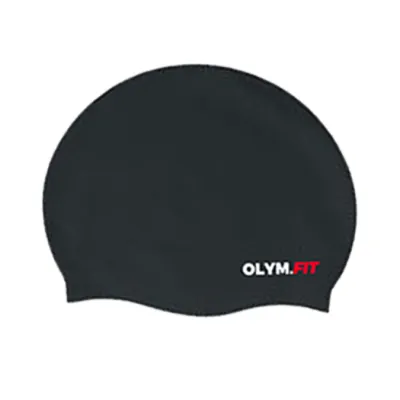
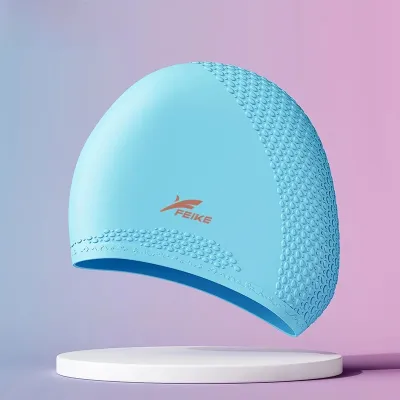
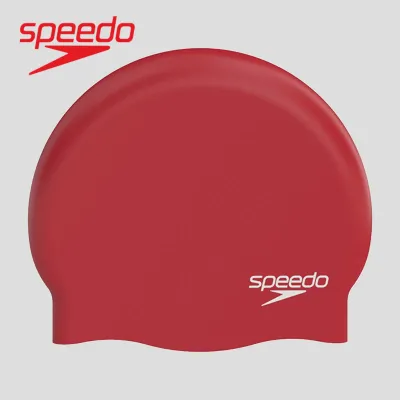
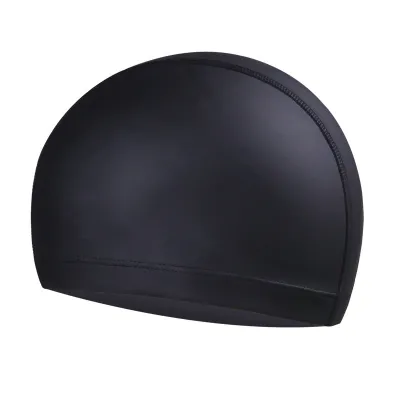
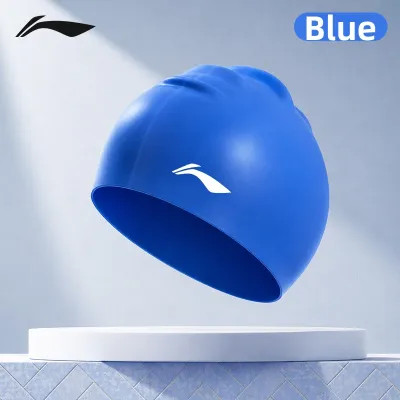
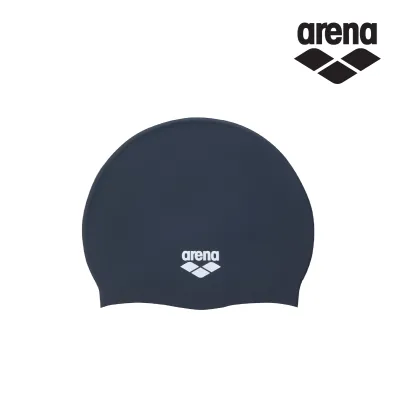
Prices are valid at publication and may change. Please refer to the product page for the latest price.

Silicone
Silicone is the most popular material for modern swimmers. It is highly durable, stretchy, and hypoallergenic, making it resistant to the degrading effects of chlorine and UV rays. Silicone caps provide a secure fit and a relatively smooth surface that reduces drag. They do not pull on hair as much as latex, though they can still snag if put on incorrectly. For regular fitness swimmers in Singapore, silicone represents the optimal balance of longevity and performance.
Latex
Latex caps are ultra-thin, lightweight, and highly breathable, which helps dissipate heat when swimming in warm outdoor pools. They are also highly affordable. However, latex is significantly less durable than silicone and is prone to tearing, especially when stretched by sharp fingernails. Over time, chlorine and sunlight cause latex to become sticky and degrade. Swimmers must also check product labels carefully to ensure they do not have a latex allergy before purchasing.
Fabric and Lycra
Fabric caps, typically made of Lycra, nylon, or spandex, are incredibly soft, highly stretchable, and easy to put on without pulling the hair. However, fabric is highly porous, meaning it does not keep water out and will saturate quickly. This saturation creates significant drag, making fabric caps unsuitable for active lap swimming or training. They are best reserved for water aerobics, casual wading, or protecting the scalp from direct sunlight during low-intensity outdoor leisure activities.
Polyurethane (PU) Coated and Molded Silicone
PU-coated caps feature a fabric interior for comfort and a polyurethane outer layer that resists water penetration. Molded silicone caps are pre-shaped to match the curves of the head without creating wrinkles. These advanced materials are designed for competitive swimming, offering the lowest possible drag. However, they feel exceptionally tight on the head and require careful handling to avoid damaging the specialized coatings.
Before purchasing, always check the product packaging or online technical specifications to verify the primary material, as this dictates how the cap will perform and feel in the water.
Top Swim Cap Brands Compared by Swimmer Profile
To find the ideal swim cap, it helps to categorize the market by swimmer profile. Different brands target specific needs, ranging from elite racing performance to casual weekend recreation.
Best for Competitive and Fitness Swimmers
For swimmers focused on training efficiency, lap times, and technique, premium brands like Speedo, Arena, and TYR offer highly engineered solutions. These brands dominate competitive swimming by focusing on hydrodynamic efficiency and high-compression fits.
Speedo’s premium range, particularly the Fastskin series, utilizes 3D goggle-fit mapping to create a completely wrinkle-free fit. This design minimizes drag forces at high speeds. Similarly, Arena’s 3D racing caps are molded from high-grade silicone to provide uniform compression, helping to keep the swimmer’s head position streamlined. TYR offers robust silicone options like the Wrinkle-Free Silicone cap, which provides a tight, secure fit that stays in place during high-velocity starts and turns.
Because these caps are engineered for maximum performance, they are designed to fit very tightly. This high compression can feel uncomfortable or restrictive during long, casual swim sessions. They also require precise sizing and careful handling to prevent tearing along the molded edges. These specialized lines are typically available at major sporting goods outlets, specialty swim shops in Singapore (such as those in Queensway Shopping Centre), or dedicated online retailers.
Best for Beginners, Casual Swimmers, and Children
If your primary goals are comfort, ease of use, and keeping costs low, you do not need to invest in high-compression racing gear. Standard silicone caps from established brands or budget-friendly private labels are highly suitable.
Both Speedo and Arena offer basic, flat silicone caps. These caps do not feature the advanced 3D molding of their competitive counterparts, but they deliver reliable durability and excellent stretch at a fraction of the cost. They are highly versatile and suitable for school swimming lessons or casual fitness laps.
For the budget-conscious swimmer or families with growing children, Decathlon’s in-house brand, Nabaiji, is an exceptional alternative. Widely available across Decathlon’s physical experience stores in Singapore and online, Nabaiji caps are highly affordable, often costing under S$10. They offer mesh caps, silicone-coated mesh caps, and standard silicone caps. The silicone-coated mesh options are particularly popular among beginners because the fabric inside prevents hair-pulling, while the outer silicone layer provides moderate water resistance.
Best for Swimmers with Long or Thick Hair
Standard swim caps are designed with a uniform dome shape that assumes a relatively flat hairstyle. For swimmers with long, thick, or highly voluminous hair—such as braids, dreadlocks, weaves, or thick curls—standard caps often fail. The excess hair volume forces the cap upward, causing it to slide off the forehead and ears mid-swim.
Specialized brands like Soul Cap and Finis address this specific pain point. Soul Cap designs extra-large silicone caps specifically engineered to accommodate high-volume hairstyles. Instead of compressing the hair tightly against the skull, these caps feature an expanded rear pocket that allows the hair to sit naturally without pulling the cap off the forehead. This design maintains a secure, watertight seal around the hairline and ears.
Finis also offers a dedicated Long Hair Silicone Cap, which features an asymmetrical design with extra room at the back for a hair bun. These specialized caps prevent the discomfort of hair pulling and reduce the risk of the cap popping off during active swimming. They are excellent for keeping long hair contained and protected from prolonged exposure to pool chemicals.
Key Features to Compare When Evaluating Swim Caps
When shopping for a swim cap in-store or online, looking beyond the brand logo and price tag is essential. Evaluating specific structural features will ensure you select a cap that fits comfortably and lasts for multiple seasons.
- Fit and Compression: Racing caps are designed with high compression to flatten the ears and hair, minimizing any pocket of trapped air. This is ideal for speed but can cause headaches during extended wear. Leisure caps offer a relaxed fit with lower compression, prioritizing comfort and ease of wear over absolute hydrodynamics.
- Seam Construction: Inspect how the cap is put together. Basic silicone caps are made by joining two halves, resulting in a visible seam running down the middle. These seams can create a small amount of drag and represent a potential point of failure under high tension. Premium competitive caps are molded as a single, seamless piece of silicone, which improves both hydrodynamics and tear resistance.
- Inner Texture: Look at the inside of the cap. Many high-quality silicone caps feature a micro-textured inner surface or small raised bumps. This interior grip pattern prevents the cap from sliding off your head when you sweat or perform aggressive flip turns, keeping it securely anchored without requiring excessive compression.
- Thickness: Thicker silicone caps (often exceeding 1mm) provide a more structured, wrinkle-free fit and offer greater durability against tears. However, they retain more heat, which can feel warm in Singapore's tropical outdoor pools. Thinner caps are more flexible and run cooler, but they require gentler handling to avoid punctures.
- Sizing: Never assume a "one size fits all" label will fit perfectly. Head circumferences vary significantly. Always measure your head and refer to the manufacturer's specific sizing chart. A cap that is too small will squeeze your head and slide upward, while a cap that is too large will let water flood in, creating massive drag.
How to Fit and Wear Your Swim Cap Without Tearing It
Most swim cap tears occur while putting the cap on or taking it off, rather than during actual swimming. Because silicone and latex are susceptible to punctures from sharp objects, following a careful fitting technique will protect your investment.
First, prepare your hair and hands. Remove any sharp hairpins, metal clips, or jewelry that could catch on the material. If you have long hair, tie it back securely in a low pony or bun using a soft, metal-free hair tie.
To put the cap on, bend forward slightly and place both hands inside the cap with your palms facing inward and your fingers spread wide. This creates a wide, even stretch. Ensure you are using the flat pads of your fingers or your knuckles to stretch the material; never use your fingernails, as they can easily create micro-tears that cause the cap to split under tension.
Position the front edge of the stretched cap against your forehead, just above your eyebrows. In a smooth, rolling motion, pull the cap over the top of your head and down toward the nape of your neck. Once the cap is on, adjust it so that the central seam (if present) runs from your forehead to the back of your neck, rather than from ear to ear.
Finally, use the pads of your fingers to gently tuck any loose strands of hair or your ears under the edges of the cap. This ensures a clean, comfortable, and hydrodynamic seal around your entire hairline.
Daily Care to Extend Your Swim Cap's Lifespan
Singapore’s high humidity and warm temperatures create an environment where mold, mildew, and material degradation can occur rapidly. Proper daily maintenance is critical to keeping your swim cap in hygienic, working condition.
Immediately after every swim, thoroughly rinse your cap inside and out with fresh, cool tap water. This removes residual chlorine, salt, sweat, and pool chemicals that slowly degrade silicone and latex over time.
After rinsing, hang or place the cap to air-dry completely in a shaded, well-ventilated indoor space. Avoid placing the cap in direct sunlight, on hot balconies, or near heat sources, as extreme heat and UV rays cause silicone to lose its elasticity and make latex brittle and sticky.
Once the cap is fully dry, prevent the inner surfaces from sticking together. You can place a small, dry hand towel inside the cap, or lightly dust the interior with a small amount of talcum powder or baby powder. This simple step prevents the material from bonding to itself, which can cause tears when you pull the cap open for your next swim.
Finally, store your dry cap flat in a cool, dark drawer or compartment. Avoid leaving a damp cap crumpled inside a dark, unventilated gym bag, as this quickly leads to mold growth and permanent material breakdown.
Frequently Asked Questions (FAQ)
Do swim caps keep your hair completely dry?
No, standard silicone, latex, and fabric swim caps are not designed to keep your hair completely dry. Their primary purposes are to reduce hydrodynamic drag, keep hair out of your face, and protect your hair from direct, prolonged exposure to pool chemicals. Water will inevitably seep in around the edges, especially during flip turns, dives, or underwater swimming. To achieve a drier result, some swimmers use a double-capping method (wearing a fabric cap underneath a tight silicone cap) or look for specialized caps featuring thick neoprene seals.
Can I use a fabric swim cap for lap swimming?
While you can wear a fabric cap for lap swimming, it is not recommended for active training or fitness swimming. Fabric caps made of Lycra or nylon are highly porous and absorb water quickly. This water absorption adds weight and creates significant drag, making your swimming stroke less efficient and slower. Fabric caps are best suited for water aerobics, casual wading, or protecting your scalp from the sun during low-intensity leisure activities where speed and hydrodynamics are not priorities.
Community discussion
Share your experience or ask a question. Comments are reviewed before publication.