
Finding a swim cap that accommodates long, thick, or textured hair without slipping off or causing a tension headache is a common challenge for active swimmers. Standard swim caps are typically designed for short hair or low-volume styles, leaving those with braids, locks, or thick buns struggling to tuck everything inside. To keep your hair secure and protected, you need a cap specifically engineered with extra volume, a contoured shape, and a material that stretches without tearing.
While many brands offer specialized “large” or “long hair” variations, the key to finding the best option lies in understanding how different designs, materials, and sizing structures accommodate your specific hair volume. By focusing on ergonomic shapes and high-quality materials like premium silicone, you can enjoy your time in the pool without constant adjustments or painful pulling.
Why Standard Swim Caps Fail Long and Thick Hair
Standard swim caps are molded to a uniform, dome-like shape that assumes a relatively flat profile against the scalp. When you attempt to pack long, thick, or highly textured hair into this limited space, the material is forced to stretch far beyond its intended limits. This extreme stretching creates intense downward and outward tension, which frequently leads to pressure headaches and discomfort around the forehead and temples during a swim.
Products mentioned in this guide
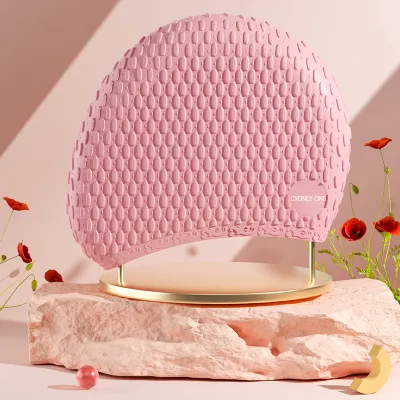
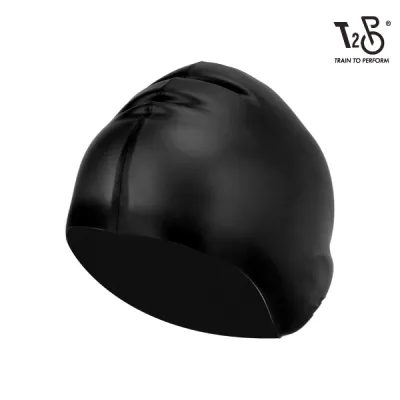
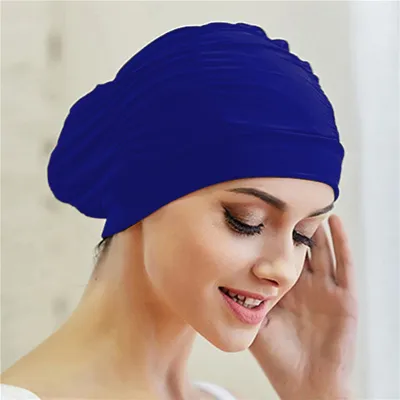
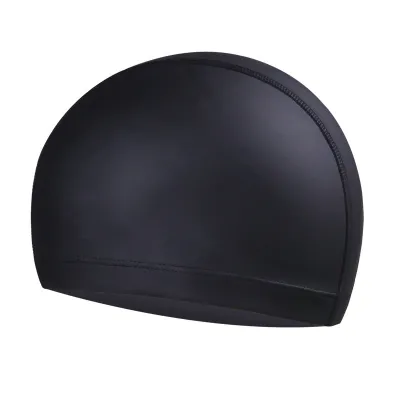
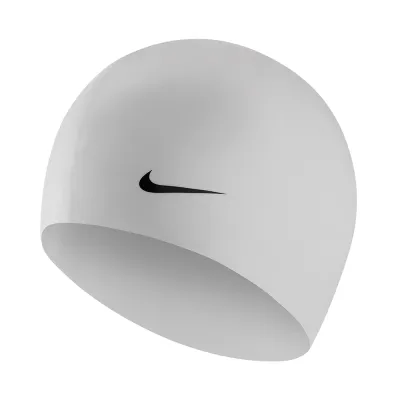
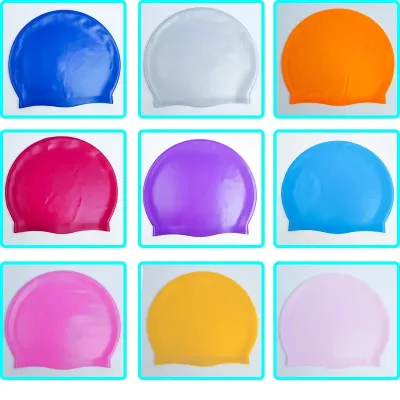
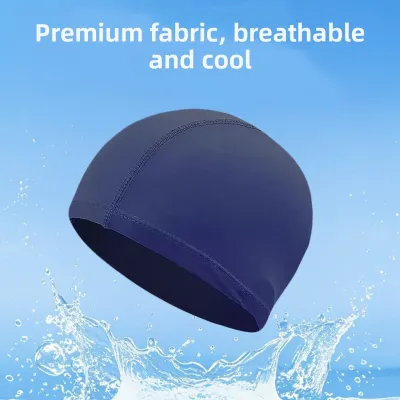
Prices are valid at publication and may change. Please refer to the product page for the latest price.
The excess volume of thick hair also alters the angle of the cap’s edge against your skin. Instead of sitting flat against your forehead and the nape of your neck, the stretched material is pulled upward by the bulk of your hair. This upward pull breaks the seal between the cap and your skin, allowing water to rush in and causing the cap to slide off entirely during active strokes or flip turns.
Furthermore, standard caps often lack the necessary elasticity to accommodate thick hair without causing damage. The tight, unyielding edges can pinch the hairline, leading to friction, hair breakage, and painful pulling when you try to put the cap on or take it off. For swimmers who train regularly, this constant friction can lead to noticeable thinning around the hairline and crown.
Essential Design Features for Extra Volume
To overcome the limitations of standard designs, manufacturers have developed specialized swim caps with distinct structural features tailored for high-volume hair. The most significant advancement is the transition from flat-cut designs to 3D molded shaping. While flat caps are simply two pieces of material joined together, 3D molded caps are shaped like a human head, providing a more natural, ergonomic fit that reduces wrinkles and pressure points.

For swimmers with long or thick hair, look for caps that feature an extended back panel, integrated gussets, or built-in pleats. These design elements create a dedicated pocket of extra space at the back of the head, allowing you to house a high bun, ponytail, or thick braids without stretching the front of the cap. This extra room ensures the cap can sit low enough on your forehead and neck to maintain a secure grip.
Another critical feature to look for is a reinforced or rolled edge. A rolled or slightly thickened edge helps distribute this pressure more evenly across your forehead and neck, preventing the material from snapping under tension and reducing the likelihood of the cap rolling upward during your swim.
Comparing Materials for Comfort and Durability
Choosing the right material is just as important as finding the correct shape, as different materials offer varying levels of stretch, protection, and durability. Silicone is widely considered the industry standard for high-volume swim caps due to its exceptional elasticity and resilience. It stretches easily over thick hair without losing its shape, resists chlorine degradation, and provides a smooth surface that minimizes hair pulling.
Latex is another common option, favored by competitive swimmers for its lightweight feel and excellent heat dissipation in warm pools. However, latex is much thinner and less elastic than silicone, making it highly prone to tearing when stretched over bulky hair. Additionally, latex has a sticky texture that can snag and pull individual hair strands, and it is a common allergen that can cause skin irritation for sensitive swimmers.
For casual swimmers or those focused purely on comfort, fabric and Lycra blends offer an alternative. These caps are incredibly soft, easy to put on, and do not pull or snag the hair at all. However, fabric is highly porous, meaning it offers zero protection against chlorine and water ingress.
How to Evaluate Brands and Sizing Before You Buy
When shopping for a high-volume swim cap on an online marketplace or at a local sporting goods store in Singapore, it is essential to look beyond generic “one-size-fits-all” labels. Reputable brands that cater to long hair will provide detailed sizing charts that specify the physical dimensions of the cap, including the height, width, and maximum circumference when stretched. Compare these measurements against your head circumference and the estimated bulk of your hair.
Examine the product descriptions and images closely to verify the seam placement and material thickness. High-quality caps designed for long hair often feature seamless construction or strategically placed flatlock seams that run along the sides rather than directly down the middle, reducing pressure on your hair bun. Additionally, look for specifications that explicitly mention “extra room,” “bubble cap,” or “long hair cut” to ensure the design is tailored for volume.
Because swim caps are personal hygiene items, return and exchange policies can be highly restrictive once the packaging is opened. Before making a purchase, verify the retailer’s policy regarding opened items. If you are trying a new brand or style for the first time, look for sellers that offer fit guarantees or clear exchange options, allowing you to test the fit at home without risking a non-refundable purchase.
Techniques for a Secure Fit and Cap Care
Even the best-designed swim cap can fail or tear if it is not put on correctly or maintained properly. To minimize friction and make the capping process much smoother, try wetting your hair with fresh water from the shower before putting the cap on. Applying a small amount of leave-in conditioner can also create a protective barrier, allowing the silicone to slide effortlessly over your strands without snagging.
When putting on the cap, avoid using your fingernails or wearing sharp jewelry, as these can easily puncture and tear the stretched material. Instead, gather your hair into a secure, low style, place your hands inside the cap with your palms facing inward and fingers spread, and gently stretch the cap outward. Start from your forehead, pull the cap over your head, and tuck in any loose strands using the flats of your fingers.
To preserve the elasticity and shape of your silicone cap over time, proper aftercare is essential. After every swim, rinse the cap thoroughly inside and out with fresh, cool water to remove chlorine, salt, or pool chemicals. Allow the cap to air-dry completely in a shaded, well-ventilated area, avoiding direct sunlight or heat sources like radiators, which can cause the silicone to degrade, become sticky, or crack.
Frequently Asked Questions (FAQ)
Should I tie my hair up before putting on a swim cap?
Yes, securing your hair beforehand is highly recommended to prevent the cap from slipping and to ensure an even distribution of bulk. Opt for a low bun at the nape of your neck, a flat braid, or a simple twist that sits close to your scalp. Avoid using rigid plastic hair ties, metal clips, or bulky hairpins, as these create sharp pressure points against your head and can easily puncture the cap material under tension. Instead, use soft, elastic hair bands or fabric scrunchies that hold your hair securely without adding unnecessary bulk.
Can a swim cap keep long hair completely dry?
No swim cap is designed to keep your hair completely dry, especially when dealing with the high volume of long or thick hair. The primary functions of a swim cap are to improve hydrodynamics, keep hair out of your face, and reduce direct exposure to pool chemicals like chlorine. Water will inevitably seep in around the edges, particularly at the nape of the neck and around the ears where the seal is most vulnerable to movement. To minimize wetness, ensure you choose a high-quality silicone cap with a snug, contoured fit, and consider wearing a headband underneath for added protection.
Community discussion
Share your experience or ask a question. Comments are reviewed before publication.