
Selecting the right swimwear for your infant’s first swimming lessons involves balancing safety, hygiene, and comfort. While Swimbobo baby swim products have gained popularity on online marketplaces for their integrated designs, comparing them against established baby swimwear brands requires looking closely at construction, local pool regulations, and your child’s specific physical proportions. The ideal choice is rarely a one-size-fits-all solution; instead, it depends heavily on your swim school’s containment policies, the pool’s temperature, and how rapidly your baby is growing.
For parents navigating infant swim classes, the primary goal of swimwear is to prevent pool contamination while keeping the baby comfortable enough to focus on water acclimatisation. This guide provides an objective framework to evaluate Swimbobo alongside competing brands, focusing on observable design features, material specifications, and long-term value. By understanding what to look for on product labels and how to measure for a secure fit, you can make an informed decision that ensures a safe, uninterrupted learning experience.
Core Criteria for Evaluating Baby Swimwear for Lessons
Before comparing specific brands, you must understand the rules of your chosen swim school or public pool facility. Most professional swim schools enforce strict hygiene policies to prevent fecal contamination, which can shut down a pool for hours or even days. The gold standard in many modern swim schools is a double-diaper policy. This rule typically requires babies to wear a disposable swim diaper underneath a snug-fitting, reusable neoprene swim diaper.
Products mentioned in this guide
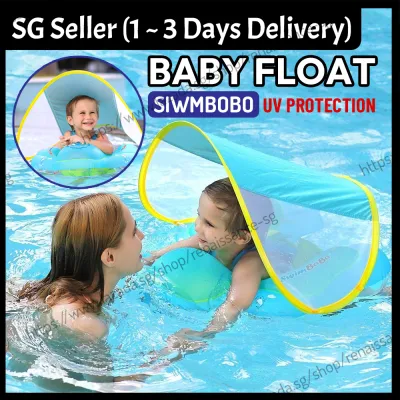
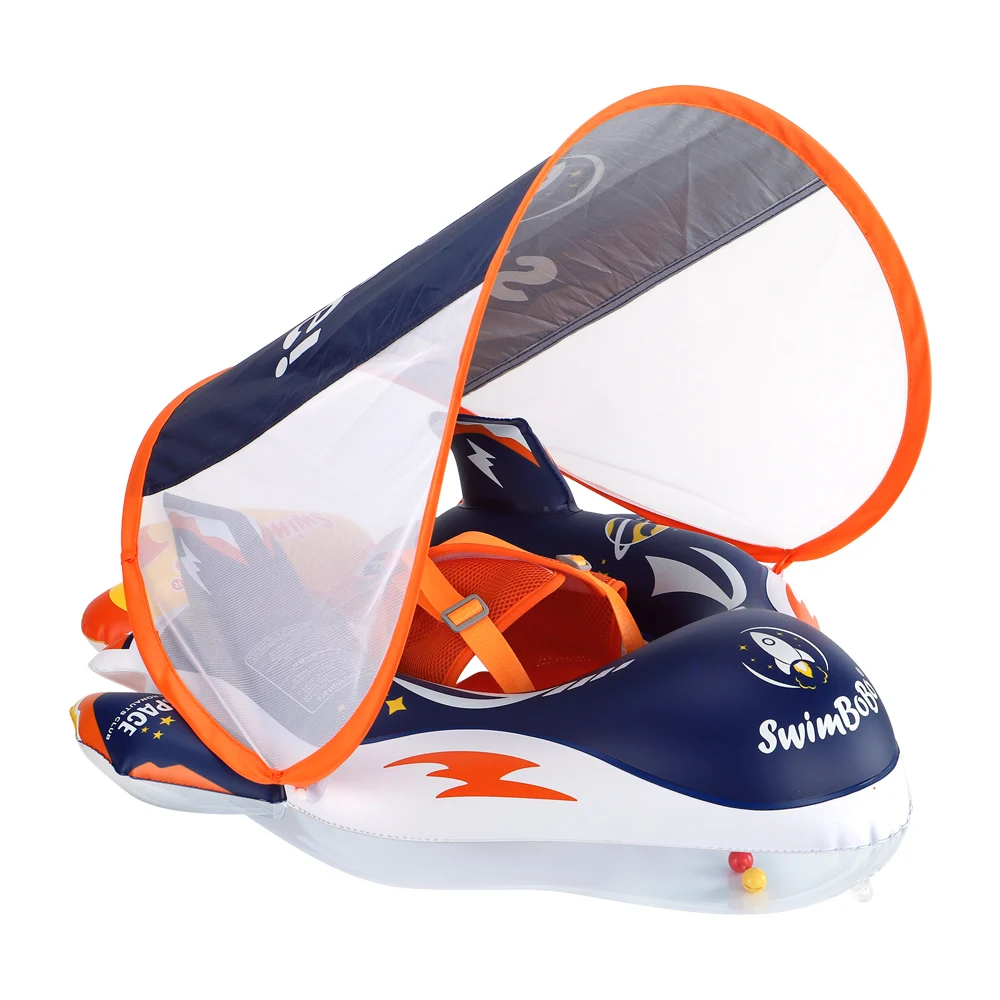
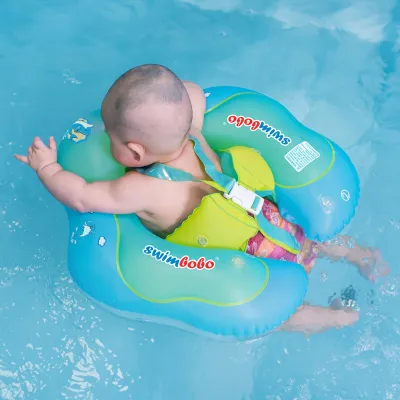
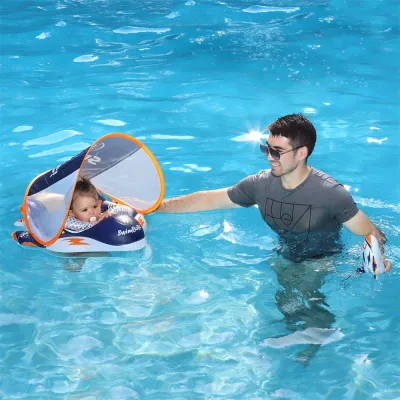
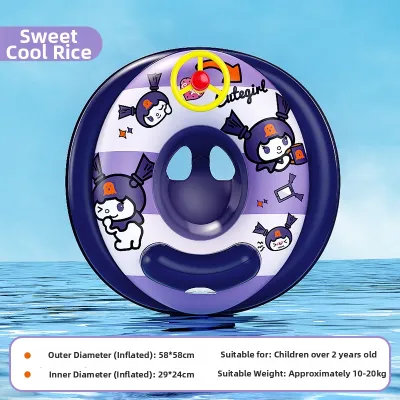
Prices are valid at publication and may change. Please refer to the product page for the latest price.
When evaluating any brand, the containment features are your first line of defense. Look for wide, highly elastic waistbands and snug leg gussets. These components must form a secure, physical barrier against leaks without being so tight that they restrict circulation or leave deep red marks on your baby’s skin. A diaper that fits perfectly while dry may gap when wet, so the elasticity and recovery of the leg openings are critical.
Additionally, you must match the swimwear type to the specific pool environment. If your lessons take place in a heated indoor pool, a lightweight reusable swim diaper or a basic swim trunk may be sufficient. However, if you are attending classes in an outdoor condominium pool or an unheated public facility, your baby will lose body heat rapidly. In these environments, thermal swimwear or full-coverage suits made of thicker neoprene are necessary to keep your baby warm and engaged throughout the 30-minute lesson.
Comparing Swimbobo and Competing Brands Across Key Dimensions
To compare Swimbobo baby products with other market alternatives, you should look past brand names and focus on structural design, closure types, and material composition. Different brands cater to different priorities, ranging from maximum adjustability to high thermal insulation. By analyzing these physical specifications, you can determine which brand aligns best with your baby’s current developmental stage and your lesson environment.

When shopping online or in specialty sports stores, always read the product labels and technical specifications carefully. Look for verified details regarding chlorine resistance, fabric stretch recovery, and safety certifications. High-quality baby swimwear should explicitly state its ultraviolet protection factor (UPF) and detail the specific blend of materials used, such as nylon, polyester, spandex, or neoprene.
Fit, Containment, and Leak Prevention
The method used to secure and adjust baby swimwear varies significantly across brands. Swimbobo and several competing brands often utilize adjustable snap buttons or hook-and-loop fasteners along the sides of their reusable diapers. These adjustable side snaps allow the diaper to expand as your baby grows, offering a semi-customisable fit. In contrast, some traditional brands rely on pull-on elastic designs, which provide a seamless, smooth fit but offer no room for adjustment if your baby has exceptionally chunky thighs or a slim waist.
Leg and waist openings must be evaluated for both snugness and comfort. A secure seal is achieved when the elastic lies flat against the baby’s skin without bunching. If a brand uses thin, harsh elastic bands, they are more likely to cause chafing during active kicking. Look for brands that wrap their elastic in soft, smooth fabric or use wide Lycra binding to distribute pressure evenly around the thighs and waist.
To ensure a proper fit, always ignore age-based sizing labels like “6-12 months” and instead refer to the manufacturer’s weight and thigh circumference charts. Babies grow at highly individual rates, and a diaper that is too loose around the legs will fail to contain solid waste, regardless of the baby’s age. Keep a flexible measuring tape handy to measure your baby’s thighs at the widest point before making a purchase.
Material Comfort, Temperature Retention, and Sun Protection
For outdoor swimming lessons, sun protection is a non-negotiable requirement. Verify that the swimwear fabric carries a certified UPF 50+ rating, which blocks the vast majority of harmful ultraviolet radiation. While many brands claim sun protection, look for those that achieve this through tight fabric weaves rather than chemical treatments, as chemical coatings can wash out over time and potentially irritate sensitive infant skin.
Temperature retention is another critical factor, especially for younger infants who cannot yet regulate their body temperature efficiently. Standard Lycra or nylon swimsuits offer virtually no thermal insulation. If your baby tends to shiver or turn blue during lessons, look for swimwear featuring a neoprene core or a soft fleece lining. Neoprene traps a thin layer of water next to the skin, which is warmed by the baby’s body heat, allowing for longer, more comfortable swim sessions.
Finally, consider how the materials respond to repeated exposure to pool chemicals. Chlorine is highly destructive to elastane (spandex) fibers, causing them to lose their stretch and become brittle over time. Check the care instructions on the label; swimwear that requires hand-washing and air-drying away from direct sunlight will generally last longer. Brands that use chlorine-resistant polyester blends tend to maintain their shape and containment capabilities far better over a multi-week swim term.
Assessing Value and Longevity for Regular Classes
When calculating the true cost of baby swimwear, parents must look beyond the initial purchase price and consider the cost-per-use over a typical six-to-twelve-month lesson block. Reusable swim diapers generally range from S$15 to S$40, depending on the brand and design complexity. While this upfront cost is higher than a single pack of disposable swim diapers, which typically costs around S$12 to S$20, the reusable option quickly becomes more economical if your baby attends weekly classes.
Adjustable features play a massive role in extending the usable life of the garment. A reusable diaper with multiple rows of rise and waist snaps can easily adapt to a baby’s rapid growth spurts, potentially lasting through two or three swim terms. Pull-on designs, while highly secure, may only fit perfectly for a few weeks before requiring a size upgrade, significantly increasing your overall expenditure.
Durability is also reflected in the quality of the construction. Inspect the seams of the swimwear before use; flatlock stitching is highly desirable as it lies flat against the skin to prevent chafing while offering excellent seam strength under tension. Cheaply made alternatives often feature simple overlock seams that can unravel quickly when exposed to chlorine and frequent stretching during diaper changes. Investing in a well-constructed, adjustable reusable suit often yields better long-term value and can even be passed down to younger siblings.
Decision Framework: Choosing the Right Swimwear for Your Baby
To choose the best swimwear for your infant’s lessons, start by verifying your swim school’s specific containment rules. If the school mandates a strict double-diaper policy, your primary purchase must be a highly secure, snug-fitting reusable outer diaper, regardless of any built-in flotation or aesthetic features offered by brands like Swimbobo. Always prioritize compliance with pool hygiene rules to avoid embarrassing leaks and lesson disruptions.
Next, assess your swimming environment and your baby’s physical build. If your baby is currently between standard sizes or has a unique shape—such as a slim waist with chunky thighs—prioritize highly adjustable reusable options with side snaps. If your lessons are held in cooler or outdoor pools, bypass standard nylon suits entirely and select a thermal neoprene wrap or a full-coverage UV suit to ensure your baby remains warm and protected.
If your baby has extremely sensitive skin or eczema, standard synthetic fabrics and chlorine exposure can exacerbate irritation. In such cases, consult your pediatrician or a pediatric dermatologist before purchasing. They may recommend specific hypoallergenic barrier creams or suggest looking for swimwear made from specialized, non-irritating fabrics that can be worn over protective skin treatments.
Frequently Asked Questions (FAQ)
Do I need a regular diaper under a reusable swim diaper?
No, you must never wear a standard, everyday disposable diaper under a reusable swim diaper. Regular diapers are designed to absorb liquid rapidly, meaning they will instantly fill with pool water, swell to a massive size, and become extremely heavy. This added weight poses a severe safety hazard by dragging the baby down and restricting their natural leg movements. Instead, use a specialized disposable swim diaper or a dedicated reusable swim insert designed specifically not to absorb pool water, or use a properly fitted reusable swim diaper on its own as permitted by your swim school.
How should I clean and store baby swimwear after lessons?
To preserve the elasticity, color, and UPF rating of your baby’s swimwear, rinse it thoroughly in cool, fresh water immediately after leaving the pool. This quick rinse removes chlorine, salt, and organic matter before they can degrade the synthetic fibers. Gently squeeze out excess water without wringing or twisting the fabric aggressively. Always air dry the swimwear flat or hang it in a shaded, well-ventilated area away from direct sunlight, as intense heat and UV rays can break down elastic components. Avoid using fabric softeners, bleach, or tumble dryers unless the manufacturer’s care label explicitly states they are safe to use.
Community discussion
Share your experience or ask a question. Comments are reviewed before publication.