
Finding the perfect pair of swimming goggles is a highly personal journey because no single brand or model fits every face shape. While some manufacturers focus on hydrodynamic, low-profile designs for competitive racing, others prioritize thick, cushioned gaskets for long-duration comfort. Ultimately, the best brand for you is the one that matches your facial bone structure, your swimming environment, and your performance goals.
Quick Answer: Which Swimming Goggle Brand Profile Fits You?
When choosing swimming goggles, matching the brand’s design philosophy to your primary activity is the most efficient way to narrow down your options. Performance-oriented brands typically design low-profile, rigid goggles that minimize drag for competitive lap swimming and racing. These models sit tightly inside the eye socket, offering a secure fit during high-speed turns and dives, though they may require a period of adjustment for casual swimmers.
Conversely, fitness and recreational brands focus heavily on comfort, utilizing wider, softer silicone gaskets that distribute pressure evenly across the orbital bone. These are ideal for casual lap swimming, water aerobics, or extended training sessions where comfort takes precedence over hydrodynamics. For outdoor and open-water swimmers, specialized multi-sport brands offer wider lenses for enhanced peripheral vision and polarized coatings to combat bright sunlight and glare.
Products mentioned in this guide
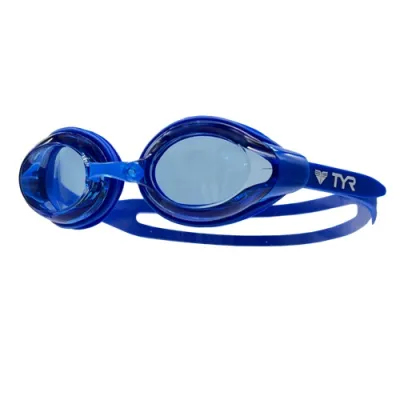
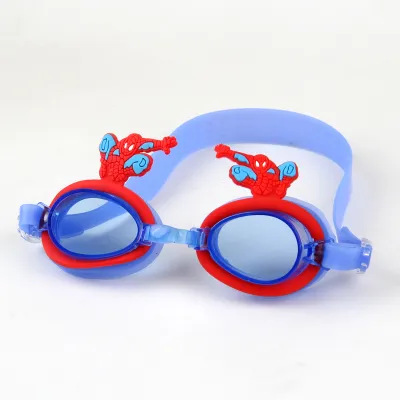
![[SG Stock] Adult Swimming Goggles Quick Release Anti Fog UV Protection Leak Proof Swim Goggle Easy Wear Adjustable](https://img.lazcdn.com/g/p/dd87fb590a51f57fee91fc1f29e43a61.jpg_400x400q80.jpg_.webp)
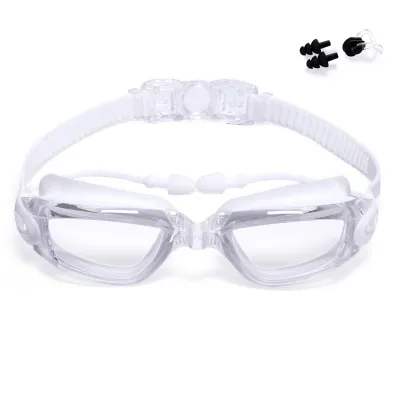
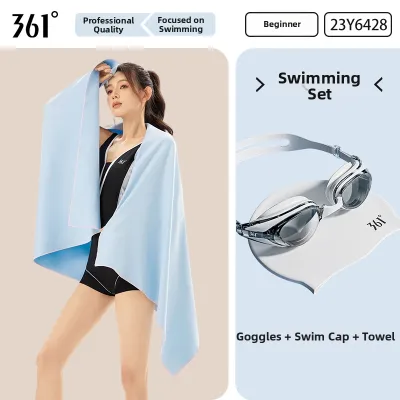
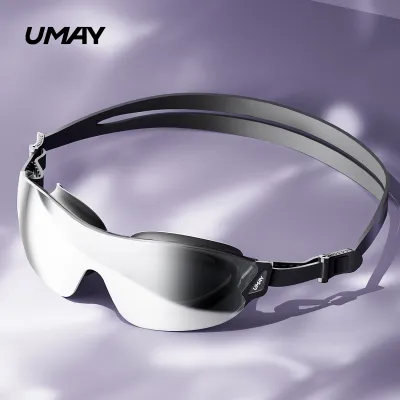
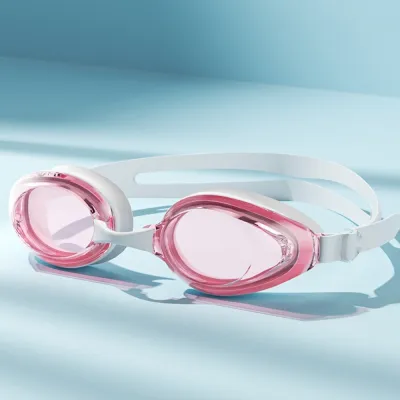
![[SG] Swimming Goggles Degree | Anti Fog + UV Shield | Adult & Children | Prescription Goggles](https://img.lazcdn.com/g/p/22798ce7f1849ad31e914f8712a501f1.jpg_400x400q80.jpg_.webp)
Prices are valid at publication and may change. Please refer to the product page for the latest price.
Regardless of a brand’s reputation or premium pricing, your individual facial bone structure is the ultimate deciding factor. A goggle that seals perfectly on one swimmer might leak constantly on another due to differences in nose bridge width, eye socket depth, and temple shape. Therefore, understanding how to test the physical fit of different designs is far more valuable than relying solely on brand popularity.
How to Evaluate Fit, Seal, and Comfort
The foundation of a leak-free swim lies in how the goggle cups interact with your facial anatomy. Swimmers generally choose between two primary eye cup designs: Swedish-style hard cups and cushioned silicone gaskets. Swedish goggles feature traditional, socket-fitting plastic cups with no soft gasket, relying on a precise, customized fit directly against the bone. While favored by competitive swimmers for their minimalist profile and direct feel, they require precise assembly and can feel uncomfortable during long sessions. Cushioned silicone gaskets, on the other hand, use soft, flexible seals that mold to the contours of your face, offering a more forgiving fit that accommodates a wider variety of facial shapes.

To determine if a pair of goggles will seal properly before you ever wet them, you should perform a dry suction test. Hold the goggle lenses firmly against your eye sockets without putting the strap over your head. Press them gently to expel the air inside the cups, then release your hands. If the goggles stick to your face for a few seconds before falling off, it indicates a strong natural seal that matches your orbital structure. If they pop off immediately, air is entering through a gap, and the goggles are highly likely to leak once you enter the pool.
Beyond the initial suction, external factors like facial hair, eyebrows, and skin moisture can influence how well a gasket maintains its seal during active movement. Swimmers with longer eyelashes must also ensure there is sufficient depth within the eye cup to prevent their lashes from brushing against the inner lens. When adjusting the head strap, remember that its primary purpose is to keep the goggles in place, not to force a seal through extreme tension. Over-tightening the strap can warp the silicone gaskets, create painful pressure points, and actually cause leaks by pulling the frame out of alignment.
Adjustability features are equally critical for securing a personalized fit. Many high-quality goggles include multiple interchangeable nose bridges of varying lengths, allowing you to adjust the distance between the lenses to match the width of your nasal bridge. Other models feature flexible, self-adjusting nose bridges that stretch to accommodate your face automatically. Additionally, look for split-strap designs, which distribute tension across two distinct areas of the back of your head, preventing the goggles from slipping down or pressing too hard against your eyes.
Lens Clarity, Coatings, and Field of Vision
Underwater visibility depends heavily on selecting the correct lens tint and coating for your swimming environment. Clear and lightly tinted lenses are the standard choice for indoor pools or low-light conditions, as they maximize light transmission and provide a natural view of your surroundings. For outdoor pools, open-water lakes, or bright sunny days, mirrored or polarized lenses are essential. Mirrored lenses reflect bright light away from your eyes to reduce brightness, while polarized lenses specifically filter out the harsh glare reflecting off the water’s surface, allowing you to spot buoys and swim lanes more clearly.
For swimmers who frequently transition between indoor and outdoor environments, photochromic lenses offer an advanced, adaptable solution. These specialized lenses contain light-sensitive molecules that automatically darken when exposed to ultraviolet radiation and return to a clear state when indoors. While highly convenient, photochromic options are typically more expensive and require careful handling to protect the active chemical layers. Swimmers should verify the transition speed and UV protection ratings on the product packaging before investing in this technology.
Fogging is a common frustration that occurs when warm, humid air inside the goggles condenses on the cooler lens surface. Most modern goggles come equipped with a factory-applied anti-fog coating on the inner surface of the lenses. To preserve this delicate chemical layer, you must follow the manufacturer’s care instructions strictly, which universally warn against touching, wiping, or rubbing the inside of the lenses with your fingers or a towel. Over time, this factory coating will naturally wear off, at which point you can restore visibility using specialized anti-fog sprays or drops designed specifically for swim gear.
Your choice of lens shape also involves a direct trade-off between hydrodynamics and peripheral vision. Low-profile racing goggles feature flat, compact lenses designed to sit close to the face, minimizing drag in the water but offering a narrower field of view. In contrast, recreational and open-water goggles often feature curved, oversized lenses that extend around the sides of the face. This design provides excellent peripheral vision, helping you navigate crowded swim lanes or sight landmarks during open-water swims, though it does present a slightly larger profile in the water.
Build Quality, Strap Design, and Durability
The lifespan of your swimming goggles is largely determined by the quality of the materials used in the gaskets and straps. Liquid silicone is the industry standard for high-quality gaskets because it remains soft, flexible, and resilient over hundreds of hours of use. Lower-grade silicone or foam gaskets tend to degrade much faster, becoming brittle, warped, or sticky. You can identify early signs of gasket wear by checking for micro-cracks along the sealing edge or noticing if the material has lost its springiness and fails to rebound after being compressed.
Strap adjustment mechanisms are another common failure point that deserves close inspection. Look for robust, low-profile buckles that lock the strap securely in place without slipping under tension. Some goggles feature quick-adjust buttons on the sides or rear, which make it easy to tighten or loosen the fit while wearing them, while others use traditional plastic tension clips. Ensure the strap itself is made of high-tensile silicone or rubber that resists stretching out of shape or snapping when pulled tight.
Environmental factors like chlorine, salt water, and ultraviolet (UV) radiation are highly destructive to swimming gear. Chlorine gradually breaks down the chemical bonds in silicone and plastic, causing them to lose flexibility and discolor, while UV rays can degrade lens coatings and weaken the frame. Extreme heat is also a major threat; leaving your goggles in a hot car or direct sunlight can warp the frame and melt the silicone seals.
To maximize the durability of your goggles, always rinse them thoroughly with cool, fresh tap water immediately after every swim to remove residual chlorine or salt. Allow them to air dry completely in a shaded, well-ventilated area away from direct sunlight before storing them. Storing goggles loose in a swim bag alongside sharp objects like keys, zippers, or kickboards can easily scratch the outer lens coatings. Using a dedicated hard case or a soft microfiber pouch will protect the lenses from physical damage and prolong the life of your gear.
Brand Comparison Matrix and Decision Framework
To help you navigate the market, the following matrix outlines the general characteristics of major goggle categories. Because individual models and local pricing can vary, use this framework to identify the style that aligns with your swimming habits before verifying specific model availability and current S$ prices at your local retailer.
| Goggle Category | Primary Fit Type | Lens Options | Best Use Case | Key Verification Item |
|---|---|---|---|---|
| Performance Racing | Low-profile, rigid socket fit | Mirrored, clear, tinted | Competition, high-speed lap training | Check for interchangeable nose bridges |
| Fitness & Training | Cushioned silicone gasket | Clear, tinted, photochromic | Regular lap swimming, fitness classes | Verify strap tension lock security |
| Open Water & Tri | Wide-frame, curved gasket | Polarized, mirrored, UV-cut | Lakes, oceans, outdoor pools | Check peripheral vision angle specs |
| Recreational | Oversized, soft frame | Clear, basic tinted | Casual swimming, family pool play | Verify hypoallergenic/latex-free labels |
When finalizing your decision, apply this structured framework to match your specific profile:
- Choose Performance Racing styles if: You are training for competitive events, practice flip turns regularly, and prefer a highly secure, low-drag fit that sits deep within the eye socket.
- Choose Fitness & Training styles if: Your primary goal is comfort during 45-to-60-minute lap sessions, and you want to avoid deep red pressure marks around your eyes after swimming.
- Choose Open Water & Triathlon styles if: You swim outdoors, need to sight landmarks over long distances, and require polarized lenses to block intense water glare.
- Verify first if: You have sensitive skin or allergies. Always check the product packaging to ensure the gaskets and straps are made of 100% hypoallergenic silicone and are certified latex-free.
Before making your purchase, it is highly recommended to visit a local sporting goods store in Singapore to try on different styles in person. This allows you to perform the dry suction test and verify the comfort of the nose bridge. Additionally, check the retailer’s return and exchange policies, as some stores offer satisfaction guarantees that allow you to exchange the goggles if they leak during your first pool session.
Frequently Asked Questions (FAQ)
How do I prevent my swimming goggles from fogging up?
To keep your vision clear, rinse your goggles in the pool water immediately before putting them on to help equalize the temperature of the lens with the water. Never touch, wipe, or rub the inside of the lenses, as this scratches and removes the delicate factory anti-fog coating. Once the original coating begins to wear off over time, apply a drop of manufacturer-approved anti-fog solution to the inside of each lens, rinse it gently with fresh water, and let it dry before your swim.
Should I buy different goggles for open water and pool swimming?
Using different goggles for open water and indoor pool swimming is highly beneficial for safety and performance. Indoor pools generally require clear or lightly tinted lenses to maximize visibility in artificial light, combined with a low-profile design to reduce drag during turns. Open-water environments demand wider, curved lenses for tracking landmarks and other swimmers, along with polarized or mirrored coatings to protect your eyes from bright sunlight and harsh surface glare.

Community discussion
Share your experience or ask a question. Comments are reviewed before publication.