
Finding the ideal swimming goggles in Singapore requires matching your specific swimming profile with a brand’s design philosophy and fit system. Whether you are training for a competitive meet at a local sports complex, swimming laps for fitness, or navigating open-water currents off East Coast Park, there is no single brand that serves as a universal solution. The right choice depends on your facial structure, your swimming environment, and how well a particular model’s gasket shape conforms to your orbital bone.
Singapore’s tropical climate and high humidity present unique challenges for swimmers. Year-round outdoor swimming exposes gear to intense UV radiation, while chlorinated public pools and saltwater environments accelerate the degradation of silicone seals and anti-fog coatings. Consequently, selecting a brand is not merely about aesthetics; it is about finding a product engineered to withstand these local environmental factors while maintaining a leak-free seal.
To make an informed decision, you must evaluate how different manufacturers categorize their product lines. Major brands typically divide their offerings into competitive racing, fitness training, open-water recreation, and youth categories. By understanding these distinctions, you can narrow down your options and focus on the specific technical features that will enhance your performance and comfort in the water.
Products mentioned in this guide
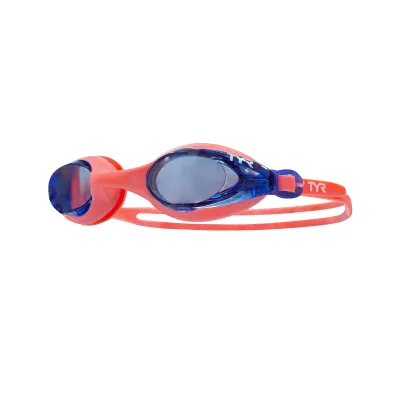
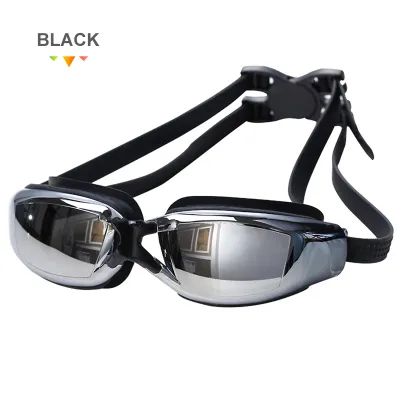
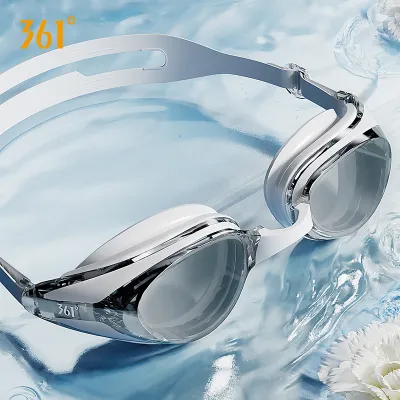
![[SG Stock] Kids Swimming Goggles Quick Release Anti Fog Leak Proof Swim Goggle Easy Wear Adjustable Children UV Google](https://img.lazcdn.com/g/p/4fd6a3bffd2b77d2b8d4cf76d21e1eb1.jpg_400x400q80.jpg_.webp)
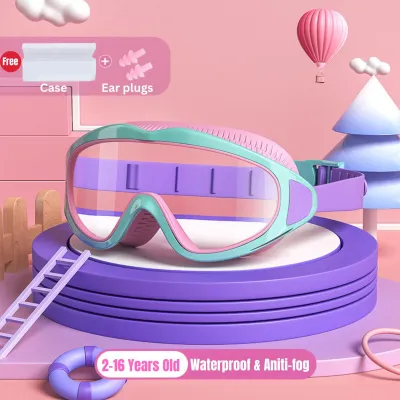

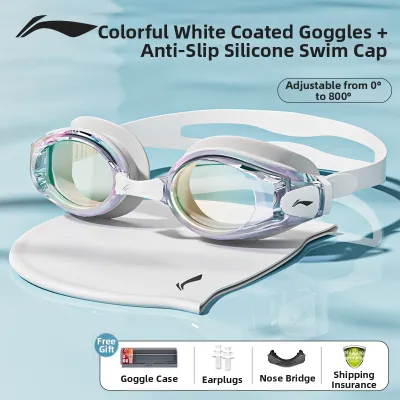
Prices are valid at publication and may change. Please refer to the product page for the latest price.
Understanding Your Swimming Profile and Goggle Requirements
Identifying your primary swimming activity is the first step in selecting the right gear. A competitive lap swimmer requires a highly hydrodynamic design that minimizes drag during starts and turns, whereas a leisure fitness swimmer prioritizes long-wear comfort and a soft seal. Open-water swimmers need a wider field of vision to navigate currents and spot buoys, while youth swimmers require durable, easy-to-adjust models that accommodate developing facial structures.
These distinct profiles map directly to critical goggle design traits. Hydrodynamic shape is achieved through low-profile frames and low-volume lenses that sit close to the eye sockets. Field of vision is determined by lens curvature and size, with larger, curved lenses offering better peripheral awareness. Seal comfort relies on the gasket material, with options ranging from rigid, low-profile silicone to thick, cushioned liquid silicone or even gasketless designs.
When evaluating any brand’s product line, establish a baseline of criteria based on your individual needs. Consider where you swim most frequently, how long your average session lasts, and whether you require vision correction. By matching these personal requirements to the technical specifications of different brand tiers, you can avoid common issues like chronic leaking, painful pressure marks, and premature fogging.
Comparing Popular Goggle Brands by Design and Use Case
Different manufacturers approach goggle design with distinct philosophies, resulting in varied fits across their product lines. Some brands focus heavily on low-profile, rigid-seal designs engineered specifically for racing, where drag reduction is paramount. Other brands prioritize comfort, utilizing softer, wider-vision frames that distribute suction pressure more evenly around the eyes, making them ideal for extended training sessions or recreational swimming.

Brands typically structure their product offerings into clear tiers to help consumers navigate their options. Entry-level models often feature one-piece silicone frames with basic flat lenses, which are cost-effective but offer limited adjustability. Mid-range and premium tiers introduce advanced features such as interchangeable nose bridges, specialized lens coatings, and highly engineered gasket shapes designed to fit a wider variety of facial profiles.
Adjustability is another key area where brand designs diverge. Some manufacturers utilize traditional split-strap systems with tension-locking side clips, while others feature rear quick-adjust buttons or integrated strap channels. When comparing brands, pay close attention to how these adjustment mechanisms operate, as a secure and easily adjustable strap is essential for maintaining a proper seal without causing discomfort.
Brands Focused on Competitive and Fitness Swimming
Racing goggles are characterized by their ultra-low-profile frames, firm gaskets, and streamlined designs. These models are engineered to sit tightly within the eye socket, minimizing water resistance and remaining secure during high-speed dives and flip turns. Many competitive models also feature mirrored lenses, which are designed to reduce glare under bright outdoor pool lights or natural sunlight.
While these hydrodynamic designs offer a clear performance advantage, they often involve a trade-off in long-wear comfort. The firmer, smaller gaskets apply more direct pressure to the orbital bone, which can cause fatigue or discomfort during long training sessions. Swimmers must decide whether the drag reduction of a dedicated racing model outweighs the cushioned comfort of a fitness-oriented design.
Before purchasing competitive goggles, verify if they meet international race-approval standards. Look for the World Aquatics approved logo printed on the packaging or listed in the official product specifications. This certification ensures the goggles comply with international competition rules regarding dimensions, materials, and design, making them eligible for official swim meets.
Brands Designed for Leisure, Open Water, and Comfort
For swimmers who prioritize comfort over absolute speed, leisure and open-water models offer a highly practical alternative. These goggles feature larger eye cups and hybrid mask designs that sit further away from the sensitive areas of the eye socket. The gaskets are typically made from thick, ultra-soft liquid silicone, which distributes suction pressure over a wider surface area to prevent deep red marks.
Open-water swimming demands excellent peripheral vision and robust protection from the elements. Goggles designed for this environment often feature curved lenses that expand your field of view, allowing you to sight landmarks and track other swimmers easily. Additionally, look for polarized or dark-tinted lenses with verified UV 400 protection to shield your eyes from the intense tropical sun during outdoor swims.
Achieving a secure seal in open-water conditions is critical, as stopping to adjust leaking goggles in deep water can be challenging. The ideal open-water goggle balances a reliable seal with low suction pressure. This is achieved through anatomically shaped gaskets that conform naturally to the contours of your face, reducing the need to overtighten the head strap.
Brands Specializing in Youth and Junior Swimmers
Children and junior swimmers have unique anatomical needs that adult goggles cannot accommodate. Manufacturers specializing in youth gear design frames with smaller nose bridges, narrower lens spacings, and shorter strap lengths. These modifications ensure a secure fit on smaller faces, preventing water from leaking into the eyes and causing discomfort or anxiety during swim lessons.
Material safety is a paramount consideration for youth swimming gear. Look for brands that utilize hypoallergenic, medical-grade silicone for their gaskets and straps to minimize the risk of skin irritation. Additionally, ensure the lenses are made from impact-resistant polycarbonate and feature certified UV protection to safeguard young eyes during outdoor activities.
When selecting goggles for a child, parents can use a simple checklist to verify a proper fit. First, press the goggles gently to the child’s face without the strap to check for natural suction. Next, ensure the nose bridge does not pinch or rub the skin. Finally, adjust the strap so it sits comfortably above the ears, holding the goggles secure without pulling the corners of the eyes or causing pain.
Key Specifications to Verify Before You Buy
When shopping for swimming goggles, always inspect the physical and material specifications listed on the product packaging or manufacturer website. The lens material should be high-grade polycarbonate, which offers excellent impact resistance and optical clarity. Check for additional coatings, such as anti-scratch layers, which help preserve the lens surface from damage when stored in your swim bag.
Anti-fog performance is another critical specification to verify. Standard goggles often feature a sprayed-on chemical coating on the inner lens surface, which can wear off after a few weeks of regular use. Premium models may utilize baked-in anti-fog treatments or advanced technologies that can be reactivated by gently swiping the inner lens with your finger under water. Always check the manufacturer’s instructions to understand the care requirements and expected lifespan of the anti-fog layer.
Finally, compare current retail prices in S$ across authorized sports retailers in Singapore to ensure you are getting genuine product quality. Prices typically range from under S$20 for basic leisure models to over S$80 for advanced, race-approved competitive goggles. Purchasing from authorized channels guarantees that the silicone gaskets have been stored in temperature-controlled environments, preventing the material degradation that often affects parallel imports or counterfeit goods sold on unverified online marketplaces.
Fit, Care, and Maintenance for Longevity
To ensure your goggles perform reliably and last as long as possible, you must master the proper fit test and maintenance routine. The “suction test” is the most reliable way to check fit before buying. Press the goggles gently but firmly against your eye sockets without putting the strap over your head. If the goggles adhere to your face and maintain a light suction for a second or two before releasing, the frame shape is a good match for your facial structure.
Proper cleaning is essential to preserve the delicate anti-fog coating on the inside of the lenses. After every swim, rinse your goggles thoroughly with cool, fresh tap water to remove chlorine, salt, sand, and organic residue. Never touch, wipe, or rub the inside of the lenses with your fingers, towels, or cloths, as this will scratch the anti-fog layer and permanently impair visibility.
Storage conditions play a major role in preventing silicone degradation and lens scratching. Allow your goggles to air dry completely in a shaded, well-ventilated area away from direct sunlight. Once dry, store them in a protective hard case or a breathable mesh pouch. Avoid leaving your goggles in high-heat environments, such as a hot car trunk or a sunny balcony, as extreme heat can warp the silicone frame and ruin the elastic straps.
Frequently Asked Questions (FAQ)
How often should swimming goggles be replaced?
Swimming goggles should typically be replaced every 6 to 12 months, depending on how frequently you swim and how well they are maintained. Observable signs that indicate it is time for a replacement include persistent leaking despite strap adjustments, yellowing or hardening of the silicone gaskets, and a loss of elasticity in the head strap. Additionally, if the lenses become heavily scratched or the anti-fog coating no longer functions even after applying anti-fog spray, replacing the goggles will restore clear visibility and safety.
Can prescription swimming goggles be found from major brands?
Yes, many major swimming brands offer pre-made optical or diopter goggles designed for swimmers who require vision correction. These off-the-shelf options typically feature lenses ranging from -1.5 to -8.0 diopters, allowing you to select the strength that closest matches your prescription. When purchasing prescription goggles, verify if the brand allows you to customize the left and right lenses separately if you have different prescriptions for each eye, and ensure the optical center of the lenses aligns correctly with your pupils for comfortable vision.
Community discussion
Share your experience or ask a question. Comments are reviewed before publication.