
Selecting the right swimming goggles case requires balancing physical protection, moisture management, and portability. A high-quality case does more than just hold your gear; it preserves the delicate anti-fog coating on the inside of your lenses and shields the outer surfaces from abrasive contact with keys, zippers, and rough swim bag interiors. In warm, tropical climates like Singapore, where high humidity accelerates mold and mildew growth, ventilation becomes just as critical as impact resistance. By evaluating how you commute, where you swim, and the specific design of your eyewear, you can find a protective solution that extends the lifespan of your equipment.
Core Protection Features to Prevent Lens Scratches and Damage
The primary defense of any swimming goggles case lies in its structural rigidity. Hard-shell cases, typically constructed from molded ethylene-vinyl acetate (EVA) or rigid plastics, offer the highest level of crush resistance. These are ideal if you routinely pack your swim bag tightly or stack heavy items like water bottles and training fins on top of your gear. A solid exterior prevents the frame of your goggles from bending, which can warp the nose bridge or compromise the silicone eye seals over time.
Conversely, soft-shell cases, often made of neoprene, silicone, or padded fabrics, provide excellent scratch protection but minimal crush resistance. These lightweight alternatives work well if you carry your goggles in a dedicated, uncrowded compartment of your backpack or if you prefer a highly flexible pouch that takes up minimal space when empty. However, they leave your lenses vulnerable to external pressure, making them less suitable for chaotic transit environments.
Products mentioned in this guide
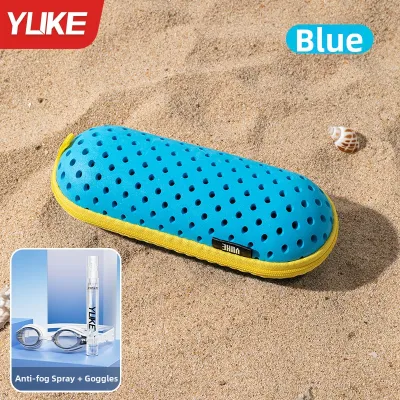
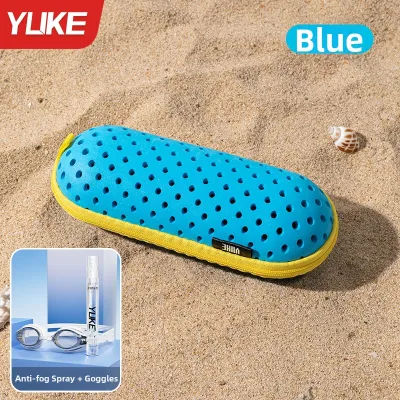
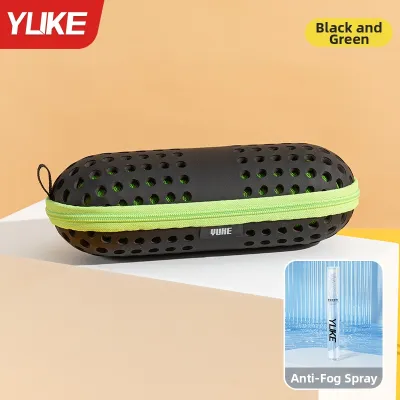
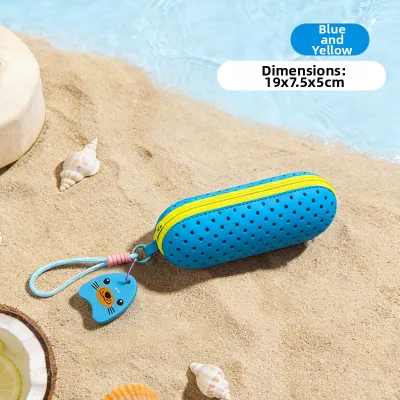
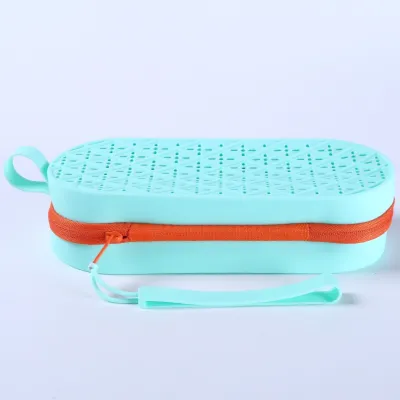
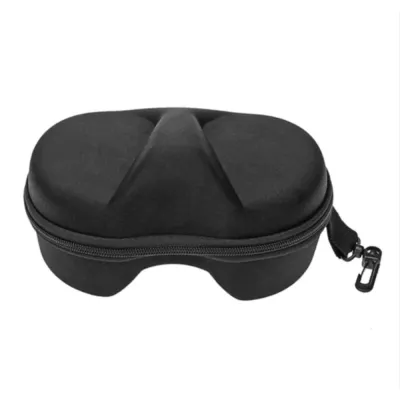
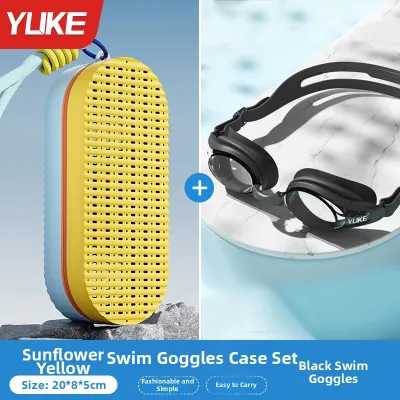
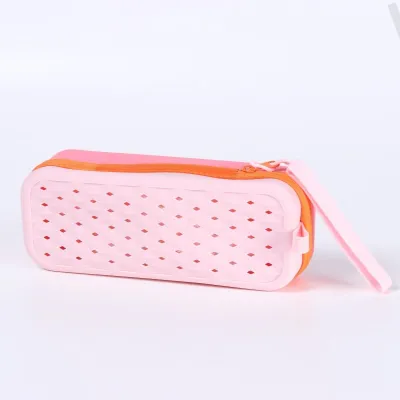
Prices are valid at publication and may change. Please refer to the product page for the latest price.
Beyond the outer shell, the interior lining plays a decisive role in preserving lens clarity. Look for cases lined with soft microfiber, brushed fleece, or smooth, non-abrasive synthetic fabrics. These materials prevent micro-scratches when the goggles shift during transit. Avoid cases with rough, unlined plastic interiors, as even minor friction against a hard surface can wear away the delicate anti-fog chemical layer applied to the inner lenses.
Structural design elements within the case also contribute to overall protection. Some cases feature molded internal compartments or integrated dividers that keep the left and right lenses separated or hold the strap away from the lens faces. This prevents the plastic buckles or adjustment clips on the goggle strap from rubbing against the lenses. Additionally, reinforced edges and shock-absorbing bumpers along the perimeter of the case help disperse the impact if the case is accidentally dropped onto hard pool decking.
Portability and Storage Considerations for Your Swim Bag
The physical footprint of your goggles case should align with the layout of your daily gear bag. Cases come in various shapes, including cylindrical tubes, rectangular boxes, and contoured pouches that mimic the curved profile of the goggles. A contoured design minimizes wasted space, making it easier to slip into side pockets or small organizer compartments. Cylindrical cases often accommodate wider straps or additional accessories but may roll around if placed on flat locker benches.

For commuters navigating public transport or walking to local pools, external attachment options offer significant convenience. Many modern cases feature integrated carabiner clips, heavy-duty strap loops, or durable lanyards. These attachments allow you to clip the case to the outside of your backpack, freeing up internal storage space and keeping your wet gear isolated from dry clothes. Hanging the case externally also exposes it to ambient airflow, which aids in the drying process during your journey home.
Weight and bulkiness represent a classic trade-off for active swimmers. A heavily armored, oversized case provides peace of mind but adds noticeable bulk to a compact commuter bag. If you prioritize a streamlined setup for quick lunchtime swim sessions, a slim, semi-rigid case strikes the best balance. It offers sufficient protection against moderate impacts while remaining light enough to carry without noticing the extra weight.
Matching Case Features to Your Swimming Routine
Your swimming frequency and environment dictate the specific features you should prioritize. Fitness and lap swimmers who visit the pool multiple times a week benefit most from quick-access closures and high-durability materials. If you are constantly packing and unpacking your gear, look for robust, smooth-gliding zippers or magnetic closures that can withstand repetitive daily use. A compact footprint is also advantageous for fitting into standard public pool lockers where space is often limited.
Competitive swimmers and triathletes, who frequently travel with multiple pairs of goggles for racing and training, require a different set of features. For these athletes, rigid, crush-proof multi-goggle cases are highly beneficial. These larger cases often feature dedicated compartments for racing goggles, training pairs, and spare parts like nose bridges or tension adjustment clips. The robust construction ensures that expensive racing gear remains undamaged during long flights or transit in heavy gear duffels.
Open water swimmers and holiday beachgoers face unique environmental challenges, such as sand, salt water, and intense sun exposure. If you swim in natural bodies of water, prioritize cases with secure, dust-resistant locking mechanisms to keep abrasive sand particles away from your lenses. High-visibility colors, such as bright orange, yellow, or neon green, are also highly practical, making the case easy to locate on a crowded beach or in low-light outdoor settings. Additionally, look for materials that resist UV degradation to prevent the case from cracking or fading over time.
Material, Ventilation, and Maintenance Checks
In tropical climates with high humidity, moisture management is the single most critical factor in preventing mold, mildew, and unpleasant odors. A completely sealed, non-porous plastic case traps moisture inside, creating a warm, damp greenhouse effect that rapidly degrades silicone seals and ruins anti-fog coatings. To prevent this, look for cases equipped with dedicated ventilation holes, breathable mesh panels, or open-frame designs that allow air to circulate freely.
The choice of exterior material also affects how quickly your gear dries. Water-resistant or quick-dry synthetic fabrics, such as treated nylon or perforated EVA, allow moisture to escape while protecting the contents from external splashes. If you prefer a solid plastic case, ensure it has multiple drainage ports at the base or sides. Avoid storing wet goggles in solid, unventilated cases for more than a couple of hours, as trapped condensation can cause the anti-fog layer to bubble and peel.
Regular maintenance of the case itself is essential for hygienic gear storage. Over time, chlorine residue, salt water, and sweat can accumulate inside the case, leading to bacterial growth. Choose a case that is easy to clean, preferably one with a washable lining or a molded silicone interior that can be wiped down with a damp cloth. Always check the manufacturer’s care instructions before washing; some cases can be hand-washed with mild soap, while others may require air-drying only to preserve the structural adhesives.
Pre-Purchase Checklist: What to Verify Before Buying
Before purchasing a swimming goggles case online or at a local sporting goods store, perform a thorough compatibility check. First, verify the internal dimensions of the case against the physical measurements of your goggles. Standard cases easily accommodate low-profile racing goggles, but larger wide-fit models, open-water masks, or curved triathlete goggles require significantly more depth and width. Ensure there is enough clearance so the lenses do not press directly against the inner walls of the case when closed.
Next, evaluate the reliability of the closure mechanism. Zippers should be heavy-duty, rust-resistant, and equipped with easy-to-grab pull tabs, especially when handling them with wet or cold hands. If the case uses snap buttons or a friction-fit lid, test the security of the closure to ensure it will not accidentally pop open inside your bag. For zippered cases, look for fabric guards behind the zipper track to prevent the teeth from snagging on your goggle straps or silicone skirts.
Finally, consider your future storage needs. If you plan to carry a backup pair of goggles, a nose clip, earplugs, or an anti-fog spray bottle, verify that the case has additional mesh pockets or sufficient internal clearance to hold these items without crowding the main lenses. Storing accessories loosely alongside your goggles can lead to accidental scratches, so dedicated internal organizer slots are highly desirable.
Frequently Asked Questions (FAQ)
Can I store wet swimming goggles in the case?
Storing wet goggles in a completely sealed case is not recommended, as trapped moisture promotes the growth of mold, mildew, and bacteria, which can ruin the silicone seals and anti-fog coatings. However, if your case features adequate ventilation holes or breathable mesh panels, you can safely use it for short-term transit immediately after your swim. Once you arrive home, always remove the goggles from the case and allow both items to air-dry completely in a well-ventilated, shaded area away from direct sunlight before storing them long-term.
Do I need a hard case for prescription swimming goggles?
Yes, a rigid, hard-shell case is highly recommended for prescription swimming goggles. Because prescription lenses are customized and significantly more expensive to replace than standard lenses, they warrant the highest level of physical protection. A hard-shell case shields the optical inserts or custom-molded lenses from being crushed or scratched by other heavy gear in your swim bag. When choosing a case for prescription goggles, pay close attention to the internal clearance to ensure the lid does not apply any direct pressure to the corrective lenses or their mounting frames.

Community discussion
Share your experience or ask a question. Comments are reviewed before publication.