
Selecting the right swimming noodle involves matching physical dimensions and foam construction to your body size, swimming ability, and water activity. While often viewed as simple pool toys, these foam cylinders vary significantly in performance based on their length, diameter, and core design. Before stepping into the water, it is essential to recognize that swimming noodles are strictly recreational aids. They cannot replace swimming proficiency, active supervision, or certified safety gear. Water safety always depends on personal capability and vigilant observation, especially in deep or open water.
Understanding Key Dimensions: Length and Diameter
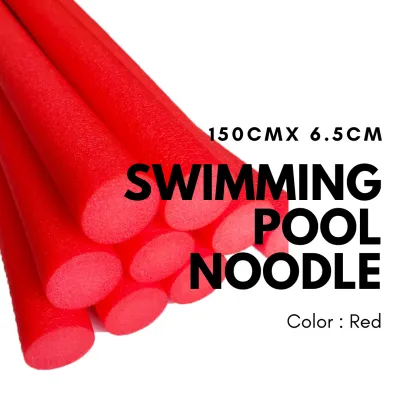
Length directly affects how you interact with a swimming noodle and how easily you can control it in the water. Standard lengths typically range from 120 to 160 centimeters. Shorter noodles are highly maneuverable, making them excellent for children or for adults who want to use them as targeted exercise resistance tools. Longer noodles provide the necessary length to wrap completely around your torso or tuck securely under both armpits, offering stable, full-body support during relaxed floating.
Diameter dictates grip comfort and overall buoyancy. Standard diameters usually fall between 6 and 10 centimeters. A thinner noodle is easier for smaller hands to grasp securely, making it a practical choice for younger swimmers. Conversely, a thicker noodle provides a larger surface area that distributes weight more comfortably under the arms, though it requires a wider hand span to hold.
Products mentioned in this guide
![[SG Stock] Swim Noodle Float 150CM Kid Learn Swimming Pool Aid Water Foam Stick Buoy For Children Adult Tread Water](https://img.lazcdn.com/g/p/c557cf1722ff97da0e8314841b1debdb.jpg_400x400q80.jpg_.webp)
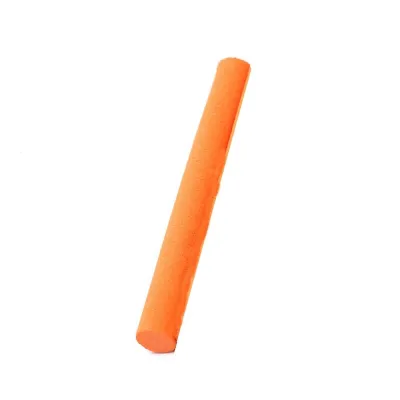
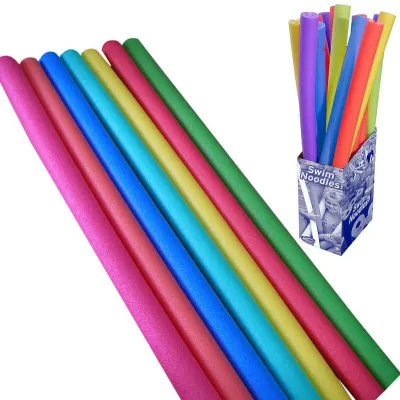
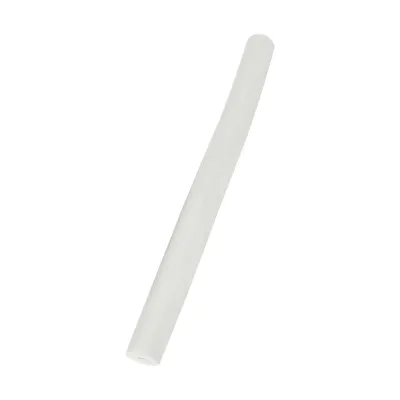
Prices are valid at publication and may change. Please refer to the product page for the latest price.
To ensure a proper fit, always check the exact measurements printed on the product label or packaging. Retailers and online marketplaces often use vague terms like “standard” or “jumbo,” which can vary wildly between brands. Verifying the actual centimeters or inches prevents purchasing an item that is too bulky to hold or too short to support your frame.
Decoding Foam Density and Core Design
The internal structure of a swimming noodle determines its flexibility and longevity. Solid core noodles are filled completely with foam, providing uniform stiffness and high resistance to bending. This solid structure makes them highly durable and less prone to snapping under tension. Hollow core noodles feature a center channel running through the length, which increases flexibility and makes them easier to bend into circular shapes or U-shapes for custom floating positions.

Foam density is the primary driver of flotation capacity. High-density, closed-cell polyethylene or EVA foam contains tightly packed air pockets that resist water absorption, ensuring the noodle remains buoyant even after hours of submersion. Low-density foam is softer and more compressible, but it tends to degrade faster and may waterlog over time, reducing its overall flotation support.
When shopping, look for density indicators and material descriptions on the manufacturer’s packaging. High-quality options often highlight “closed-cell foam” or “UV-resistant materials.” You can also perform a simple physical check: gently squeeze the noodle to assess its firmness, as a denser, high-quality foam will resist compression and spring back to its original shape immediately. Whether you are spending S$5 on a basic model or investing in a premium vinyl-coated option, verifying these material cues ensures long-term value.
Matching Specifications to Your Body and Activity
Your physical profile is a key factor in selecting the right specifications. Larger or heavier users require the robust support of a thicker, solid-core noodle to stay comfortably afloat without the foam bending excessively or sinking too deep. Smaller or lighter individuals can easily utilize thinner, hollow-core options, which offer sufficient buoyancy without feeling overly bulky or difficult to submerge.
The intended activity should also guide your choice. For leisure floating in a condominium or public pool, a flexible, hollow-core noodle allows you to drape your limbs comfortably over the foam. For active swim training or water aerobics, a shorter, high-density solid noodle provides the necessary resistance to challenge your muscles. For water rehabilitation, a stiff, solid-core noodle offers a reliable, stable platform to assist with balance and gentle mobility exercises.
Despite their versatility, swimming noodles have strict safety limitations. They are not designed to keep an unconscious swimmer afloat, nor do they meet the rigorous standards of certified personal flotation devices (PFDs). If you or your family members are non-swimmers, or if you are entering deep or open water, you must use certified life jackets or specialized training equipment rather than relying on a recreational pool noodle.
Verifying Material Quality and Safety Labels
The surface finish of a swimming noodle directly impacts your comfort in the water. Smooth, gloss-coated foam finishes help prevent skin chafing and irritation during extended contact with your underarms or torso. Textured surfaces, such as ribbed or cross-hatched patterns, provide a more secure grip when wet, preventing the noodle from slipping away during active movements.
Always review the manufacturer’s safety warnings, age recommendations, and intended use disclaimers before making a purchase. These labels provide crucial context regarding whether the product is suitable for young children or if it contains materials that require specific care.
Ultimately, reinforcing the boundary between recreation and safety is vital. A swimming noodle is a tool for fun, exercise, and light support, but it is never a substitute for swimming lessons, water vigilance, or professional lifesaving equipment. Ensuring everyone in the pool understands this distinction is the most important step in maintaining a safe aquatic environment.
Frequently Asked Questions (FAQ)
Can I cut a swimming noodle to a custom length?
Yes, you can cut a swimming noodle using standard household tools like a sharp utility knife or a serrated bread knife. To achieve a clean, straight cut, wrap a piece of tape around the noodle as a guide and slice slowly through the foam.
However, modifying the noodle does carry risks. Cutting exposes the inner cells of the foam, which can accelerate water absorption and degradation over time. It also voids any manufacturer warranties and can leave rough, uneven edges that might irritate your skin during use.
Does a hollow core noodle provide less buoyancy than a solid one?
Generally, a hollow core noodle provides less overall buoyancy than a solid core noodle of the same outer diameter because it contains less physical foam material to displace water. The center hole reduces the total volume of water displaced, which directly lowers the upward flotation force.
Rather than guessing based on the core design alone, always check the manufacturer’s packaging for specific buoyancy ratings or user recommendations. Some high-density hollow noodles may still offer excellent support, so verifying the product specifications is the most reliable way to ensure it meets your flotation needs.
Community discussion
Share your experience or ask a question. Comments are reviewed before publication.