
Finding the right table tennis bat in Singapore requires balancing your current skill level with the technical specifications of the equipment. While casual players often look for affordable, pre-assembled bats for recreational games in community centers or residential common areas, developing and competitive players require specialized equipment that supports advanced spin and speed. Comparing brands involves looking past marketing labels and evaluating physical components like wood plies, sponge hardness, and rubber tackiness. This guide breaks down the major brand categories available in Singapore, helping you choose a setup that matches your playing style, budget, and long-term goals.
Understanding Brand Tiers and Market Positioning
Table tennis brands generally target specific segments of the market, ranging from casual backyard players to Olympic-level athletes. Understanding these tiers helps you avoid overpaying for professional features you cannot yet utilize, or conversely, buying a restrictive recreational bat that hinders your skill development.
Recreational and Entry-Level Tiers
Recreational brands focus primarily on durability, ease of use, and affordability. Brands commonly found in general sporting goods stores, such as Decathlon (Artengo) or entry-level Double Fish and DHS models, fit into this category. These bats are almost always pre-assembled at the factory, meaning the rubber is permanently glued to the wooden blade. They use robust, thicker wood plies and less reactive rubbers that prioritize control over speed. This design is highly forgiving, making it easier for beginners to keep the ball on the table without needing precise stroke mechanics.
Products mentioned in this guide
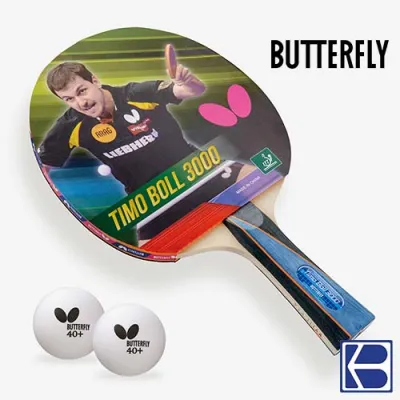
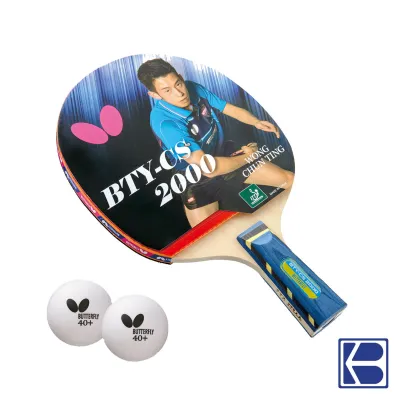
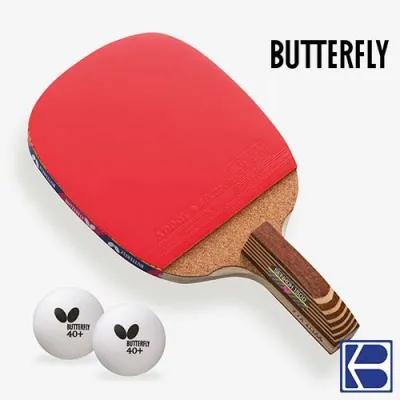
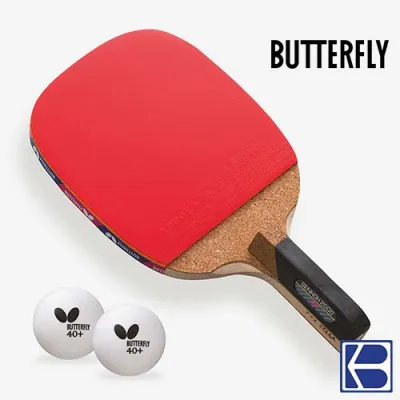
Prices are valid at publication and may change. Please refer to the product page for the latest price.
Intermediate and Club-Level Tiers
Intermediate brands cater to players who are transitioning from casual play to structured training. Brands like Stiga, Yasaka, and mid-range offerings from DHS or Butterfly dominate this space. These bats offer a noticeable step up in spin and speed. The rubbers used are typically approved by the International Table Tennis Federation (ITTF), allowing players to participate in local tournaments. Many intermediate bats are still pre-assembled, but they feature higher-quality wood and more elastic sponges that help players learn how to generate topspin and slice.
Professional and Custom Tiers
Professional brands focus on high-performance, customizable components. Brands such as Butterfly, Nittaku, Victas, and Donic are highly regarded in this tier. Instead of buying a complete bat, players purchase the blade (the wooden handle and head) and two separate rubber sheets individually. This allows players to customize their bat to their exact playing style—for example, choosing a fast, stiff blade paired with a hard sponge rubber on the forehand for attacking, and a softer, high-control rubber on the backhand for defense.
Key Quality Indicators to Compare Across Brands
When comparing brands, relying solely on brand reputation can be misleading. Instead, you should evaluate the physical construction and specifications of the bats. Manufacturers provide detailed technical sheets for their blades and rubbers, which serve as reliable indicators of how the bat will perform.

Blade Composition and Plies
The core of any table tennis bat is the wooden blade, which is constructed from multiple layers of wood (plies) and sometimes composite materials. Most blades consist of 5 or 7 plies of wood.
- All-Wood Blades: These offer excellent feel, vibration feedback, and longer "dwell time" (the fraction of a second the ball remains in contact with the racket). Brands like Yasaka and Stiga are famous for their all-wood blades, which are highly recommended for developing players who need to master ball control.
- Carbon and Composite Blades: Many professional brands integrate thin layers of carbon fiber, arylate, or glass fiber between the wood plies. Carbon stiffens the blade, expanding the "sweet spot" and significantly increasing the speed of the ball. However, carbon blades reduce dwell time and feedback, making them harder to control for players without refined stroke techniques.
Rubber and Sponge Characteristics
The rubber sheets glued to the blade dictate how much spin and speed you can generate. There are two primary styles of rubber to consider:
- Tacky (Sticky) Rubbers: Typically associated with Chinese brands like DHS (particularly the Hurricane series), these rubbers rely on a sticky surface to grip the ball and generate heavy spin. They require a strong, active swing to generate speed but offer exceptional control over short serves and pushes.
- Tensioned (Grippy) Rubbers: Common among European and Japanese brands like Butterfly, Donic, and Yasaka, these rubbers are not sticky to the touch but use high surface grip and elastic sponges to produce spin and speed. They are generally more forgiving and perform well in fast, mid-distance rallies.
- Sponge Hardness: Harder sponges (often favored by advanced players) require fast swing speeds to compress the sponge and activate its speed potential. Softer sponges are easier to compress, offering a higher safety margin and better control for intermediate players.
Handle Ergonomics
The shape of the handle affects how securely you can hold the bat and how easily you can transition between forehand and backhand shots. Brands typically offer three main handle shapes:
- Flared (FL): The handle gets wider toward the bottom. This is the most popular shape in Singapore, as it prevents the bat from slipping out of the hand during powerful swings.
- Straight (ST): The handle has a uniform width from top to bottom. This shape is preferred by defensive players or those who frequently adjust their grip during play.
- Anatomical (AN): The handle features a wave-like contour in the middle to fit the natural shape of the palm, providing a very stable grip.
Evaluating Value: Pre-Assembled Bats vs. Custom Setups
Deciding whether to buy a pre-assembled bat or invest in a custom setup is a major decision point that impacts both your budget and your skill progression.
Initial Cost versus Upgrade Path
Pre-assembled bats offer excellent short-term value. For a relatively low upfront cost (typically between S$20 and S$80), you get a complete, ready-to-play bat. However, these bats have no upgrade path. When your skills improve, or when the rubber wears out, you must replace the entire bat.
In contrast, a custom setup has a higher initial cost, as you must purchase the blade and two rubber sheets separately, along with specialized table tennis glue. However, the blade can last for several years if properly cared for. When the rubbers lose their grip, you only need to purchase replacement rubber sheets, making custom setups highly cost-effective over a two- to three-year period for regular players.
Maintenance and Lifespan in Humid Climates
Singapore’s high humidity poses a unique challenge for table tennis equipment. Moisture in the air can settle on the rubber surface, causing the ball to slip and reducing spin. Rubbers on pre-assembled bats tend to degrade faster under these conditions because they are often made from lower-grade compounds that cannot be easily cleaned or restored.
Custom rubbers are designed with higher-grade materials and can be protected using rubber protective sheets and specialized cleaning foams. If you play regularly in non-air-conditioned community spaces, a custom setup with proper maintenance accessories will maintain its performance far longer than a standard pre-assembled bat.
Performance Ceiling
A pre-assembled bat eventually acts as a bottleneck for developing players. Once you learn the mechanics of looping (hitting the ball with heavy topspin to create a downward arc), the low elasticity and limited grip of factory-assembled rubbers will prevent you from executing the shot effectively. Transitioning to a custom setup provides the necessary grip and sponge rebound to continue advancing your game.
Decision Framework: Matching Brand Categories to Your Playstyle
To choose the right equipment, you must match the brand category to your current playing frequency, skill level, and budget.
If you are a beginner playing occasionally with friends or family, prioritize control and durability. An entry-level pre-assembled bat from a brand like Decathlon or DHS will provide a reliable, low-cost introduction to the sport.
If you play weekly at a community club and are actively trying to improve your spin and consistency, look for intermediate pre-assembled bats or an entry-level custom setup. A classic all-wood blade paired with moderate-tension rubbers will allow you to develop proper stroke habits.
For competitive players who train multiple times a week and have a defined style (such as close-to-the-table attacking or mid-distance looping), a fully custom professional setup is necessary. You should verify your preferences by testing different blade and rubber combinations owned by club members or by visiting specialized retailers before making a major investment.
| Player Profile | Recommended Bat Type | Typical Price Range (S$) | Key Specs to Check |
|---|---|---|---|
| Casual / Beginner | Pre-assembled Recreational | S$15 – S$50 | 5-ply all-wood blade, soft sponge, high control rating |
| Intermediate / Club Player | Pre-assembled Performance or Entry Custom | S$60 – S$150 | ITTF-approved rubbers, 5-ply wood, medium sponge hardness |
| Advanced / Competitive | Custom Blade & Separate Rubbers | S$180 – S$400+ | Carbon/composite layers, high-tension or tacky rubbers, specific handle shape (FL/ST) |
Purchasing and Verifying Authenticity in Singapore
Because table tennis is highly popular in Singapore, counterfeit equipment—especially high-end blades and rubbers from premium brands—is common on online marketplaces. Buying counterfeit gear results in poor performance, as fake rubbers lack the tension and grip of genuine products, and fake blades often use cheap, poorly bonded wood plies.
Authorized Retailers and Official Stores
To ensure you are buying genuine equipment, purchase directly from authorized local sports physical stores or official brand storefronts on major e-commerce platforms. Specialized table tennis shops located in central areas like Bras Basah or community sports hubs are highly reliable, as they source their inventory directly from official distributors. These shops also offer professional gluing services, which is highly beneficial if you are purchasing a custom setup for the first time.
Verifying Security Features
When purchasing premium brands like Butterfly, DHS, or Nittaku, look for official security features on the packaging and the product itself:
- Holographic Stickers: Genuine blades usually feature a holographic sticker on the handle or the box with a scratch-off area revealing a unique security code.
- Serial Numbers: High-quality blades have a serial number laser-engraved on the face of the wood or on the metal tag at the bottom of the handle. You can verify these numbers on the manufacturer's official website.
- ITTF Logo and Number: Ensure the rubber has a clear ITTF registration number molded into the bottom of the sheet. This number can be cross-referenced on the official ITTF database.
Return Policies and Warranties
Before finalizing your purchase, verify the retailer’s return policy. Genuine blades should be free of structural defects, such as splintering wood, uneven surfaces, or loose handle scales. Rubbers should be completely flat without any bubbling or peeling at the edges. Reputable sellers will offer a exchange or refund policy for manufacturing defects, giving you peace of mind when investing in high-quality table tennis gear.
Community discussion
Share your experience or ask a question. Comments are reviewed before publication.