
Quick Answer: Matching Robot Features to Your Skill Level
Selecting a table tennis robot depends heavily on your current playing level and your training space. For beginners, a basic model focusing on consistent speed control, simple horizontal oscillation, and a modest ball capacity is ideal for building muscle memory and mastering basic strokes.
Intermediate and advanced players require multi-spin capabilities, programmable drills, and precise placement to simulate realistic match play. Before purchasing, evaluate your available practice area, as some advanced setups require significant clearance behind the table. Prioritizing the right specifications ensures you invest in a machine that directly supports your development without paying for unnecessary digital extras.
Ball Delivery Specs: Speed, Spin, and Frequency
The core of any table tennis robot lies in how it delivers the ball. Speed range is typically measured in meters per second or general level increments. When evaluating a robot, check the manufacturer manual to ensure the lowest speed setting is slow enough for comfortable stroke development, while the highest setting matches your defensive reaction goals. Fine, adjustable increments are crucial for progressive training, allowing you to gradually increase difficulty without hitting sudden performance walls.
Products mentioned in this guide
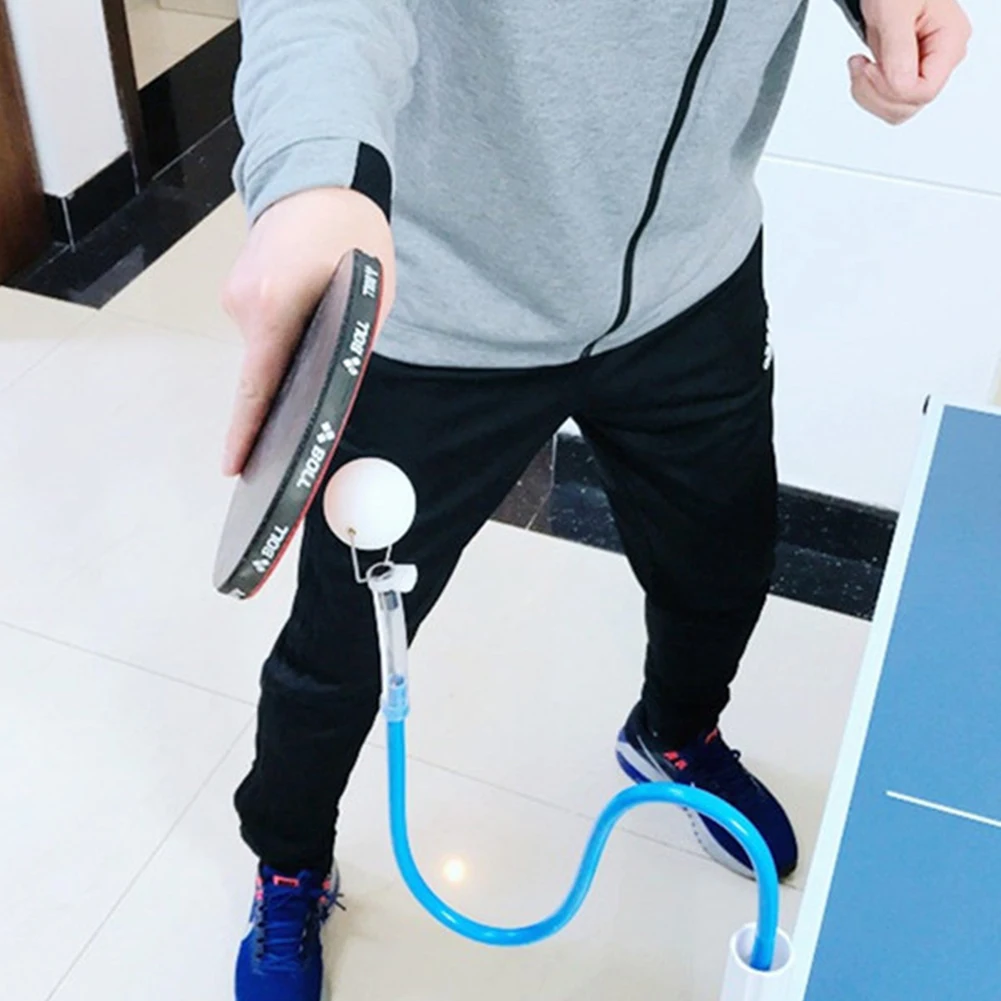
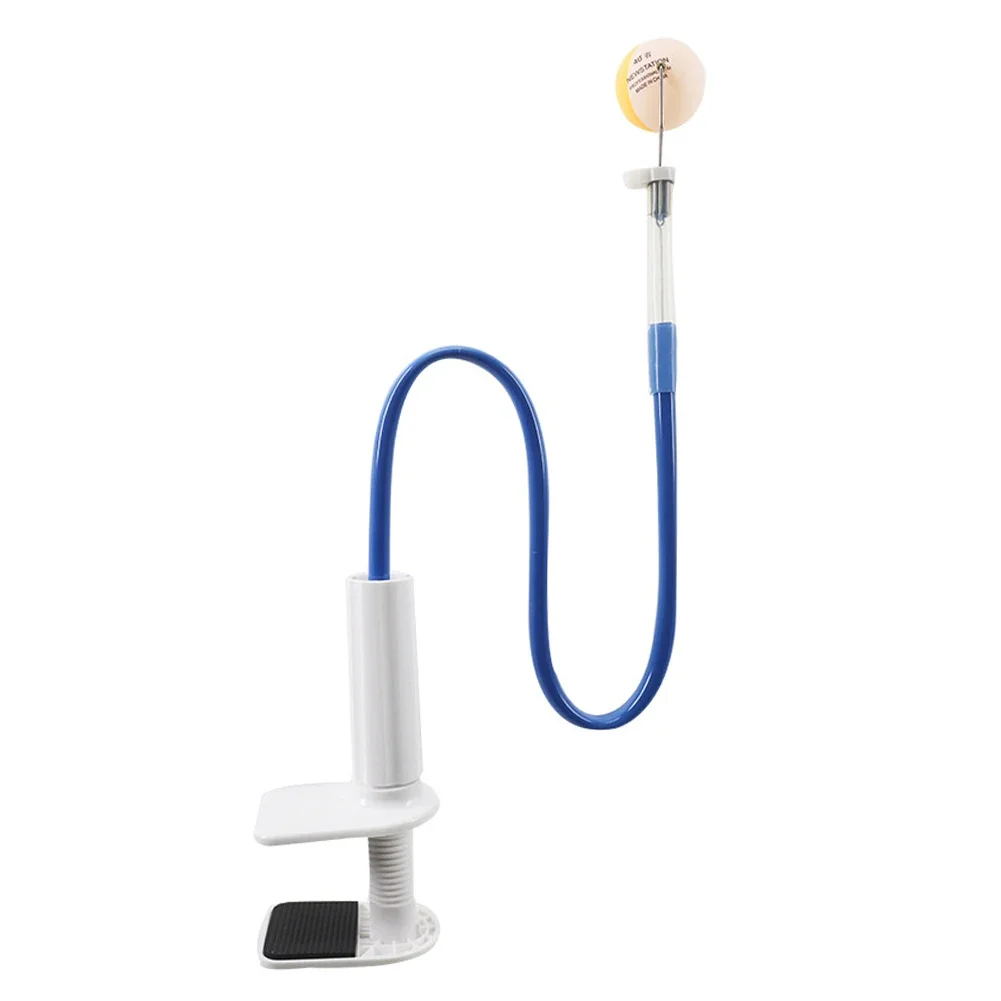
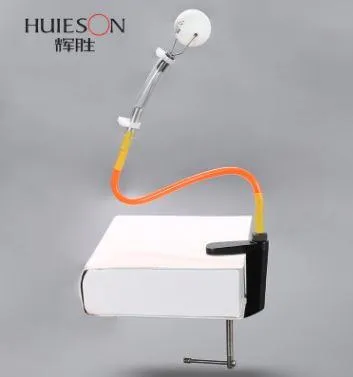
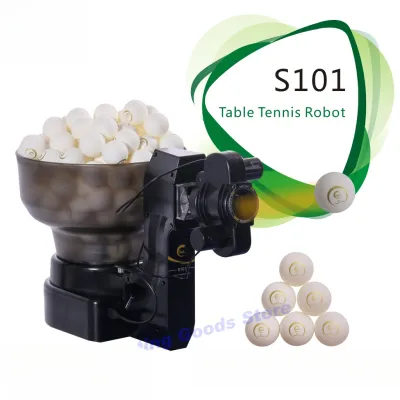
Prices are valid at publication and may change. Please refer to the product page for the latest price.

Spin generation is another critical factor. Basic models often feature a single-wheel design, which can only produce topspin or backspin during a single session unless you manually rotate the robot head. Advanced models utilize dual-wheel or multi-wheel systems, allowing them to generate complex side-spin, no-spin, or combinations of spin types. Always verify these spin capabilities against official product documentation, as marketing terms can sometimes exaggerate how realistically a machine replicates human spin.
Ball frequency, measured in balls per minute, dictates the tempo of your practice. A range of 30 to 85 balls per minute is standard. Lower frequencies allow you to reset your stance and focus on form, while higher frequencies are excellent for cardiovascular conditioning and rapid reaction drills. Be sure to test these claims or watch verified user demonstrations, as some entry-level motors may struggle to maintain consistent frequency when set to maximum spin.
Oscillation and Placement Features
Oscillation determines where the ball lands on the table, which is vital for footwork training. Horizontal oscillation sweeps the robot head left and right, distributing balls across the width of the table. Vertical oscillation adjusts the depth of the delivery, allowing you to practice transitioning between short, delicate touch shots and deep, aggressive drives.
When choosing a robot, consider the difference between random and programmed placement. Random placement forces you to react dynamically, simulating the unpredictability of a live opponent. Programmed placement, on the other hand, delivers balls to specific, pre-determined spots. This is highly effective for practicing specific stroke combinations, such as the classic forehand-to-backhand transition.
Additionally, look for adjustable elevation and head tilt features. By manually or digitally changing the launch angle, you can simulate different shot trajectories. A high launch angle mimics defensive lobs or high chops, while a low, flat angle simulates aggressive drives and smashes.
Ball Capacity, Portability, and Power Options
Physical design and logistics directly impact how often you will actually use your table tennis robot. Ball hopper capacity determines how long you can practice before stopping to collect balls. While a large hopper holding over 100 balls allows for long, uninterrupted training sessions, it also adds significant weight and bulk to the machine.
Power options are another practical consideration. Most standard robots rely on an AC adapter, requiring proximity to a wall outlet. If you plan to use the robot in a multi-table club or an outdoor space where outlets are scarce, look for models that support external battery packs or have built-in rechargeable batteries.
Portability is especially important if you practice in a multi-use space, such as a typical apartment where the table must be folded away after use. Check for lightweight designs, built-in carrying handles, folding net systems, or wheeled bases that make setup and storage quick and hassle-free.
Programming and Smart Connectivity
Modern table tennis robots often feature digital programming and smart connectivity. Pre-set drills are built-in routines designed by coaches to target specific skills. Custom programming allows you to design your own sequences, adjusting the speed, spin, and placement of each individual ball in a sequence.
Remote controls and smartphone app connectivity offer convenient mid-drill adjustments without requiring you to walk around the table. However, rely on these features with caution. Ensure the physical buttons or app interfaces are intuitive and responsive, as clunky software can disrupt your training flow.
Keep in mind that while smart features are highly convenient, they are secondary additions. They do not fundamentally improve core stroke mechanics. If you are on a budget, prioritizing a robust mechanical engine over wireless connectivity is often the wiser choice.
Frequently Asked Questions (FAQ)
Do I need a table tennis robot with a net attachment?
Robots with integrated recycling nets attach directly to the end of the table and automatically collect returned balls, feeding them back into the machine for continuous play. While highly convenient, these net-mounted units can sometimes transmit motor vibrations to the table surface. Freestanding floor models offer greater flexibility, allowing you to position the robot at various distances and angles from the table, though they require a separate collection net. Always check the manufacturer’s specifications to ensure the mounting brackets are compatible with your table’s thickness and net posts.
Can a table tennis robot help improve my footwork?
Yes, a table tennis robot is an excellent tool for footwork development when using horizontal oscillation. Setting the machine to alternate balls between your forehand and backhand forces you to practice lateral movement, side-steps, and recovery positioning. However, robot training should always be combined with physical conditioning and real-match practice. A robot cannot simulate the subtle body language cues, paddle angles, and tactical decision-making of a human opponent, which are essential for developing true match-play anticipation.
Community discussion
Share your experience or ask a question. Comments are reviewed before publication.