
Quick Answer: Which Fishing Bag Fits Your Method?
Selecting the right fishing bag depends on how often you move, where you fish, and the volume of gear you need to carry. There is no single option that excels in every environment, so matching your bag to your physical activity level is the key to a successful outing.
Choose a hard tackle box if you primarily fish from a stationary position, such as a boat deck, a public jetty, or a flat bank. This style offers maximum crush-proof protection and keeps delicate lures organized in rigid, dedicated compartments.
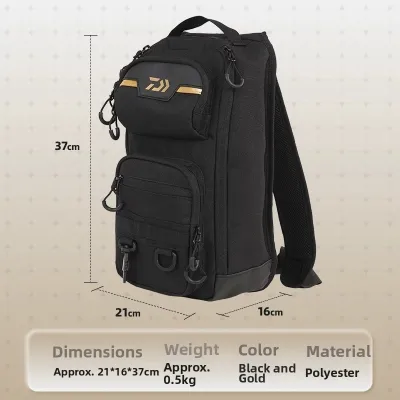
Choose a sling bag if you are an active angler who wades through streams, walks along reservoir edges, or casts along urban canals. The single-strap design allows you to swing the bag to your chest for quick, one-handed access to your terminal tackle without taking the bag off.
Products mentioned in this guide
![🇸🇬 Ocean Pack Dry Bag [SG Ready Stock] Waterproof Backpack Water Proof Dry Sack for Kayaking Hiking Camping Fishing Boating](https://img.lazcdn.com/g/p/f343307c19c963d9ec3de6b941169bfe.jpg_400x400q80.jpg_.webp)
Prices are valid at publication and may change. Please refer to the product page for the latest price.
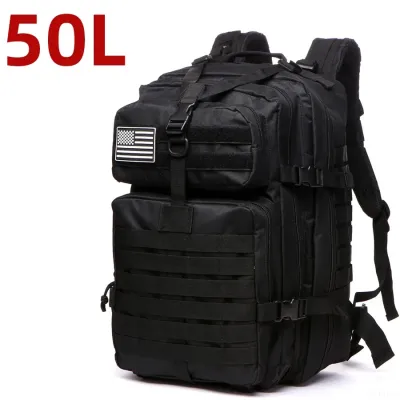
Choose a fishing backpack if you hike long distances to remote spots, fish rocky coastlines, or plan all-day trips. Backpacks distribute heavy loads evenly across both shoulders and provide ample space for non-fishing essentials like water, food, and rain gear.
Hard Tackle Boxes: Evaluating Rigid Organization and Protection
Hard tackle boxes remain a classic choice for anglers who prioritize structural protection and stationary organization. These rigid containers are typically constructed from heavy-duty plastics designed to withstand impacts, heavy weights, and rough handling on boat decks or rocky shores.

Ideal Use Cases This style is best suited for boat fishing, pier fishing, and stationary bank angling. If you do not need to carry your gear over long distances on foot, a hard box provides a stable, self-contained workstation that sits securely on flat surfaces.
Pros to Consider
- Crush-Proof Protection: Hard shells protect delicate, expensive hard baits, soft plastics, and fragile terminal tackle from being crushed underfoot or damaged during transport.
- Customizable Dividers: Most hard boxes feature cantilever trays or pull-out utility drawers with adjustable dividers, allowing you to customize compartment sizes to fit your specific gear.
- Easy Visual Inventory: Opening a hard tackle box reveals your entire inventory at a glance, eliminating the need to dig through deep fabric pockets to find a specific hook or lure.
Cons and Limitations
- Poor Portability: Carrying a heavy, rigid box by a single top handle quickly becomes tiring over long distances, making it impractical for mobile angling.
- No Hands-Free Mobility: You must set the box down to fish or move, which limits your ability to react quickly to changing water conditions.
- No Space for Personal Items: Hard boxes are designed strictly for tackle; they do not offer flexible storage for water bottles, jackets, or lunch.
What to Verify on the Label Before purchasing, inspect the latch mechanism to ensure it is robust and secure. Look for rust-resistant brass or stainless steel hinge pins, especially if you plan to fish in brackish or saltwater environments. Finally, verify that the plastic housing is rated as UV-resistant to prevent the material from becoming brittle and cracking under intense tropical sunlight.
Sling Bags: Assessing Mobility and Quick-Access Needs
Sling bags are designed specifically for the modern, mobile angler who prefers to travel light and stay on the move. Worn over one shoulder, these bags rest securely on your back while you walk and cast, keeping your arms completely free.
Ideal Use Cases Sling bags excel in active fishing scenarios such as wading in shallow coastal waters, walking along reservoir banks, or urban street fishing. If you find yourself constantly changing spots to find active fish, a sling bag keeps your essential gear immediately accessible.
Pros to Consider
- Hands-Free Movement: The bag stays out of the way on your back while casting, allowing for natural arm and torso movement.
- Quick Over-the-Shoulder Access: With a simple sliding motion, you can swing the bag to your front to access zippers and pockets without removing the strap.
- Compact Profile: The streamlined shape minimizes the risk of snagging on low-hanging branches, reeds, or urban railings.
Cons and Limitations
- Limited Total Capacity: Sling bags are compact by design, meaning you can typically only carry a few small utility trays and basic tools.
- Shoulder Fatigue: Because the weight is supported by a single strap, carrying heavy sinkers or large volumes of gear can cause shoulder and neck strain over several hours.
- Less Structural Protection: Soft-sided fabric construction offers minimal protection against heavy impacts or accidental drops.
What to Verify on the Label Check the thickness and breathability of the shoulder strap padding to ensure comfort during long walks. Look for water-resistant zipper ratings, such as polyurethane-coated zippers, to protect your gear from light rain or splashing waves. Additionally, verify the presence of external attachment points, such as D-rings or webbing, for securing pliers, line cutters, and fish grips.
Fishing Backpacks: Planning for Long Hikes and All-Day Comfort
For extended fishing trips that require a mix of tackle, personal gear, and physical endurance, a dedicated fishing backpack is often the most practical solution. These bags combine the ergonomic carrying system of a hiking pack with specialized compartments designed specifically for angling gear.
Ideal Use Cases Backpacks are ideal for hiking to remote jungle streams, walking long stretches of sandy beaches, or spending a full day on the water where returning to a vehicle is not an option. They are also highly useful for anglers who need to carry extra clothing, food, and hydration systems.
Pros to Consider
- Even Weight Distribution: Dual padded shoulder straps distribute the load symmetrically across your back and shoulders, reducing physical fatigue during long treks.
- High Storage Capacity: Backpacks offer large main compartments that can hold multiple large tackle trays alongside personal items.
- Dedicated Compartments: Many models feature separate upper and lower sections, keeping dirty or wet gear isolated from clean clothing and food.
Cons and Limitations
- Slower Access to Tackle: To access your gear, you must stop walking, take the backpack off, and unzip the compartments, which can be inconvenient when wading in deep water.
- Bulkier Profile: The larger size can restrict your casting motion in tight spaces or catch the wind on exposed coastlines.
- Warmth: Wearing a large backpack in hot, humid climates can lead to excessive sweating along your back.
What to Verify on the Label Look for backpacks that feature padded waist or chest straps, which help transfer weight from your shoulders to your hips. Inspect the back panel to ensure it has a breathable mesh design to promote airflow. Finally, check the dimensions of the lower compartment to confirm it matches the size of the tackle trays you already own.
Key Specifications to Verify Before You Buy
When comparing different fishing bags, looking past marketing terms and focusing on objective specifications will help you find a durable product. Use this guide to evaluate the materials and construction details on product spec sheets.
Material and Weather Resistance
- Denier Rating: This measures the thickness of the fabric fibers. For a durable fishing bag, look for nylon or polyester fabrics with a rating of at least 600D (Denier). For rugged environments, 1000D or higher offers superior abrasion resistance.
- DWR Coatings: A Durable Water Repellent (DWR) coating helps water bead up and roll off the fabric surface. For fully waterproof protection, look for bags made from TPU (Thermoplastic Polyurethane) coated materials with welded seams.
- Waterproof vs. Water-Resistant: Water-resistant bags protect against light rain, while fully waterproof bags can survive brief submersion or heavy downpours without leaking.
Compartment Design and Hardware
- Rust-Proof Zippers: Saltwater and high humidity quickly corrode standard metal zippers. Look for molded plastic zippers or nylon coil zippers treated with anti-corrosive coatings.
- Reinforced Stitching: Check for bar-tack stitching at high-stress areas, such as where the shoulder straps attach to the main body of the bag.
- Adjustable Dividers: Ensure internal dividers are secured with high-quality hook-and-loop fasteners so they do not shift under the weight of heavy sinkers.
Comfort and Carry Systems
- Strap Width and Padding: Wider straps distribute weight more effectively. Look for closed-cell foam padding, which resists absorbing water and sweat.
- Waist Belts: For backpacks carrying more than five kilograms of gear, a waist belt is essential for preventing lower back strain.
Maintenance Requirements Always check the manufacturer’s cleaning instructions. To extend the lifespan of your bag, especially after exposure to saltwater, look for materials that can be easily rinsed with fresh water and air-dried. Avoid bags that require specialized chemical cleaners or dry cleaning.
Matching Your Fishing Scenario to the Right Bag Type
To help you visualize how these bags perform in real-world conditions, use the comparison table below to match your typical fishing environment with the most appropriate bag style.
| Fishing Scenario | Recommended Bag Type | Key Reason | Gear to Prioritize | Verify First |
|---|---|---|---|---|
| Urban Canal Fishing | Sling Bag | High mobility on concrete paths; quick casting spot changes. | Light lures, fluorocarbon leader, pliers. | Strap padding comfort and quick-release buckle. |
| Rocky Shore Casting | Fishing Backpack | Keeps hands free for climbing safely over uneven, slippery rocks. | Safety gear, water, spare reels, tackle trays. | Non-slip, water-resistant base material. |
| Freshwater Reservoir Wading | Sling Bag | Keeps gear high on the body and dry while standing in waist-deep water. | Waterproof utility boxes, line cutters. | Zipper water-resistance rating. |
| Offshore Boat Fishing | Hard Tackle Box | Stable base on a moving deck; maximum protection from heavy gear. | Heavy jigs, sinkers, terminal tackle, spare line. | Latch security and rubber gasket seal. |
When evaluating these scenarios, consider any unique travel constraints. For example, if you plan to travel by air for a fishing trip, verify that your chosen backpack or tackle box fits within standard airline carry-on dimensions. If you fish from a small kayak, measure the storage well cargo area before buying a large hard box.
Final Decision Checklist
Use this step-by-step checklist to narrow down your choices and select the perfect fishing bag for your needs.
- Step 1: Define Your Environment and Distance
Calculate the average distance you walk during a typical fishing trip. If you walk less than 500 meters, a hard tackle box is highly practical. If you walk several kilometers, prioritize a backpack or sling bag.
- Step 2: Inventory Your Must-Carry Gear
Lay out all the tackle, tools, and personal items you plan to bring. Measure your existing plastic utility trays to ensure they will fit into the compartments of your prospective bag.
- Step 3: Match Mobility to Access Style
Decide if you need to access your gear while standing in the water or on a steep slope. If yes, choose a sling bag for quick, on-the-go access. If you prefer to sit down and organize, a hard box or backpack is more suitable.
- Step 4: Cross-Reference Specifications
Check the manufacturer’s spec sheet for denier ratings, zipper materials, and water-resistance levels. Ensure the bag fits your budget, whether you are looking at a basic utility option under S$50 or a technical, weather-sealed pack over S$150.
Frequently Asked Questions (FAQ)
Can I use a standard hiking backpack instead of a dedicated fishing backpack?
Yes, you can use a standard hiking backpack for fishing trips, and doing so offers several advantages. Hiking backpacks are often designed with superior ergonomic support, advanced suspension systems, and highly breathable back panels that make carrying heavy loads over long distances very comfortable.
However, standard hiking backpacks lack specialized fishing features. They typically do not have rust-proof plastic zippers, waterproof molded bases to keep the bag dry when set on wet ground, or dedicated slots designed to hold standard plastic tackle trays horizontally.
If you choose to use a standard hiking backpack, you can adapt it by using modular internal organization. Place your lures and terminal tackle inside independent, waterproof utility boxes, and use dry bags to protect sensitive gear from water damage. This setup allows you to enjoy the comfort of a hiking pack while keeping your fishing gear organized and protected.
Community discussion
Share your experience or ask a question. Comments are reviewed before publication.