
How to Choose a Taekwondo Gear Set: Beginners vs. Competitors
Selecting the right taekwondo gear set in Singapore depends on your training stage, sparring intensity, and whether you plan to compete. For beginners, the ideal gear set prioritizes thick shock absorption, high durability, and cost-effectiveness, often found in entry-level lines from brands like Mooto, Adidas, and Daedo. For active competitors, the focus shifts to premium, World Taekwondo (WT) approved gear sets, where lightweight construction, ergonomic fits, and compatibility with electronic scoring systems are mandatory. Balancing these factors ensures you remain protected during high-impact exchanges while optimizing your performance.
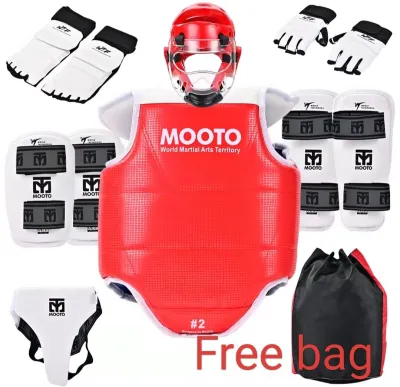
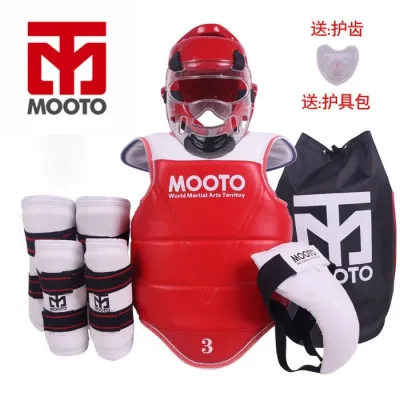
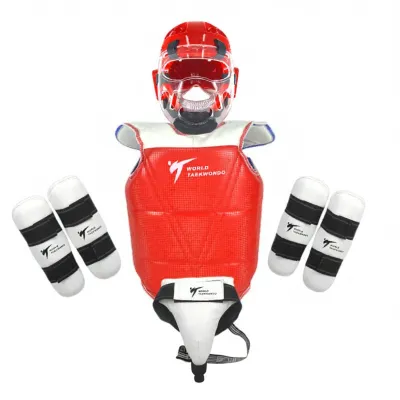
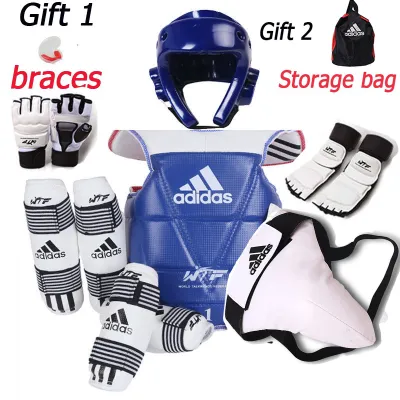
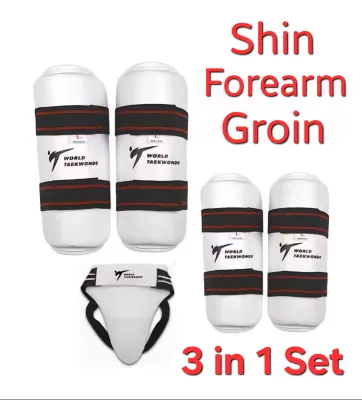
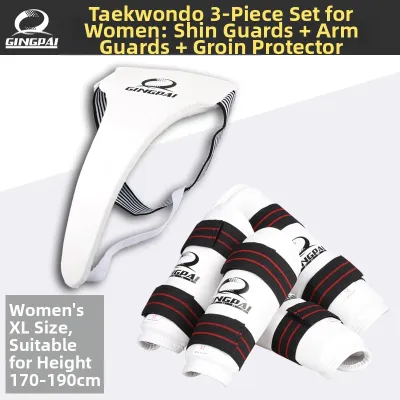
To make an informed decision, it is essential to understand the individual components that make up a complete kyorugi (sparring) gear set. A standard protective bundle includes a head guard, a trunk protector (known as a hogu), forearm guards, shin guards, a groin guard, sparring gloves, and a mouthguard. Some competitive sets also include specialized foot protectors with integrated electronic sensors. Each of these components serves a distinct protective purpose, shielding vital areas from the rapid, powerful kicks characteristic of the sport.
When evaluating these components, the priorities of a beginner differ significantly from those of an elite competitor. Beginners typically require maximum coverage and thick padding to build confidence and cushion accidental, uncontrolled strikes. Because entry-level students are still developing their distance control and defensive timing, their gear must prioritize energy dissipation over weight reduction. Consequently, beginner gear sets tend to use denser, slightly heavier foam layers wrapped in highly durable synthetic materials designed to withstand frequent, repetitive impacts during dojo drills.
Products mentioned in this guide
Prices are valid at publication and may change. Please refer to the product page for the latest price.
In contrast, competitive athletes prioritize speed, agility, and compliance with international tournament rules. For a competitor, every gram of weight matters; heavy gear can slow down a high kick or delay a defensive evasion by fractions of a second. High-performance gear sets utilize advanced, ultra-lightweight foam formulations that offer excellent impact resistance at a fraction of the thickness and weight of entry-level gear. Furthermore, competitive gear must bear the official WT approval mark and be designed to integrate seamlessly with electronic scoring technologies used in local and international tournaments.
Training frequency and sparring intensity also dictate the choice of materials and closure systems. If you train once or twice a week, standard polyurethane (PU) leather covers and thick elastic velcro straps are highly practical. Velcro allows you to suit up quickly during class transitions and adjust the fit on the fly. However, if you are training daily at a high intensity, velcro straps can lose their grip over time due to sweat accumulation and constant adjustment. In these cases, competitors often look for premium gear sets featuring heavy-duty, reinforced strap mechanisms or lace-up hogus that provide a locked-in, unyielding fit during long, intense sparring sessions.
Best Taekwondo Gear Brands for Beginners
For those starting their martial arts journey in Singapore, choosing a brand that offers a reliable entry-level taekwondo gear set is crucial for safety and confidence. Beginners, including growing children and adult hobbyists, need gear that provides robust protection without requiring a massive financial investment. Brands that cater to this segment focus on producing highly adjustable, durable, and easily maintained protective equipment. These entry-level sets are engineered to absorb the impact of standard practice kicks while ensuring the wearer remains comfortable during long training sessions in hot and humid conditions.

In Singapore’s tropical climate, managing heat and sweat is one of the most critical considerations for any martial artist. Standard synthetic leathers can trap heat and moisture, leading to discomfort, skin irritation, and the rapid buildup of unpleasant odors. Beginner-friendly brands address this by incorporating breathable fabrics, mesh panels, and moisture-wicking inner linings into their guards and headgear. Easy-to-clean outer shells made of high-quality polyurethane (PU) allow practitioners to quickly wipe down their gear after a sweaty session at the dojo, preventing moisture from seeping into the underlying foam.
Top Brand Characteristics for Casual Practice
When exploring options for casual practice, several reputable martial arts brands stand out for their excellent entry-level lines. Brands like Adidas (with their Club or Rookie series), Mooto (Basic lines), and Daedo offer comprehensive bundled sets that provide a significant discount compared to purchasing each piece of protection individually. These brands have decades of experience in martial arts manufacturing, ensuring that even their budget-friendly options meet basic safety standards and anatomical shapes.
Key Features for Entry-Level Sets:
- Velcro Closures: Wide, highly adjustable velcro straps allow beginners to suit up quickly without assistance and accommodate a wider range of body shapes.
- Thick Foam Padding: Dense padding cushions the force of kicks from partners who may not yet have mastered control over their power, building confidence during light contact.
- Durable Outer Shells: High-tensile PU synthetic leather resists tearing and cracking even when subjected to frequent washing and rough handling.
Pre-Purchase Checks for Entry-Level Gear
Before purchasing your first entry-level taekwondo gear set, performing a few physical checks can prevent discomfort and injury. First, inspect the elasticity and stitching of all straps; the elastic should feel firm and snap back into place quickly, and the stitching at the attachment points should be reinforced to prevent tearing under tension. When trying on the trunk protector (hogu), ensure it allows you to rotate your torso fully and bend at the waist without the top edge pushing up against your chin or throat.
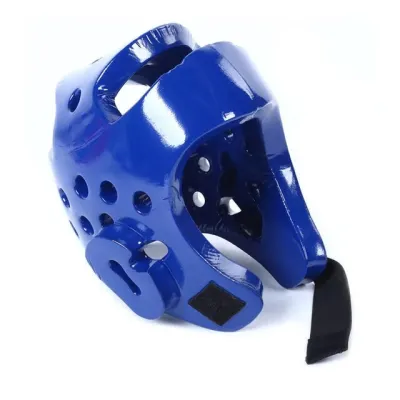
Additionally, pay close attention to the fit of the headgear. It should sit snugly on your head without squeezing your temples, and it must provide clear, unobstructed peripheral vision so you can spot incoming kicks. The ear sections of the head guard should feature adequate ventilation holes that protect the ears from impact while ensuring your hearing is not muffled, allowing you to hear your instructor’s commands clearly. Finally, always consult the brand’s specific size chart rather than assuming your size is universal, as a medium in one brand may fit like a small in another.
Best Taekwondo Gear Brands for Competitors
For advanced practitioners and active competitors in Singapore, the criteria for selecting a taekwondo gear set become much more stringent. Competitive sparring demands rapid footwork, explosive kicks, and continuous movement, meaning any excess weight or restriction of motion can directly impact tournament outcomes. Consequently, competitors must look to premium brand tiers—specifically the high-end competition lines from Daedo, Mooto, and Adidas—which are engineered to meet the rigorous demands of elite athletic performance.
The defining factor for any competitive gear set is official certification. To step onto the mat at any sanctioned local tournament, such as those organized by the Singapore Taekwondo Federation (STF), or international World Taekwondo (WT) events, your gear must feature the official WT approved logo. This certification guarantees that the equipment has undergone strict safety and quality testing, ensuring uniform protection levels across all competitors. Using non-approved gear in a formal tournament will result in immediate disqualification before you even begin your match.
Top Brand Characteristics for Formal Sparring
Premium competition gear sets distinguish themselves through the integration of cutting-edge materials and ergonomic design. Brands like Daedo and Mooto utilize high-density, ultra-lightweight closed-cell foams that provide exceptional impact protection while keeping the overall profile of the gear incredibly slim. This reduction in bulk and weight minimizes fatigue during multi-match tournaments, allowing athletes to maintain their speed and explosive power throughout the day. The ergonomic contouring of these protectors is designed to follow the natural curves of the body, facilitating unrestricted hip rotation and rapid, high-reaching kicks.
Another critical consideration for modern competitors is compatibility with electronic Protector and Scoring Systems (PSS). In contemporary taekwondo tournaments, scoring is determined electronically through sensors embedded in the protective gear and the competitor’s foot socks. For example, Daedo’s e-hogu and e-headgear systems require specialized magnetic or electronic sensors that register the exact impact force and location of a kick. When purchasing a competition gear set, athletes must verify whether the tournament uses Daedo or KP&P electronic systems, as the gear and sensor socks are not cross-compatible and must match the specific system deployed by the event organizers.
Furthermore, competition-grade gear often features advanced moisture management systems. High-intensity matches generate significant sweat, which can make gear heavy and slippery. Premium brands use specialized, non-absorbent inner linings that repel sweat rather than absorbing it, ensuring the gear remains lightweight from the first round to the last. These linings also dry incredibly quickly, which is a major advantage during long tournament days where you may have to fight multiple times with short breaks in between.
Competition Compliance and Fit Verification
When preparing for a tournament, verifying the compliance and fit of your competition gear set is a non-negotiable step. Athletes must physically inspect each piece of gear to ensure the WT approval stamp is clearly visible and undamaged. Additionally, you must verify the color requirements of the tournament; while some events allow reversible red and blue hogus, major competitions often require separate, dedicated red and blue protectors. You must also ensure that auxiliary gear, such as the groin guard and mouthguard, complies with STF regulations—for instance, many tournaments mandate clear or white mouthguards and prohibit colored or patterned designs.
The fit of competition gear must be exceptionally snug and precise. A loose trunk protector can shift during a dynamic exchange, not only exposing vital scoring areas to your opponent but also potentially failing to register your own successful defensive blocks on the electronic scoring system. The hogu should feel like a second skin, wrapping tightly around your ribcage without restricting your breathing. Similarly, forearm and shin guards must be secured tightly to prevent them from twisting around your limbs when blocking heavy kicks, which could lead to painful bone-on-bone contact and serious injury.
Where to Buy and Maintain Taekwondo Gear in Singapore
Sourcing a high-quality taekwondo gear set in Singapore requires choosing the right purchasing channels to ensure authenticity, proper fit, and fair pricing. For most practitioners, visiting specialized local martial arts supply stores is highly recommended. Physical stores located in retail hubs like Queensway Shopping Centre or dedicated martial arts distributors across Singapore allow you to try on different brands and sizes in person. This hands-on experience is invaluable, as it allows you to feel the weight of the gear, test the comfort of the headgear, and ensure the hogu fits your torso perfectly before making a financial commitment.
Alternatively, purchasing through brand-official online stores or authorized regional distributors provides peace of mind regarding product authenticity, which is especially critical for expensive WT-approved competition gear. While major e-commerce platforms and online marketplaces offer convenience, competitive pricing, and a wide selection of replacement parts, buyers must exercise caution. When shopping online, always verify the seller’s credentials, read detailed user reviews, and double-check the return policy in case the gear does not fit as expected upon delivery.
Once you have invested in a quality taekwondo gear set, proper maintenance is essential to preserve its protective integrity and hygiene, particularly in Singapore’s hot and humid climate. Sweat-soaked gear left in a closed gym bag is a breeding ground for bacteria, mold, and persistent odors that can ruin synthetic leather and degrade internal foam. After every training session, remove your gear from your bag immediately. Wipe down all synthetic leather surfaces with a damp cloth and a mild, non-abrasive soap or a specialized antibacterial sports spray designed for athletic equipment.
To dry your gear, place it in a well-ventilated, shaded indoor area with good airflow, such as near an open window or under a ceiling fan. Never expose your sparring gear to direct, harsh sunlight for extended periods, as ultraviolet (UV) rays will dry out and crack the synthetic leather cover and cause the internal shock-absorbing foam to become brittle and lose its protective qualities. For storage and transport, use a breathable mesh gear bag rather than a solid plastic or nylon duffel. The mesh design allows air to circulate continuously, helping to keep your gear dry, fresh, and free from mold buildup between training sessions.
Frequently Asked Questions (FAQ)
Do beginners need World Taekwondo (WT) approved gear?
Beginners do not strictly need World Taekwondo (WT) approved gear for their day-to-day training, basic drills, and light dojo sparring. Non-certified gear sets from reputable brands offer excellent protection and durability at a much lower price point, making them ideal for those testing their interest in the sport. However, if you plan to enter any official, sanctioned tournaments in Singapore, you will eventually need to upgrade to a WT-approved set, as tournament organizers mandate certified gear for safety and compliance.
How often should I replace my taekwondo sparring gear?
You should replace your taekwondo sparring gear based on its physical condition rather than a set timeframe. Inspect your gear regularly for signs of wear, such as compressed or hardened foam that no longer absorbs impact, deep cracks or peeling in the synthetic leather shell, frayed velcro straps that easily come undone, or stretched-out elastic bands. Additionally, if the gear has developed a persistent, deep-seated odor that survives thorough cleaning, or if a growing practitioner has outgrown the equipment, it is time for an immediate replacement to ensure safety and hygiene.
Can I use the same gear set for both poomsae and kyorugi?
You cannot use the same gear set for both disciplines because their equipment requirements are entirely different. Kyorugi (sparring) requires a full protective gear set, including a hogu, headgear, gloves, and limb guards, to shield you from high-impact contact. Poomsae (forms), on the other hand, is a non-contact discipline focused on precision, technique, and presentation. Poomsae practitioners only require a specialized, lightweight competition uniform (dobok) and do not wear heavy sparring armor, making a sparring gear set completely unnecessary for forms-focused training.
Community discussion
Share your experience or ask a question. Comments are reviewed before publication.