
Direct Answer: Is Tai Chong Kok the Right Choice for Your Practice?
Choosing the right martial arts uniform in Singapore depends entirely on your specific discipline, training intensity, and aesthetic preferences. If you practice traditional Chinese martial arts such as Tai Chi, Wushu, or Qigong, Tai Chong Kok is an exceptional and highly specialized choice. This heritage brand offers authentic cuts, traditional frog-button closures, and natural fabrics like silk, cotton, and linen blends that are specifically tailored to facilitate the flowing, unrestricted movements of internal and external Chinese arts.
Conversely, if your training focuses on modern combat sports or high-impact grappling—such as Brazilian Jiu-Jitsu (BJJ), Judo, Karate, Taekwondo, or Mixed Martial Arts (MMA)—Tai Chong Kok is not the appropriate choice. Modern combat disciplines require heavily reinforced, high-tensile fabrics like ripstop, pearl weave, or heavy cotton canvas designed to withstand intense friction, pulling, and grabbing. For these practices, mainstream combat sports brands that specialize in structured, high-durability gear are far more suitable.
Ultimately, you should choose Tai Chong Kok if you prioritize traditional aesthetics, natural breathability, and a loose, flowing drape for forms and solo practice. If your sport involves high-impact sparring, throws, or strict dojo branding rules, you should opt for a specialized modern combat brand. Below, we break down the heritage, design mechanics, material performance, and purchasing steps to help you make an informed decision for your martial arts journey in Singapore.
Products mentioned in this guide
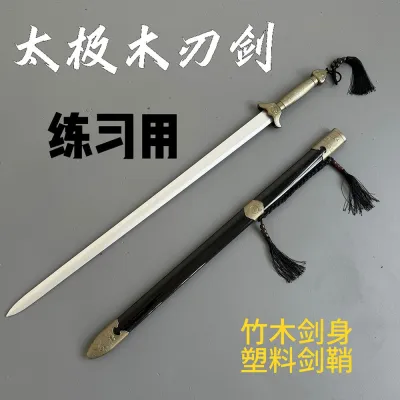
Prices are valid at publication and may change. Please refer to the product page for the latest price.
Understanding Tai Chong Kok: Heritage and Traditional Specialization
Tai Chong Kok holds a unique and respected position in Singapore’s martial arts landscape. While many modern sporting goods stores focus on mass-produced, Western-style athletic wear, this local establishment has preserved the art of traditional Chinese tailoring. For decades, it has served as a primary destination for practitioners of traditional Chinese martial arts who require garments that reflect the cultural heritage and functional demands of their disciplines.

The brand’s product range is highly specialized, focusing on Tai Chi suits, Wushu performance wear, and traditional training jackets and pants. These garments are distinct from modern athletic wear in both construction and purpose. Rather than clinging to the body or providing compression, traditional Chinese martial arts uniforms—often referred to as Yifu—are designed to hang loosely, creating a clean silhouette that emphasizes the alignment of the spine and the fluid transition between stances.
Design philosophy is central to Tai Chong Kok’s appeal. Traditional uniforms feature distinctive elements such as hand-tied Mandarin knot buttons (frog closures), high mandarin collars, and wide, open cuffs. The trousers are constructed with a deep gusset and elasticated or drawstring waists, allowing for maximum hip mobility. For Wushu practitioners, the uniforms often incorporate vibrant colors, satin finishes, and intricate embroidery designed to catch the light during dynamic, acrobatic demonstrations and national competitions.
Because traditional tailoring relies heavily on precise draping and classic fabric selections, local shops of this nature often provide custom tailoring or minor alteration services to ensure a perfect fit. However, because fabric availability, tailor schedules, and customization options can vary throughout the year, it is highly recommended that you contact the store directly to verify current lead times and bespoke services before planning a visit. This ensures you receive accurate information regarding fabric stocks, especially if you require premium materials like natural silk.
Core Comparison Dimensions: Traditional vs. Modern Uniforms
To decide between a traditional uniform from Tai Chong Kok and a modern combat sports uniform, you must evaluate how different designs perform under specific physical demands. The differences span three main dimensions: discipline compatibility, material performance in Singapore’s climate, and long-term pricing value.
Discipline and Style Compatibility
The physical mechanics of your chosen martial art dictate the structural design your uniform must have. Traditional Chinese martial arts emphasize deep stances, low sweeps, and fluid, continuous movements. Tai Chong Kok uniforms accommodate these mechanics through an exceptionally loose, oversized cut. The fabric does not resist the body; instead, it flows with the practitioner, ensuring that movements like the Pu Bu (flat stance) or high kicks can be executed without any tension in the groin or thighs.
In contrast, modern combat uniforms are engineered for high-friction contact and structural resistance. A Brazilian Jiu-Jitsu gi or a Judo judogi is designed to be grabbed, pulled, and used as leverage for throws and submissions. These uniforms feature thick, reinforced lapels, double-layered knees, and heavy-duty stitching that can withstand hundreds of kilograms of pulling force. Wearing a loose, lightweight traditional uniform to a grappling class would result in immediate fabric failure and potential safety hazards, as loose fabric can easily trap fingers or toes during a roll.
Furthermore, school and organizational regulations play a critical role in your choice. Many modern martial arts academies in Singapore enforce strict uniform policies, mandating that students wear specific colors, official school patches, or approved brands. Traditional associations and community club Tai Chi groups may also have color preferences, often reserving specific colors for instructors or advanced grading levels. Always check your dojo or association’s uniform guidelines before purchasing to ensure your gear complies with their training and competition standards.
Material, Comfort, and Climate Suitability
Singapore’s tropical climate, characterized by high temperatures and relative humidity levels often exceeding 80 percent, makes fabric selection a primary comfort consideration. Traditional uniforms from Tai Chong Kok frequently utilize natural fibers such as cotton, linen, and lightweight silk blends. Linen and light cotton are highly breathable, allowing air to circulate close to the skin and helping to cool the body during long, meditative Tai Chi sessions in outdoor parks or non-air-conditioned community halls.
Modern combat uniforms, on the other hand, rely on heavy-weight cotton canvas or synthetic polyester-cotton blends. A standard Karate gi or BJJ gi can weigh anywhere from 300 to 550 grams per square meter (gsm). While these heavy fabrics are incredibly durable, they trap heat and absorb significant amounts of sweat, becoming heavy and stiff during intense training sessions. Some modern brands incorporate synthetic moisture-wicking panels or lightweight ripstop fabrics to combat this, but they lack the soft, natural drape of traditional fibers.
While natural fabrics offer superior comfort in the heat, they demand careful maintenance. Silk, while visually stunning for demonstrations, is highly delicate; it does not tolerate heavy sweating well, as sweat acids can weaken the natural protein fibers over time. It also requires specialized hand-washing or dry cleaning. Cotton and linen are prone to significant shrinkage if washed in hot water or machine-dried. Practitioners must physically check the garment’s care labels for shrinkage rates, breathability, and specific washing instructions before making a purchase to avoid ruining their investment.
Pricing Structure and Value Evaluation
The financial commitment of purchasing a martial arts uniform varies significantly between traditional, specialized shops and mass-produced athletic brands. Traditional establishments like Tai Chong Kok often utilize a tiered pricing structure. The cost is determined primarily by the grade of the fabric—ranging from affordable, everyday synthetic blends to premium, hand-woven natural silk—and whether you opt for off-the-rack sizing or a customized, tailored fit.
Mainstream combat sports brands typically operate on a fixed retail pricing model. Because these uniforms are mass-produced in standardized sizes across global factories, prices are highly predictable and categorized by model and weave weight. While this makes online comparison straightforward, it means that if the standard sizing does not align perfectly with your body proportions, you will need to seek independent alteration services in Singapore, adding to the initial retail cost.
When evaluating value, consider the total cost of ownership rather than just the upfront price. A premium, custom-fitted traditional uniform requires a higher initial investment and ongoing maintenance costs, but it provides a perfect fit and exceptional comfort tailored specifically to your body’s movements. A standardized, mass-produced combat gi may have a lower entry price, but its durability is offset by its rigid fit and the potential need for professional alterations to shorten sleeves or trousers to meet safety standards.
Where to Buy and What to Verify Before Purchasing
For martial artists in Singapore, purchasing a uniform is best done through a combination of physical inspection and careful online verification. Visiting a physical storefront remains the gold standard for traditional garments. Traditional sizing systems do not align with modern Western athletic sizing; a “Medium” in a traditional Chinese cut may have completely different chest, shoulder, and sleeve proportions compared to a standard sportswear brand. Trying on the uniform in-person allows you to test the drape, ensure the trousers do not drag on the floor during deep stances, and feel the weight of the fabric against your skin.
If you prefer to purchase via official brand websites or authorized ecommerce platforms, you must approach the transaction with precise measurements. Do not rely on generic S, M, L, or XL labels. Instead, use a flexible measuring tape to record your exact chest circumference, waist, hip width, and inseam. Compare these measurements directly against the detailed size charts provided on the product pages, keeping in mind that traditional pants are designed to be worn much higher on the waist than modern athletic trousers.
Before finalizing any purchase, run through a strict pre-purchase checklist to protect your investment:
- Verify the Return and Exchange Policy: Customized, tailored, or altered garments are almost universally non-refundable and non-exchangeable. Ensure you understand the store's policy regarding off-the-rack returns if the fit is incorrect.
- Confirm Fabric Composition: Carefully read the product specifications online or ask the shop staff to confirm the exact blend. A polyester-cotton blend offers high durability and low maintenance, while pure cotton or linen offers superior breathability but requires gentle care.
- Check Lead and Delivery Times: If you are purchasing a uniform for an upcoming grading, performance, or competition, confirm whether the item is in stock or made-to-order. Tailored traditional garments can take several weeks to complete, and shipping times from specialized workshops must be factored into your timeline.
Final Decision Framework: Matching the Uniform to Your Training
To make your final decision, match your training requirements against the specific characteristics of each uniform type. Use the following conditional framework to guide your purchase:
- Choose Tai Chong Kok if:
- Your primary discipline is Tai Chi, Wushu, Qigong, or traditional Chinese kung fu.
- You require a loose, flowing cut that allows for completely unrestricted hip and shoulder mobility during forms practice.
- You prefer natural, highly breathable fabrics like cotton, linen, or silk to manage heat in Singapore's humid climate.
- You value traditional aesthetics, hand-tied knot buttons, and authentic heritage styling.
- Choose mainstream combat brands if:
- Your training involves Brazilian Jiu-Jitsu, Judo, Karate, Taekwondo, or high-impact sparring.
- Your uniform must withstand intense pulling, grabbing, friction, and frequent high-temperature washing.
- You require reinforced stitching, double-layered fabric zones, and heavy-weave canvas.
- Your academy or competition association mandates specific brand logos, patch placements, or standardized uniform designs.
- Verify first if:
- You are purchasing for a rapidly growing child, where off-the-rack synthetic blends with room for growth are more practical than custom tailoring.
- You are preparing for a sanctioned tournament, as both traditional and modern competitions have strict rules regarding sleeve length, trouser length, and fabric colors.
Frequently Asked Questions (FAQ)
Can I use a traditional silk or cotton uniform for sparring or grappling?
No, traditional silk or lightweight cotton uniforms are highly unsuitable for grappling, throwing, or heavy contact sparring. These fabrics lack the tensile strength and reinforced stitching required to withstand pulling and friction, meaning they will tear easily under stress. Furthermore, loose, lightweight fabric poses a safety risk as fingers, toes, or limbs can easily become entangled during close-contact training. For high-impact or grappling disciplines, you must use purpose-built, heavy-weave combat uniforms designed specifically to ensure safety and durability.
How should I care for and wash traditional martial arts uniforms?
Traditional uniforms made from natural fibers require gentle maintenance to preserve their fit and fabric integrity. You should hand-wash these garments in cold water using a mild, pH-neutral detergent, avoiding any harsh bleaches or fabric softeners. Hang the uniform to air-dry naturally away from direct sunlight, as intense UV rays can fade natural dyes and weaken delicate fibers like silk. Always check the specific care label sewn into your garment before washing, as different fabric blends have unique temperature and ironing constraints that must be followed to prevent shrinkage.
Community discussion
Share your experience or ask a question. Comments are reviewed before publication.