
For beginner tennis players, the choice between a dedicated tennis ball basket and a simple mesh bag comes down to how you train, not just how long you have been playing. If your court time consists of casual rallies with a partner using a dozen balls, a lightweight mesh bag is perfectly sufficient. However, if you are transitioning to structured, high-repetition solo practice, serve drills, or working with a coach, a tennis ball basket quickly becomes an essential tool rather than a luxury.
Making the wrong choice can lead to unnecessary physical strain, wasted court time, or money spent on gear that sits unused. To find the right balance, you must evaluate your practice routine, your transportation limits, and your long-term athletic goals.
Assess Your Practice Routine: The Core Deciding Factor
The progression of a beginner tennis player typically moves through several distinct phases. In the earliest stages, you might focus on casual rallying, wall practice, shadow swings, and introductory multi-ball drills. Each of these activities demands a different volume of tennis balls, which directly dictates your carrying and storage needs.
Products mentioned in this guide
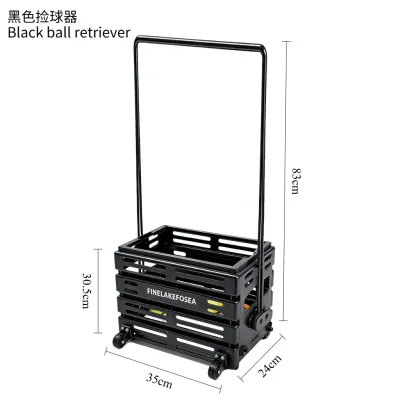
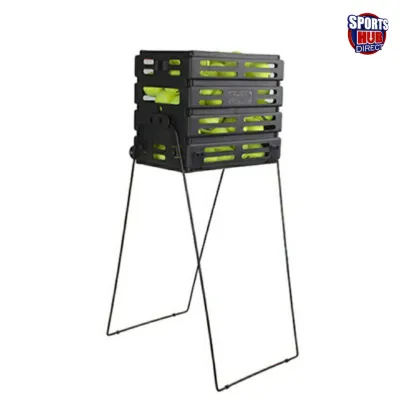
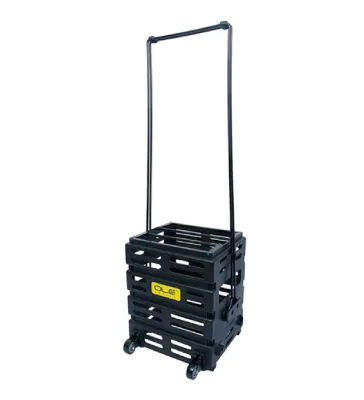
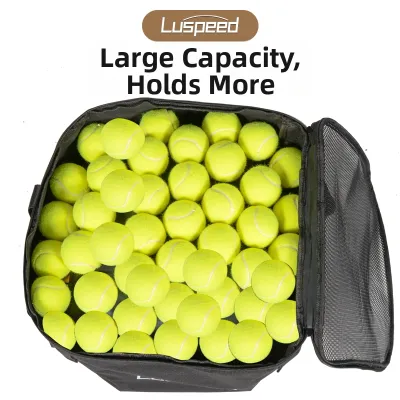
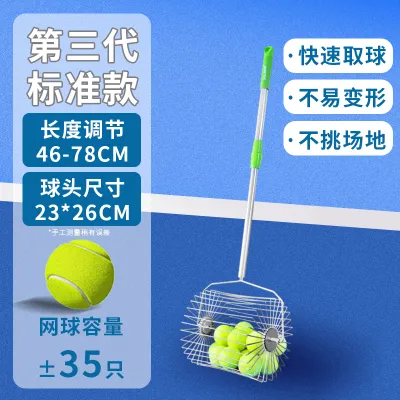
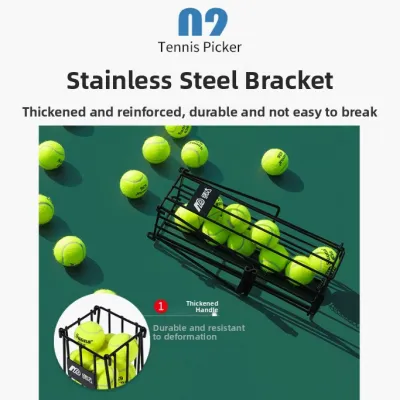
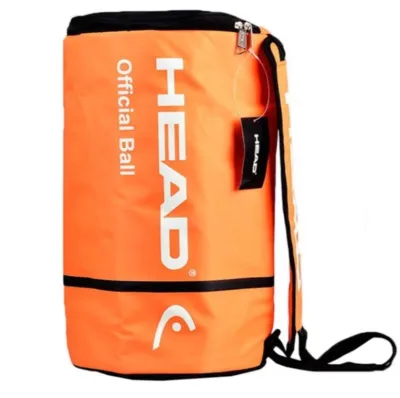

Prices are valid at publication and may change. Please refer to the product page for the latest price.
If you are primarily hitting against a practice wall or rallying back and forth with a friend, you only need three to six balls. In these scenarios, a large container is redundant and cumbersome. However, once you begin practicing specific stroke mechanics through repetitive feeding drills, you will need at least 40 to 60 balls to make the session efficient.
Court logistics also play a massive role in your decision, especially in urban environments like Singapore. Commuting to public hard courts, such as ActiveSG facilities, via public transport means every extra kilogram of gear counts. Carrying a heavy, rigid metal hopper on the MRT or bus can be incredibly exhausting and awkward.
Furthermore, you must consider the physical effort required to pick up scattered balls during a session. Public court bookings are typically limited to one or two hours. If you spend half of that time bending over to retrieve balls one by one and stuffing them into a small opening, you are losing valuable training time. Transitioning from basic play to structured, repetitive stroke mechanics is the ultimate signal that your equipment needs are changing.
When a Tennis Ball Basket Becomes Essential for Training
A dedicated tennis ball basket transitions from a luxury to a necessity when your training shifts toward high-volume repetition. If you or a partner are conducting multi-ball feeding drills, a basket is indispensable. It allows the feeder to maintain a continuous, rapid rhythm without having to constantly look down, bend over, or struggle with a collapsing bag opening. This uninterrupted flow is crucial for developing muscle memory and consistent footwork.

On-court safety and organization are other critical benefits of a rigid basket. Loose tennis balls rolling across a hard court present a severe tripping hazard, which can lead to ankle sprains or worse. A stable basket keeps your extra balls securely contained in one spot, preventing them from scattering across adjacent courts and disrupting other players.
From an ergonomic standpoint, a basket dramatically reduces physical fatigue. Bending down to pick up 60 to 80 balls individually during a high-volume session places immense strain on your lower back. Many modern tennis ball baskets feature specialized legs that flip over to become handles, allowing you to stand upright while pushing the basket down over the balls to collect them. This mechanical pickup feature saves your energy for actual play.
As you advance to intermediate drills, such as practicing target zones, volleys, or serve repetitions, your ball requirement naturally scales past 50 balls. At this volume, trying to manage your inventory with a flexible bag becomes highly impractical. The structured support of a basket ensures your practice remains organized, safe, and highly productive.
When a Standard Mesh Bag Is Perfectly Sufficient
Despite the benefits of a basket, a standard mesh bag remains highly useful for many beginner scenarios. The most obvious advantage of a mesh bag is its portability and ease of commuting. Lightweight and highly compressible, a mesh bag can be stuffed into a standard racket bag or backpack when empty, making it the ideal choice for players who walk or take public transit to their local courts.
For casual players who focus on basic rally consistency and learning game rules, a mesh bag holding 15 to 30 balls is more than enough. At this stage, you do not need the massive volume of a training hopper. Having fewer balls on hand actually encourages you to focus on keeping the ball in play rather than relying on a constant stream of new feeds.
Cost-effectiveness is another major factor. A quality mesh bag is exceptionally budget-friendly, typically costing only a fraction of what you would pay for a dedicated basket. This low-risk investment allows you to allocate more of your budget toward professional coaching, high-quality tennis shoes, or a better racket, which have a more direct impact on your early skill development.
However, you must acknowledge the clear limitations of a mesh bag. It offers zero structural support, meaning it will easily tip over and spill its contents if placed on the court surface. Additionally, retrieving balls from a drawstring opening is a slow, two-handed process that can quickly disrupt the flow of a fast-paced practice session.
Self-Check: Should You Keep the Bag or Upgrade to a Basket?
To determine whether you should stick with your current mesh bag or invest in a tennis ball basket, ask yourself the following diagnostic questions about your training habits.
- What is your primary drill type? If your practice sessions consist almost entirely of live rallies, casual matches, or hitting against a wall, your mesh bag is perfectly adequate. If you are regularly practicing your serve solo, using a ball machine, or executing repetitive basket-fed drills with a partner, you should upgrade to a basket.
- How many balls do you bring to the court? If you carry fewer than 30 balls, a mesh bag is the most practical choice. If you regularly use 40 or more balls to avoid constant interruptions, a basket is highly recommended to manage the volume.
- Who are your training partners? If you train alone or with a dedicated partner who feeds you balls, a basket is essential for smooth delivery. If you only play with peers of a similar level where you take turns hitting live balls, a bag suffices.
If you find yourself torn between these choices, consider the middle-ground path. A collapsible or folding tennis ball basket featuring a removable mesh bag insert offers the best of both worlds. These hybrid models provide the lightweight, transportable benefits of a bag while retaining the elevated, stable frame of a traditional court basket.
Key Features to Look for in a Beginner Tennis Ball Basket
If you decide that upgrading to a tennis ball basket is the right move for your development, look for specific features that ensure durability and ease of use without overpaying for professional-grade club equipment.
- Capacity Guidelines: A capacity of 60 to 80 balls is the ideal sweet spot for most beginners. Avoid massive 120+ ball hopper carts, as they are incredibly heavy when fully loaded and highly cumbersome to transport to public courts.
- Folding Mechanisms: Look for models with secure, easy-to-use folding hinges and robust locking pins. Ensure the frame can collapse flat so it easily fits into the boot of a car or can be carried comfortably. Always check the manufacturer's instructions to ensure the locking mechanisms are fully engaged before loading balls.
- Material and Climate Considerations: Singapore's intense tropical sun and high humidity can quickly degrade low-quality materials. Prioritize rust-resistant frames made from powder-coated steel or lightweight aluminum. If the basket uses fabric components, ensure they are made from UV-resistant heavy-duty nylon or polyester mesh to prevent premature tearing.
- Base Stability: Opt for a basket with a wide, stable base or leg stance. This design prevents the basket from tipping over when bumped by a stray ball or during intense lateral movement drills near the baseline.
Before using any new court equipment, always inspect the frame for loose screws or damaged joints. Ensuring your gear is in safe working order protects both you and the court surface from accidental damage.
Frequently Asked Questions (FAQ)
How many tennis balls should a beginner basket hold?
A capacity of 60 to 80 tennis balls is the ideal range for beginners. This volume provides enough balls for a continuous, high-repetition training block of 15 to 20 minutes without making the basket too heavy or bulky to carry. Fully loaded, a basket of this size remains manageable for a single person to transport to and from the court.
Can I use a generic plastic bucket or laundry basket instead of a tennis basket?
While a generic plastic bucket or laundry basket can hold tennis balls, they are not recommended for active court use. These household items lack a specialized wide rim for efficient pickup, requiring you to bend over completely for every single ball. More importantly, rigid plastic buckets can easily tip over, creating a serious tripping hazard on the court. Purpose-built folding tennis baskets are much safer, more ergonomic, and align better with standard court etiquette.
Community discussion
Share your experience or ask a question. Comments are reviewed before publication.