
Quick Answer: Matching the Holder to Your Routine
Selecting the right tennis ball holder depends entirely on how you practice, how you travel to the court, and how many balls you need to keep in play. There is no single design that suits every player, as each serves a distinct purpose on the court.
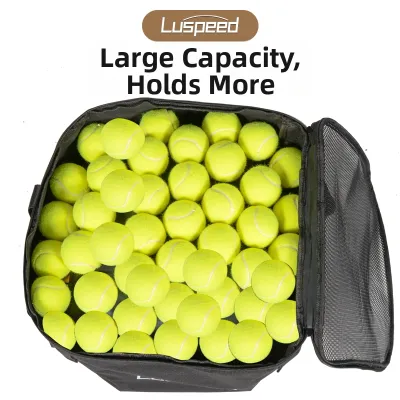
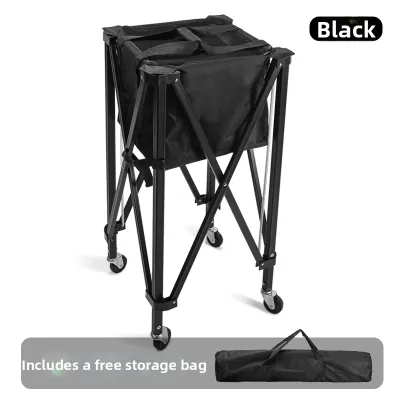
Tennis ball hoppers are the standard choice for coaches, parents, and players running high-volume feeding drills. They offer the highest capacity, allowing you to run continuous practice sessions without constant interruptions to collect balls.
Ball tubes are designed for individual players who prioritize portability and streamlined practice. They are ideal for solo serve practice or light hitting sessions, offering a hands-free carrying option that fits easily onto a bicycle or public transport.
Products mentioned in this guide
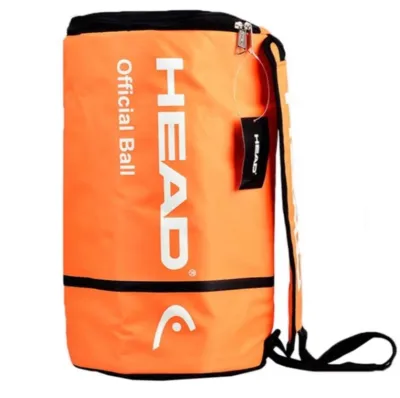
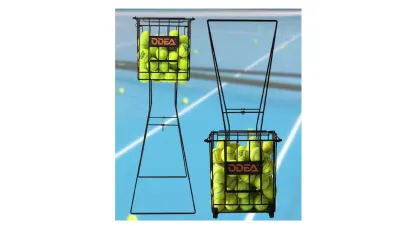
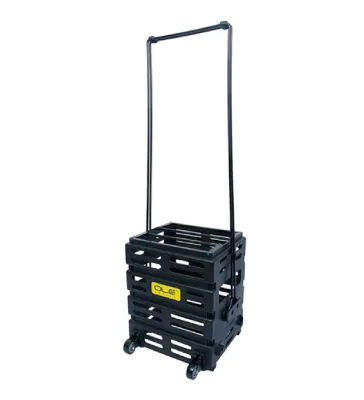
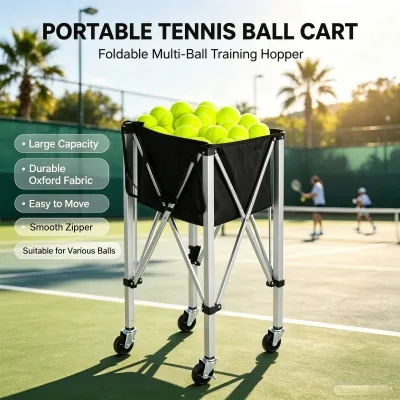
![[SG Stock]Pickleball Ball Picker Tennis Ball Retriever Holder Cricket Ball Collector 14 Ball Storage Tube Lightweight](https://img.lazcdn.com/g/p/7fbe33f06019aff0c8696ef34fe91e85.png_400x400q80.png_.webp)
Prices are valid at publication and may change. Please refer to the product page for the latest price.
Racket holders and wearable clips provide integrated convenience for casual players who only need a few extra balls during friendly matches. They eliminate the need for extra bags, keeping your gear footprint as small as possible.
Breaking Down the Three Tennis Ball Holder Designs
Understanding the structural differences and material compositions of these three designs is the first step toward making an informed choice. Each holder interacts differently with your gear, your physical movement, and the court environment.

Tennis Ball Hoppers: High Capacity and Court Stability
Tennis ball hoppers are rigid baskets, typically constructed from heavy-duty steel wire or impact-resistant molded plastic. When evaluating hoppers, you will generally find capacity ranges from 50 to over 100 balls listed on product packaging. This high volume makes them the heaviest option, but they compensate with dual-purpose handles that fold down to serve as sturdy stand legs, raising the basket to hip height for easy reaching.
Before purchasing, it is important to check the folding mechanism and locking joints to ensure they operate smoothly without pinching. The base footprint of a hopper is relatively wide, providing excellent stability on flat hard courts, though you should verify that the legs have protective rubber or plastic caps to prevent scratching the court surface.
Ball Tubes: Portability and Ball Protection
Ball tubes are lightweight, cylindrical containers made of flexible plastic or reinforced synthetic fabric. Because they are fully enclosed, they protect your tennis balls from moisture, dirt, and abrasive court dust during transit. Most designs feature a shoulder strap or fence hook, allowing you to carry them hands-free while walking, cycling, or commuting.
While tubes excel at transport, they generally hold between 15 and 20 balls, which limits their usefulness for high-repetition drills. Additionally, retrieving balls from a tube is a sequential process; you press the end of the tube over a ball to collect it, but deploying them quickly during fast-paced drills can be slower compared to reaching into an open basket.
Racket Holders: Integrated Convenience for Light Loads
Racket holders, including frame-mounted clips and wearable waist pouches, attach directly to your existing equipment or clothing. These holders are usually made of lightweight plastics, neoprene, or elastic mesh, designed to hold between one and four balls at a time. They are highly specialized accessories that aim to keep your hands and pockets free during active play.
When choosing a racket-mounted holder, you must verify its compatibility with your specific racket frame shape and beam width, as some clips only fit standard geometric profiles. It is also vital to consider how the added weight of even one or two balls affects your racket’s swing weight and overall balance. For structured, high-repetition practice, the limited capacity of these holders makes them impractical, but they remain highly convenient for casual, low-volume rallies.
Comparing Holders Across Your Specific Playing Needs
To determine which holder fits your routine, you must weigh several practical factors, starting with your typical ball volume. If your sessions consist of solo serve practice, a ball tube holding 15 to 20 balls is often sufficient to establish a rhythm without causing physical fatigue from constant picking up. Conversely, if you are running intense drilling sessions or coaching, a hopper holding 75 balls is necessary to maintain momentum and keep players engaged.
Transport logistics are another critical consideration, particularly for players navigating urban environments. Carrying a bulky, metal tennis ball hopper on public buses or the MRT during peak hours can be highly inconvenient and physically awkward. If you cycle to your local court along park connectors, a ball tube with an adjustable shoulder strap or a compact racket holder that fits inside your backpack is a far more practical choice than a rigid basket.
The local climate and court conditions also dictate which materials will last. In humid, tropical environments where sudden downpours are common, outdoor concrete and acrylic courts can trap moisture and grit. If you choose a metal wire hopper, look for powder-coated or vinyl-coated steel to prevent rust from forming after exposure to damp court surfaces. For plastic tubes, ensure they feature drainage holes or breathable mesh sections to prevent humid air from warping the container or degrading the ball felt.
Finally, consider retrieval efficiency and physical strain during your sessions. Both hoppers and tubes utilize pressure-fit bottom gates that allow you to pick up balls simply by pressing the device down over them, eliminating the need to bend over repeatedly. If you have lower back concerns or want to maximize your active court time, these pick-up features are highly beneficial compared to racket holders, which require you to collect balls by hand or bounce them up with your racket.
Decision Framework: Which Tennis Ball Holder Do You Need?
To finalize your decision, match your playing habits and physical requirements against this practical checklist:
- Select a Tennis Ball Hopper if:
- You are a coach, parent, or advanced player running high-volume feeding drills.
- You practice on dedicated courts where you can store or easily transport a larger basket.
- You want to avoid bending down entirely, utilizing the folding legs to keep balls at hip height.
- Select a Ball Tube if:
- You primarily practice your serve solo or play light hitting sessions with a partner.
- You travel to the court via public transport, bicycle, or motorcycle and need a hands-free carrying strap.
- You want to protect your tennis balls from dirt, moisture, and environmental wear between sessions.
- Select a Racket Holder or Wearable Clip if:
- You only play casual matches and want to carry the absolute minimum amount of gear.
- You prefer not to use your clothing pockets to store spare balls during active play.
- You do not run structured drills that require more than three or four balls at a time.
Before making any purchase, always verify the manufacturer’s weight limits, check the dimensions to ensure the holder fits into your vehicle or storage space, and inspect the attachment mechanisms for compatibility with your existing gear.
Care and Maintenance for Longevity
Proper maintenance ensures your tennis ball holder remains functional and safe to use over multiple seasons. After playing on outdoor courts, wipe down wire hoppers, plastic tubes, and fabric pouches with a dry cloth to remove abrasive court dust, clay particles, and moisture. For metal hoppers, pay close attention to the folding joints and welds, as trapped grit can cause friction wear and compromise the protective coating.
Regularly inspect all moving parts, including folding legs, sliding brackets, zippers, and shoulder strap buckles. If you notice loose screws or bent wires on a hopper, adjust them promptly to prevent structural failure during transport. For fabric tubes and wearable pouches, check the stitching along high-stress areas like strap attachments and pocket seams.
Store your equipment in a cool, dry indoor environment away from direct sunlight. Leaving plastic tubes or synthetic fabric holders in hot car trunks or exposed outdoor areas can lead to UV degradation, warping, and mold growth. Keeping your holder clean and dry not only extends its lifespan but also protects your tennis balls from premature wear.
Frequently Asked Questions (FAQ)
Can I store wet tennis balls inside a sealed ball tube?
You should avoid storing wet or damp tennis balls inside a sealed plastic ball tube. Enclosed, unventilated environments trap moisture, which quickly degrades the felt cover of the balls and can cause the inner core to lose pressure prematurely. Trapped moisture also creates an ideal environment for mold and mildew to grow inside the tube and on the balls themselves. If your tennis balls get wet during a session, allow them to air-dry completely in a well-ventilated area before placing them back into any enclosed storage container.
Do wire hoppers damage tennis balls or the court surface?
Wire hoppers generally do not damage tennis balls or court surfaces if they are maintained and used correctly. However, you must regularly inspect the hopper for bent wires, broken welds, or sharp metal edges that could snag and tear the ball felt. To protect sensitive acrylic court coatings from scratches and gouges, ensure that the rubber or plastic protective caps on the bottom of the hopper legs are intact and free of embedded grit. Avoid dragging the hopper across the court surface; instead, lift it cleanly when moving it between positions.
Community discussion
Share your experience or ask a question. Comments are reviewed before publication.